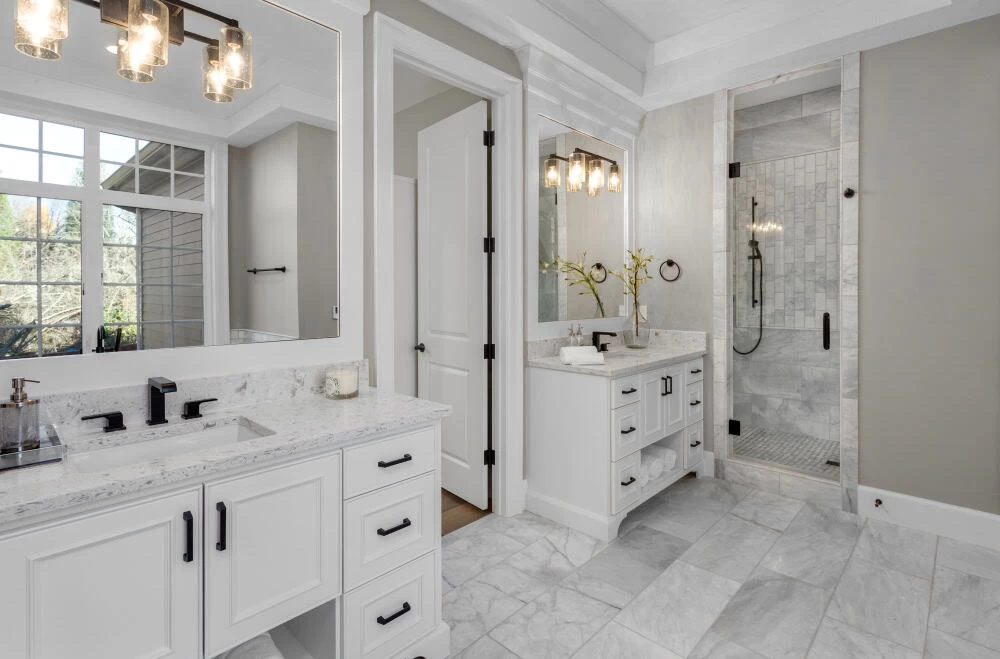
South Shore Homes Deserve More Than a Surface Refresh
Most Sayville bathrooms haven’t been touched since the ’60s and what’s behind those walls matters just as much as what goes in front of them. We handle the full renovation, including whatever gets discovered along the way.
I needed a professional consultation explanation of procedure for safe removal of Asbestos in my apartment complex. Without having an account yet, I was very impressed with the caring, knowledgeable and generous advice offered by Jessica, and will look forward to doing business in the future. Thank you so much! I feel much more informed about a sometimes scary endeavor. Peace. Nancy Silva Mineola, NY.
Mia Munoz
Used this company to clean up some water flood in my house. They were fast and easy to work with.very professional, Would recommend to anyone!
Nini Valle
Great company, had a flood and they responded quickly and efficiently. Billed my insurance company directly. I highly recommend this company!
joe colapietro, jr
I had pipe freeze in my basement right before a snow storm and they made to within an hour to help start the clean up process. They we by our side throughout the entire process and even helped with the insurance company. They did such a great job with the cleanup, repair, remidiation, I contracted them to perform the repairs and finishes in the basement. They came with enough manpower and material to get the job done. Leo and Jessica were nothing but a pleasure to deal with!!
Cristian Arredondo c
I had some water damage in my home and Green Island was able to take care of my issue quickly and effectively. I am very pleased with the work they did. They responded quickly and were very professional.
Michael M
Outstanding service! From the office to the field crew everyone was friendly, helpful and responsive. I highly recommend Green Island Group.
Sayville sits right on the Great South Bay. That’s one of the things that makes it a great place to live and one of the things that quietly works against your bathroom over time. Salt air, coastal humidity, and a water table that runs shallow under most South Shore properties create conditions that standard bathroom materials simply aren’t built for. When a renovation is done right here, it accounts for all of that: proper waterproofing membranes behind the tile, moisture-resistant substrates instead of standard drywall, ventilation that actually moves air, and fixture hardware that won’t corrode inside two years.
The other reality in Sayville is the housing stock itself. The median home in this ZIP code was built in 1966, and nearly one in five homes here predates 1940. That means there’s a real chance your bathroom walls are hiding asbestos floor tile, lead paint on the trim, or galvanized steel pipes that have been slowly corroding for decades. Most bathroom contractors aren’t licensed to handle any of that which means they stop the job the moment something turns up and call a separate specialist. That gap is where projects fall apart and timelines double.
When the renovation is done by a team that’s equipped for what’s actually in these walls and built for the environment your home sits in you end up with a bathroom that performs the way it should. Not just on day one, but years from now.
Local Knowledge Backed by 5,000+ Completed Projects
We’re based in Bohemia just a few miles north of Sayville on Broadway Avenue. That proximity means we know Town of Islip permit requirements inside and out, we’ve worked in the same mid-century housing stock you’re dealing with, and we’re not dispatching a crew from Nassau County or New York City when you call. We understand what Sayville homeowners actually face when they open up a 1960s bathroom wall.
What separates us from most bathroom remodel companies on the South Shore is what we’re licensed to handle. Asbestos abatement, lead-based paint removal, mold remediation these are active certifications, not something we subcontract out when things get complicated. We’ve completed over 5,000 restoration and renovation projects across New York State, and we operate 24 hours a day, every day of the year. If your project starts as a water damage emergency and ends as a full renovation, we handle every step under one roof, one contract, and one accountable team.
What a Sayville Bathroom Remodel Actually Looks Like Start to Finish
It starts with a walkthrough. We look at the existing layout, the plumbing configuration, the age of the materials, and anything that might affect scope before we talk numbers. In a Sayville home built in the ’50s or ’60s, that initial assessment matters because what’s visible on the surface rarely tells the whole story.
From there, we handle permitting with the Town of Islip’s Building Division. Any bathroom remodel that involves plumbing changes, electrical work, or structural modifications requires a permit, and the Town of Islip also requires an asbestos survey as part of demolition permit applications. We manage all of that. You don’t have to chase down inspectors or figure out what paperwork goes where that’s part of the job.
Once permits are in place, demolition begins. If the demo reveals something mold on the studs, asbestos tile under the floor, deteriorated plumbing we handle it in-house without stopping the project. After the rough-in work is complete and inspected, finish work begins: tile, fixtures, vanity, lighting, ventilation, and final trim. We walk you through material selection along the way, including accompanying you to supplier showrooms if that’s helpful. The project closes with a final inspection and sign-off, so your renovation is fully permitted and documented which matters when it comes time to sell.
A full bathroom renovation in Sayville involves more moving parts than most homeowners expect going in. Demolition, hazmat assessment, plumbing rough-in, electrical, waterproofing, tile installation, fixture and vanity work, lighting, ventilation, and permit close-out that’s the real scope. Most contractors handle some of it and subcontract the rest, which is where timelines slip and accountability gets murky. We carry all of it in-house.
For Sayville homeowners dealing with a bathroom that’s been untouched for decades, the material choices matter as much as the labor. We select products suited to the coastal Long Island environment cement board substrates, waterproof membrane systems, corrosion-resistant hardware, and ventilation designed for the humidity levels that come with living near the bay. These aren’t upgrades we upsell. They’re the baseline for a bathroom that holds up in this specific environment.
If your remodel is connected to an insurance claim a burst pipe, storm flooding, or water damage found during demo we handle that side of it too. We bill insurance carriers directly and document the damage correctly from the start, which removes one of the most stressful parts of the process for homeowners navigating a claim. Whether you’re updating a single bathroom or doing a full gut renovation on a 1960s Sayville colonial, the process is the same: one team, one contract, no gaps.
Do I need a permit to remodel my bathroom in Sayville, NY?
It depends on what the remodel involves. If you’re making purely cosmetic changes new paint, tile over existing tile, swapping out a vanity without touching the plumbing you typically don’t need a permit. But the moment you’re moving a drain, relocating supply lines, adding or upgrading electrical circuits, changing the ventilation, or touching anything structural, you’re in permit territory under Town of Islip jurisdiction.
There’s also something specific to Sayville and the surrounding South Shore communities worth knowing: the Town of Islip requires an asbestos survey as part of demolition permit applications. Given that a significant portion of homes in this area were built before 1980 when asbestos was standard in floor tiles, pipe insulation, and joint compound that survey requirement is very real for most gut renovations here. A contractor who isn’t prepared for that finding is a contractor who may stop your project mid-demo. We handle the survey, the permitting, and any remediation that follows, so the project keeps moving.
What happens if the contractor finds mold or asbestos during my bathroom demo?
This is one of the most common scenarios we encounter in Sayville homes, and it’s the question most homeowners don’t think to ask before they hire someone. When a contractor who isn’t licensed for hazardous materials opens a wall and finds black mold on the studs or identifies asbestos floor tile, they’re legally required to stop work. Then you’re waiting sometimes weeks while a separate remediation company is brought in, schedules align, and the project restarts.
We hold active licenses for asbestos abatement, lead-based paint abatement, and mold remediation. When we find something during demo and in a 1960s Sayville home, the odds are meaningful we handle it in-house, on the same timeline, with the same crew. The project doesn’t stop. You don’t have to coordinate between two contractors or absorb the delay. This is probably the single most practical reason to choose a contractor with these certifications for a South Shore home of this vintage, and it’s something most bathroom remodel companies in this area simply cannot offer.
How much does a bathroom remodel typically cost in Sayville, NY?
The national average for a midrange bathroom remodel sits around $26,000, but that number doesn’t reflect what things actually cost on Long Island. In Sayville and the surrounding South Shore communities, labor costs, permitting fees, and material expenses push that figure considerably higher. A midrange full bathroom renovation in this area commonly runs $35,000 to $50,000, and high-end gut renovations with premium fixtures and custom tile work can go well beyond that.
A few factors specific to Sayville tend to affect the final number. If the demo reveals asbestos, lead paint, or mold which is a real possibility in homes built before 1980 remediation adds to the scope. Coastal-appropriate materials (moisture-resistant substrates, waterproof membranes, corrosion-resistant hardware) cost more than standard alternatives but are the right choice for a home near the Great South Bay. Permit fees and inspection costs through the Town of Islip are also part of the real budget. The most useful thing we can do is give you an honest assessment after seeing the space not a number pulled from a range before anyone’s looked at your bathroom.
Can my bathroom remodel be covered by homeowners insurance in Sayville?
Sometimes, yes but it depends on how the damage started. Homeowners insurance generally covers sudden and accidental water damage, like a burst pipe or an appliance failure that floods the bathroom. What it typically doesn’t cover is gradual deterioration, long-term moisture damage, or cosmetic upgrades you’ve chosen to make. The line between a covered claim and an out-of-pocket renovation isn’t always obvious, and how the damage is documented from the start can significantly affect the outcome.
For Sayville homeowners, this situation comes up more than you might expect. Coastal humidity accelerates hidden moisture damage in bathrooms that aren’t properly ventilated, and the area’s aging plumbing infrastructure means pipe failures are a recurring reality. We have extensive experience working alongside insurance carriers we document damage correctly, bill insurers directly, and guide you through the claims process from the first call to the finished renovation. If you’ve discovered bathroom damage and aren’t sure whether it’s a claim or a renovation, that’s exactly the conversation to have with us before you decide.
What bathroom materials hold up best in a coastal environment like Sayville?
Living near the Great South Bay means your bathroom is operating in a higher-humidity, salt-influenced environment than most inland homes on Long Island. That affects material choices in ways that matter over time. Standard drywall behind tile is a common shortcut that leads to moisture intrusion and mold growth cement board or a comparable moisture-resistant substrate is the right call here. Behind the tile itself, a waterproof membrane system prevents water from reaching the wall assembly even when grout lines develop minor cracks over years of use.
For fixtures and hardware, corrosion resistance matters in a coastal environment. Chrome finishes that look great in a showroom can oxidize and pit within a few years when they’re exposed to the salt-laden air that comes with proximity to the bay. Brushed nickel, matte black, and certain stainless finishes hold up considerably better. Ventilation is another factor that gets underbuilt in a lot of South Shore bathrooms an undersized or poorly positioned exhaust fan in a high-humidity coastal home is a slow path to a mold problem. We factor all of this into material and specification decisions, not as an upsell, but because it’s what makes the renovation last in this specific environment.
How long does a full bathroom renovation take in Sayville from start to finish?
For a full gut bathroom remodel in Sayville, a realistic timeline from signed contract to finished renovation is typically four to eight weeks, depending on scope. The permitting process through the Town of Islip adds time upfront plan for a few weeks to get permits approved before physical work begins, particularly if the project involves plumbing or electrical changes. Scheduling that permitting phase correctly at the start is something we manage as part of the process, so it doesn’t become a surprise delay once the crew is ready to move.
What extends timelines most often in South Shore homes isn’t the finish work it’s what gets discovered during demo. Finding asbestos, mold, or deteriorated plumbing mid-project and then having to pause while a separate contractor is brought in can add weeks to a job that was supposed to take one. Because we handle remediation in-house, that scenario doesn’t stall your project the way it would with a standard remodeling contractor. Material lead times are the other variable worth planning around certain tile, fixture, and vanity orders can take two to four weeks to arrive, so locking in your selections early keeps the schedule on track.