West Hempstead's Aging Homes Deserve a Clean Start
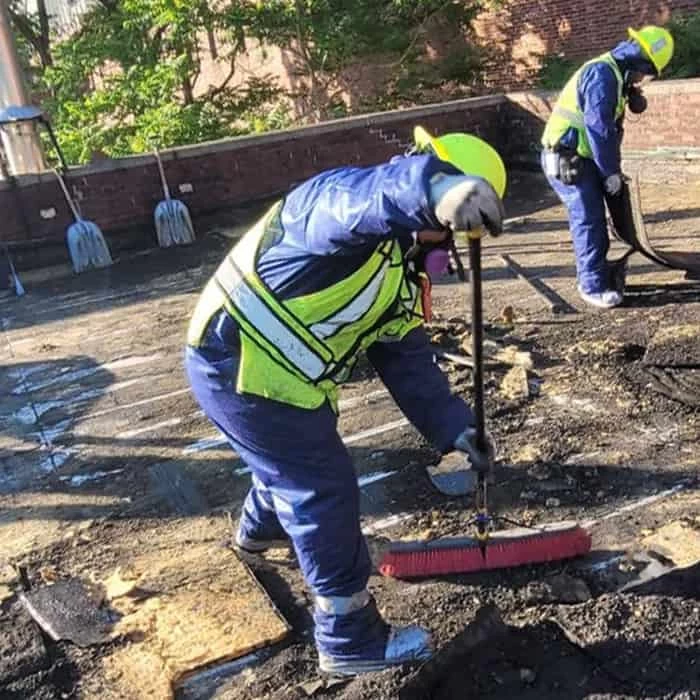
Most West Hempstead homes were built in the 1950s — and tearing one down the right way means handling asbestos, permits, and the Town of Hempstead’s requirements before a single wall comes down. We manage every step.
I needed a professional consultation explanation of procedure for safe removal of Asbestos in my apartment complex. Without having an account yet, I was very impressed with the caring, knowledgeable and generous advice offered by Jessica, and will look forward to doing business in the future. Thank you so much! I feel much more informed about a sometimes scary endeavor. Peace. Nancy Silva Mineola, NY.
Mia Munoz
Used this company to clean up some water flood in my house. They were fast and easy to work with.very professional, Would recommend to anyone!
Nini Valle
Great company, had a flood and they responded quickly and efficiently. Billed my insurance company directly. I highly recommend this company!
joe colapietro, jr
I had pipe freeze in my basement right before a snow storm and they made to within an hour to help start the clean up process. They we by our side throughout the entire process and even helped with the insurance company. They did such a great job with the cleanup, repair, remidiation, I contracted them to perform the repairs and finishes in the basement. They came with enough manpower and material to get the job done. Leo and Jessica were nothing but a pleasure to deal with!!
Cristian Arredondo c
I had some water damage in my home and Green Island was able to take care of my issue quickly and effectively. I am very pleased with the work they did. They responded quickly and were very professional.
Michael M
Outstanding service! From the office to the field crew everyone was friendly, helpful and responsive. I highly recommend Green Island Group.
When a West Hempstead homeowner decides to tear down and rebuild, the goal is simple: a clean, compliant, permitted site that’s ready for new construction — no violations, no surprises, no loose ends. That’s what a properly executed demolition delivers. Not just a pile of debris, but a cleared property with every regulatory box checked and every hazardous material handled before the structural work even begins.
Here’s what that actually means for you. The median West Hempstead home was built in 1952. That’s over 70 years of floor tiles, pipe insulation, ceiling materials, and siding that almost certainly contain asbestos. Before the Town of Hempstead will issue a demolition permit, that material has to be identified, tested, and — if it tests positive — removed by a NYS DOH-certified abatement contractor. Skipping that step doesn’t save time. It creates liability that follows the property long after the new home is built.
What you end up with, when the process is handled correctly, is a site that’s ready to build on. Utilities properly disconnected, Nassau County’s rodent-free certification completed, all permit documentation filed and closed. No open violations. No calls from the town. Just a clean lot and a clear path forward — which is exactly what you need when you’ve decided to stay in West Hempstead and build the home your family actually needs.
We’ve been doing demolition work across Nassau County, Suffolk County, and New York City for over 12 years. More than 340 completed projects. EPA certified, OSHA certified, NYS DOH licensed for asbestos abatement, and NYS M/WBE certified — which means the state has verified this business, not just heard of it.
What makes a difference in a community like West Hempstead is that this isn’t a company doing demolition as a side service. Environmental work, asbestos abatement, structural teardown, debris removal — it all runs through the same team. That matters when you’re dealing with a 1940s Cape Cod in Cathedral Gardens or a post-war colonial near Hempstead Gardens and the project hits a complication. There’s no handoff, no finger-pointing between contractors, no delay while someone figures out who handles what.
Our 4.7-star review record across 33+ verified customers isn’t built on easy jobs. It’s built on showing up, communicating clearly, and finishing what was started — the way it was supposed to be done.
The first thing that happens after you reach out is a site assessment. We review the property, the structure, and what’s involved before quoting anything. For most West Hempstead homes — built before 1978, often before 1960 — that means identifying whether asbestos-containing materials are present and what the abatement scope looks like. That assessment drives everything else.
From there, the permit process starts. West Hempstead is an unincorporated area of the Town of Hempstead, so all demolition permits run through the Town of Hempstead Building Department. That requires utility disconnection confirmations from PSEG Long Island, gas, water, and sewer — plus a rodent-free certification from Nassau County, which is a hard requirement before any permit is issued. Most homeowners don’t know about that last one until it becomes a delay. We coordinate it as a standard step, not an afterthought.
Once permits are in hand and any required asbestos abatement is complete, structural demolition typically takes one to five days for a standard West Hempstead single-family home. Debris is removed, the site is graded, and the property is left clean and ready for your builder to start. The whole sequence — from first call to cleared site — is managed under one roof, with one point of contact throughout.
A full house demolition in West Hempstead isn’t just the structural teardown. It’s the asbestos inspection and certified abatement that has to happen first. It’s the Town of Hempstead permit application, the utility disconnections, the Nassau County rodent-free certification, the debris hauling, and the site cleanup afterward. We handle every one of those steps — not as add-ons, but as part of how the job gets done.
This matters specifically here because of the housing stock. Over 40% of homes in West Hempstead were built before 1950. That means lead paint, asbestos floor tiles, pipe wrap, and roofing materials are common — not rare. A demolition contractor without environmental certifications can’t legally touch that material. We hold NYS DOH asbestos abatement licensing and EPA certification, which means the project doesn’t stall waiting for a separate environmental company to clear the site before structural work can begin.
For homeowners in the teardown-rebuild cycle — the long-term West Hempstead resident who’s outgrown their Cape Cod but won’t leave the school district — timeline matters. Every week of delay is a week the rebuild doesn’t start. The integrated approach we bring isn’t a convenience. In a community with this housing stock and these permit requirements, it’s the only way to keep the project moving.
Do I need a permit to demolish a house in West Hempstead, NY?
Yes — no exceptions. West Hempstead is an unincorporated area within the Town of Hempstead, which means all demolition permits are issued through the Town of Hempstead Building Department. You cannot legally begin any demolition work — including interior selective demolition on a structure you plan to fully tear down — without an active permit in place.
The permit application requires more than just a form. You’ll need photographs of all four elevations of the structure, a survey with spot elevations at all corners, confirmed utility disconnections from PSEG Long Island, gas, water, and sewer, and a rodent-free certification from Nassau County. That last item surprises most West Hempstead homeowners — Nassau County requires a certified inspection confirming the property is rodent-free before the town will issue the demolition permit. It has a 10-day expiration window, so timing matters. If you’re planning a demolition in West Hempstead, understanding this sequence upfront saves weeks of unnecessary delay.
Does my West Hempstead home need asbestos testing before demolition?
Almost certainly yes. New York State law requires a pre-demolition asbestos inspection for any structure built before 1980 — and the median West Hempstead home was built in 1952. That means floor tiles, ceiling tiles, pipe insulation, exterior siding, roofing shingles, and HVAC duct tape in these homes frequently contain asbestos-containing materials. It’s not a rare edge case. It’s the norm in this housing stock.
If the inspection finds regulated asbestos materials, a NYS DOH-certified abatement contractor must remove them before structural demolition can begin. There’s no workaround. Attempting to demolish without completing this step exposes you to significant fines and environmental liability — and it can affect the title on the new construction you’re building on that lot. The inspection itself typically takes a day. Abatement scope depends on what’s found and where. Getting this done correctly at the start keeps the entire project on schedule rather than creating a stop-work situation mid-demolition.
How much does house demolition typically cost in Nassau County?
For a standard single-family home, demolition costs in Nassau County typically run between $15,000 and $30,000 — higher than national averages, which tend to land around $6,000 to $25,000 for the same scope. The difference comes down to labor costs, permit fees, the near-universal need for asbestos abatement in pre-1980 homes, and Nassau County’s specific regulatory requirements like the rodent-free certification. New York metro markets run roughly 20 to 30 percent above rural national benchmarks on demolition work.
For a West Hempstead teardown specifically, the variables that most affect cost are the size of the structure, whether a full foundation removal is needed (which typically adds $2,000 to $10,000), and the extent of asbestos abatement required. A 1940s Cape Cod with asbestos floor tiles and pipe insulation will cost more to prepare for demolition than a simpler structure with minimal hazardous materials. The best way to get an accurate number is a site assessment — not a phone quote — because the scope genuinely varies from property to property.
How long does the demolition process take from start to finish?
The physical demolition of a standard West Hempstead single-family home typically takes one to five days once the crew is on site. But the full timeline from first call to cleared site is longer than that, and most of the time is spent in the pre-demolition phase — not the actual teardown.
Permit acquisition through the Town of Hempstead generally takes two to six weeks. Asbestos abatement, if required, adds additional time depending on scope — typically several days to a couple of weeks for a residential project. Utility disconnections need to be scheduled and confirmed before permits are issued. The Nassau County rodent-free certification has to be obtained and timed correctly given its 10-day expiration window. For homeowners planning a teardown-rebuild in West Hempstead, the realistic planning window from initial contact to a site ready for new construction is six to ten weeks in most cases. Starting the process earlier than you think you need to is almost always the right call.
Is it worth tearing down and rebuilding instead of renovating in West Hempstead?
For many long-term West Hempstead homeowners, the math increasingly favors a teardown. Median home values in the area are approaching $780,000 and have risen over 6% year-over-year. At that land value, the cost of demolishing a 1940s or 1950s Cape Cod — typically $15,000 to $25,000 in this market — is a relatively small percentage of the total project budget when a new build is planned. What you get in return is a structurally sound home built to modern code, with modern insulation, modern plumbing, modern electrical, and the layout your family actually needs.
The alternative — renovating a pre-1950 home with aging knob-and-tube wiring, cast iron plumbing, inadequate insulation, and a basement that wasn’t built with modern waterproofing — tends to reveal more problems the deeper you go. Local real estate professionals have specifically described the teardown-rebuild pattern as a documented dynamic in West Hempstead: residents who have lived here for 20 or 30 years, outgrown their original home, and refuse to leave the school district or the neighborhood. For that homeowner, a clean teardown is often the most practical path forward.
What happens to the site after the house is demolished in West Hempstead?
Once the structure is down, the work isn’t finished. All demolition debris — concrete, wood framing, roofing material, insulation, and any remaining hazardous materials — is removed from the site and disposed of properly. For materials that tested positive for asbestos during the pre-demolition inspection, disposal follows NYS DOH and EPA protocols for regulated waste. This isn’t optional, and it’s not something a general hauler can handle without the right certifications.
After debris removal, the site is graded and left in a condition that’s ready for your builder to begin foundation work. If foundation removal was part of the scope, that’s addressed before final grading. We also ensure all permit documentation is properly closed with the Town of Hempstead Building Department — because an open permit on a demolished property can create title complications when the new construction is sold or refinanced down the road. In a community like West Hempstead where property values are significant and most projects end with a new build, leaving that paperwork clean is part of doing the job right.