
Stop the Damage Before It Gets Worse
NYS and NYC M/WBE Certified
Government-verified certification that holds us to documented compliance standards — not just our word that we're qualified.
24/7 Emergency Response
We answer at 2 AM during a January blizzard. Real people, real crews, ready to mobilize when you need it most.
Over 5,000 Completed Projects
More than a decade of restoration work across New York means we've handled every scenario — including yours.
Financing Up to $200,000
Zero percent APR financing means you can restore your home now, not after the damage compounds for another week.
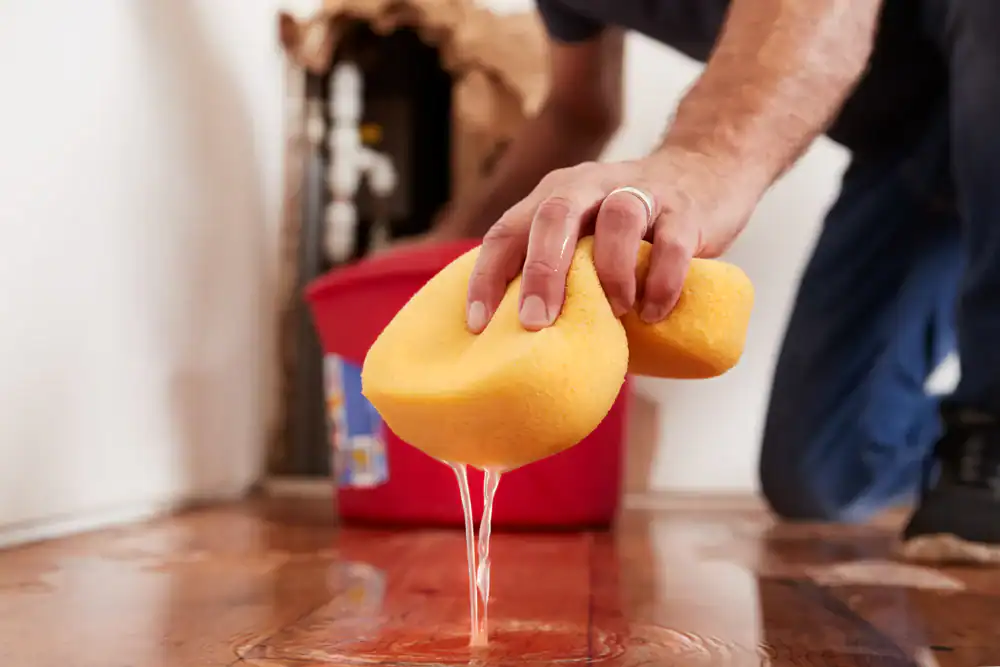
The Pipe Gets Fixed. We Handle Everything After.
What Full Restoration Actually Gets You

NYS and NYC M/WBE Certified
Government-verified certification that holds us to documented compliance standards — not just our word that we're qualified.

24/7 Emergency Response
We answer at 2 AM during a January blizzard. Real people, real crews, ready to mobilize when you need it most.

Over 5,000 Completed Projects
More than a decade of restoration work across New York means we've handled every scenario — including yours.

Financing Up to $200,000
Zero percent APR financing means you can restore your home now, not after the damage compounds for another week.
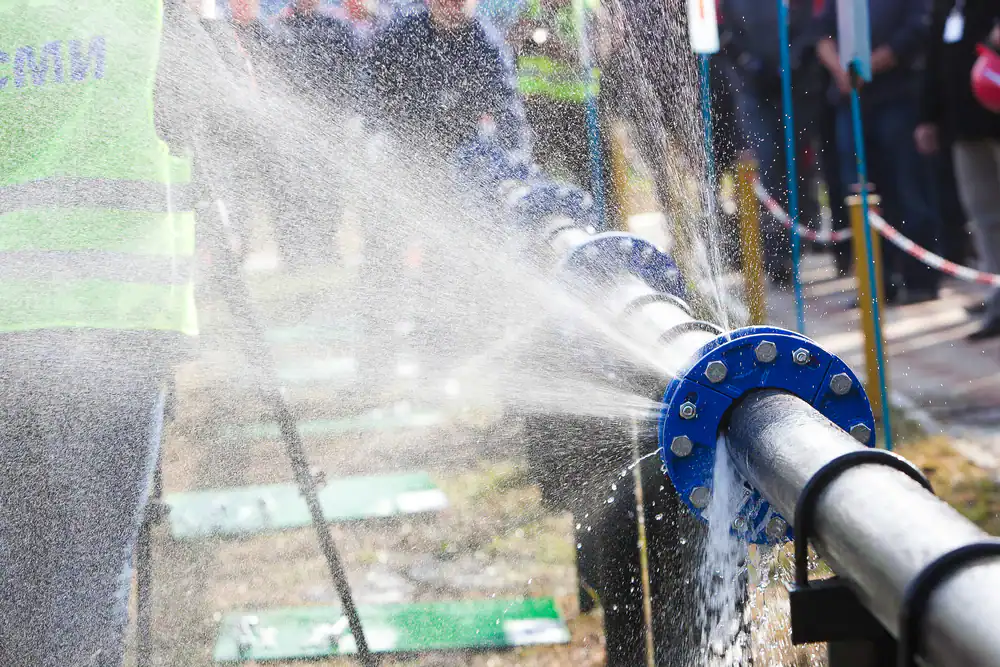
Long Island Winters Break Pipes. We've Seen It All.
Nassau and Suffolk Counties have a specific kind of pipe problem. The housing stock here is old — a huge portion of homes in Levittown, Massapequa, Amityville, Bay Shore, and Freeport were built in the 1940s through the 1970s. That means original copper and galvanized steel pipes that are now 50 to 70 years old, sitting in exterior walls and unheated crawl spaces, going through Long Island’s freeze-thaw cycles every winter.
When those pipes finally crack — and they do — the water that pours out doesn’t just wet the floor. It soaks into wall cavities, under tile, into insulation, and down into basement slabs. You can’t see most of it, and you can’t dry it with a box fan from the hardware store. Residential equipment moves surface air. It doesn’t pull moisture out of structural materials. That’s why we use commercial-grade dehumidifiers and air movers, paired with thermal imaging and moisture meters, to find every pocket of water and dry it completely.
We’ve responded to burst pipe calls from Huntington to Riverhead, from Garden City to Bohemia. The salt air on Long Island accelerates pipe corrosion faster than inland areas, and the high water table in parts of Nassau County means a basement flood can get out of hand quickly. This isn’t generic restoration work — it’s work that requires knowing this specific market.
There's a 48-Hour Window. Here's Why It Matters.
Mold can begin growing within 24 to 48 hours of water exposure. This is the industry standard that governs how we approach every water damage job. If your home has been wet for more than two days before we start drying it properly, mold prevention becomes mold remediation, and the cost and complexity go up significantly.
There’s also something most Long Island homeowners don’t know until they’re already mid-project: New York State law under Article 32 requires that mold assessment and remediation be performed by two separate, independently licensed companies. The same contractor cannot legally assess the damage and then remediate it. This rule exists because of exactly the kind of contractor fraud that swept through Long Island communities after Superstorm Sandy — and it catches a lot of homeowners off guard when they’re already dealing with a crisis.
We’re fully licensed under the NYS Mold Law. We understand how the assessment and remediation process works, and we help you navigate it without the mid-project surprise of discovering you need to bring in another company from scratch.
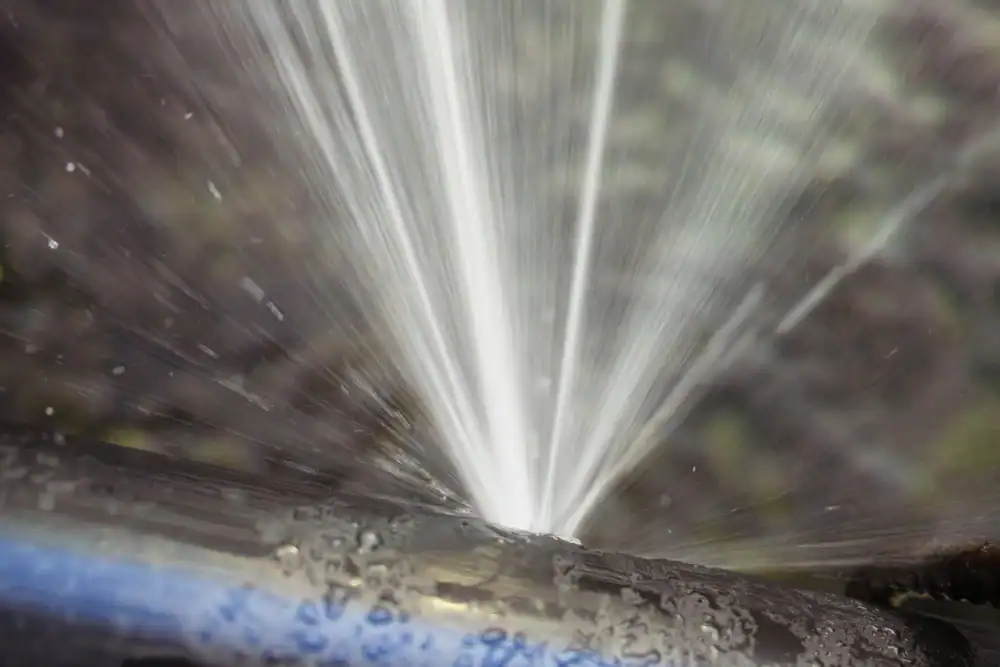
Emergency Response and Assessment
We arrive fast, assess the full scope of damage — including what's hidden inside walls and floors — and stop further deterioration immediately.
Extraction, Drying, and Documentation
Industrial equipment removes standing water and moisture from structural materials while we document everything your insurance adjuster will need.
Full Structural Restoration
Drywall, flooring, insulation, and any affected materials are restored to pre-loss condition — including asbestos abatement if your home requires it.