Most homes in Woodmere were built before 1970. That means before any house demolition starts, there’s a process — permits, asbestos testing, utility disconnects — and it has to be done right.
I needed a professional consultation explanation of procedure for safe removal of Asbestos in my apartment complex. Without having an account yet, I was very impressed with the caring, knowledgeable and generous advice offered by Jessica, and will look forward to doing business in the future. Thank you so much! I feel much more informed about a sometimes scary endeavor. Peace. Nancy Silva Mineola, NY.
Mia Munoz
Used this company to clean up some water flood in my house. They were fast and easy to work with.very professional, Would recommend to anyone!
Nini Valle
Great company, had a flood and they responded quickly and efficiently. Billed my insurance company directly. I highly recommend this company!
joe colapietro, jr
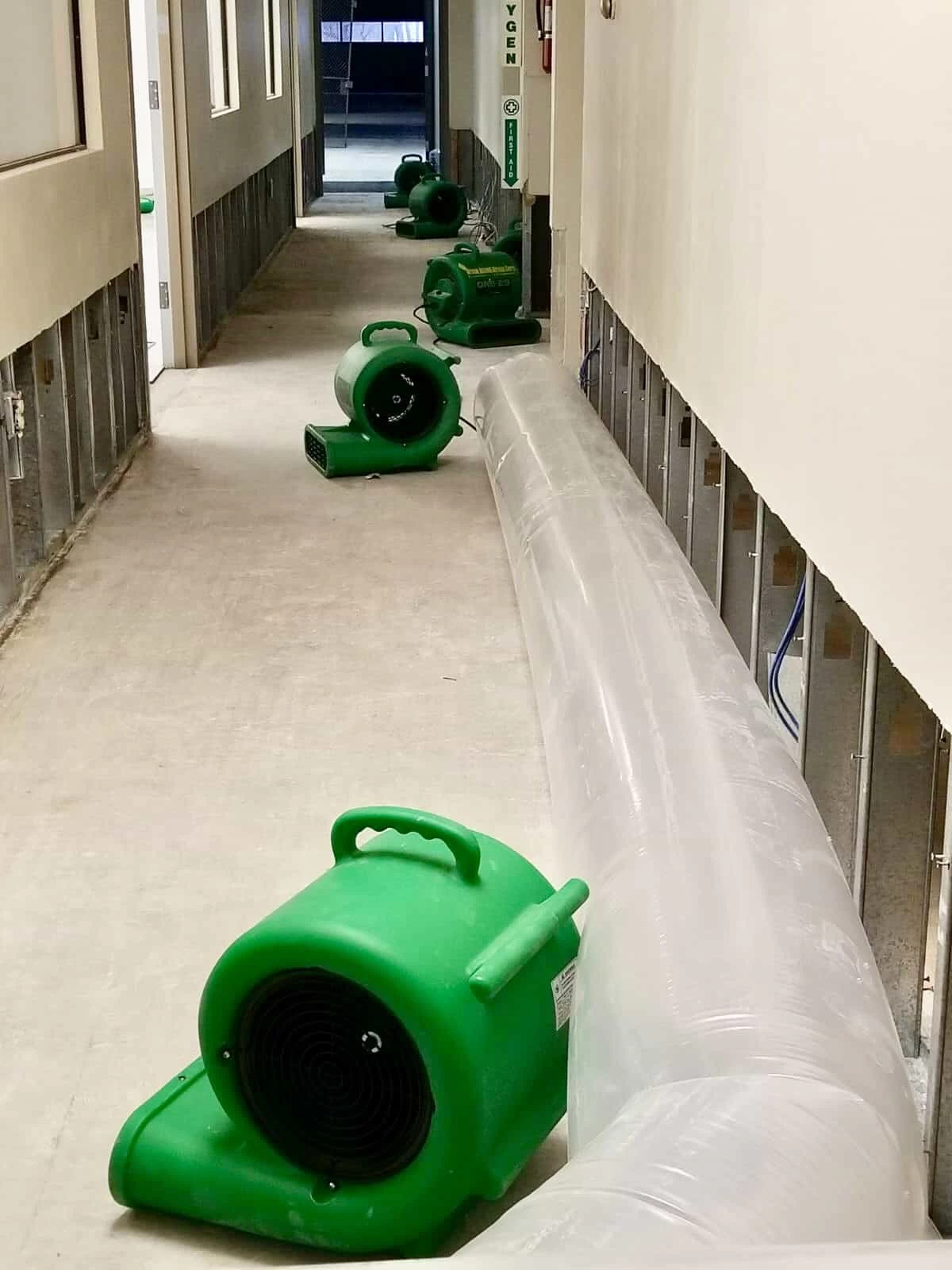
I had pipe freeze in my basement right before a snow storm and they made to within an hour to help start the clean up process. They we by our side throughout the entire process and even helped with the insurance company. They did such a great job with the cleanup, repair, remidiation, I contracted them to perform the repairs and finishes in the basement. They came with enough manpower and material to get the job done. Leo and Jessica were nothing but a pleasure to deal with!!
Cristian Arredondo c
I had some water damage in my home and Green Island was able to take care of my issue quickly and effectively. I am very pleased with the work they did. They responded quickly and were very professional.
Michael M
Outstanding service! From the office to the field crew everyone was friendly, helpful and responsive. I highly recommend Green Island Group.
A Clean Site, No Surprises, No Liability Left Behind
When you’re tearing down a home in Woodmere, the outcome you actually need isn’t just a cleared lot. It’s a legally closed project — permitted, documented, and ready for whatever comes next, whether that’s new construction, a sale, or a rebuild that reflects what this market actually demands.
Here’s what most people don’t think about until they’re already in it: roughly 86% of homes in Woodmere were built before 1970. That’s not a statistic to brush past. It means the majority of teardown projects in this community legally require asbestos testing before a single wall comes down. If your contractor can’t handle that step, you’re already looking at delays, a second vendor, and a gap in accountability that lands back on you.
The other reality is the flood exposure. If your property sits near the Woodmere Docks area, Lee Lake, or anywhere close to Doxey Brook or Cedar Point Lake, you already know what Sandy did to this neighborhood. Storm-compromised structures carry their own set of complications — structural instability, moisture damage, potential mold — and that affects how demolition needs to be approached. Getting the scope right from the start is what keeps a project on track and keeps you out of a legal or environmental situation you didn’t sign up for.
340+ Projects. Every License Nassau County Requires.
We’ve been handling demolition and environmental services across Nassau County and the broader New York metro area for over 12 years. More than 340 completed demolition projects. A 4.7-star rating backed by real reviews that name real people and describe real situations — not a wall of generic five-stars.
For Woodmere specifically, what matters is jurisdiction knowledge. This community falls under the Town of Hempstead Building Department, and that permit process has specific requirements — elevation surveys, rodent-free certificates with 10-day expiration windows, utility disconnect confirmation, and photographic documentation of every building elevation. We’ve navigated that process in Woodmere and throughout the Five Towns. We hold the Nassau County Home Improvement License, NYS Department of Health asbestos certification, EPA and OSHA credentials, and NYS and NYC M/WBE Certification. That’s not a list of badges — it’s the compliance stack that keeps your project legal and your liability at zero.
We’re available 24 hours a day, 365 days a year. For a community on the South Shore, that availability isn’t a marketing line. It’s practical.
What the Process Actually Looks Like From Start to Site Clearance
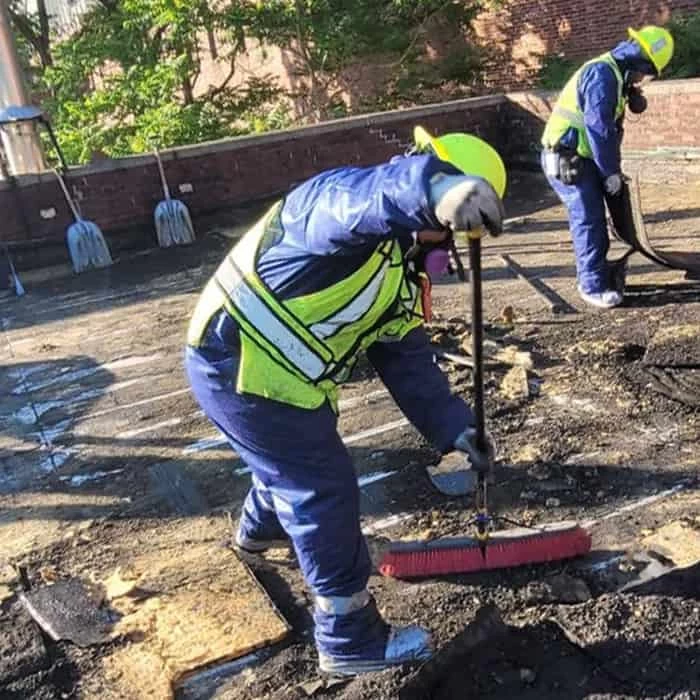
It starts with a site assessment. Before anything else, we look at the structure — its age, condition, what’s in it, and what the site conditions are. For a pre-1970 home in Woodmere, that assessment includes evaluating where asbestos-containing materials are likely present: pipe insulation, floor tiles, ceiling tiles, roofing materials, joint compound. This isn’t optional. New York State law requires certified testing and abatement before structural demolition proceeds, and the Town of Hempstead Building Department won’t issue a demolition permit without the compliance documentation to back it up.
Once testing is complete and abatement is handled — by us, under our NYS DOH certification — we move into the permit phase. That means assembling the full Town of Hempstead documentation package: the survey with spot elevations at every corner of the structure, photographs of all building elevations, confirmed PSEG utility disconnect, and the Nassau County Department of Health Certificate of Rodent Free Inspection, which has a 10-day expiration, so timing the sequence correctly matters.
After permits are issued, demolition proceeds. Debris is removed and disposed of properly. The site is cleared, graded, and handed back to you in a condition that’s ready for the next contractor to walk onto. One company, one contract, from the first inspection through final site clearance.
Everything the Job Requires — Handled Under One Roof
House demolition in Woodmere isn’t a single-step service. For a community where nearly every home predates 1970, the project almost always involves asbestos inspection and abatement before the structural work begins. We cover the full scope: environmental testing, certified hazardous material abatement, full structural demolition, debris removal, and site preparation — all under one contract. You don’t coordinate between three vendors. You make one call.
For waterfront and flood-zone properties — particularly in the Woodmere Docks area or near Lee Lake — we also assess for moisture intrusion, structural compromise from prior flood damage, and any conditions that affect how the teardown needs to be sequenced. These aren’t edge cases in this community. They’re common, and handling them correctly from the start prevents cost overruns and compliance issues later.
We also work with homeowners navigating insurance claims tied to storm or flood damage. If your demolition is connected to a claim, we’ve helped clients through that process — making sure the documented scope of work reflects what the project actually requires. For a home worth over a million dollars in a market as active as the Five Towns, that kind of support makes a real difference in how the claim resolves.
Do I need a permit to demolish a house in Woodmere, NY?
Yes, and the permit process in Woodmere is more involved than most homeowners expect. Because Woodmere is an unincorporated hamlet within the Town of Hempstead, all demolition permits are issued by the Town of Hempstead Building Department — not a local village hall. The application requires a specific set of documentation: photographs of all four building elevations, a survey with spot elevations at each corner of the structure, confirmed utility disconnection from PSEG, and a Nassau County Department of Health Certificate of Rodent Free Inspection. That last item expires 10 days from the date it’s issued, so the sequencing of your permit application has to be timed carefully.
On top of that, if your home was built before 1980 — which covers the vast majority of homes in Woodmere — New York State law requires certified asbestos testing and abatement documentation before the permit can move forward. A contractor who doesn’t hold NYS Department of Health asbestos certification can’t legally complete that step. Getting the permit package right the first time matters, because an incomplete submission means delays and, in some cases, a restart of the process.
Does my Woodmere home need asbestos testing before demolition starts?
For nearly every home in Woodmere, yes. Approximately 86% of the housing stock in this ZIP code was built before 1970, and asbestos was used widely in residential construction through the late 1970s — in pipe insulation, floor and ceiling tiles, roofing shingles, joint compound, and exterior siding. New York State requires certified asbestos inspection and, where asbestos-containing materials are found, licensed abatement before any structural demolition can legally begin.
This isn’t something you can skip and hope for the best. If asbestos is disturbed during demolition without proper abatement, you’re looking at environmental liability, stop-work orders, and potential fines — none of which are hypothetical in Nassau County. The right approach is to have a contractor who holds NYS DOH asbestos certification handle both the testing and the abatement as part of the same project, so there’s no gap between the environmental phase and the structural demolition phase. That’s exactly how we handle it.
How much does house demolition typically cost in the Woodmere area?
In the New York metro area, house demolition typically runs 20 to 30 percent higher than national averages because of regulatory requirements, labor costs, and the density of the surrounding area. For a standard single-family home in Woodmere, you’re generally looking at a range of $8,000 to $30,000 or more for the structural demolition itself — before factoring in asbestos abatement, permit fees, and debris disposal. Asbestos abatement, which is required for most Woodmere homes given the pre-1970 construction dates, adds to that total depending on the scope and location of the materials found.
What’s worth keeping in mind in a market like Woodmere — where the median home value sits above $1.2 million and new construction is actively selling in the $1.5 to $2 million range — is that the demolition cost is a relatively small line item in the context of the total investment. The risk of hiring a cheaper, less credentialed contractor isn’t a few thousand dollars in savings. It’s a stop-work order, an environmental fine, or a liability that costs multiples of what you saved. Getting the project done right the first time is almost always the better financial decision here.
What happens if my home was flood-damaged — can it still be demolished safely?
Yes, but flood-damaged structures require a more careful assessment before demolition begins. Homes that have experienced significant water intrusion — like many properties in the Woodmere Docks area after Hurricane Sandy, or homes near Cedar Point Lake or Doxey Brook that have flooded during nor’easters — can have compromised structural integrity, active mold growth, and moisture-saturated materials that affect how the teardown needs to be sequenced and what protective measures are required on site.
The first step is a proper site assessment to understand the extent of the damage and identify any conditions that create safety risks during demolition. If mold is present, that needs to be addressed as part of the scope. If the structure is unstable, the approach to bringing it down safely changes. We handle environmental assessment, mold remediation, and demolition under one roof, which means the assessment and the work stay coordinated rather than getting handed off between separate contractors. For homeowners dealing with an insurance claim tied to flood or storm damage, we also help document the scope accurately so the claim reflects what the project actually requires.
How long does the demolition permit process take with the Town of Hempstead?
Processing times at the Town of Hempstead Building Department vary depending on the completeness of your submission and current volume at the department. An incomplete application — missing the elevation survey, lacking asbestos compliance documentation, or submitting the rodent-free certificate too early and letting it expire before the permit is issued — can add weeks to the timeline. The Town of Hempstead does offer an Online Permit Center where you can submit applications, track status, and communicate with staff, which helps keep things moving once everything is in order.
The most reliable way to avoid delays is to work with a contractor who has done this specific process before and knows exactly what the Town of Hempstead requires at each step. That means assembling the full documentation package correctly before submission, coordinating the rodent-free certificate timing so it doesn’t expire before the permit clears, and having the asbestos compliance documentation ready to attach. When the package is complete and accurate the first time, the process moves significantly faster than when it has to go back and forth for corrections.
Is it better to demolish and rebuild or renovate an older home in Woodmere?
It depends on the condition of the home and the economics of the specific property, but in Woodmere’s current market, teardown and rebuild is often the stronger financial decision for homes with significant structural issues, outdated systems, or layouts that can’t be efficiently modernized. With land values as high as they are in the Five Towns and new construction luxury homes actively selling at $1.5 million and above, the math frequently favors starting fresh over pouring renovation dollars into a structure that still has aging infrastructure underneath.
The homes most likely to tip toward demolition are those with extensive foundation issues, flood damage history, asbestos throughout multiple systems, or layouts that would require gut renovation to bring up to current standards anyway. At that point, a full renovation often costs more than a teardown and rebuild — and the result is still an old house with old bones. For properties near the water or in flood-prone sections of Woodmere, there’s also the question of whether a rebuilt structure can be designed with better elevation and flood mitigation built in from the start, which affects long-term insurance costs and resale value in ways a renovation simply can’t match.