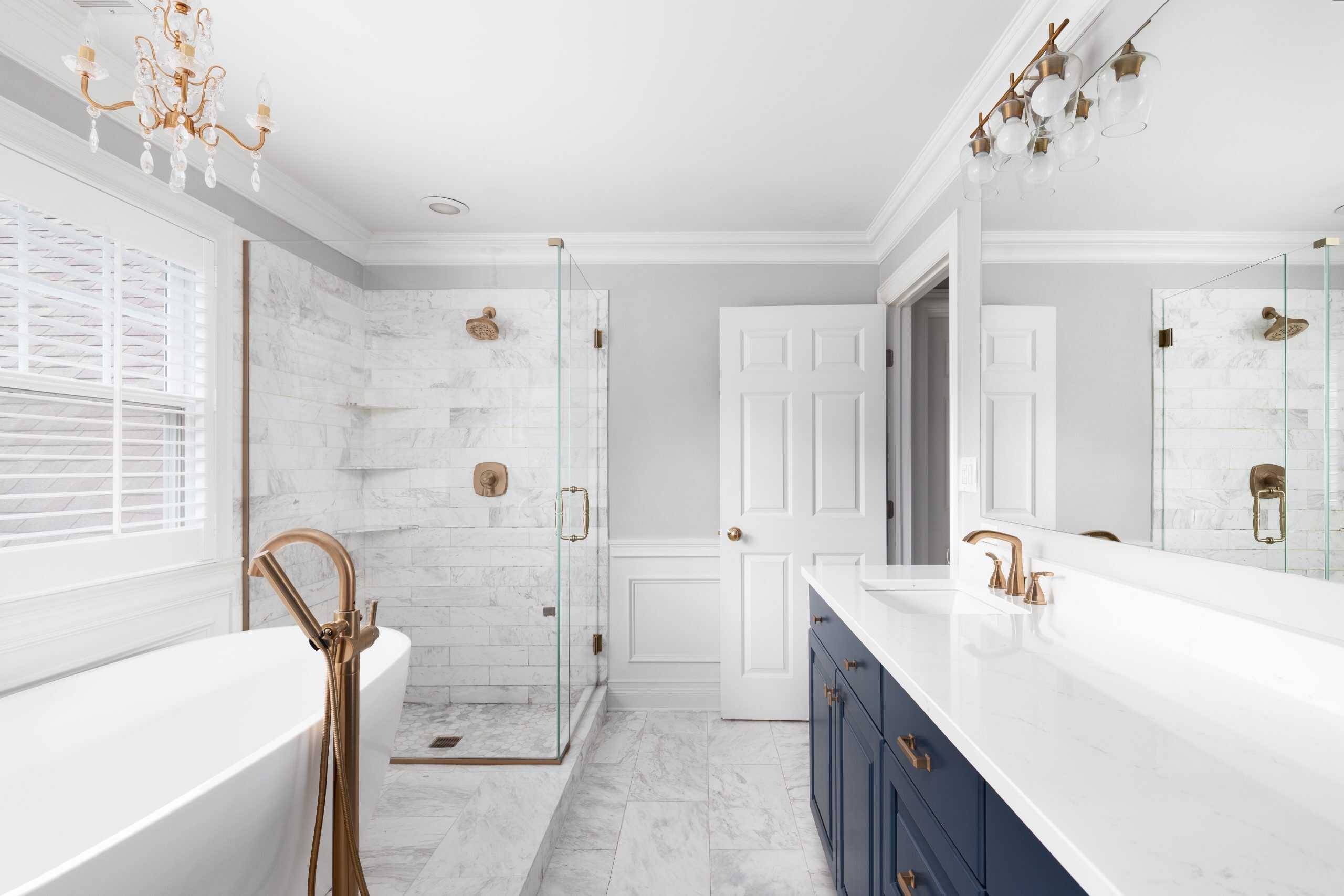
Your Pre-War Bathroom Deserves More Than a Quick Fix
Old pipes, board approvals, and tight timelines bathroom remodeling near the Hayden Planetarium comes with layers most contractors aren’t ready for. We are.
I needed a professional consultation explanation of procedure for safe removal of Asbestos in my apartment complex. Without having an account yet, I was very impressed with the caring, knowledgeable and generous advice offered by Jessica, and will look forward to doing business in the future. Thank you so much! I feel much more informed about a sometimes scary endeavor. Peace. Nancy Silva Mineola, NY.
Mia Munoz
Used this company to clean up some water flood in my house. They were fast and easy to work with.very professional, Would recommend to anyone!
Nini Valle
Great company, had a flood and they responded quickly and efficiently. Billed my insurance company directly. I highly recommend this company!
joe colapietro, jr
I had pipe freeze in my basement right before a snow storm and they made to within an hour to help start the clean up process. They we by our side throughout the entire process and even helped with the insurance company. They did such a great job with the cleanup, repair, remidiation, I contracted them to perform the repairs and finishes in the basement. They came with enough manpower and material to get the job done. Leo and Jessica were nothing but a pleasure to deal with!!
Cristian Arredondo c
I had some water damage in my home and Green Island was able to take care of my issue quickly and effectively. I am very pleased with the work they did. They responded quickly and were very professional.
Michael M
Outstanding service! From the office to the field crew everyone was friendly, helpful and responsive. I highly recommend Green Island Group.
A Bathroom That Finally Works For Your Building and Your Life
Living on the Upper West Side near Planetarium means your bathroom renovation isn’t just a home improvement project. It’s a process that involves your co-op board, your building’s alteration agreement, your neighbors, and the NYC Department of Buildings before a single tile comes off the wall. When that process is handled right, you get a finished bathroom that’s exactly what you envisioned. When it isn’t, you get delays, board rejections, and a project that stalls for months.
The buildings near Central Park West and the streets surrounding the Hayden Planetarium are predominantly pre-war construction built between 1900 and 1940. Behind those original walls, you’ll often find cast iron pipes, outdated wiring, and moisture damage that’s been quietly building for decades. A bathroom remodel here isn’t just cosmetic. It’s structural, it’s regulatory, and it requires someone who’s actually worked in these buildings before.
What you end up with on the other side is worth it. A bathroom that reflects the character of your building while delivering the kind of daily comfort heated floors, a proper shower, real storage that a space this age was never designed to offer. That’s the outcome. And getting there without the chaos is the part we focus on.
We Know What's Behind Those Pre-War Walls in Planetarium
We are a full-service remodeling and restoration contractor serving Manhattan and the surrounding area. We work in the kinds of buildings that line Central Park West and West End Avenue near Planetarium pre-war co-ops with strict boards, tight elevator schedules, and alteration agreements that most contractors have never even read. We have. We know what those documents require, and we build our process around them from day one.
What sets us apart in this market isn’t just the quality of the finished bathroom it’s the fact that we manage everything that happens before construction even starts. Permit filing, board package preparation, insurance certificates that meet your building’s specific requirements that’s all on us, not on you.
We also carry environmental remediation certifications, which matters more than most people realize. Demo in a pre-war Upper West Side apartment frequently uncovers mold, asbestos in old floor tile adhesive, or water damage behind original tile. We handle that in-house. No project halt, no scrambling for a separate contractor, no extra weeks added to your timeline.
From Board Approval to Final Walkthrough Here's the Reality
The first thing we do is assess your space not just the design, but the building context. What does your alteration agreement allow? Are there wet-over-dry restrictions that limit where fixtures can move? What does the plumbing configuration look like, and what will demo likely reveal? These aren’t questions most contractors ask upfront, but they’re the ones that determine whether your project runs smoothly or hits a wall three weeks in.
From there, we coordinate the full board approval package. That means working with a registered architect to produce the drawings your building requires, preparing your insurance certificates to name the co-op corporation as an additional insured, and submitting everything to your building management in the format they expect. The NYC DOB permit process for a bathroom remodel involving plumbing or electrical work typically runs two to six months for approval we plan your timeline around that reality, not around an optimistic guess.
Once permits are in hand and your board has signed off, construction begins. We schedule elevator time, protect common areas, and work within your building’s approved hours typically weekdays between 9 AM and 5 PM. Demolition, rough plumbing, electrical, waterproofing, tile, fixtures, and finish work all move in sequence, under one point of contact. When we do the final walkthrough with you, everything is permitted, inspected, and done.
Built for Manhattan Apartments, Not Suburban Showrooms
Bathroom remodeling in a pre-war Upper West Side apartment requires a different approach than what you’d find on a contractor’s standard service list. The fixtures are different, the spatial constraints are different, the regulations are different, and the expectations are different. Most bathrooms in buildings near the Hayden Planetarium are compact interior rooms no windows, limited square footage, and plumbing configurations that haven’t been touched in decades. We design around what’s actually there, not what would be easiest.
On the design side, we work with the full range of what 2025 renovation looks like in this market: rainfall showers, heated floors, wall-mounted fixtures, floating vanities, recessed medicine cabinets, and material choices marble, subway tile, natural stone that feel at home in a 1920s building without looking like a museum piece. The goal is a bathroom that’s genuinely comfortable and modern while respecting the architectural character of the space you’re in.
Every project includes full permit management, co-op board documentation, licensed plumbing and electrical work, waterproofing, tile installation, fixture sourcing, and final inspection coordination. If demo reveals mold, asbestos-containing materials, or hidden water damage which it does more often than not in pre-war construction we handle remediation in-house under our environmental certifications. You don’t get a call telling you to find someone else. You get a solution.
Do I need my co-op board's approval before starting a bathroom renovation near Planetarium?
Yes and this is usually the step that catches people off guard. Before any permitted work begins in a Manhattan co-op, you need your board’s written approval, a signed alteration agreement, and an NYC Department of Buildings permit for any work involving plumbing, electrical, or structural changes. The alteration agreement is a legally binding document between you and the co-op corporation. It governs everything from approved work hours to contractor insurance requirements to how common areas must be protected during construction.
Most Upper West Side co-op buildings near Planetarium including the pre-war buildings along Central Park West and the side streets near the American Museum of Natural History require contractors to provide comprehensive general liability insurance certificates naming the co-op corporation and management company as additional insureds. They also require proof of NYC contractor licensing before approving anyone to work in the building. We prepare all of this documentation as part of our process. You don’t have to figure out what your board needs we already know.
How long does a bathroom remodel actually take in a Manhattan apartment?
The honest answer is longer than most people expect but not because of the construction itself. The construction phase of a bathroom gut renovation typically runs four to eight weeks once work begins. The part that extends the timeline is everything that happens before that: board package submission, alteration agreement execution, and NYC DOB permit approval for work involving plumbing or electrical modifications.
For co-op apartments near the Hayden Planetarium and throughout the Upper West Side, the DOB permit approval process alone can take two to six months depending on the scope of work and current filing volume. We build that into your timeline from the first conversation so you’re not surprised six weeks in. If you’re planning a renovation around a move, a sale, or a specific date, the earlier you start the approval process, the better. We can begin the documentation and filing work well before construction is scheduled to start.
What is a wet-over-dry restriction, and does it affect my bathroom renovation?
A wet-over-dry restriction is a co-op board policy nearly universal in pre-war Manhattan buildings that prohibits moving a bathroom or kitchen (a “wet” room) to a position directly above a bedroom or living room (a “dry” room) in the unit below. The concern is water damage liability: if a relocated wet room develops a leak, the unit below bears the risk. Because of this, most Upper West Side co-op boards will not approve any renovation that moves plumbing fixtures outside of their existing footprint without significant structural and waterproofing justification.
In practical terms, this means your bathroom layout options may be more constrained than you’d expect. You can typically update everything within the existing bathroom footprint replace fixtures, retile, reconfigure the vanity, add a rainfall shower but relocating the toilet or tub to a different position in the room may require board review and architectural sign-off. We assess wet-over-dry restrictions during our initial walkthrough so your design doesn’t get built around a layout the board won’t approve.
What do bathroom renovations typically cost in the Upper West Side near Planetarium?
New York City construction costs run roughly 30 to 50 percent above the national average, and Upper West Side bathroom renovations near Planetarium reflect that. A full gut renovation of a primary bathroom everything removed, new plumbing, new electrical, new tile, new fixtures typically runs between $25,000 and $50,000 in this market. A high-quality cosmetic refresh, where the layout stays the same and you’re updating surfaces and fixtures without touching plumbing, generally falls in the $10,000 to $20,000 range. A full luxury master bathroom overhaul with premium materials and custom features can exceed $50,000 to $100,000.
If demo reveals hidden issues and in pre-war buildings it often does that affects the final number. Cloth wiring that needs replacement, original cast iron pipes that have to be updated, or mold remediation behind original tile are all real costs that surface during demolition. We assess your space before finalizing any estimate so the number we give you reflects what’s actually there. A bid that looks low on paper usually means those discoveries become surprises and surprises in Manhattan renovations are expensive.
What happens if demo uncovers mold or asbestos in my pre-war bathroom?
It’s more common than most people realize. Pre-war buildings throughout the Upper West Side including many of the buildings within a few blocks of the Hayden Planetarium on 81st Street were constructed with materials that are now known to contain asbestos, including floor tile adhesive, pipe insulation, and certain ceiling materials. Decades of steam heat and limited ventilation also create chronic moisture conditions that lead to mold growth behind original tile, particularly in interior bathrooms with no windows.
When a standard remodeling contractor hits one of these discoveries, the project stops. You’re told to find a licensed remediation company, coordinate a separate scope of work, wait for clearance testing, and then resume construction adding weeks to your timeline and a separate contractor to manage. We carry environmental remediation certifications, which means we handle mold and asbestos abatement in-house, under the same project umbrella. The work continues. Your timeline doesn’t fall apart. And the remediation is done correctly, with proper documentation for your building’s management and the NYC DOB.
Is Green Island Group familiar with the co-op buildings near the Hayden Planetarium specifically?
Yes. The buildings in the immediate vicinity of the Hayden Planetarium along Central Park West, West 81st Street, and the surrounding blocks are some of the most architecturally significant and board-regulated co-ops in Manhattan. Buildings like the Beresford at 211 Central Park West and the pre-war limestone buildings directly across from the American Museum of Natural History have detailed alteration agreements, specific insurance requirements, and boards that review contractor qualifications carefully before approving any renovation.
We work in buildings like these. We understand what their alteration agreements typically require, how their management offices prefer to receive documentation, and what the common physical conditions are inside apartments of this age and construction type. That familiarity isn’t incidental it’s what keeps your project from stalling at the approval stage or hitting an unexpected complication mid-construction. When you’re living a block from one of the most visited cultural landmarks in New York City, your contractor should know the neighborhood as well as you do.