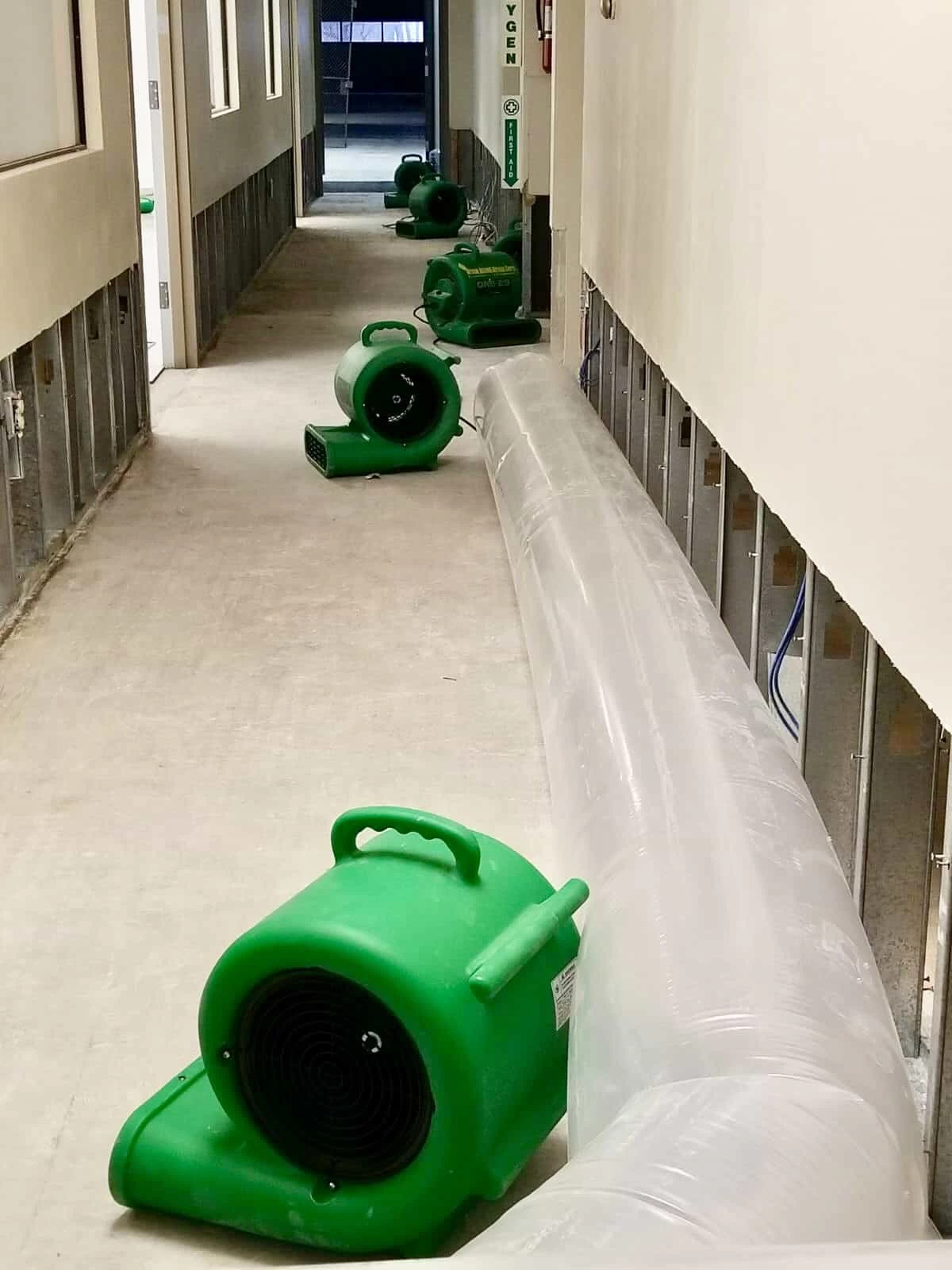
Most bathroom remodels in Corona stop at the tile. Yours shouldn’t not when the walls of a pre-war rowhouse can be hiding 40 years of moisture damage underneath.
I needed a professional consultation explanation of procedure for safe removal of Asbestos in my apartment complex. Without having an account yet, I was very impressed with the caring, knowledgeable and generous advice offered by Jessica, and will look forward to doing business in the future. Thank you so much! I feel much more informed about a sometimes scary endeavor. Peace. Nancy Silva Mineola, NY.
Mia Munoz
Used this company to clean up some water flood in my house. They were fast and easy to work with.very professional, Would recommend to anyone!
Nini Valle
Great company, had a flood and they responded quickly and efficiently. Billed my insurance company directly. I highly recommend this company!
joe colapietro, jr
I had pipe freeze in my basement right before a snow storm and they made to within an hour to help start the clean up process. They we by our side throughout the entire process and even helped with the insurance company. They did such a great job with the cleanup, repair, remidiation, I contracted them to perform the repairs and finishes in the basement. They came with enough manpower and material to get the job done. Leo and Jessica were nothing but a pleasure to deal with!!
Cristian Arredondo c
I had some water damage in my home and Green Island was able to take care of my issue quickly and effectively. I am very pleased with the work they did. They responded quickly and were very professional.
Michael M
Outstanding service! From the office to the field crew everyone was friendly, helpful and responsive. I highly recommend Green Island Group.
When a bathroom renovation is done properly in a pre-war or mid-century rowhouse the kind that lines the streets of North Corona the difference isn’t just cosmetic. You stop dealing with grout that stays damp, ventilation that does nothing, and fixtures that have been leaking slowly into the subfloor for years. The bathroom actually functions the way it should.
Corona’s housing stock is old. That’s not a complaint it’s just the reality of what you’re working with when your home was built between the 1920s and the 1950s. Old plumbing, inadequate ventilation, and tile that was installed before waterproofing was standard means moisture finds its way in. Queens summers are humid enough that a bathroom without proper airflow becomes a mold problem within a season or two.
The other thing that changes is the value of what you own. Median property values in the Elmhurst and Corona district hit $720,400 in 2024 up nearly 6% from the year before. A bathroom that’s been untouched since the 1980s is a drag on that number. One that’s been properly renovated, with real waterproofing and updated plumbing, protects what you’ve built and makes the home easier to sell when the time comes.
12 Years In Corona and Queens We Know What's Behind Those Walls
We’ve been working in Corona, Queens, and across New York for over 12 years. But what separates us from most bathroom remodeling companies isn’t the years it’s where we started. We built this company on environmental remediation, water damage restoration, and mold abatement. That means when we demo a bathroom in a Corona rowhouse near Roosevelt Avenue or off Junction Boulevard, we’re not guessing at what we might find. We’ve been inside these buildings long enough to know.
We’re NYS and NYC M/WBE certified, fully insured for both liability and workers’ compensation, and we hold active contracts with New York State government agencies including the NYS Office of General Services. That level of vetting isn’t something most local contractors can say. It means when you hire us, you’re working with a company that has been checked, documented, and held accountable at a level that goes well beyond a Yelp profile.
We also handle every trade in-house plumbing, electrical, tile, waterproofing, fixtures, and final cleanup. One company, one timeline, and one number to call if anything needs attention.
It starts with a walkthrough. We come to your home, look at the bathroom as it exists today, and give you an honest assessment what needs to be replaced, what can stay, and what we might find once demolition begins. In a Corona rowhouse, that last part matters. Galvanized pipes, asbestos-containing floor tile, and moisture damage behind the walls are common in homes built before 1960, and we hold the certifications to handle all of it legally and safely without stopping the project.
From there, we handle the permitting. Most bathroom renovations in New York City require an ALT-2 permit filed through the NYC Department of Buildings, and the process typically takes one to three months depending on scope. We manage that process entirely the filings, the coordination with licensed design professionals, and the inspections. You don’t need to learn how the DOB works. That’s our job.
Once permits are approved, the work begins in a clear sequence: demolition, plumbing and electrical, waterproofing, tile and fixtures, and final cleanup. We work clean, we communicate daily, and we don’t disappear between visits. When we’re done, the bathroom is finished not almost finished.
A full bathroom renovation with us covers every part of the job: demolition, plumbing system upgrades, electrical improvements, commercial-grade waterproofing, custom tile work, fixture installation, ventilation, and complete cleanup when the work is done. If smart home features or high-efficiency toilets are part of what you want, those are included too. Nothing gets handed off to a subcontractor you’ve never met.
For Corona homeowners specifically, the waterproofing component isn’t optional it’s the foundation of everything else. The attached rowhouses and multi-unit buildings throughout the neighborhood share walls, floors, and plumbing stacks. A bathroom that isn’t properly sealed doesn’t just damage your unit it can migrate moisture into a neighbor’s ceiling or wall. We install waterproofing systems that are built for exactly this kind of dense urban construction, not the kind of membrane that gets rolled on and forgotten.
If cost is a factor and in a neighborhood where a full bathroom renovation in NYC can run anywhere from $35,000 to $90,000 or more we offer financing up to $200,000 with 0% APR options available. That means the project you’ve been putting off because of the upfront number doesn’t have to stay on hold. We also back every job with a 100% Satisfaction Guarantee, in writing.
Do I need a permit to remodel a bathroom in Corona, NY?
Yes in almost every case. If your renovation involves relocating a plumbing fixture, adding an electrical outlet, modifying ventilation, or touching any building system, you’ll need to file an Alteration Type 2 permit with the NYC Department of Buildings. That filing has to be prepared and submitted by a licensed Professional Engineer or Registered Architect, not just a contractor.
The permit process in New York City typically takes one to three months, and that timeline is something you want to plan around not be surprised by mid-project. In Corona’s attached rowhouses and multi-unit buildings, unpermitted work carries real risk. If a neighbor or a future buyer’s inspector flags the work, you could face stop-work orders, fines, or be required to undo completed renovations. We handle all permitting and DOB coordination as part of every project, so you’re not navigating that process alone.
How much does a bathroom renovation typically cost in Queens, NY?
For a full bathroom renovation in the New York City metro area, you’re generally looking at somewhere between $35,000 and $90,000 depending on the scope, the materials you choose, and what gets discovered once demolition begins. In a Corona rowhouse where the plumbing hasn’t been touched in decades, it’s not unusual for the original estimate to shift once old galvanized pipes or moisture damage behind the tile comes into view.
That’s not a contractor trying to upsell you it’s just the reality of renovating older homes. The best way to protect yourself is to work with a contractor who will tell you upfront what they might find and how they’d handle it, rather than one who gives you the lowest number to win the job and figures out the rest later. We give you an honest walkthrough before anything starts, and if something unexpected comes up during demo, we talk through it with you before moving forward.
What should I do if mold is found during my bathroom renovation in Corona?
Stop, assess, and handle it correctly don’t tile over it. Mold found during a bathroom renovation in a pre-war Corona rowhouse is more common than most homeowners expect, especially in bathrooms where ventilation has been poor and grout has been cracking for years. Queens summers push indoor humidity well above 60%, which is the threshold where mold growth accelerates significantly. In a bathroom that hasn’t been properly ventilated or waterproofed, the conditions behind the wall can be far worse than what you see on the surface.
We hold environmental remediation and mold abatement certifications, which means if mold is found during your project, we can handle it in-house legally, safely, and without stopping the job to bring in a separate company. That’s a meaningful difference from a standard remodeling contractor who either misses it, skips it, or has to pause the entire project while they coordinate a remediation subcontractor. We’ve been doing this kind of work in Corona and across NYC buildings for over 12 years, and it’s exactly the scenario our background was built for.
How long does a bathroom remodel take from start to finish in NYC?
The honest answer is that it depends heavily on permitting. The physical renovation work demolition through final cleanup typically takes two to four weeks for a full bathroom remodel. But in New York City, the permitting process through the Department of Buildings adds one to three months before construction can begin, depending on project scope and the review queue at the time of filing.
For Corona homeowners, the smart move is to start the process earlier than you think you need to. If you want a finished bathroom by spring, you shouldn’t be calling a contractor in March. Factor in the permitting timeline, the design and material selection process, and the scheduling lead time for a quality contractor, and you’re looking at a project that benefits from being planned four to six months in advance. We’ll give you a realistic timeline at the start not an optimistic one designed to get you to sign.
Can a bathroom renovation in a Corona rowhouse affect my neighbors?
It can, and that’s exactly why the work needs to be done correctly. Corona’s rowhouses and attached brick homes share walls, floors, and in many cases, plumbing stacks that run through multiple units. If a bathroom renovation isn’t properly waterproofed, moisture can migrate through shared building assemblies and show up as a stain on a neighbor’s ceiling or a wet wall in the unit next door. That creates liability, neighbor disputes, and potentially a second remediation project on top of the one you just finished.
This is one of the reasons we install commercial-grade waterproofing on every project not as an upgrade, but as a standard part of the work. It’s also why permitting matters in attached buildings. Permitted work is inspected, documented, and legally defensible. Unpermitted work in a shared building is a risk to you and everyone around you. We’ve been working in Corona’s dense urban housing stock long enough to understand the stakes, and we build accordingly.
Does Green Island Group offer financing for bathroom remodels in Corona?
Yes and for most Corona homeowners, it’s worth understanding what’s available before you assume the project is out of reach. We offer financing up to $200,000, with 0% APR options depending on the program and your situation. That means a $30,000 bathroom renovation can become a manageable monthly payment rather than a lump sum you have to pull from savings all at once.
Corona is a neighborhood where families have put real work into building something and where home values have climbed steadily, with the median now sitting above $720,000 in the broader district. The gap between wanting a renovated bathroom and being able to write a check for it today is real, and financing bridges that gap. We’ll walk you through the options at the start of the conversation, not after you’ve already committed to a scope. The goal is to make sure you know what’s possible before you decide what to do.