Sunnyside's Prewar Bathrooms Need More Than a Fresh Coat
When your bathroom is sitting on 80-year-old plumbing and tile set over materials that have been absorbing moisture for decades, the last thing you need is a contractor who just covers it up. We do this the right way from the wall cavity out.
I needed a professional consultation explanation of procedure for safe removal of Asbestos in my apartment complex. Without having an account yet, I was very impressed with the caring, knowledgeable and generous advice offered by Jessica, and will look forward to doing business in the future. Thank you so much! I feel much more informed about a sometimes scary endeavor. Peace. Nancy Silva Mineola, NY.
Mia Munoz
Used this company to clean up some water flood in my house. They were fast and easy to work with.very professional, Would recommend to anyone!
Nini Valle
Great company, had a flood and they responded quickly and efficiently. Billed my insurance company directly. I highly recommend this company!
joe colapietro, jr
I had pipe freeze in my basement right before a snow storm and they made to within an hour to help start the clean up process. They we by our side throughout the entire process and even helped with the insurance company. They did such a great job with the cleanup, repair, remidiation, I contracted them to perform the repairs and finishes in the basement. They came with enough manpower and material to get the job done. Leo and Jessica were nothing but a pleasure to deal with!!
Cristian Arredondo c
I had some water damage in my home and Green Island was able to take care of my issue quickly and effectively. I am very pleased with the work they did. They responded quickly and were very professional.
Michael M
Outstanding service! From the office to the field crew everyone was friendly, helpful and responsive. I highly recommend Green Island Group.
Most bathroom renovations in Sunnyside don’t fail because of bad tile choices. They fail because whoever did the work never dealt with what was behind the walls. In a neighborhood where more than half the housing stock was built before 1950, that’s not a small detail it’s the whole job. Corroded galvanized pipes, moisture-damaged plaster, decades of mold growing behind original subway tile that was never properly waterproofed. When those things get ignored, you’re not getting a renovation. You’re getting a delay.
When the work is done correctly, you get a bathroom that actually functions the way it should proper waterproofing, updated plumbing, code-compliant electrical, and finishes that hold up in a dense urban building where shared walls and shared plumbing stacks mean one leak can become three units’ problem. That’s the difference between a cosmetic patch and a real gut renovation.
If you’re in one of the prewar co-op buildings south of Queens Boulevard, or a row house in the Sunnyside Gardens Historic District, you’re also dealing with building-specific conditions that most contractors aren’t prepared for. The age of the structure, the way moisture moves through these buildings over time, the infrastructure that hasn’t been touched in 40 or 50 years all of it matters. Getting it right the first time isn’t just about aesthetics. It’s about not doing this again in five years.
We’ve been working in Sunnyside for years not just on bathroom renovations, but on water damage restoration and mold remediation in the same prewar buildings you live in. That means when we open up a bathroom wall in a co-op off Queens Boulevard or a row house near Sunnyside Gardens Park, we’re not guessing at what we might find. We’ve already seen it.
Over 12 years operating across Queens and the broader NYC metro area, we’ve built a track record that goes well beyond residential work. We hold NYS and NYC M/WBE certification, carry full general liability insurance and workers’ compensation coverage, and have worked with state agencies including the NYS Office of General Services and the Dormitory Authority of the State of New York. That level of accountability doesn’t stay at the job site door it comes with us into every bathroom we renovate.
If your co-op board needs documentation before approving a contractor, we have it. If your building has aging infrastructure that needs to be addressed before new materials go in, we know how to handle it. That’s not a sales pitch it’s just what 12 years of doing this work in buildings like yours looks like.
It starts with a walkthrough. Before anything is quoted or scheduled, we look at the space not just the surface, but the plumbing configuration, the ventilation, the condition of the walls and floor. In Sunnyside’s older buildings, that assessment matters more than it does almost anywhere else. What looks like a straightforward tile replacement can turn into a conversation about galvanized pipes or a moisture-compromised subfloor the moment we get a closer look. Better to know that upfront than mid-project.
From there, you get a written, itemized estimate. No vague line items. No “we’ll figure it out as we go.” If there are variables things that could change the scope depending on what we find during demolition we tell you what they are and what they’d cost before we start. If your building requires co-op board approval, we provide the insurance certificates, scope documentation, and whatever else the board needs. That process can add a few weeks of lead time, so we factor it into the schedule from the beginning.
Once work starts, we handle everything: demolition, plumbing, electrical, waterproofing, tile, fixtures, and final cleanup. All trades are coordinated under one point of contact. You’re not managing a schedule or chasing down subcontractors. We pull the required NYC Department of Buildings permits for any plumbing or electrical changes, and all licensed trade work is done by licensed professionals as required for any permitted renovation in a New York City multi-unit building.
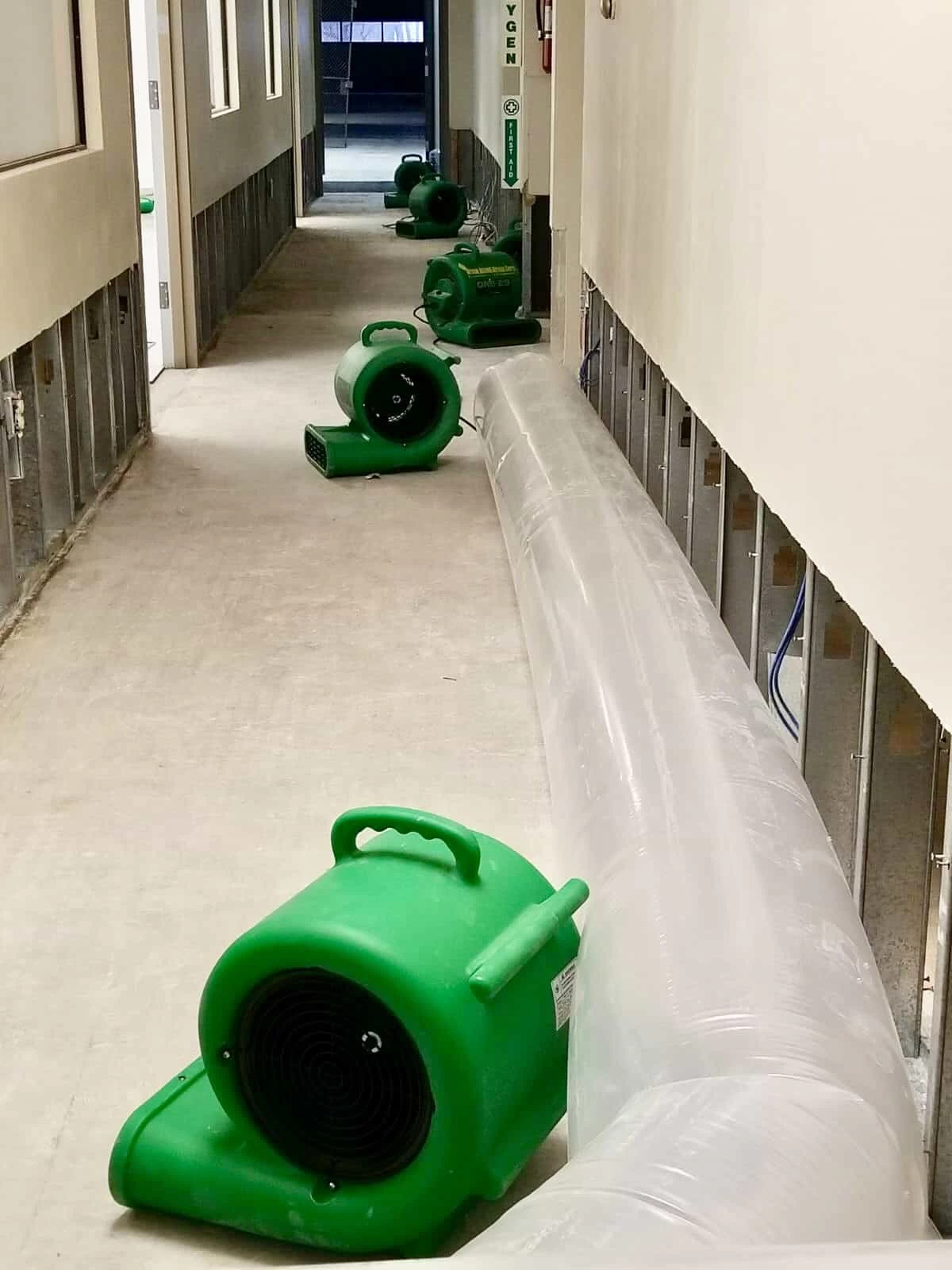
A bathroom renovation in a Sunnyside co-op or prewar row house isn’t the same job it would be in a newer suburban home. The scope almost always includes more than what’s visible. Full gut demolition down to the studs. Plumbing upgrades from galvanized or cast-iron to modern supply lines. Proper waterproofing membrane installation behind tile not just mastic and a prayer. Electrical brought to current code. Ventilation that actually moves moisture out of the space instead of letting it sit in the wall cavity for another decade.
On the finish side, the range is wide. Frameless glass shower enclosures, floating vanities, heated floors, recessed lighting, custom tile layouts, and smart fixture integration are all part of what we do. If you’re in the Sunnyside Gardens Historic District, we approach the structural decisions with the building’s historic context in mind interior renovations don’t typically require Landmarks Preservation Commission review, but the choices made inside a contributing building still matter, and we treat them accordingly.
We offer financing up to $200,000 at 0% APR for qualified customers, along with traditional home improvement loan options. For a full gut renovation in western Queens where costs typically run between $18,000 and $74,000 depending on scope and finishes that flexibility makes a real difference. Every project is backed by a 100% Satisfaction Guarantee with a formal quality control process, not just a verbal commitment.
Do I need co-op board approval to renovate my bathroom in Sunnyside?
In most cases, yes. If you own a unit in one of Sunnyside’s prewar co-op buildings and a large share of the housing stock south of Queens Boulevard falls into that category your board will need to approve the renovation before work begins. That typically means submitting a scope of work, proof of general liability insurance, a certificate of workers’ compensation coverage, and sometimes a signed alteration agreement. The process can add anywhere from a few weeks to a couple of months depending on how frequently your board meets and how quickly they review submissions.
The practical implication is that you shouldn’t hire a contractor who can’t produce proper insurance documentation on request. An uninsured or underinsured contractor working in your building creates personal liability for you as the unit owner, and most boards will catch it before work starts anyway. We provide all required documentation for co-op board submission as a standard part of how we work it’s not an extra step, it’s just how renovations in Sunnyside buildings get done correctly.
How much does a full bathroom renovation typically cost in Sunnyside, NY?
For a full gut renovation in Sunnyside and western Queens, you’re generally looking at a range of $18,000 to $74,000 depending on the size of the space, the condition of what’s behind the walls, and the level of finishes you choose. NYC labor rates run higher than national averages licensed plumbers in the city charge $150 to $250 per hour, and licensed electricians run $125 to $200 per hour. Add in DOB permit fees, which typically range from $500 to $3,000 for a permitted bathroom alteration, and the numbers add up quickly.
In Sunnyside’s older buildings specifically, the cost can trend toward the higher end of that range when aging infrastructure needs to be addressed before new materials go in. Galvanized supply lines that are 70 or 80 years old, moisture-damaged wall cavities, or original cast-iron plumbing that needs to be updated these are common discoveries in prewar buildings, and they’re better priced into the estimate upfront than treated as surprises mid-project. We offer financing up to $200,000 at 0% APR for qualified customers, which makes the full scope of the project more manageable without cutting corners to hit a lower number.
What permits are required for a bathroom renovation in a New York City building?
Any bathroom renovation that involves moving or adding plumbing relocating a drain, adding a fixture, rerouting supply lines requires a Standard Alteration permit from the NYC Department of Buildings. The same applies to electrical work that goes beyond simple fixture swaps. These aren’t optional in a multi-unit building, and they’re not something a legitimate contractor will skip. Unpermitted plumbing or electrical work in a co-op creates real problems when you go to sell the unit, and in some cases it can trigger issues with your building’s insurance coverage.
All plumbing work on a permitted NYC renovation must be performed by a licensed master plumber, and all electrical work requires a licensed electrician. There are no DIY exceptions for permitted work in multi-unit residential buildings. We handle the permit applications as part of the project you don’t need to navigate the DOB process on your own. Permit fees are factored into your estimate from the start so there are no surprises when the paperwork comes through.
Can I renovate a bathroom in a Sunnyside Gardens historic district home?
Interior bathroom renovations in Sunnyside Gardens generally do not require review or approval from the NYC Landmarks Preservation Commission. The LPC’s jurisdiction in the district primarily covers exterior modifications changes to facades, windows, stoops, rear additions, and the like. So if you’re gutting a bathroom inside your row house and updating the plumbing, tile, and fixtures, you’re typically not in LPC territory.
That said, if your renovation involves any work that touches exterior walls, windows, or the structural envelope of the building, that’s a different conversation and worth confirming with the LPC before work begins. Sunnyside Gardens was designated a New York City Landmark Historic District in 2007 and listed on the National Register of Historic Places in 1984 it’s one of a small number of neighborhoods in the country with both designations. Working in a contributing building in that district means the structural decisions made during a gut renovation carry more weight than they would in a standard Queens co-op, and we approach them accordingly.
How long does a bathroom renovation take in a Sunnyside co-op or apartment?
For a full gut renovation in a Sunnyside co-op, the construction phase typically runs two to four weeks once work is underway. The total timeline from first conversation to completed bathroom is longer, because you need to account for co-op board approval, permit processing at the NYC Department of Buildings, and material lead times for tile, fixtures, and specialty items. Realistically, you’re looking at six to twelve weeks from start to finish depending on how quickly the board moves and whether any unexpected conditions are found during demolition.
The most common cause of timeline extension in Sunnyside’s older buildings is discovering something during demo that wasn’t visible beforehand moisture damage in the wall cavity, pipes that need replacement, or a subfloor that has to be addressed before new tile can go down. We try to flag the most likely scenarios during the initial walkthrough so they’re already part of the plan rather than a mid-project disruption. Spring tends to be the busiest booking season, so if you’re planning a renovation for warmer months, getting the process started earlier in the year gives you more scheduling flexibility.
What should I look for when hiring a bathroom contractor in Sunnyside, NY?
The first thing to verify is insurance specifically, both general liability and workers’ compensation coverage. In Sunnyside’s co-op buildings, your board will require proof of both before approving a contractor. But even in a private row house, working with an uninsured contractor means you’re carrying the risk if something goes wrong on site. Ask for certificates of insurance before you sign anything, and make sure the coverage amounts are real, not nominal.
Beyond insurance, look for a contractor who has actual experience in prewar New York City buildings not just general remodeling experience. The conditions inside a 1930s or 1940s Sunnyside co-op are different from a newer construction home. Aging plumbing, moisture-compromised wall cavities, original electrical that hasn’t been touched in decades a contractor who hasn’t worked in buildings like these will either miss the problems or not know how to handle them when they come up. Ask specifically whether they’ve done bathroom renovations in prewar Sunnyside buildings, whether they pull their own permits, and whether all trade work is done by licensed professionals. Those three questions alone will tell you a lot about who you’re actually dealing with.