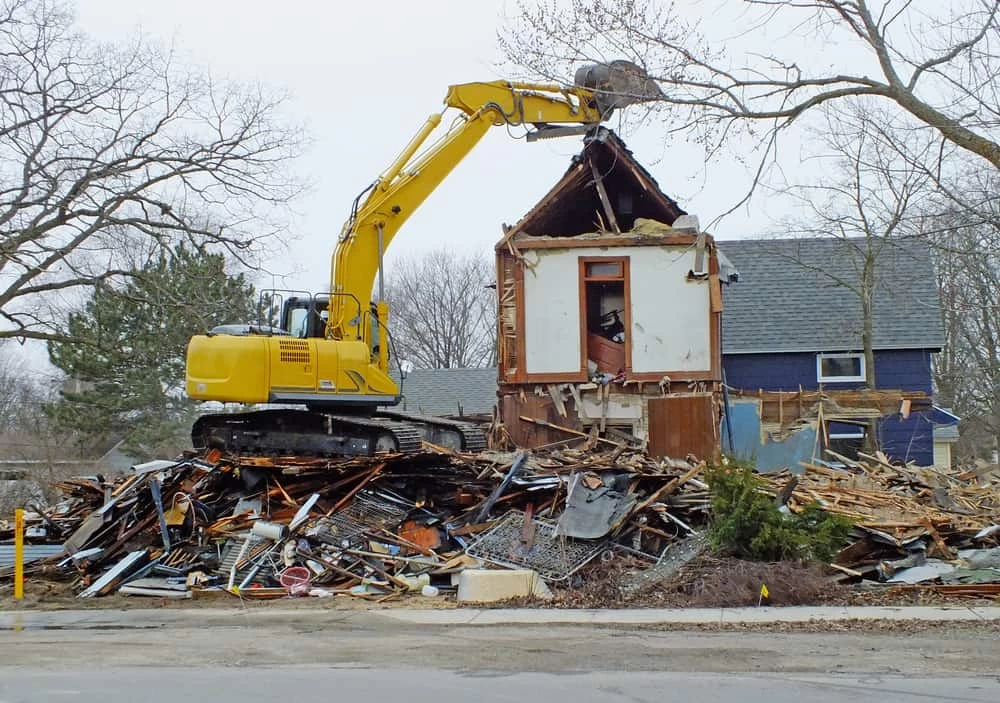
Most homes in Bayside Hills were built before 1960. When it’s time to tear one down, you need a contractor who knows exactly what’s inside them and how to handle it legally.
I needed a professional consultation explanation of procedure for safe removal of Asbestos in my apartment complex. Without having an account yet, I was very impressed with the caring, knowledgeable and generous advice offered by Jessica, and will look forward to doing business in the future. Thank you so much! I feel much more informed about a sometimes scary endeavor. Peace. Nancy Silva Mineola, NY.
Mia Munoz
Used this company to clean up some water flood in my house. They were fast and easy to work with.very professional, Would recommend to anyone!
Nini Valle
Great company, had a flood and they responded quickly and efficiently. Billed my insurance company directly. I highly recommend this company!
joe colapietro, jr
I had pipe freeze in my basement right before a snow storm and they made to within an hour to help start the clean up process. They we by our side throughout the entire process and even helped with the insurance company. They did such a great job with the cleanup, repair, remidiation, I contracted them to perform the repairs and finishes in the basement. They came with enough manpower and material to get the job done. Leo and Jessica were nothing but a pleasure to deal with!!
Cristian Arredondo c
I had some water damage in my home and Green Island was able to take care of my issue quickly and effectively. I am very pleased with the work they did. They responded quickly and were very professional.
Michael M
Outstanding service! From the office to the field crew everyone was friendly, helpful and responsive. I highly recommend Green Island Group.
A Clear Lot, Zero Permit Surprises, Nothing Left Behind
Bayside Hills is one of those neighborhoods where homes have been in the same family for 40 or 50 years. When those properties finally hit the market or when a flood pushes the decision the demolition process can feel overwhelming fast. Permits, asbestos surveys, DEP notifications, neighbor concerns. It stacks up. What you actually want is someone who can manage the whole thing without you having to chase paperwork or coordinate between three different contractors.
Every home in Bayside Hills was built well before the 1987 cutoff that triggers New York City’s mandatory asbestos assessment requirement. That’s not a maybe it’s every project. And because almost all of them also predate 1978, lead paint is part of the equation too. When those materials are handled in-house by a certified contractor rather than subcontracted out, your timeline stays intact and your liability doesn’t.
After the July 2025 flash flood that dropped over six inches of rain in two hours and left streets near 217th Street underwater, a lot of Bayside Hills homeowners found themselves dealing with structurally compromised homes and active insurance claims at the same time. That’s a different kind of demolition project urgent, insurance-driven, emotionally charged. We’ve handled exactly that scenario, and we bill insurance directly so you’re not stuck in the middle.
We’ve been operating across New York City and Long Island for over 12 years, completing more than 5,000 demolition and remediation projects. We work in all five boroughs, which means we know the NYC DOB permit process, the DEP asbestos notification rules, and what Queens inspectors actually look for not because we read about it, but because we’ve been through it thousands of times.
Bayside Hills sits within Queens Community Board 11, and the neighborhood has its own character tight lots, close neighbors, a civic association that’s been protecting residential standards since 1938. We work in neighborhoods like this regularly. We understand that a job site here isn’t just a property it’s someone’s block, and the people on that block are paying attention.
We hold NYS DOL certification for asbestos abatement and carry the credentials to handle the full ACP-5 process that’s required before any demolition permit gets issued in New York City. One call covers the survey, the permits, the abatement if needed, and the demolition itself.
From First Call to Clear Lot Here's the Honest Walkthrough
It starts with a site assessment. Someone comes out, walks the property, and gives you a clear picture of what the job actually involves including whether asbestos or lead materials are present, which in Bayside Hills is almost always a yes given the age of the housing stock. That assessment drives the estimate, and the estimate covers everything: the survey, the permit applications, abatement if required, the demolition, debris removal, and final site clearance. No line items that appear later.
From there, the permitting process begins. In New York City, a demolition permit requires an ACP-5 form submission to the NYC Department of Buildings before anything can move forward. That form comes from a DEP-certified asbestos investigator which we have in-house. The NYC DEP also requires at least seven days’ notice before any abatement work starts. Typical permit approval runs four to eight weeks, so starting that process early matters, especially if you’re working against a construction or closing timeline.
Once permits are approved and any abatement is complete, the physical demolition moves quickly. Our crew handles structural takedown, debris loading, and site cleanup with dust containment and protection for adjacent properties something that matters when your neighbors are 20 feet away and the Bayside Hills Civic Association is the kind of organization that notices. When the job is done, you get a cleared, documented lot ready for whatever comes next.
Full Teardowns, Selective Demo, and Everything the NYC Process Requires
We handle full house demolition, partial and selective demolition, interior gut-outs, and structural removal all within the NYC regulatory framework that applies to every property in Bayside Hills. Because we’re operating inside New York City limits, not Nassau or Suffolk County, the rules are different here. The ACP-5 process, the DEP notification requirements, the DOB permit structure these are NYC-specific, and they require a contractor who actually knows them.
For full teardowns, the scope includes the asbestos survey and ACP-5 filing, all DOB permit applications, certified abatement of any hazardous materials found, complete structural demolition, debris removal, and final site clearance. For selective or interior demolition common in Bayside Hills homes that haven’t been touched in decades the same asbestos and lead protocols apply, just scoped to the affected areas. Either way, you’re not managing multiple vendors or wondering who’s responsible for what.
If your project is insurance-driven flood damage, fire, storm we bill insurance carriers directly and have experience navigating the documentation those claims require. For Bayside Hills homeowners who’ve been through Hurricane Ida or the more recent flooding events, that capability is worth knowing about before you start making calls. The goal is a straightforward process from first contact to final sign-off, regardless of how the project started.
Do I need a permit to demolish a house in Bayside Hills, NY?
Yes and in New York City, the permit process involves more steps than most people expect. Before the NYC Department of Buildings will issue a demolition permit, you need to submit an ACP-5 form, which certifies that a licensed asbestos investigator has assessed the property. In Bayside Hills, where virtually every home was built before the 1987 cutoff, this step is required on every single project without exception.
Beyond the asbestos assessment, you’ll need a safety plan, a dust control plan, and neighbor notification as part of the DOB application. Permit approval typically takes four to eight weeks, and permit fees in New York City can reach $10,000 or more depending on project scope. Starting the permit process early before you’ve committed to a demolition date is one of the most important things you can do to keep the project on schedule.
What happens with asbestos before a demolition in Bayside Hills?
Any building constructed before April 1, 1987 requires a certified asbestos assessment before the NYC DOB will process a demolition permit. That means a DEP-Certified Asbestos Investigator surveys the property, identifies any asbestos-containing materials, and files the ACP-5 form with the DOB. In Bayside Hills, where the housing stock is primarily from the 1940s and 1950s, asbestos is commonly found in pipe insulation, floor tiles, ceiling tiles, roofing materials, and joint compound.
If asbestos is found, a licensed abatement contractor must remove it before demolition begins. The NYC DEP requires at least seven days’ advance notification before abatement work starts, and once the work is complete, an ACP-21 form gets filed with the DEP to document project completion. When your demolition contractor handles the survey, abatement, and DEP filings in-house rather than coordinating with a separate abatement company you avoid the scheduling gaps and cost markups that come with splitting the work between vendors.
How much does house demolition cost in Queens, NY?
For a standard single-family home, demolition costs in New York City typically run higher than national averages because of the permitting requirements, asbestos handling, and debris disposal costs specific to the city. Nationally, the range is roughly $6,000 to $25,000 for a 2,000-square-foot home. In NYC, you need to factor in DOB permit fees that can reach $10,000 to $12,000 on their own, plus the cost of the asbestos survey and abatement if materials are found which in Bayside Hills is more likely than not given the age of the housing stock.
The honest answer is that a complete, compliant demolition project in Bayside Hills including permits, asbestos handling, debris removal, and site clearance is a significant investment. What you want to avoid is a low estimate that doesn’t include those line items, because they don’t disappear just because they weren’t quoted upfront. A transparent contractor gives you one number that covers the full scope so you’re not caught off guard mid-project.
My Bayside Hills home flooded can demolition be covered by insurance?
In many cases, yes. When a flood or storm event causes structural damage significant enough to require demolition compromised foundations, collapsed walls, severe mold infiltration homeowners insurance or flood insurance policies can cover demolition costs as part of the overall claim. The key is proper documentation: the insurer needs to see damage assessments, photographs, and often a contractor’s written scope of work before they’ll approve the demolition portion of the claim.
Bayside Hills has experienced several severe flooding events in recent years, including Hurricane Ida in 2021 and the July 2025 flash flood that caused significant structural damage across the neighborhood. If you’re dealing with an active claim, having a contractor who can work directly with your insurance carrier and who understands what documentation the claims process requires makes a real difference. We bill insurance companies directly and have handled insurance-driven demolition projects before, which means you’re not stuck translating between your contractor and your adjuster.
How long does a full house demolition take from start to finish?
The physical demolition of a single-family home typically takes one to three days once work begins. The longer part of the timeline is everything that happens before the crew arrives the asbestos survey, the permit applications, DEP notifications, and permit approval from the NYC DOB. In New York City, that process generally takes four to eight weeks from the time you submit the permit application. If asbestos abatement is required, that adds additional time depending on the scope of materials found.
For Bayside Hills homeowners working against a construction start date or a real estate closing, understanding that timeline upfront is critical. The best way to avoid delays is to start the permitting process as early as possible ideally before you’ve set a firm demolition date. A contractor who handles the permit paperwork in-house can move faster than one who relies on the homeowner to coordinate with a separate abatement company or permit expediter.
Is selective or interior demolition different from a full teardown in NYC?
Yes, and the distinction matters both for scope and for permitting. A full demolition takes the entire structure down to the foundation. Selective or interior demolition removes specific portions of a building walls, floors, ceilings, structural elements while leaving the rest of the structure intact. Both types of work require NYC DOB permits, and both trigger the asbestos assessment requirement if the building predates April 1, 1987.
In Bayside Hills, interior demolition comes up frequently in renovation projects involving homes that haven’t been updated in 40 or 50 years. These gut-outs almost always involve asbestos and lead paint in the disturbed materials, which means the same certified protocols apply regardless of whether you’re tearing down the whole house or just opening up a floor plan. The permit and abatement requirements don’t scale down just because the scope does they apply to any work that disturbs building materials in a pre-1987 structure in New York City. Knowing that going in saves a lot of frustration.