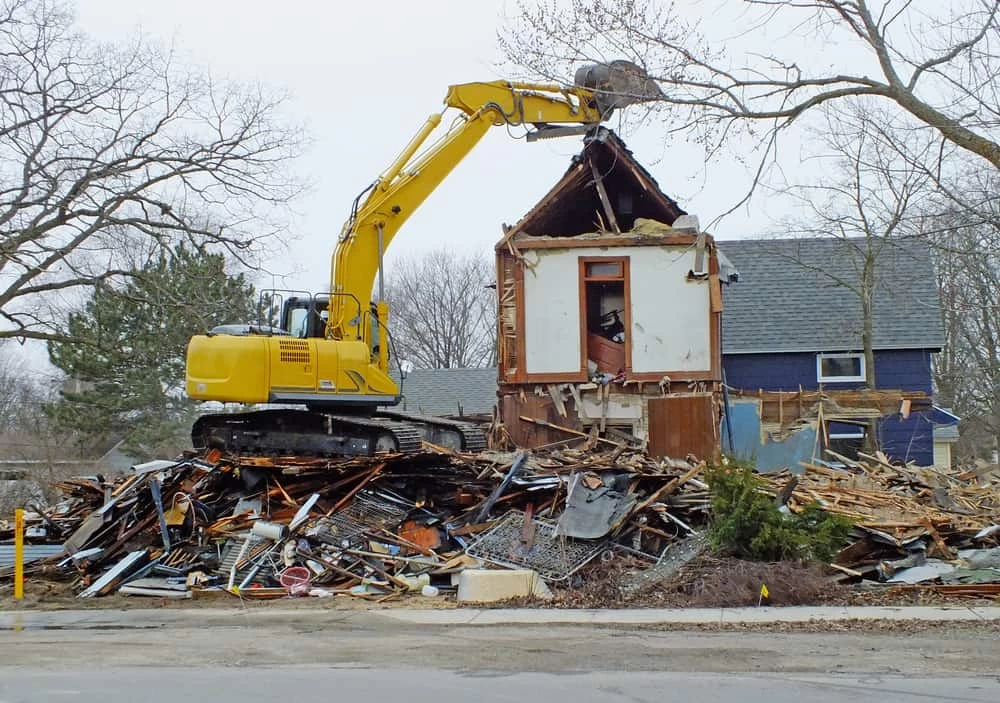
House demolition in Broad Channel comes with layers most contractors aren’t ready for flood zones, asbestos, a single access road, and a permit process that doesn’t forgive shortcuts. We handle all of it.
I needed a professional consultation explanation of procedure for safe removal of Asbestos in my apartment complex. Without having an account yet, I was very impressed with the caring, knowledgeable and generous advice offered by Jessica, and will look forward to doing business in the future. Thank you so much! I feel much more informed about a sometimes scary endeavor. Peace. Nancy Silva Mineola, NY.
Mia Munoz
Used this company to clean up some water flood in my house. They were fast and easy to work with.very professional, Would recommend to anyone!
Nini Valle
Great company, had a flood and they responded quickly and efficiently. Billed my insurance company directly. I highly recommend this company!
joe colapietro, jr
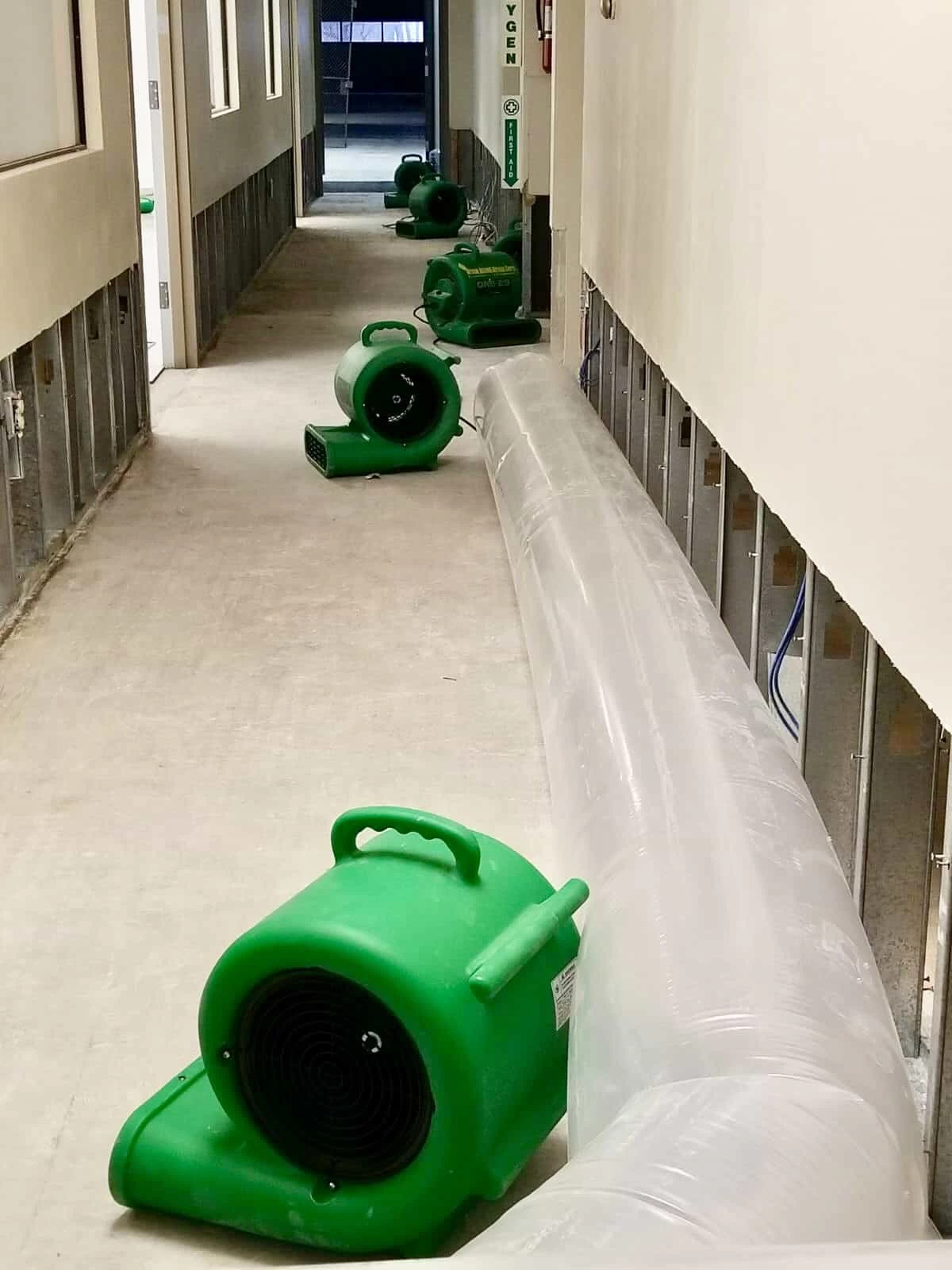
I had pipe freeze in my basement right before a snow storm and they made to within an hour to help start the clean up process. They we by our side throughout the entire process and even helped with the insurance company. They did such a great job with the cleanup, repair, remidiation, I contracted them to perform the repairs and finishes in the basement. They came with enough manpower and material to get the job done. Leo and Jessica were nothing but a pleasure to deal with!!
Cristian Arredondo c
I had some water damage in my home and Green Island was able to take care of my issue quickly and effectively. I am very pleased with the work they did. They responded quickly and were very professional.
Michael M
Outstanding service! From the office to the field crew everyone was friendly, helpful and responsive. I highly recommend Green Island Group.
When a house in Broad Channel needs to come down, the project rarely starts with the wrecking bar. It starts with paperwork, surveys, and regulatory checkboxes that most homeowners don’t know exist until something goes wrong. Getting the right contractor from the beginning means you’re not scrambling to fix a stop-work order three weeks in.
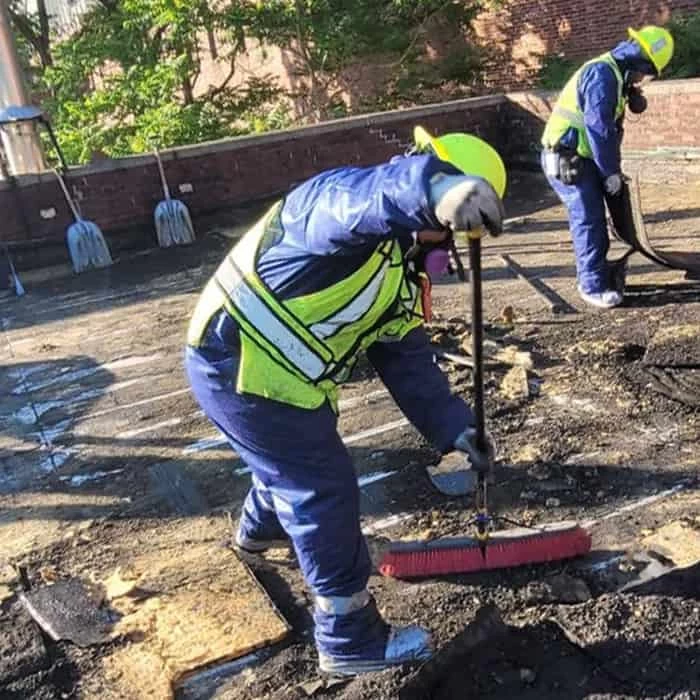
Because virtually every home on this island was built before 1978, asbestos is almost always part of the picture. That’s not a worst-case scenario here it’s the baseline. When your demolition contractor is also a certified asbestos abatement company, you skip the back-and-forth between two separate crews and two separate permit tracks. One team handles the survey, the abatement, and the teardown. That’s fewer delays, fewer coordination headaches, and a cleaner path to whatever comes next.
Broad Channel’s flood zone designation adds another layer that most Queens demolition projects don’t deal with. Whether you’re tearing down a storm-damaged structure, clearing a lot to rebuild at proper FEMA elevation, or dealing with a foundation that’s been compromised by years of tidal exposure, the process here requires someone who understands what the NYC Department of Buildings actually needs to issue that permit and what the Special Coastal Risk District designation means for your rebuild.
We’ve been doing this work across Queens County and the surrounding area for over 12 years. That’s not a number we throw out to sound impressive it means we’ve worked through the NYC DOB permit process thousands of times, handled pre-1978 housing stock in neighborhoods just like Broad Channel, and built the kind of operational experience that only comes from actually doing the work.
We’re already active in Howard Beach, right across the North Channel Bridge from Broad Channel. We know the housing stock on this side of Jamaica Bay, we understand the flood zone regulations that apply specifically to Community District 14, and we’ve navigated the logistical reality of working in communities where Cross Bay Boulevard is the only way in and out. That familiarity matters when you’re coordinating equipment, debris removal, and utility disconnections on a tight timeline.
Owner-operated by Leo Torres, we’re licensed and certified for asbestos abatement under NYS DOL Industrial Code Rule 56. We’re available around the clock. When you call, you get a real answer not a voicemail.
No Surprises Here's What the Job Actually Looks Like
It starts with a site assessment. Before any permits are pulled or equipment is scheduled, we walk the property and evaluate what we’re dealing with structural condition, hazardous materials, access constraints, and what the NYC DOB is going to need from us to approve the demolition. In Broad Channel, that assessment always includes evaluating for asbestos-containing materials, because the age of the housing stock here makes it a near-certainty rather than a possibility.
From there, we handle the certified asbestos survey and abatement if required, coordinate utility disconnections with Con Edison, National Grid, and NYC DEP, and file for the demolition permit with the NYC Department of Buildings. Because Broad Channel sits in a FEMA Special Flood Hazard Area and carries the Special Coastal Risk District (CR-1) designation, the permit documentation has to be thorough. We know what each agency needs and how to move the process forward without unnecessary delays.
Once permits are in hand, we mobilize. All equipment and debris trucks access the site via Cross Bay Boulevard we plan the staging accordingly, work cleanly, and keep the site contained throughout. Dust suppression and debris control aren’t afterthoughts here; with the Jamaica Bay Wildlife Refuge directly bordering the community, environmental responsibility is part of how we operate every day. When the job is done, you get a clear site, proper documentation, and a straightforward path to whatever comes next whether that’s a rebuild, a sale, or an insurance claim closeout.
Built for the Regulations This Island Actually Has
House demolition in Broad Channel isn’t a standard Queens teardown. The CR-1 zoning designation, the FEMA flood zone requirements, the mandatory pre-demolition asbestos survey, and the single-road access point all shape how this job gets done. What we bring to every project here is the full scope of what’s legally required not the minimum, and not a version that leaves you holding the bag when an inspector shows up.
Every demolition project we take on in Broad Channel includes a certified asbestos inspection before anything else happens. If abatement is required and in a neighborhood where the median home was built in 1963, it usually is we handle it in-house under our NYS DOL certification. Lead paint assessment, utility coordination, and NYC DOB permit filing are all part of the process. You’re not managing multiple contractors or chasing down separate timelines.
For homeowners dealing with storm damage or insurance-driven projects, we work directly with carriers and document everything the claims process requires. We’ve handled post-flood demolition across Queens County and understand how to move quickly without cutting the corners that create liability down the road. Whether you’re on one of the canal streets off Cross Bay or on a lot closer to the wildlife refuge boundary, we bring the same level of preparation and the same regulatory knowledge to every project.
Do I need a permit to demolish a house in Broad Channel, NY?
Yes and in Broad Channel, the permit process involves more steps than a standard Queens demolition. The NYC Department of Buildings requires a demolition permit before any structural work begins, and because Broad Channel sits within a FEMA Special Flood Hazard Area and carries the Special Coastal Risk District (CR-1) designation under NYC Zoning Resolution Article XIII, the DOB also needs to verify flood zone documentation as part of the approval process.
Before any permit is issued, you’ll also need a certified asbestos survey completed by a licensed contractor. Under NYS DOL Industrial Code Rule 56 and NYC DEP regulations, asbestos-containing materials must be identified and properly abated before demolition can legally begin. Given that the vast majority of homes in Broad Channel were built before 1978, this step applies to nearly every project. Skipping it or hiring a contractor who doesn’t flag it is how projects end up with stop-work orders and serious fines.
What happens to asbestos before a house demolition in Broad Channel?
Before demolition begins on any pre-1978 home in Broad Channel, a certified asbestos inspector must conduct a thorough survey of the property. If asbestos-containing materials are found in insulation, floor tiles, roofing materials, pipe wrap, or textured plaster they must be removed by a licensed abatement contractor before the NYC DOB will issue a demolition permit. The NYC DEP also requires a minimum seven-day advance notification before abatement activities begin.
In Broad Channel specifically, this isn’t a step you can assume doesn’t apply to your property. The neighborhood’s housing stock skews heavily toward mid-20th century construction the era when asbestos was used routinely in residential building materials. We handle both the abatement and the demolition under one roof, which means the survey, the removal, and the teardown happen on a coordinated timeline. You’re not waiting on a second company to finish before we can start.
Can I demolish a flood-damaged home in Broad Channel and rebuild at a higher elevation?
Yes, and for many Broad Channel homeowners, full demolition and rebuild is the most practical path to getting a home up to current FEMA Base Flood Elevation standards. Under NYC Building Code Appendix G and the city’s flood-resistant construction requirements, any structure that qualifies as “substantially damaged” meaning repair costs exceed 50% of the structure’s market value must be brought into full compliance with current flood zone standards before it can be rebuilt. For most of the older homes in Broad Channel, that means elevating the structure on pilings or columns and relocating mechanical systems above the flood elevation line.
The demolition phase sets the foundation for a compliant rebuild. Getting the permit documentation right, clearing the site properly, and coordinating with the relevant city and federal agencies during the teardown makes the rebuild process significantly smoother. If you’re working through a FEMA claim or the NYC Build It Back program, proper documentation during demolition is also critical for claim processing. We’ve handled this type of project across Queens County and know what each step requires.
How long does house demolition take in Broad Channel from start to finish?
The physical demolition of a standard single-family home typically takes one to three days once the crew is on-site and all permits are in hand. The longer part of the timeline is everything that comes before the asbestos survey, any required abatement, utility disconnections, and NYC DOB permit approval. In Broad Channel, where flood zone documentation and CR-1 zoning compliance add steps to the permit process, you should realistically plan for several weeks between initial assessment and the first day of demolition.
Timing also matters here from a seasonal standpoint. Broad Channel’s position in Jamaica Bay means that late summer and fall projects overlap with hurricane season. If you’re planning a demolition and rebuild, starting the permit and survey process well before your target date gives you buffer for weather delays, tidal flooding that can affect site access, and the occasional agency processing backlog. We’ll give you an honest timeline upfront based on your specific property and situation.
Will my homeowners insurance cover house demolition costs in Broad Channel?
It depends on the cause of the damage and the specifics of your policy, but for storm-damaged or flood-damaged structures, demolition costs are often at least partially covered. In Broad Channel where a significant share of demolition work is tied to hurricane damage, storm surge, or ongoing tidal flooding many homeowners are working through an insurance claim when they contact us. We bill carriers directly and handle the documentation the claims process requires, which takes a significant burden off your plate when you’re already dealing with displacement or temporary housing.
One thing worth knowing: standard homeowners insurance policies typically exclude flood damage, which is covered separately through the National Flood Insurance Program (NFIP). If your demolition need is flood-related, your NFIP policy is likely the relevant coverage, and the documentation requirements differ from a standard property damage claim. We’ve worked through both types of claims across Queens County and can help you understand what your contractor needs to provide to support the process.
How does the single-road access in Broad Channel affect the demolition process?
It’s a real logistical consideration, and any contractor who hasn’t thought about it before showing up is going to cause problems. Cross Bay Boulevard is the only vehicle route onto the island there’s no alternate road, no secondary access point, and no way to bring heavy equipment or debris trucks in except through that single corridor. For properties on the canal streets in the western part of Broad Channel, the access constraints get even tighter, with narrow dead-end roads that limit where equipment can stage and turn around.
We plan for this before we mobilize. That means scheduling equipment and debris removal in a way that doesn’t create unnecessary disruption on Cross Bay Boulevard, coordinating timing around tidal conditions for properties near the water, and making sure the site is set up to contain debris properly given the limited staging space. Working in an island community with one road in and one road out requires more upfront planning than a standard Queens teardown and that planning is part of what you’re getting when you hire a contractor who has actually worked in Broad Channel before.