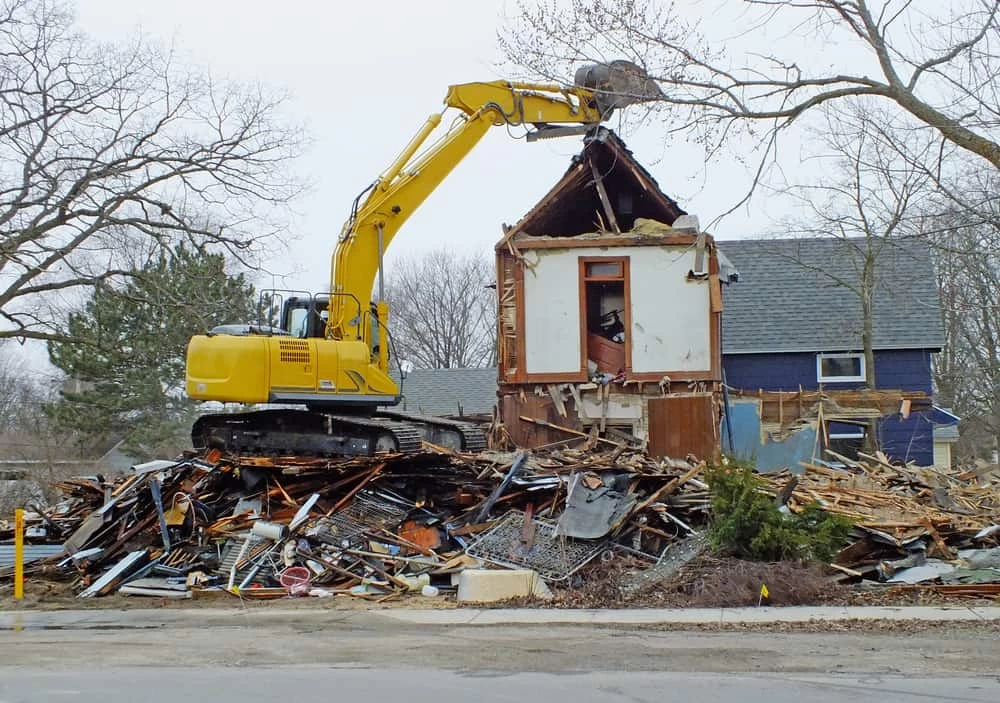
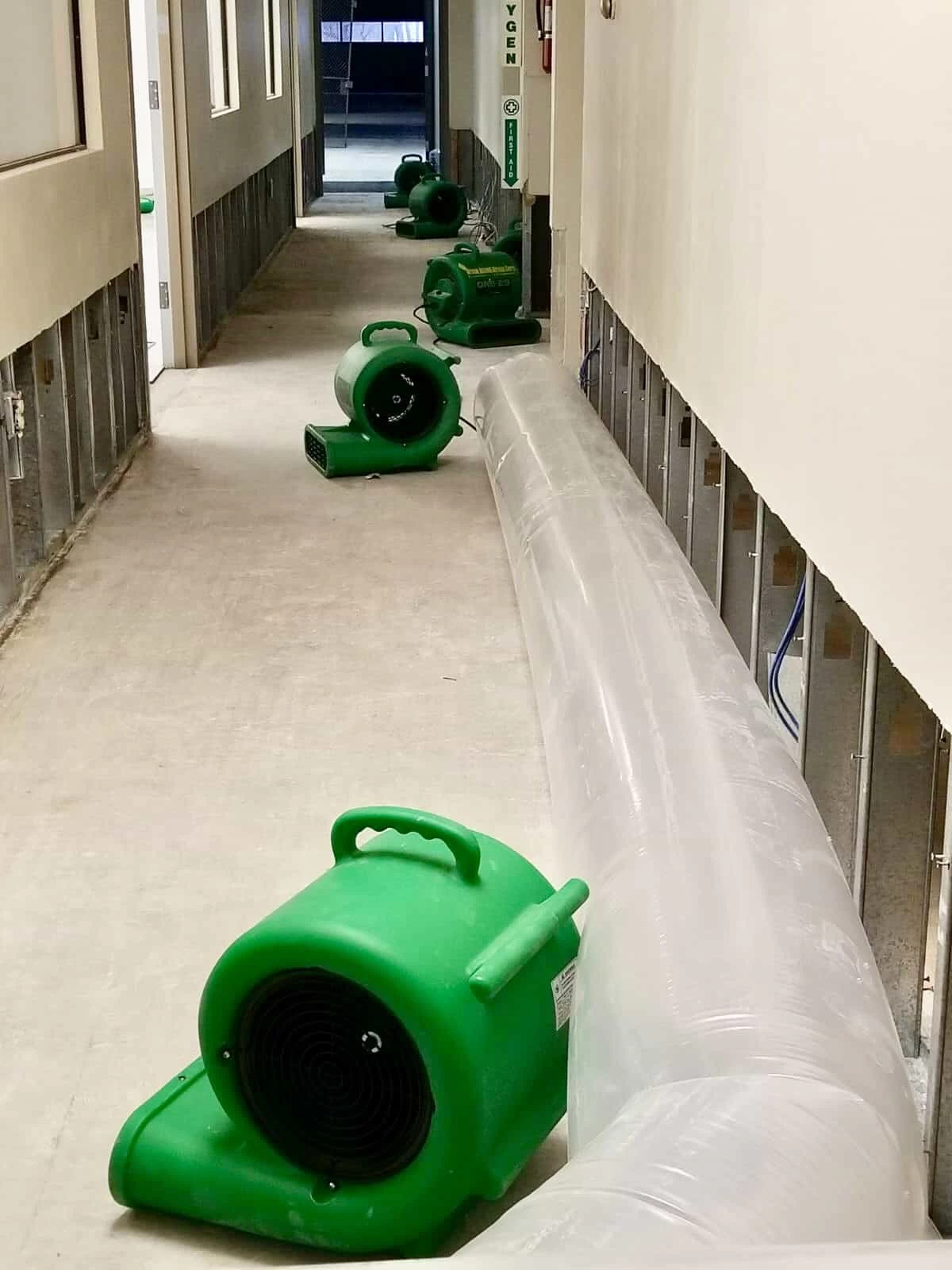
Flushing's Aging Homes Need More Than a Wrecking Crew
Most homes in Flushing were built before 1960. That means asbestos surveys, DEP notifications, and DOB permits before anything comes down and one wrong step can shut your project down entirely. We know this process cold.
I needed a professional consultation explanation of procedure for safe removal of Asbestos in my apartment complex. Without having an account yet, I was very impressed with the caring, knowledgeable and generous advice offered by Jessica, and will look forward to doing business in the future. Thank you so much! I feel much more informed about a sometimes scary endeavor. Peace. Nancy Silva Mineola, NY.
Mia Munoz
Used this company to clean up some water flood in my house. They were fast and easy to work with.very professional, Would recommend to anyone!
Nini Valle
Great company, had a flood and they responded quickly and efficiently. Billed my insurance company directly. I highly recommend this company!
joe colapietro, jr
I had pipe freeze in my basement right before a snow storm and they made to within an hour to help start the clean up process. They we by our side throughout the entire process and even helped with the insurance company. They did such a great job with the cleanup, repair, remidiation, I contracted them to perform the repairs and finishes in the basement. They came with enough manpower and material to get the job done. Leo and Jessica were nothing but a pleasure to deal with!!
Cristian Arredondo c
I had some water damage in my home and Green Island was able to take care of my issue quickly and effectively. I am very pleased with the work they did. They responded quickly and were very professional.
Michael M
Outstanding service! From the office to the field crew everyone was friendly, helpful and responsive. I highly recommend Green Island Group.
What Actually Changes When the Job Is Done Right in Flushing
When you hire a demolition contractor in Flushing, you’re not just paying someone to knock down walls. You’re paying for a clean permit trail, a site that passes inspection, and zero surprises from the NYC Department of Buildings after the fact. That’s what a finished job actually looks like here.
Flushing’s housing stock is old the median construction year is 1958, and nearly a third of homes in this neighborhood were built before 1950. That’s not a minor detail. It means almost every demolition project in this area triggers mandatory asbestos assessment under NYC DEP rules before the DOB will even process your permit. A contractor who doesn’t handle that in-house adds weeks to your timeline and a second invoice you didn’t plan for.
The other reality is density. In Murray Hill, Queensboro Hill, and the residential blocks around downtown Flushing, homes sit close. Sometimes very close. The work has to be contained, coordinated, and carried out by someone who’s done this in tight urban conditions not someone who’s used to open lots in Nassau County. When the job is done right, your neighbors aren’t filing complaints and the DOB inspector isn’t leaving a red tag on your gate.
Based in Flushing. Built for What Flushing Demands.
Green Island Group is a licensed environmental and demolition contractor based right here in Flushing, NY. We’ve been completing demolition, asbestos abatement, and restoration projects across Queens and the five boroughs for over 12 years with more than 5,000 completed projects across New York State. This isn’t a Long Island operation reaching into Flushing for extra work. We’re a local contractor who knows the Flushing DOB office, understands the DEP’s asbestos notification requirements, and has worked on properties throughout this neighborhood.
Owner Leo Torres runs a 24/7 operation with a 4.7-star average across verified reviews. Our customers consistently highlight the same things: fast response, clear communication, and no surprises on the invoice. For a project in a neighborhood as regulated and densely built as Flushing where one misstep can trigger a Stop Work Order and a minimum $2,500 fine that kind of track record is worth more than a low bid from someone who’s never pulled a NYC demolition permit.
No Guesswork Here's How a Flushing Demolition Actually Unfolds
The first thing that happens is an assessment. Before any permit gets filed or any equipment gets scheduled, the site needs to be evaluated structure, condition, and most importantly, hazardous materials. In Flushing, where the overwhelming majority of homes predate 1978, that means a certified asbestos investigation is required. If asbestos-containing materials are found, abatement has to be completed and documented before the NYC DOB will move forward with your demolition permit. We handle both in-house, which keeps the timeline moving and eliminates the gap that opens up when two separate contractors are trying to coordinate.
Once the asbestos clearance is in place, the permit process begins. That means filing with the NYC DOB, submitting the ACP-5 form confirming the building is free of ACM, and coordinating utility disconnections with Con Edison and National Grid before work starts. For projects near the Flushing Creek corridor or in low-lying areas with documented flood vulnerability, site conditions are factored into the plan from day one.
Demolition itself is carried out with containment protocols suited to Flushing’s dense residential environment dust control, debris management, and protection for adjacent structures. When the structure is down, the site is cleared and graded. What you’re left with is a clean lot, a closed permit, and documentation that holds up if anyone asks questions later.
One Contractor Handles It All Hazmat to Final Clearance
What makes a demolition project in Flushing more complicated than most places isn’t the demolition itself it’s everything that has to happen before and around it. The NYC regulatory framework here involves the DOB, the DEP, the Asbestos Technical Review Unit, and in some cases a §1-22(b) variance for simultaneous abatement and demolition work. We’re certified to handle all of it under one roof: asbestos abatement under NYS DOL Industrial Code Rule 56, mold remediation, full structural demolition, debris removal, and site clearance.
For residential demolition in Flushing whether it’s a detached single-family home in Auburndale, an attached structure in Murray Hill, or a property near the Willets Point corridor that’s part of a larger redevelopment we scope the work honestly from the start. That means a comprehensive estimate that includes the asbestos survey, abatement if needed, permit fees, demolition, debris hauling, and final grading. No line items that appear after you’ve already said yes.
If your project is tied to an insurance claim flood damage from Flushing Creek, storm damage, or fire we work directly with your insurance carrier and bill them directly. That’s not a small thing when you’re already dealing with the stress of a damaged property and a claims process that moves on its own timeline.
Do I need a permit to demolish a house in Flushing, NY?
Yes and in New York City, the permitting process for demolition is more involved than in most other places. Before the NYC Department of Buildings will issue a demolition permit, you need to satisfy asbestos certification requirements through the NYC Department of Environmental Protection. For full demolition, that means submitting an ACP-5 form confirming the building is free of asbestos-containing material. If ACM is present which is likely given that most Flushing homes were built before 1987 abatement must be completed and certified first.
Beyond asbestos, you’ll need to coordinate utility disconnections with Con Edison and National Grid, and depending on the size of the project, a Licensed Site Safety Manager may be required on-site. Permit fees are calculated based on street frontage, number of stories, and a rate of $0.25 per unit, with a minimum fee of $250 though larger structures can run significantly higher. Skipping any part of this process risks a Stop Work Order and fines starting at $2,500 for a first offense. It’s not a process you want to navigate without someone who’s done it before.
Is asbestos testing required before demolition in Flushing, Queens?
For any building constructed before 1987 in New York City, yes a mandatory asbestos assessment is required before the DOB will process your demolition permit. In Flushing, where the median construction year is 1958 and nearly a third of the housing stock was built before 1950, that requirement applies to the vast majority of residential demolition projects. It’s not optional, and it’s not something you can skip and address later.
The assessment must be performed by a DEP-certified asbestos investigator. If asbestos-containing materials are found, the DEP must be notified at least seven days before abatement activities begin. Projects that require simultaneous abatement and demolition need an approved A-TRU permit and a §1-22(b) variance from the DEP. Hiring a contractor who handles asbestos abatement in-house rather than subcontracting it keeps your timeline intact and eliminates the scheduling gaps that tend to push projects back by weeks.
How much does house demolition typically cost in Flushing, NY?
The honest answer is that it depends on several factors the size of the structure, whether asbestos or lead paint is present, how accessible the site is, and what the permit fees come out to. For a standard residential demolition in the New York City area, most homeowners are looking at somewhere between $15,000 and $30,000 all-in when you factor in permits, hazmat work, debris removal, and site clearance. NYC permit fees alone can reach $10,000 to $12,000 for larger structures.
In Flushing specifically, the age of the housing stock means asbestos abatement is a realistic line item on most projects not an exception. That cost is non-negotiable; it’s a legal requirement. What you want to make sure of is that your estimate includes it upfront, along with debris hauling and final grading, so there are no additions after the job starts. A comprehensive estimate from the beginning is the clearest sign that a contractor actually knows what the job involves.
What happens if a house in Flushing floods and needs to be demolished?
Flushing has documented flood vulnerability tied to Flushing Creek and Flushing Bay, and properties in lower-lying parts of the neighborhood have real exposure to storm surge and flash flooding. When a structure sustains significant flood damage compromised foundation, extensive mold infiltration, or structural instability demolition may be the most practical path forward, and your homeowner’s insurance policy may cover it.
The process starts with a damage assessment to determine whether the structure is salvageable or needs to come down. If demolition is the right call, the same NYC DOB and DEP requirements apply asbestos survey, permit filing, utility coordination but the timeline can be expedited for emergency situations. We operate 24/7 and work directly with insurance carriers, billing them directly so you’re not caught in the middle of a claims process while also trying to manage a demolition project. If your property has been damaged by flooding or a storm event, a same-day assessment is available.
How long does the house demolition process take in New York City?
From first call to cleared site, a residential demolition in Flushing typically takes anywhere from four to eight weeks and most of that time is permitting, not actual demolition. The physical work of bringing down a single-family home can be completed in a matter of days. What takes time is the asbestos assessment, the DEP notification period (seven days minimum before abatement begins), the ACP-5 certification, and the NYC DOB permit review process.
Projects that require asbestos abatement before demolition can begin add time to the front end of the timeline, which is why having one contractor handle both rather than coordinating two separate companies matters. If your project is tied to a development timeline, a redevelopment sale, or an insurance claim with a deadline, the permitting phase is the variable to plan around. We can give you a realistic timeline estimate during the initial assessment, based on the specific conditions of your property and the current processing pace at the NYC DOB.
How do I know if a demolition contractor in Flushing is actually licensed for NYC work?
This is one of the most important questions you can ask, and a lot of homeowners don’t ask it until something goes wrong. In New York City, demolition contractors need to be registered with the NYC DOB and carry active general liability and workers’ compensation insurance. For any project involving asbestos which covers most Flushing demolitions given the age of the housing stock the contractor also needs to be certified under NYS DOL Industrial Code Rule 56 and operate in compliance with NYC DEP asbestos rules.
The easiest way to verify a contractor is to ask for their NYC DOB registration number and confirm their asbestos certification is current. You can also check license status through the NYC DOB’s BIS portal. Green Island Group holds multiple active licenses, carries the required insurance, and is a certified asbestos abatement contractor. Our BuildZoom score of 90 and 4.7-star average across verified reviews reflect a track record that’s been independently documented not just claimed. In a neighborhood where unlicensed operators are not uncommon and the cost of unpermitted work can set a project back months, that verification step is worth taking before you sign anything.