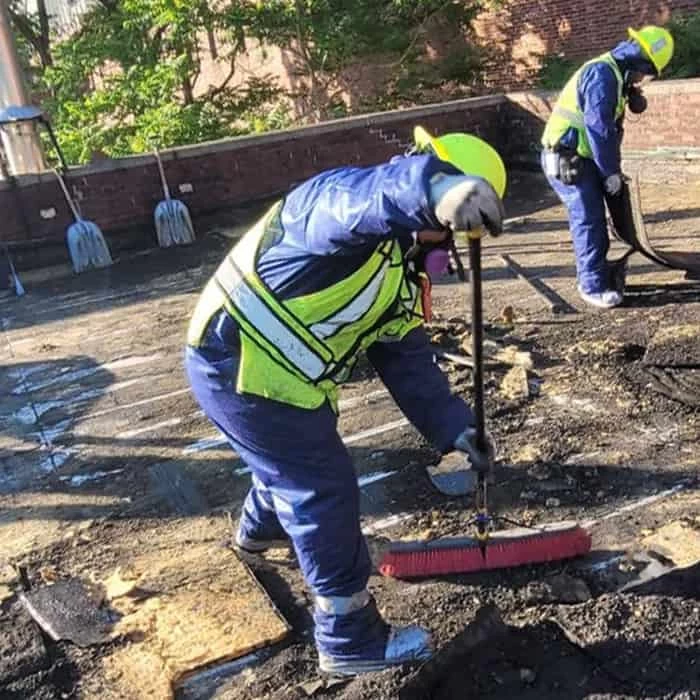
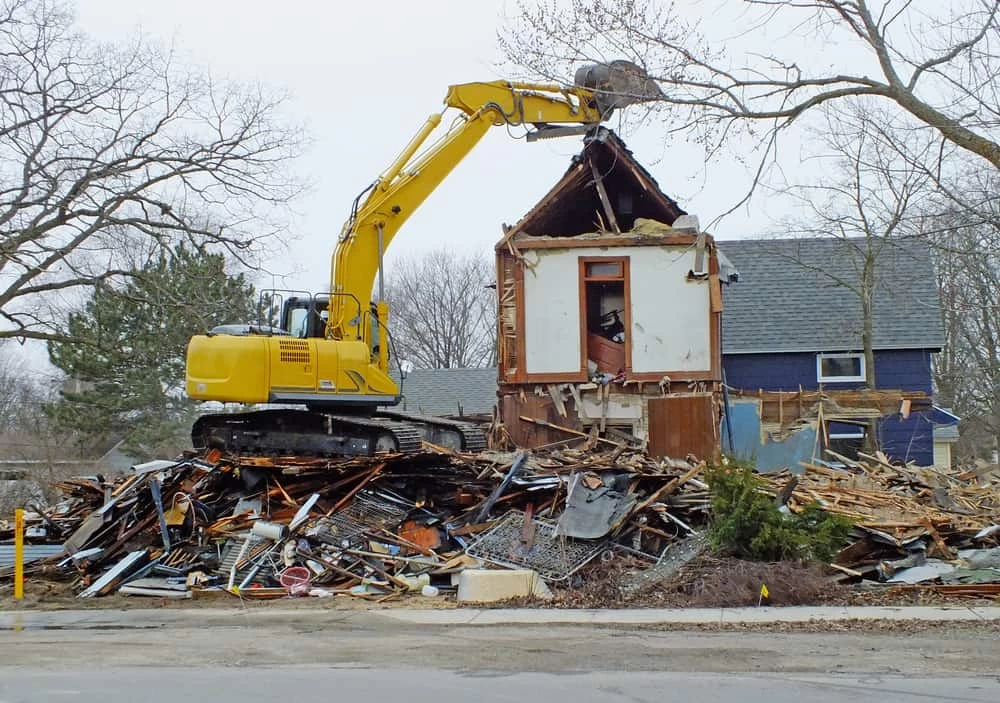
Most homes in South Richmond Hill were built before 1940. When one needs to come down, the process is more involved than most contractors will tell you upfront and we handle every piece of it.
I needed a professional consultation explanation of procedure for safe removal of Asbestos in my apartment complex. Without having an account yet, I was very impressed with the caring, knowledgeable and generous advice offered by Jessica, and will look forward to doing business in the future. Thank you so much! I feel much more informed about a sometimes scary endeavor. Peace. Nancy Silva Mineola, NY.
Mia Munoz
Used this company to clean up some water flood in my house. They were fast and easy to work with.very professional, Would recommend to anyone!
Nini Valle
Great company, had a flood and they responded quickly and efficiently. Billed my insurance company directly. I highly recommend this company!
joe colapietro, jr
I had pipe freeze in my basement right before a snow storm and they made to within an hour to help start the clean up process. They we by our side throughout the entire process and even helped with the insurance company. They did such a great job with the cleanup, repair, remidiation, I contracted them to perform the repairs and finishes in the basement. They came with enough manpower and material to get the job done. Leo and Jessica were nothing but a pleasure to deal with!!
Cristian Arredondo c
I had some water damage in my home and Green Island was able to take care of my issue quickly and effectively. I am very pleased with the work they did. They responded quickly and were very professional.
Michael M
Outstanding service! From the office to the field crew everyone was friendly, helpful and responsive. I highly recommend Green Island Group.
Residential Demolition Services South Richmond Hill
What Changes When the Right Crew Takes Over
When nearly three-quarters of South Richmond Hill’s homes were built before 1940, demolition isn’t just about tearing something down. It’s about doing it without triggering a stop-work order, damaging the house attached to yours, or finding out mid-project that asbestos was never properly handled. In this neighborhood, those aren’t edge cases they’re the norm.
The attached and semi-attached homes along streets like Lefferts Boulevard and 101st Avenue share walls, driveways, and sometimes structural elements with the property next door. A crew that doesn’t account for that creates liability you didn’t ask for. We plan for it before the first wall comes down.
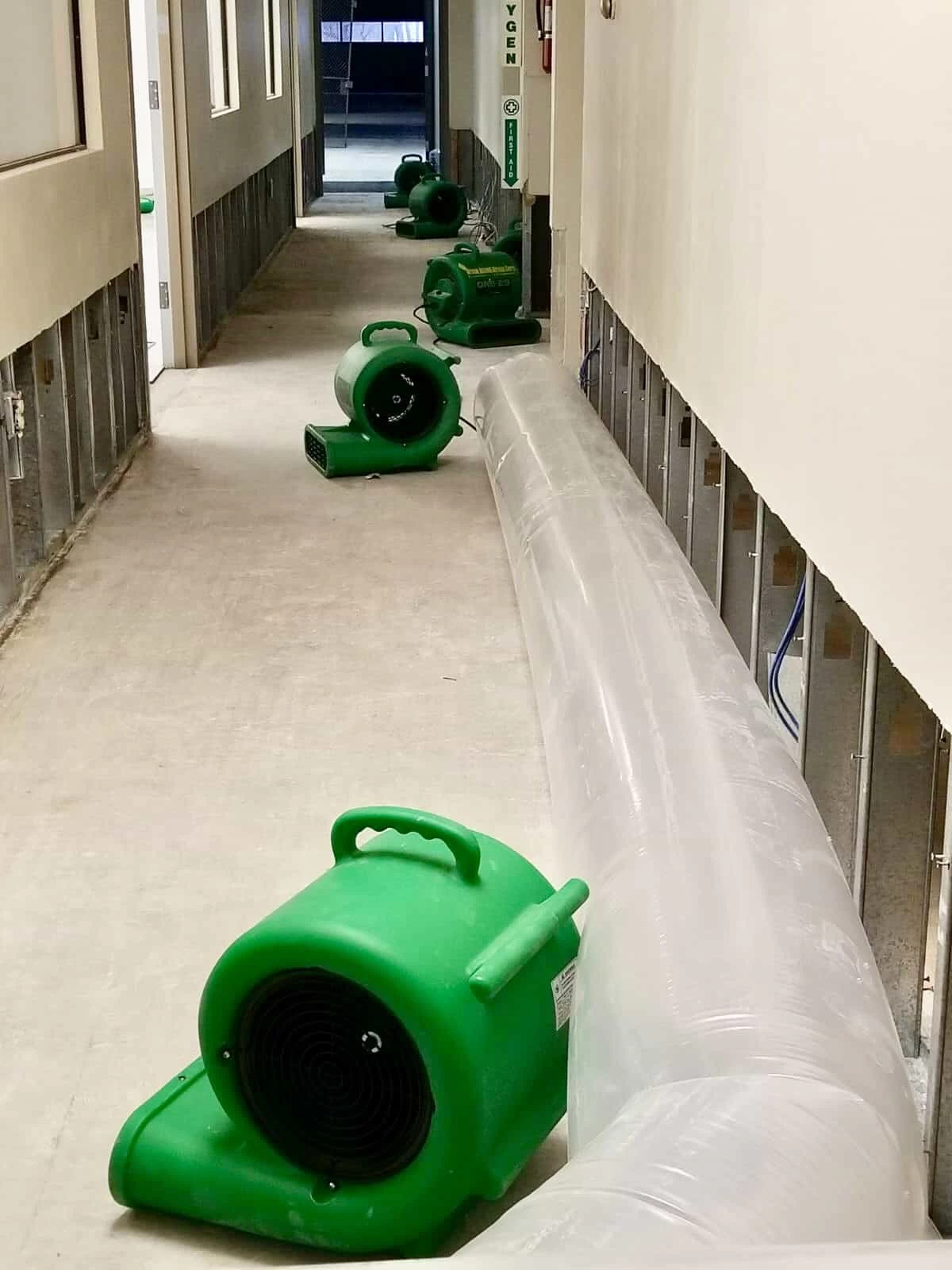
And when your project is tied to flood damage which happens regularly in South Richmond Hill given the aging sewer infrastructure you need someone who can move fast, document everything correctly for your insurance carrier, and not slow you down with a process that adds weeks to an already stressful situation. That’s exactly what this work looks like when it’s handled the right way.
House Demolition Contractors South Richmond Hill NY
12 Years In. Every Borough. No Shortcuts.
We’ve been doing demolition and hazardous materials work across New York City for over 12 years, with more than 5,000 completed projects across the state. That includes extensive work in Queens in neighborhoods with exactly the kind of dense, pre-war housing stock that defines South Richmond Hill.
What separates us from most contractors you’ll find is that the asbestos survey, the DEP notification, the abatement, and the DOB permit process all happen under one roof. You’re not waiting on a subcontractor to schedule a survey before anything else can move. One call, one crew, one timeline.
Owner Leo Torres is involved in every project. Reviews consistently mention his personal availability and willingness to walk clients through a process that, especially for first-time homeowners in South Richmond Hill, can feel overwhelming. That’s not a sales pitch it’s just what the job looks like here.
The first thing that happens is a site assessment. Before any work is planned or priced, we visit the property in person. For homes in South Richmond Hill most of which were built before 1940 that means evaluating the structure for asbestos-containing materials, assessing shared wall conditions with adjacent properties, and identifying anything that affects how the demolition gets executed safely.
From there, we complete the asbestos survey with a DEP-certified investigator and file the ACP-5 form. The NYC Department of Buildings won’t issue a demolition permit without it, and in this neighborhood, virtually every home requires one. Once the survey clears and any abatement is handled, the DOB permit application moves forward. The NYC DEP also requires at least seven days’ notice before abatement begins, so the sequencing matters and getting it wrong adds weeks to your timeline.
Once permits are in hand, demolition begins. We remove debris, clean the site, and if your project is insurance-driven, we handle the claim directly with your carrier throughout the process. You’re kept in the loop at every step, not chasing someone down for an update.
House demolition in South Richmond Hill means dealing with the full weight of New York City’s regulatory requirements and that’s before a single wall comes down. We cover the complete scope: asbestos inspection and abatement under NYS DOL Industrial Code Rule 56, ACP-5 filing with the NYC DEP, DOB permit procurement, full structural demolition, debris hauling, and final site cleanup. Lead paint assessment and safe work practices under the EPA RRP Rule are also included as standard not an add-on because in a neighborhood where most homes predate 1940, lead is almost always present.
For homeowners dealing with fire or flood damage, we bill insurance carriers directly and manage the documentation process from start to finish. In South Richmond Hill, where Queens’ aging storm infrastructure has caused repeated flood damage to properties near the Van Wyck corridor and throughout the 11419 ZIP code, that capability matters more than most contractors acknowledge.
Whether you need a full teardown, selective interior demolition before a gut renovation, or emergency structural removal after a disaster, we scope the work honestly, price it transparently, and execute it with the kind of care that dense urban lots shared driveways, party walls, tight access actually require.
Do I need an asbestos survey before demolishing my South Richmond Hill home?
Yes and this isn’t optional. The NYC Department of Buildings will not issue a demolition permit for any building constructed before April 1, 1987, without an Asbestos Assessment Report, known as an ACP-5 form, completed by a DEP-certified asbestos investigator. In South Richmond Hill, where approximately 71.5% of the residential housing stock was built in 1939 or earlier, this applies to nearly every home in the neighborhood.
The survey has to happen before any demolition documents are approved, and if asbestos-containing materials are found, abatement must be completed by a NYCDEP-certified contractor before demolition proceeds. The NYC DEP also requires at least seven days’ advance notice before abatement begins. We handle the survey, the abatement, and the ACP-5 filing in-house so you’re not waiting on a third party to schedule their own visit before anything else can move forward.
How much does house demolition typically cost in Queens, NY?
Nationally, full house demolition averages somewhere between $6,000 and $25,000 depending on size and complexity. In New York City, and specifically in Queens, that number runs higher and it’s worth understanding why before you start comparing bids.
NYC DOB permit fees alone can reach $10,000 to $12,000 for a full demolition. Add the mandatory asbestos survey, any required abatement, debris removal, and site cleanup, and a realistic budget for a typical South Richmond Hill two-family home will exceed national averages by a meaningful margin. That’s not padding it’s the actual cost of doing the work legally in this city. What you want to watch out for is a low-ball bid that doesn’t include permits, hazmat handling, or debris disposal. Those costs don’t disappear they just show up later, usually at the worst possible time.
My home in South Richmond Hill shares a wall with my neighbor is that a problem for demolition?
It’s not a problem if your contractor knows what they’re doing but it does change how the job gets planned and executed. South Richmond Hill has a high concentration of attached and semi-attached homes where shared party walls, shared driveways, and sometimes shared structural elements are the rule, not the exception. Demolishing one side of an attached structure without properly assessing and protecting the adjacent wall can cause structural damage to the neighboring property, which creates legal liability and can result in a DOB stop-work order.
Before any demolition begins on a shared-wall property, we evaluate the party wall condition, put a protection plan in place, and sequence the work to avoid transferring load or vibration in ways that compromise the adjacent structure. This is standard practice for a contractor with real experience in dense urban Queens neighborhoods but it’s not something every crew accounts for upfront. Make sure you ask about it before anyone starts.
How long does the demolition permit process take with the NYC DOB?
The honest answer is that it depends on how well the pre-permit steps are handled. The NYC DOB permit process itself typically takes several weeks, but the steps that come before it the asbestos survey, the ACP-5 filing, and any required abatement with the mandatory seven-day DEP notification period add time to the front end of the timeline. If those steps are handled by separate contractors who aren’t coordinating closely, the gaps between them can stretch a project by weeks.
When everything is managed under one contractor, the sequencing is tighter. The survey gets scheduled immediately, the ACP-5 is filed as soon as results are in, the DEP notification goes out on day one of abatement planning, and the DOB application moves forward without waiting on someone else’s calendar. For South Richmond Hill homeowners who are displaced or dealing with an insurance claim while waiting on a cleared site, that efficiency isn’t a small thing it’s the difference between a two-month project and a four-month one.
What happens if I demolish without a permit in New York City?
The NYC Department of Buildings treats unpermitted demolition seriously. A first-offense stop-work order comes with civil fines starting at $2,500, and those fines escalate quickly for repeat violations or if the work is deemed hazardous. If asbestos was disturbed without proper abatement and DEP notification, you’re also looking at EPA and DEP enforcement, with potential penalties reaching $43,000 per violation per day under the federal RRP Rule.
Beyond the fines, unpermitted demolition creates title issues that complicate any future sale or refinancing of the property. In South Richmond Hill’s current market, that’s real money at risk. The permit process exists for good reasons, and in New York City, there’s no practical way to skip it without consequences that cost far more than the permits themselves.
Can Green Island Group handle demolition if my property has flood or fire damage?
Yes, and this comes up often in South Richmond Hill. Queens has experienced repeated major flooding events in recent years, driven by aging storm sewer infrastructure that consistently gets overwhelmed during heavy rain. Properties in the 11419 ZIP code particularly those closer to the Van Wyck corridor have seen recurring water intrusion, sewer backup, and structural damage that requires emergency demolition before any rebuilding can begin.
We respond 24 hours a day, seven days a week, and bill insurance carriers directly. That means you’re not fronting the cost and waiting for reimbursement, and you’re not navigating the claims process alone while also dealing with a damaged property. The documentation required by your carrier scope of loss, hazmat findings, permit records gets handled as part of the job, not as an afterthought. If your project was triggered by a covered event, that’s the kind of contractor you want in your corner from day one.