Flower Hill Homes Hide This — Most Owners Don't Know Until It's Too Late
If your home was built before 1980, asbestos is likely somewhere inside it. We handle licensed asbestos abatement in Flower Hill so you can renovate, sell, or simply breathe easier — with the paperwork to prove it was done right.
I needed a professional consultation explanation of procedure for safe removal of Asbestos in my apartment complex. Without having an account yet, I was very impressed with the caring, knowledgeable and generous advice offered by Jessica, and will look forward to doing business in the future. Thank you so much! I feel much more informed about a sometimes scary endeavor. Peace. Nancy Silva Mineola, NY.
Mia Munoz
Used this company to clean up some water flood in my house. They were fast and easy to work with.very professional, Would recommend to anyone!
Nini Valle
Great company, had a flood and they responded quickly and efficiently. Billed my insurance company directly. I highly recommend this company!
joe colapietro, jr
I had pipe freeze in my basement right before a snow storm and they made to within an hour to help start the clean up process. They we by our side throughout the entire process and even helped with the insurance company. They did such a great job with the cleanup, repair, remidiation, I contracted them to perform the repairs and finishes in the basement. They came with enough manpower and material to get the job done. Leo and Jessica were nothing but a pleasure to deal with!!
Cristian Arredondo c
I had some water damage in my home and Green Island was able to take care of my issue quickly and effectively. I am very pleased with the work they did. They responded quickly and were very professional.
Michael M
Outstanding service! From the office to the field crew everyone was friendly, helpful and responsive. I highly recommend Green Island Group.
For a lot of Flower Hill homeowners, the moment asbestos comes up is the moment everything else stops. The renovation stalls. The closing timeline gets shaky. The contractor walks off the job until it’s handled. What you actually want is to get past that moment — cleanly, legally, and with documentation that holds up when someone asks for it.
Flower Hill’s housing stock is almost entirely mid-century single-family homes, and that matters. Homes built between the 1940s and 1970s were constructed with materials we now know were loaded with asbestos — floor tiles, pipe wrap, popcorn ceilings, joint compound, roofing. These aren’t edge cases. They’re standard features of the homes on nearly every street in this village. When you’re renovating a kitchen or replacing an old boiler, the odds are real that you’re going to run into something that needs to be properly addressed before any other work can move forward.
The other thing that changes is your liability exposure. In Nassau County’s real estate market, where Flower Hill homes routinely trade at well over a million dollars, buyers come with attorneys and inspectors who ask hard questions. A properly documented asbestos abatement — certified air clearance, waste manifests, the full package — removes a significant cloud from your property. That documentation doesn’t just satisfy a closing requirement. It follows the home and protects your investment long after the work is done.
The Credentials Here Are Real — and So Is the Paperwork
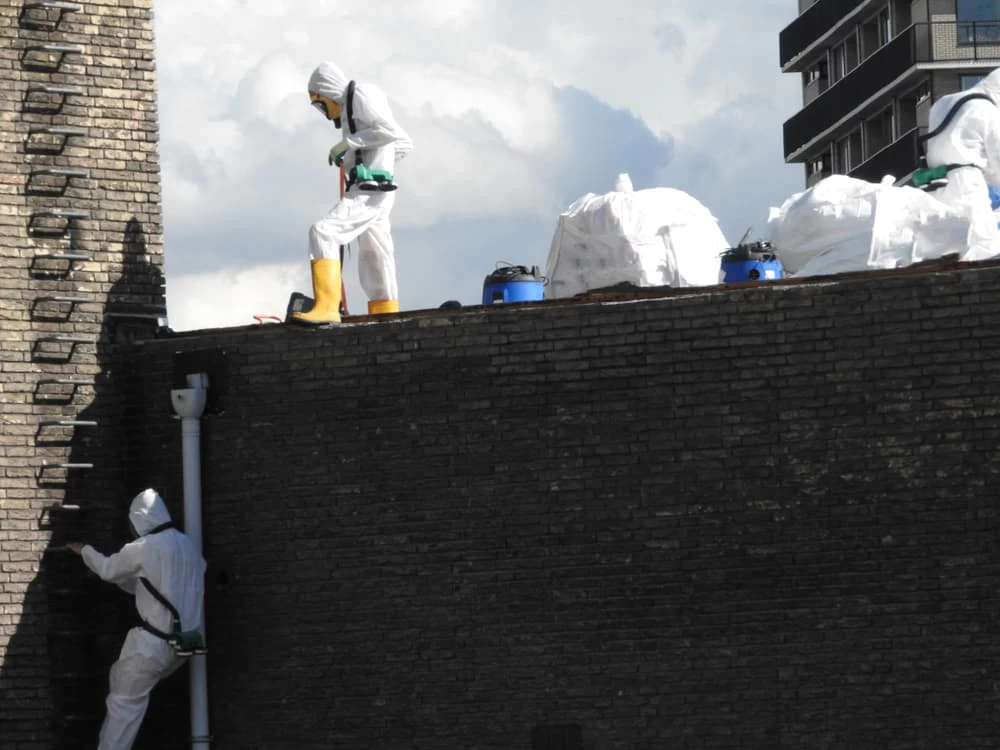
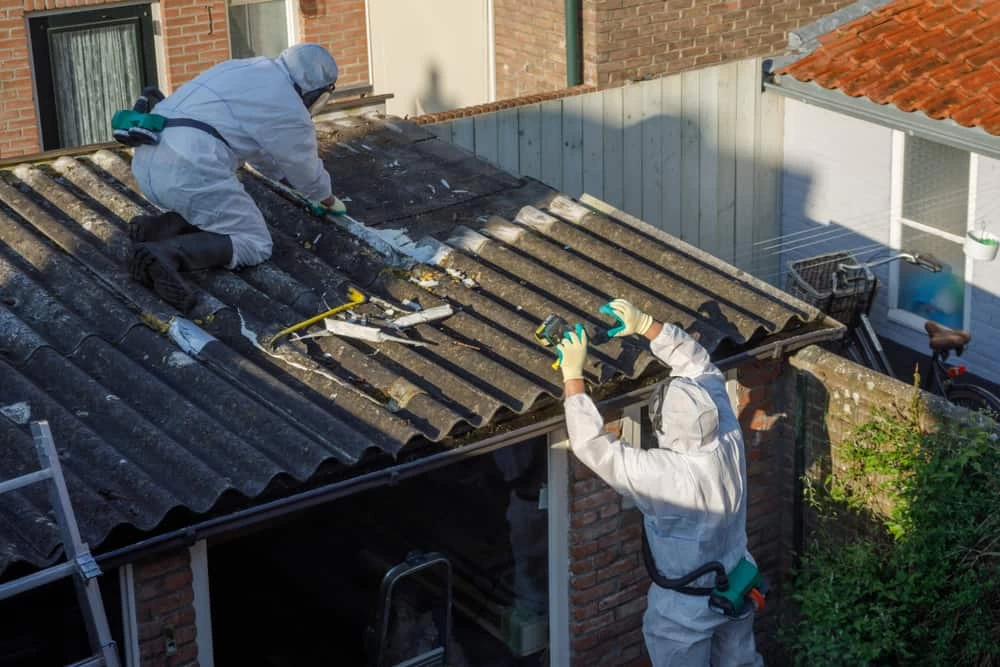
We’re a licensed asbestos abatement contractor serving Nassau County, including Flower Hill and the surrounding North Shore communities. Every project is handled by New York State Department of Labor certified crews — not generalists who list asbestos as one of a dozen services, but specialists who do this work every day and know exactly what it requires.
Working in Flower Hill, right in the heart of the Port Washington and Manhasset corridor, means understanding the specific housing stock here and the expectations of the homeowners who live in it. These aren’t simple jobs and the people hiring for them aren’t cutting corners. Neither are we.
Every project comes with the documentation package that Nassau County real estate attorneys, lenders, and building departments actually require — certified air clearance from an independent industrial hygienist, waste disposal manifests, and a certificate of completion. When the job is done, you’ll have the paperwork to prove it.
No Guesswork — Here's Exactly What Happens From Start to Cleared Documentation
It starts with an assessment. Before any removal happens, the suspected materials in your home get properly tested. Sampling is done carefully, and results tell you exactly what you’re dealing with — whether that’s vinyl asbestos floor tiles in a basement utility room, pipe insulation wrapped around an old oil-fired boiler, or acoustic spray on ceilings that haven’t been touched since the 1970s. You’ll know what’s there and what needs to happen next.
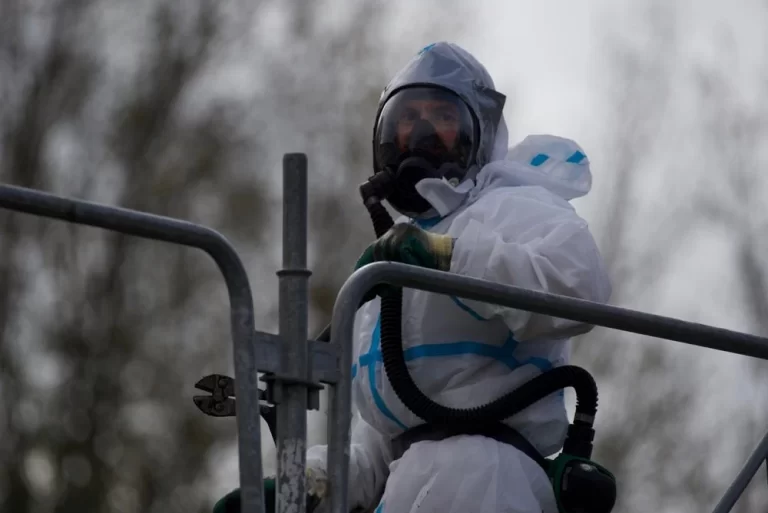
Once the scope is confirmed, the abatement work begins under strict containment. The work area is sealed off, negative air pressure is established, and our certified crews remove the materials following NYSDOL protocols. For homeowners in Flower Hill who are working against a real estate closing date or a renovation schedule, we work to move efficiently without cutting corners on the containment or the cleanup. The Village of Flower Hill has its own building department, and if your project involves a permit, we can walk you through what documentation the village will need before work proceeds.
After removal, an independent industrial hygienist — not us — conducts air clearance testing to confirm that fiber counts in the work area are within safe limits. That clearance report, along with your waste disposal manifest and certificate of completion, is what gets handed to your attorney, your contractor, or your building department. That’s the finish line, and we don’t consider the job done until you’re holding that paperwork.
Built for the Specific Materials Found in Flower Hill Homes
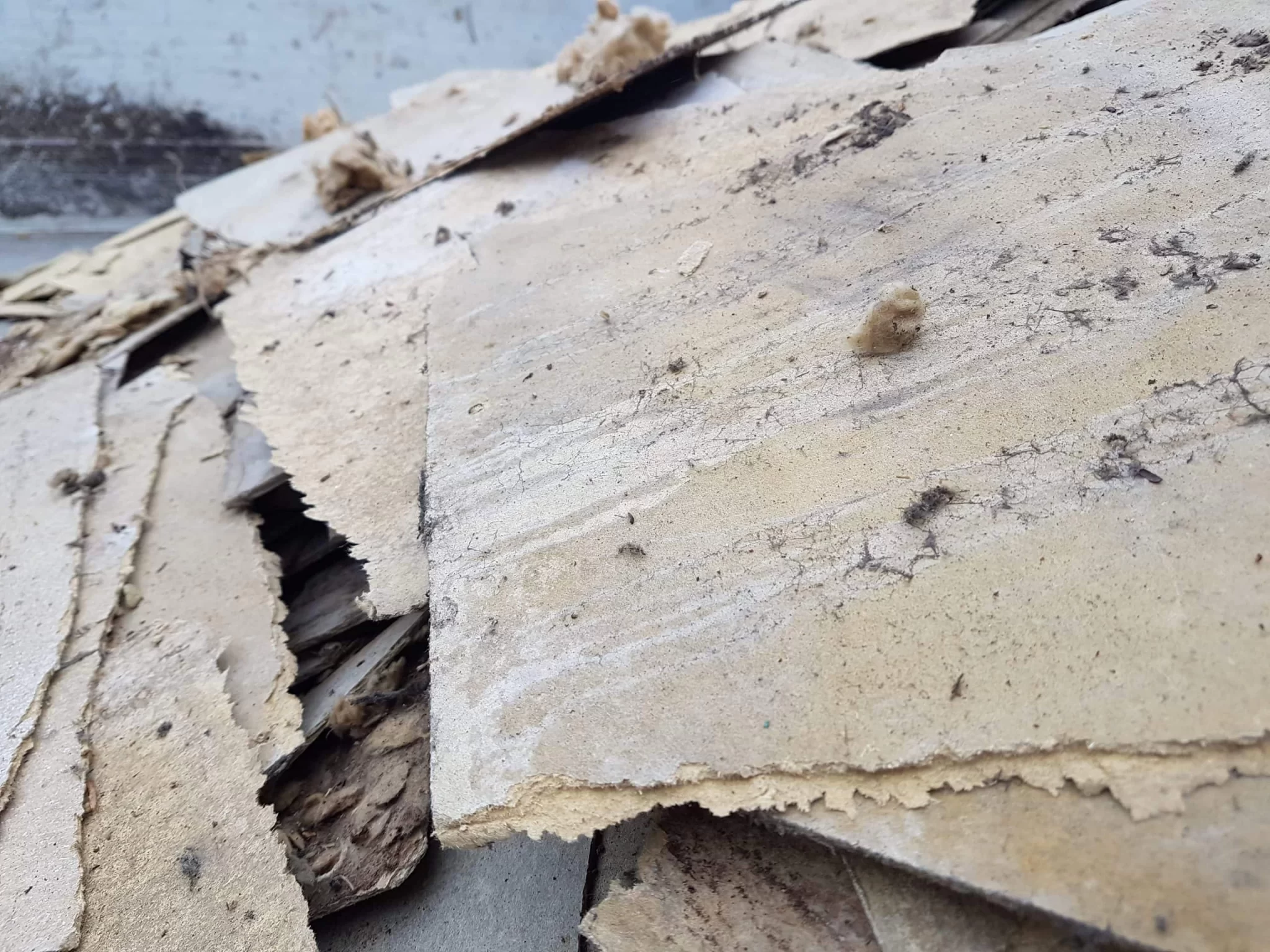
The most common asbestos-containing materials in Flower Hill homes aren’t exotic or unusual — they’re the standard construction materials of the era. Nine-by-nine vinyl asbestos floor tiles are in kitchens, basements, and utility rooms across this village. Acoustic spray ceilings applied in the 1960s and 1970s frequently test positive for chrysotile asbestos. Pipe and boiler insulation in homes with original oil-fired heating systems is one of the most common discovery points when HVAC contractors come in to do a replacement. Joint compound, textured plaster, and in some cases roofing shingles round out the picture.
We handle all of it. Asbestos tile removal, popcorn ceiling removal, pipe insulation abatement, full interior remediation — the scope is built around what’s actually in your home, not a preset package. For homeowners in Flower Hill dealing with a pre-sale inspection finding or a renovation that hit an unexpected material, the process is straightforward: we assess, we document, we remove, and we clear.
Every project includes independent air clearance testing, proper waste manifesting to a licensed disposal facility, and a complete documentation package. For projects that meet EPA NESHAP thresholds — typically larger-scale demolition or renovation work — we handle the required state notification as part of the process. You don’t need to navigate that yourself.
Does asbestos abatement in Flower Hill require a permit from the village?
It depends on the scope of the work. The Village of Flower Hill has its own building department, and if your asbestos abatement is connected to a larger renovation — a kitchen gut, a basement remodel, an HVAC replacement — there’s a real chance the village will want documentation before or during the permitting process for that renovation. Some municipalities in Nassau County require an asbestos survey as a precondition for issuing a demolition or major renovation permit on pre-1980 construction.
What’s non-negotiable regardless of permit status is New York State compliance. All asbestos abatement in New York must be performed by a NYSDOL-licensed contractor, and certain project sizes trigger EPA NESHAP notification requirements before work can legally begin. Getting this right from the start protects you from liability — especially in a real estate market where documentation gets scrutinized closely.
My contractor found asbestos floor tiles in my basement — do they have to be removed?
Not always — but it depends on what you’re planning to do. If the tiles are intact and you’re not disturbing them, encapsulation may be an option in some cases. But if you’re renovating, selling, or if the tiles are already damaged or friable, removal is the right call. In New York, you cannot legally have an unlicensed contractor or a DIY crew remove asbestos-containing materials — that’s a state law violation, not just a recommendation.
Nine-by-nine vinyl asbestos tiles are extremely common in Flower Hill homes built before 1980, and they’re especially prevalent in the basements and utility areas of the mid-century homes that make up most of this village. The bigger concern for most homeowners isn’t just the tiles themselves — it’s the adhesive beneath them, which frequently also contains asbestos. A proper abatement addresses both, and the documentation you receive afterward is what protects you if a future buyer’s inspector or attorney asks questions.
How long does asbestos abatement typically take in a single-family home?
For a contained scope — say, floor tile removal in one room or pipe insulation on a boiler system — the abatement work itself often takes one to two days. Add in the air clearance testing turnaround from the independent hygienist, and most homeowners are looking at a total timeline of three to five business days from start to cleared documentation.
Larger scopes — multiple rooms, popcorn ceilings throughout a home, or a full pre-renovation abatement — take longer, and the timeline should be discussed clearly before work begins. For Flower Hill homeowners working against a real estate closing date, timeline is usually the most pressing concern. If you have a date on the calendar, bring that up at the very start of the conversation so the scheduling can be built around it. That’s a common scenario in this market and it’s one we’re used to working with.
Is asbestos abatement required before selling a home in Nassau County?
New York State doesn’t have a blanket law that requires asbestos removal before every home sale, but the practical reality in Nassau County — especially in a high-value market like Flower Hill — is that it often becomes a requirement through the transaction itself. Buyers in this price range come with attorneys, and those attorneys routinely request environmental inspection reports. If asbestos-containing materials are identified, the buyer’s counsel may require documented remediation as a condition of closing.
Beyond the legal pressure, there’s the liability angle. Selling a home with known asbestos-containing materials and no documentation creates exposure for you after the sale. A properly completed abatement — with certified air clearance and waste manifests on file — removes that risk and gives both parties something concrete to rely on. In a market where Flower Hill homes are trading at seven figures, that documentation is worth having.
Can I stay in my home during asbestos abatement work?
For most projects, the safest and most practical answer is no — at least not during active abatement in the work area. The abatement zone is under negative air pressure and sealed with containment barriers, and access is restricted to our certified crew members during the removal phase. Depending on where in the home the work is happening, you may be able to occupy other areas of the house, but that’s something to discuss specifically based on your floor plan and the scope of the project.
For Flower Hill homeowners who are mid-renovation or coordinating with a contractor who’s waiting on clearance, the timeline matters. Air clearance testing happens after containment is removed, and re-occupancy of the work area is only appropriate after the independent hygienist confirms the space is clear. Most projects move through this efficiently — the goal is always to get you back into your home and your renovation moving forward as quickly as the process safely allows.
Why does asbestos abatement cost more from a licensed contractor than an unlicensed one?
Because what a licensed contractor is actually delivering is different. NYSDOL licensing, certified crews, proper containment, independent air clearance testing, waste manifesting to a licensed disposal facility, and a complete documentation package — none of that is cheap to do correctly, and none of it is optional under New York State law. An unlicensed contractor who quotes you a lower number is skipping one or more of those steps, and the liability for that lands on you, not them.
In Flower Hill specifically, where homes are high-value and real estate transactions involve attorneys on both sides, the documentation produced by a licensed abatement is the entire point. If you ever need to prove that the work was done legally and correctly — for a closing, a permit, a refinance, or a future sale — an unlicensed removal gives you nothing to show. The cost difference between licensed and unlicensed abatement is real, but so is the difference in what you actually walk away with.