When NYC's Combined Sewers Back Up, Your Basement Pays the Price
Most basement flooding in New York City isn’t from a burst pipe it’s sewage. We handle flooded basement cleanup in New York the right way, with the licenses to prove it. About 60% of the city runs on a combined sewer system, where stormwater and raw sewage share the same pipe. When a heavy storm overwhelms that system, the overflow backs up through basement drains and sewer connections across all five boroughs. That’s not clean water. That’s Category 3 contaminated water, and it requires a completely different cleanup process than a standard water damage job.
I needed a professional consultation explanation of procedure for safe removal of Asbestos in my apartment complex. Without having an account yet, I was very impressed with the caring, knowledgeable and generous advice offered by Jessica, and will look forward to doing business in the future. Thank you so much! I feel much more informed about a sometimes scary endeavor. Peace. Nancy Silva Mineola, NY.
Mia Munoz
Used this company to clean up some water flood in my house. They were fast and easy to work with.very professional, Would recommend to anyone!
Nini Valle
Great company, had a flood and they responded quickly and efficiently. Billed my insurance company directly. I highly recommend this company!
joe colapietro, jr
I had pipe freeze in my basement right before a snow storm and they made to within an hour to help start the clean up process. They we by our side throughout the entire process and even helped with the insurance company. They did such a great job with the cleanup, repair, remidiation, I contracted them to perform the repairs and finishes in the basement. They came with enough manpower and material to get the job done. Leo and Jessica were nothing but a pleasure to deal with!!
Cristian Arredondo c
I had some water damage in my home and Green Island was able to take care of my issue quickly and effectively. I am very pleased with the work they did. They responded quickly and were very professional.
Michael M
Outstanding service! From the office to the field crew everyone was friendly, helpful and responsive. I highly recommend Green Island Group.
What Changes When the Cleanup Is Actually Done Right
When your basement floods in New York City, the clock starts immediately. Mold begins growing on wet building materials within 24 to 48 hours and in a below-grade NYC basement with poor ventilation and aging materials, that window closes fast. Getting the water out is only the first step. What matters is what happens after: whether the moisture inside your walls was found, whether the air quality was tested, and whether you have documentation that the job is actually finished.
Here’s what most people don’t realize about basement flooding in New York City specifically. About 60% of the city runs on a combined sewer system one pipe carrying both stormwater and raw sewage. When a heavy storm overwhelms that system, the overflow doesn’t just sit in the street. It backs up through basement drains and sewer connections. That’s not clean water. That’s Category 3 contaminated water, and it requires a completely different cleanup process than a standard water damage job. Running dehumidifiers and calling it done isn’t enough and in a pre-war Brooklyn brownstone or a Queens attached house, it can leave behind a serious health hazard.
When the job is done correctly, you get a dry, documented, verifiably safe space. You get clearance reports with actual moisture readings. You get the paperwork your insurance company needs. And you don’t get a mold problem three weeks later because something was missed inside a wall cavity.
Licensed Basement Flooding Remediation New York NY
Full Licensing Across All Five Boroughs, No Referrals Needed
We’ve been handling environmental remediation across New York City and Long Island for years more than 5,000 completed jobs across the metro. That kind of volume means we’ve worked in pre-war Manhattan walkups, 1950s brick co-ops in Queens, attached houses on Staten Island’s South Shore, and multi-family buildings throughout the Bronx and Brooklyn. We know what’s behind the walls in this city’s building stock, and we know what flooding does to it.
What sets us apart in the New York market isn’t marketing language it’s licensing depth. We hold active New York State Department of Labor licenses for mold assessment, mold remediation, asbestos abatement, and lead abatement simultaneously. In a city where roughly 80% of residential buildings predate 1978 and where Article 32 of the NYS Labor Law requires licensed contractors for mold work in covered multi-family buildings, that matters legally not just professionally.
We also bill insurance carriers directly. That means one call sets the entire process in motion, from crew dispatch to adjuster communication to final documentation, without you managing four different contractors and three separate invoices.
From Standing Water to Clearance Report Here's Our Process
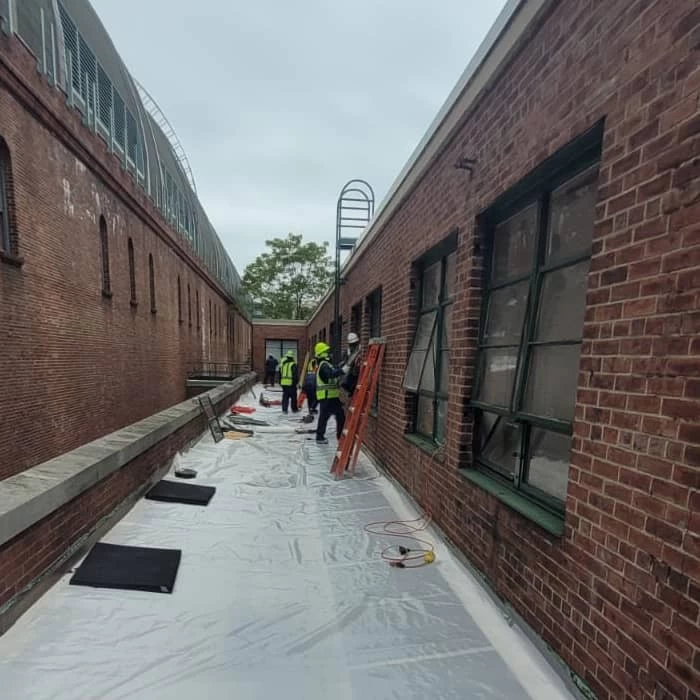
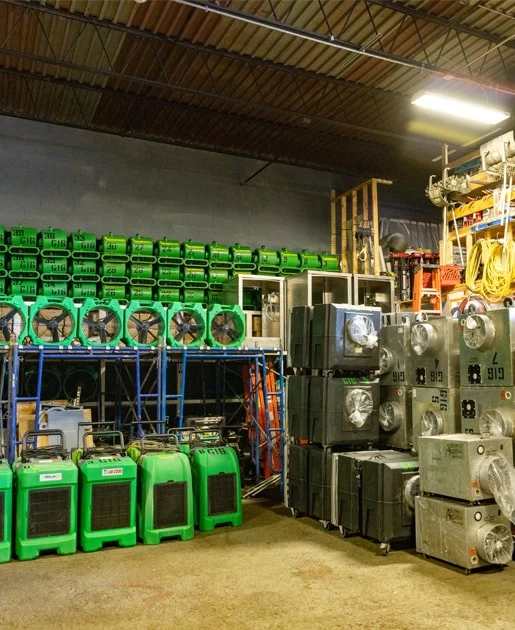
The first thing that happens when we arrive is an assessment not just of the water you can see, but of where it went. In older New York City buildings, water migrates into wall cavities, under flooring, and through foundation materials in ways that are completely invisible. We use moisture meters and thermal imaging to map it all before a single piece of equipment gets set up. This step is what separates a real remediation from a surface cleanup that leaves a hidden problem.
Once the scope is confirmed, we identify the water category. If your basement flooded from a sewer backup which is the most common cause in New York City’s combined sewer neighborhoods that changes the entire protocol. Category 3 water requires removal of all porous materials that contacted the contamination, full antimicrobial treatment, and specific disposal procedures. If your building was constructed before 1987, we’ll also assess for asbestos-containing materials in floor tiles, pipe insulation, or ceiling materials before anything gets disturbed because NYC DEP regulations require it, and because disturbing asbestos without proper containment is a federal violation.
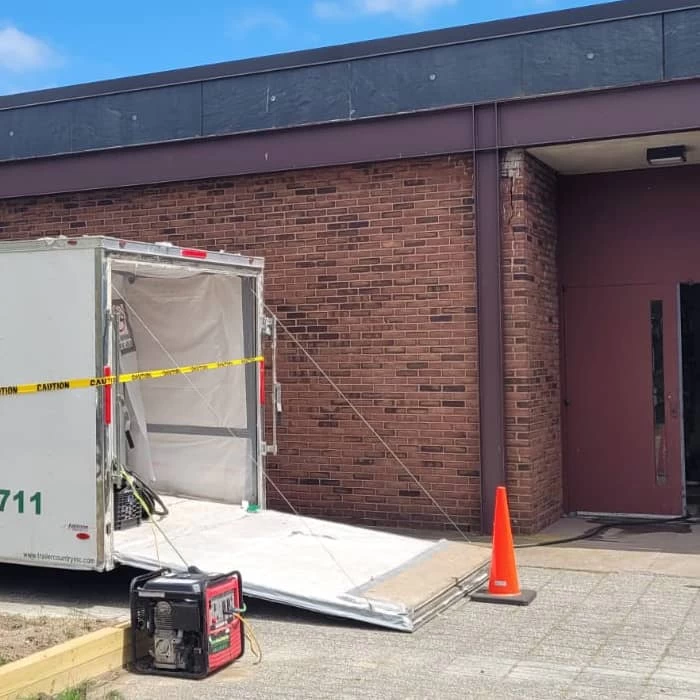
Drying, air scrubbing, and structural work follow in sequence. When everything is complete, post-remediation testing confirms the results with actual numbers not just a visual check. You receive a full documentation package: moisture clearance readings, air quality results, and a written clearance report that satisfies both your insurance carrier and New York State regulatory requirements.
Everything the Job Requires Under One Set of Licenses
Flooded basement cleanup in New York City rarely stays simple. What starts as standing water in a Howard Beach ranch house or a Crown Heights brownstone basement can quickly involve mold, sewage contamination, asbestos floor tiles, or lead-painted surfaces sometimes all at once. Most water damage companies hit one of those complications and stop, referring you out to a specialist while your basement sits open and wet. We handle the full scope without stopping.
That means water extraction, structural drying, moisture mapping, mold assessment, mold remediation, asbestos abatement, lead abatement, and selective demolition all performed by our licensed team under one contract. In New York City’s covered multi-family buildings, where Article 32 of the NYS Labor Law requires licensed contractors for mold work, you’re also getting the regulatory compliance documentation that landlords, co-op boards, and building managers need to protect themselves. Every completed job includes a post-remediation clearance package with moisture readings, air quality test results, and a written report.
We also work directly with your insurance carrier whether that’s a standard homeowner’s policy, a landlord policy, an NFIP flood insurance claim, or a co-op master policy situation. Insurance claims for flooded NYC basements can get complicated fast, and having a contractor who manages the adjuster communication and documentation from start to finish is a real operational advantage in this market.
Does homeowner's insurance cover basement flooding from a sewer backup in New York City?
It depends on your specific policy, and the answer is often not automatic. Standard homeowner’s insurance policies in New York typically exclude flood damage caused by surface water or storm surge that’s what NFIP flood insurance is designed to cover. Sewer backup is a separate category, and coverage for it usually requires a specific sewer backup endorsement added to your homeowner’s policy. Many New York City property owners discover this gap only after a flooding event.
If you have a sewer backup endorsement, your claim will generally cover water extraction, structural drying, and damage to finished materials in the affected space. What gets complicated is when the cleanup reveals mold, asbestos-containing floor tiles, or lead paint all common in NYC’s older building stock because those remediation costs may be handled differently depending on your policy language. We bill insurance carriers directly and work through the documentation process with your adjuster, which helps ensure that everything covered actually gets submitted and paid correctly.
How quickly does mold start growing after a basement floods in New York?
The EPA documents that mold begins growing on wet building materials within 24 to 48 hours of a flooding event. After 72 hours, the colonization accelerates significantly and materials that could have been dried in place may need to be physically removed and replaced. That timeline is not theoretical. It’s the reason why response speed matters so much in flooded basement situations.
New York City basements are particularly susceptible to fast mold growth because they’re typically below grade, poorly ventilated, and surrounded by aging materials plaster, wood framing, old insulation that absorb and hold moisture. A basement that looks dry on the surface after water is removed can still have significant moisture inside wall cavities that will become active mold growth within days. This is why moisture mapping with calibrated meters and thermal imaging is a standard part of our process, not an add-on because what you can’t see is usually where the problem starts.
Does New York City require a licensed contractor for mold cleanup after basement flooding?
Yes, for a significant portion of New York City’s building stock. Under Article 32 of the New York State Labor Law, mold assessment and mold remediation in covered buildings must be performed by contractors licensed by the NYS Department of Labor. A covered building in this context means a building with 10 or more dwelling units, or located on a zoning lot with 25,000 or more square feet of non-residential floor area. New York City’s own DEP rules reinforce this requirement.
That definition covers the majority of New York City’s multi-family residential buildings the apartment buildings, co-ops, and large mixed-use structures that house most of the city’s renters. If you’re a landlord, building manager, or co-op board member and you hire an unlicensed contractor to perform mold remediation after a flooding event, you’re not just getting inadequate service you’re creating regulatory exposure. We hold active NYS DOL mold assessment and mold remediation licenses, and every completed job includes documentation that satisfies both state and city requirements.
My basement in an older New York City building flooded should I be worried about asbestos?
If your building was constructed before 1987, yes this is something that needs to be assessed before cleanup work disturbs any materials. New York City’s pre-war and mid-century building stock contains asbestos-containing materials in a wide range of locations that are common in basement spaces: pipe insulation wrapped around steam and hot water lines, 9×9 vinyl floor tiles, ceiling tiles, boiler room materials, and building wrap. When a basement floods, the floodwater contacts and can disturb these materials.
New York City DEP regulations require an asbestos survey and in many cases an ACP-5 form filed with the DEP before renovation or repair work that may disturb asbestos-containing materials in pre-1987 buildings. Disturbing asbestos without proper containment and licensed removal is a federal violation and a genuine health hazard. We hold an active NYS DOL asbestos abatement license and assess for asbestos-containing materials as part of our standard intake process for older buildings so you’re not discovering the problem after someone has already disturbed it.
What is Category 3 water damage, and why does it matter for basement flooding in New York City?
Category 3 water sometimes called black water refers to water that is grossly contaminated and may contain pathogens, bacteria, and raw sewage. Under IICRC S500 industry standards, it requires a fundamentally different cleanup protocol than clean water from a burst pipe. The reason this matters specifically for New York City is that sewer backup is the primary cause of basement flooding here, not pipe failures or surface water intrusion.
Approximately 60% of New York City is served by a combined sewer system, where stormwater runoff and raw sewage share the same pipe. During heavy rain events, that system gets overwhelmed and overflows back through basement sewer connections into homes and buildings across all five boroughs. The water that enters your basement in that scenario is Category 3 and cleaning it up requires full removal of all porous materials that contacted the contamination, antimicrobial treatment of all affected surfaces, and specific disposal procedures. A company that runs dehumidifiers and leaves is not finishing the job. They’re leaving contamination behind in a space you’re going to walk back into.
How much does flooded basement cleanup typically cost in New York City?
The honest answer is that it depends heavily on what the assessment finds and in New York City’s older building stock, the scope can expand quickly. A straightforward water extraction and structural drying job in a finished basement might run several thousand dollars. Once you add mold remediation, Category 3 sewage cleanup protocols, asbestos abatement for disturbed floor tiles or pipe insulation, or selective demolition of damaged materials, a complete remediation in a pre-war Brooklyn or Queens building can reach $15,000 to $25,000 or more.
That range isn’t meant to alarm you it’s meant to give you an accurate picture of what a real job in a real New York City building actually involves. The cost drivers are specific: the water category, the square footage affected, the presence of hazardous materials, and the extent of mold growth. We provide a clear scope of work before anything starts, bill your insurance carrier directly where coverage applies, and manage the adjuster communication so that everything covered gets submitted correctly. For jobs with insurance involvement, our documentation process is specifically built around what New York City’s major carriers require to process claims without unnecessary delays.