If your Mill Neck property was built before 1980, asbestos isn’t a maybe — it’s a real possibility. We provide certified asbestos abatement for the historic homes and estates along the North Shore, including properties throughout Mill Neck and the surrounding Gold Coast corridor.
I needed a professional consultation explanation of procedure for safe removal of Asbestos in my apartment complex. Without having an account yet, I was very impressed with the caring, knowledgeable and generous advice offered by Jessica, and will look forward to doing business in the future. Thank you so much! I feel much more informed about a sometimes scary endeavor. Peace. Nancy Silva Mineola, NY.
Mia Munoz
Used this company to clean up some water flood in my house. They were fast and easy to work with.very professional, Would recommend to anyone!
Nini Valle
Great company, had a flood and they responded quickly and efficiently. Billed my insurance company directly. I highly recommend this company!
joe colapietro, jr
I had pipe freeze in my basement right before a snow storm and they made to within an hour to help start the clean up process. They we by our side throughout the entire process and even helped with the insurance company. They did such a great job with the cleanup, repair, remidiation, I contracted them to perform the repairs and finishes in the basement. They came with enough manpower and material to get the job done. Leo and Jessica were nothing but a pleasure to deal with!!
Cristian Arredondo c
I had some water damage in my home and Green Island was able to take care of my issue quickly and effectively. I am very pleased with the work they did. They responded quickly and were very professional.
Michael M
Outstanding service! From the office to the field crew everyone was friendly, helpful and responsive. I highly recommend Green Island Group.
Know Exactly What's in Your Walls Before Work Starts
When you’re renovating a pre-war estate in Mill Neck, the last thing you want is a work stoppage because someone opened a wall and found asbestos-containing materials no one tested for. That scenario is more common than most homeowners expect — and it’s entirely avoidable. Getting a certified inspection before demo begins keeps your project on schedule and keeps everyone on the property safe.
Mill Neck’s housing stock is genuinely different from most of Nassau County. These aren’t 1950s Cape Cods or post-war ranches — they’re 1920s and 1930s manor homes, carriage houses, and multi-building estate properties where asbestos could be in the pipe insulation in the boiler room, the floor tiles in the original kitchen, the acoustic ceiling in an upstairs sitting room, or the roofing felt on an outbuilding. The scope here is larger, the materials are older, and the abatement process needs to match that reality.
The coastal environment adds another layer. Salt air, humidity, and the freeze-thaw cycles that come with a North Shore waterfront location actively degrade building materials over time. Pipe insulation and roofing materials that were intact a decade ago may be crumbling today. Damaged, friable asbestos releases fibers into the air — and that’s when it becomes a real health hazard. If your property sits near Oyster Bay Harbor or Mill Neck Bay and hasn’t had an asbestos inspection in years, the timing matters more than most people realize.
We are a Nassau County-based asbestos abatement contractor, fully licensed under New York State Industrial Code Rule 56 and certified under Nassau County’s Environmental Hazard Remediation Professional and Technician requirements. That’s not a formality — in New York, those credentials are the legal baseline for anyone doing this work. Without them, the job isn’t just substandard. It’s illegal.
The North Shore Gold Coast corridor — Mill Neck, Lattingtown, Bayville, Oyster Bay Cove, Upper Brookville — is a specific kind of market. We work in this environment regularly, which means we understand what to look for in a 34-room Tudor Revival manor just as well as in a smaller residential property. The properties are older, larger, and more historically complex than anything you’d find in mid-county. The process, the documentation, and the regulatory coordination are all handled in-house.
When the work is done, you get full air clearance testing results and disposal documentation — everything you need for a renovation sign-off, a property transaction, or simple peace of mind.
No Surprises — Here's What the Process Actually Looks Like
It starts with a certified asbestos inspection. Before any renovation or demolition work touches a pre-1980 structure in Mill Neck, New York State requires a survey by a licensed inspector to identify all potential asbestos-containing materials. That survey drives everything else — what gets tested, what needs to come out, and in what order. Skipping this step isn’t just risky, it’s a violation of NYS Industrial Code Rule 56.
Once the survey is complete and materials are confirmed, we develop the abatement plan and file the required project notifications with the New York State Department of Labor. For larger projects — and in a village of estate-scale properties like Mill Neck, larger projects are common — those filings are mandatory before work begins. We handle all of that paperwork directly, so you’re not navigating the MPWR notification system on your own or risking a compliance issue that halts your renovation mid-stream.
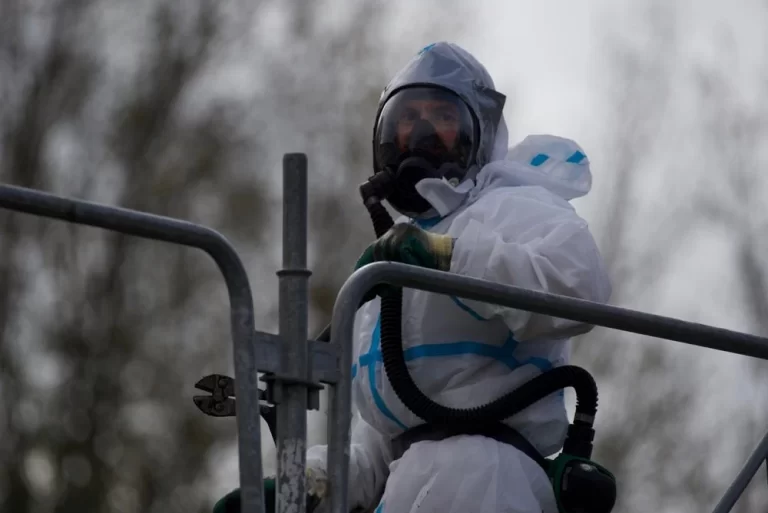
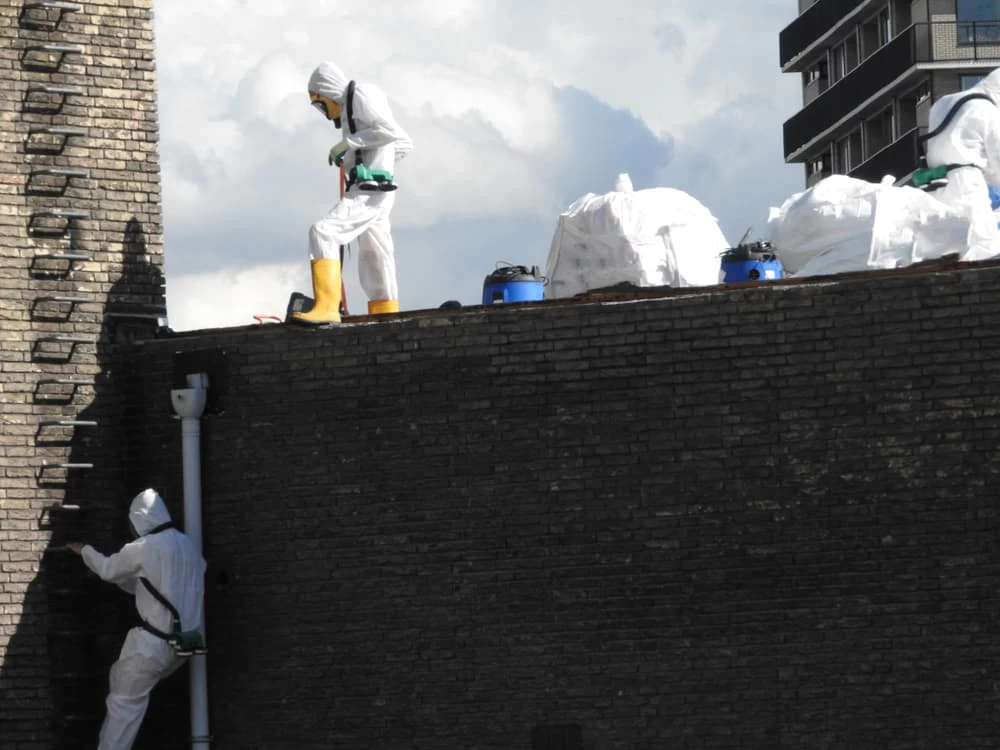
The physical abatement work follows strict containment protocols: negative air pressure enclosures, HEPA filtration, full protective equipment, and controlled removal of materials. When the work is complete, independent air clearance testing confirms the space is clean before containment comes down. All asbestos waste is double-sealed, properly labeled, and transported exclusively to NYSDEC-approved disposal facilities — which matters especially in Mill Neck, given the proximity to the Oyster Bay National Wildlife Refuge and Beaver Lake. You receive a complete documentation package at the end: air clearance results, waste disposal manifests, and project notifications on file.
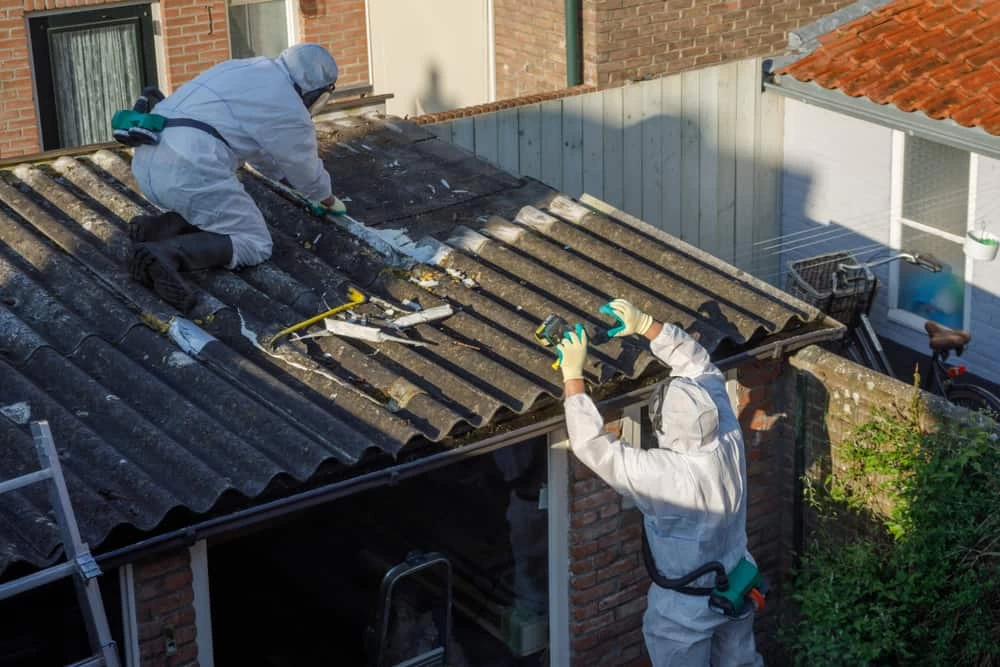
Asbestos shows up differently in estate-era properties than it does in mid-century suburban homes. In Mill Neck’s older structures, you’re often dealing with multiple material types in the same building — original pipe and boiler insulation in a large mechanical room, asbestos floor tiles in a service wing, popcorn or textured acoustic ceilings in living areas, roofing felt on a carriage house, and potentially asbestos siding on outbuildings that were built or renovated between the 1930s and 1970s. We handle all of it: asbestos tile removal, asbestos popcorn ceiling removal, pipe insulation abatement, roofing and siding material removal, and full structural remediation when a renovation requires clearing a space completely before reconstruction begins.
For institutional properties — and Mill Neck does have significant institutional building stock, including structures dating to 1922 and 1929 on the Mill Neck Manor campus — the scope and documentation requirements are more involved. Commercial and institutional abatement projects require the same NYS DOL licensing and Nassau County EHRP credentials, but the project notifications, containment plans, and air clearance protocols are scaled to the size of the building. We are equipped for both residential estate work and institutional-scale projects without subcontracting the licensed portions of the job.
Every project in Mill Neck, regardless of size, includes a pre-abatement survey, regulatory filing coordination, contained removal by certified technicians, post-abatement air clearance testing, and a complete documentation package. If you’re working with an architect or general contractor on a larger renovation, we coordinate directly with your project timeline so abatement doesn’t become the bottleneck that holds everything else up.
Does my Mill Neck home actually need an asbestos inspection before renovating?
If your home was built before 1980 — and the vast majority of Mill Neck’s residential properties were built well before that — then yes, New York State law requires a certified asbestos inspection before any renovation or demolition work that could disturb potential asbestos-containing materials. This isn’t optional, and it applies whether you’re doing a full gut renovation or a targeted project like replacing flooring or opening walls to update plumbing.
The reason this matters in Mill Neck specifically is the age and scale of the housing stock. A 1920s or 1930s estate property may have asbestos in a dozen different locations — pipe insulation, floor tiles, ceiling treatments, roofing materials, joint compound — and not all of it is visible before demolition begins. A certified inspection identifies where the materials are and what condition they’re in before your contractor touches anything. That step protects your workers, your family, and your renovation timeline.
What does asbestos abatement actually cost for a large estate property?
Cost depends heavily on the scope — how many materials are involved, how large the affected areas are, and how complex the containment setup needs to be. For a single-room tile or ceiling removal in a residential setting, projects can range from a few thousand dollars. For larger, multi-area abatement in an estate-scale property — which is more typical in Mill Neck — costs can scale significantly depending on square footage and material types.
What’s worth understanding is that the regulatory side has its own fixed costs regardless of project size. New York State requires project notification filings for larger abatement jobs, with fees ranging from $100 to $2,000 depending on scope. Those are non-negotiable. Any contractor who quotes you a number without accounting for those filings either isn’t planning to file them — which is a serious compliance risk — or isn’t being fully transparent about what the job actually involves. A legitimate quote covers the survey, the abatement work, the regulatory filings, air clearance testing, and waste disposal documentation.
How do I know if my popcorn ceiling or floor tiles contain asbestos?
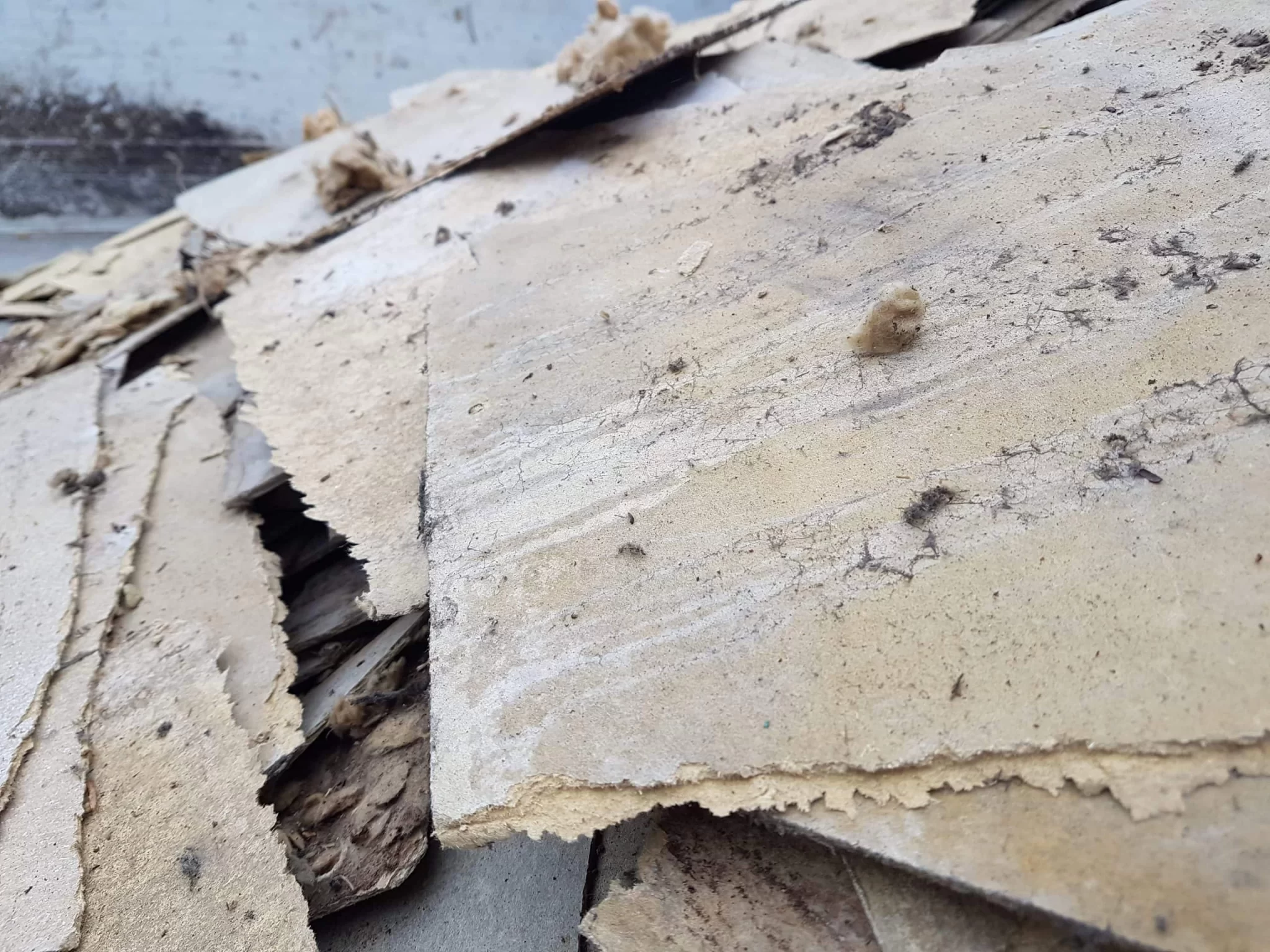
You can’t tell by looking at them. Asbestos-containing materials look identical to non-asbestos versions — the only way to know is to have a sample collected by a certified inspector and tested in an accredited laboratory. Popcorn and textured acoustic ceilings installed before the mid-1980s have a high likelihood of containing asbestos, as do vinyl floor tiles and the adhesive beneath them from the same era. Both are extremely common in the kind of pre-war and mid-century estate properties found throughout Mill Neck.
The important thing to understand is that intact, non-disturbed asbestos-containing materials aren’t necessarily an emergency. The risk comes when those materials are damaged, deteriorating, or about to be disturbed by renovation work. If you’re planning any project that involves removing or cutting into these surfaces, get the inspection done first. If materials are already showing signs of deterioration — crumbling, flaking, or water-damaged — that’s a situation where you want a certified assessment sooner rather than later.
Can asbestos abatement be done while my family is still living in the house?
In many cases, yes — but it depends on the scope of the work and where in the home it’s being performed. For contained, single-area projects like removing asbestos tile in a basement or abating pipe insulation in a utility room, it’s often possible to maintain occupancy in other parts of the home with proper containment in place. For larger projects involving multiple rooms or areas with shared HVAC systems, temporary relocation during the active abatement phase is typically the safer and more practical approach.
We set up negative air pressure containment zones that isolate the work area from the rest of the structure, which is the standard protocol under NYS Industrial Code Rule 56. The containment prevents fiber migration into occupied spaces. That said, every project is different, and in a large estate property with complex floor plans and mechanical systems, the right approach depends on a site-specific assessment. We’ll walk you through what’s realistic for your specific property before any work begins.
Does the salt air and coastal environment in Mill Neck make asbestos more of a concern?
It genuinely does. Mill Neck’s position along Oyster Bay Harbor and Mill Neck Bay means the properties here are exposed to salt air, elevated humidity, and significant seasonal moisture — conditions that accelerate the deterioration of older building materials. Pipe insulation, roofing felts, and exterior siding materials that contain asbestos are particularly vulnerable to this kind of environmental wear. Materials that were stable and non-friable years ago can become crumbly and fiber-releasing as moisture and salt air break them down over time.
Friable asbestos — material that can be crumbled by hand pressure — is the highest-risk category because it releases fibers into the air without any mechanical disturbance. For waterfront properties in Mill Neck that haven’t had an asbestos inspection in several years, a condition assessment is worth doing even if no renovation is planned. Catching deteriorating materials before they become a full-scale abatement emergency is almost always less disruptive and less expensive than dealing with an active release situation.
Do I need special permits for asbestos removal in the Village of Mill Neck?
Asbestos abatement in Mill Neck operates under a layered set of requirements. At the state level, New York’s Industrial Code Rule 56 governs all asbestos abatement work — including mandatory pre-renovation surveys, licensed contractor requirements, and project notification filings with the NYS Department of Labor for larger jobs. At the county level, Nassau County requires contractors to hold the Environmental Hazard Remediation Professional license and technicians to hold the Environmental Hazard Remediation Technician certification. Both of those are in addition to the state baseline, not instead of it.
At the village level, the Village of Mill Neck has its own Building Department with permit requirements for renovation and construction work. When asbestos abatement is part of a larger permitted renovation, the abatement documentation needs to be coordinated with the building permit process. We handle the regulatory coordination across all three levels — state notification filings, county compliance, and coordination with the village building department — so the permitting side of your project doesn’t become a separate project in itself.