Plandome's Pre-War Homes Deserve More Than a Guess
Most homes in Plandome were built before 1960. That means asbestos is less of a possibility and more of a probability — and removing it safely starts with calling the right team.
I needed a professional consultation explanation of procedure for safe removal of Asbestos in my apartment complex. Without having an account yet, I was very impressed with the caring, knowledgeable and generous advice offered by Jessica, and will look forward to doing business in the future. Thank you so much! I feel much more informed about a sometimes scary endeavor. Peace. Nancy Silva Mineola, NY.
Mia Munoz
Used this company to clean up some water flood in my house. They were fast and easy to work with.very professional, Would recommend to anyone!
Nini Valle
Great company, had a flood and they responded quickly and efficiently. Billed my insurance company directly. I highly recommend this company!
joe colapietro, jr
I had pipe freeze in my basement right before a snow storm and they made to within an hour to help start the clean up process. They we by our side throughout the entire process and even helped with the insurance company. They did such a great job with the cleanup, repair, remidiation, I contracted them to perform the repairs and finishes in the basement. They came with enough manpower and material to get the job done. Leo and Jessica were nothing but a pleasure to deal with!!
Cristian Arredondo c
I had some water damage in my home and Green Island was able to take care of my issue quickly and effectively. I am very pleased with the work they did. They responded quickly and were very professional.
Michael M
Outstanding service! From the office to the field crew everyone was friendly, helpful and responsive. I highly recommend Green Island Group.
You get to move forward. That renovation you’ve been planning, the sale you’re trying to close, the basement project that’s been on hold — none of that can happen cleanly until the asbestos question is answered and handled by someone who knows what they’re doing. When it is, everything downstream gets easier.
Plandome’s housing stock is some of the oldest in Nassau County. With over half the village’s homes built in 1939 or earlier, the materials used in original construction — floor tile adhesives, pipe insulation, ceiling texture applied in mid-century updates — were standard for the era. That’s not a knock on your home. It’s just the reality of owning a property with history, and it’s exactly the kind of work we handle every week on the North Shore.
What you’re really buying when you hire a certified abatement contractor isn’t just the removal itself. It’s the documentation. In Plandome’s real estate market, where homes regularly trade at multi-million dollar values, a clean clearance report protects your transaction, satisfies buyer due diligence, and gives you a permanent record that the work was done right — not just done.
Certified, Local, and Familiar With What's Inside Plandome's Walls
We’re a Nassau County-based environmental remediation contractor serving Plandome and the entire North Shore. Our team holds all required New York State Department of Labor licenses and certifications for asbestos abatement work — which, under NYS Industrial Code Rule 56, is the legal baseline before any abatement project can begin. Every worker on every job carries the appropriate NYS asbestos handling certificate. That’s not a differentiator — it’s the minimum. What actually sets our work apart is the experience behind it.
We serve all three Plandome villages, along with the Greater Manhasset area and surrounding communities. The homes here — the pre-war colonials, the estates near Manhasset Bay, the properties within walking distance of Plandome Station — are not generic Long Island housing stock. They require a team that understands what was built, when, and what that means for the scope of work ahead. We’ve worked on enough Plandome properties to know the difference between a 1920s colonial and a 1950s ranch, and what each era’s construction choices mean for asbestos risk.
No Surprises — Here's Exactly How the Work Gets Done
It starts with an inspection by a NYS-certified asbestos inspector — not a contractor eyeballing things, but a licensed professional whose job is to identify suspected asbestos-containing materials before anyone touches them. Under NYS Industrial Code Rule 56, this survey is required before any demolition, renovation, or repair work begins in a building. That applies to every home in Plandome, regardless of when it was built or what the scope of your project is.
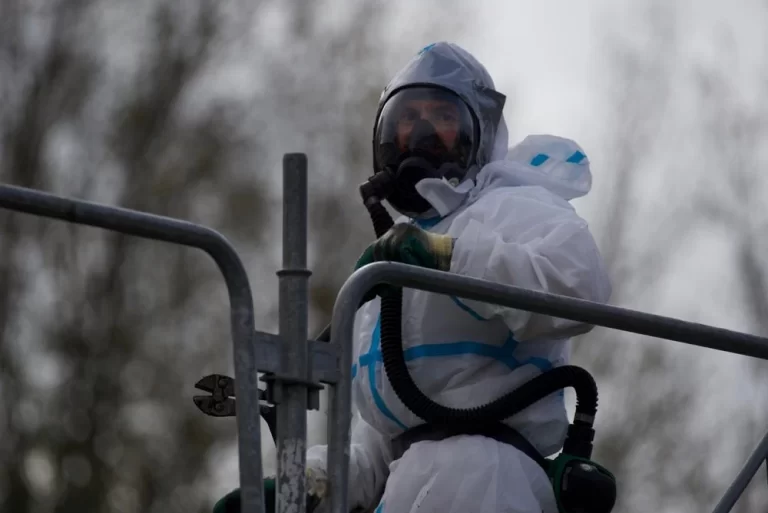
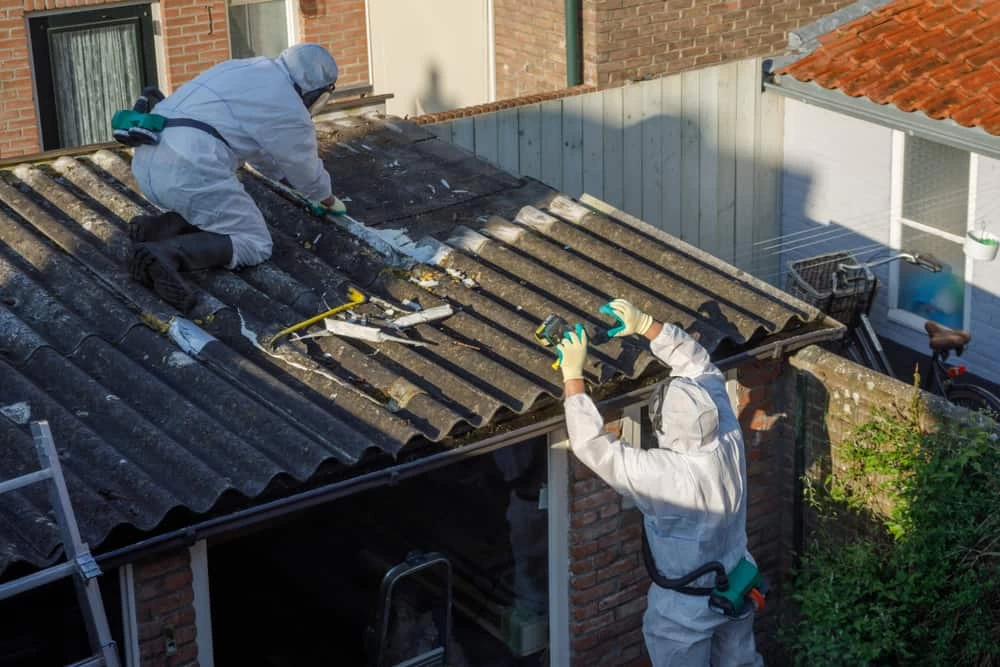
Once the inspection is complete and the materials are confirmed, we file the required advance notification with the NYS Department of Labor’s Asbestos Control Bureau — typically a minimum of 10 business days before work begins on larger-scope projects. From there, the job site is contained, negative air pressure is established, and removal proceeds under strict protocols designed to prevent fiber release. Air monitoring runs throughout the project, not just at the end.
When the work is done, clearance air testing is conducted by an independent third party. You receive the full documentation package — inspection report, DOL notification records, clearance results, and waste disposal manifests. For anyone in Plandome preparing for a renovation permit through the Town of North Hempstead Building Department or heading toward a real estate closing, that paperwork is not optional. It’s what protects you.
Asbestos Tile and Popcorn Ceiling Removal Plandome
The Materials Most Common in Plandome Homes — Handled Correctly
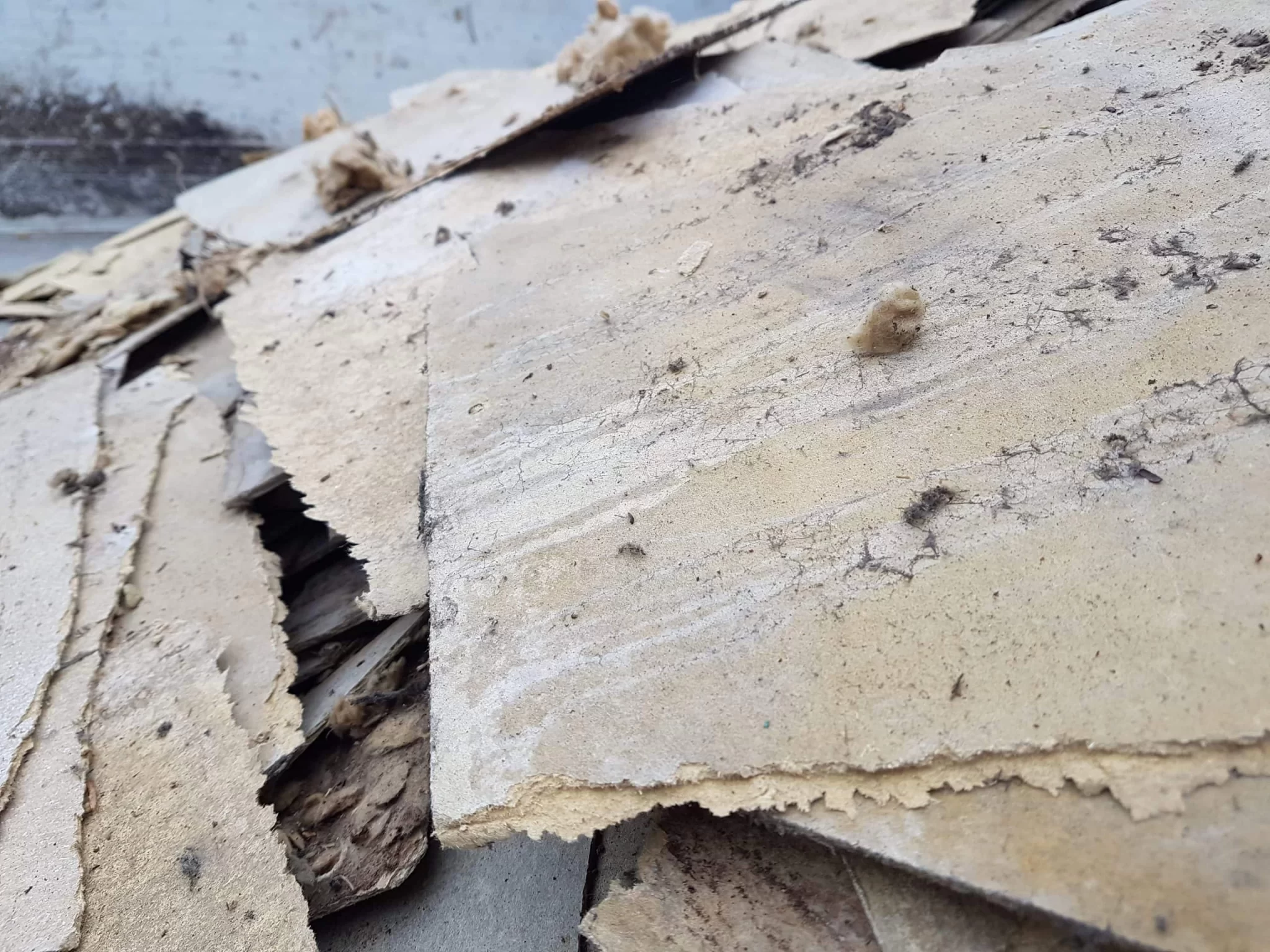
The most frequent asbestos discoveries in Plandome’s older homes fall into a few predictable categories. The 9×9 inch vinyl floor tiles that were standard in mid-century construction — along with the black mastic adhesive used to bond them — are among the most common finds during kitchen, basement, and utility room renovations. Pipe and boiler insulation in homes with original or near-original mechanical systems is another. And popcorn ceiling texture, which was widely applied from the late 1950s through the early 1980s, often shows up in homes that received mid-century updates even if the original structure predates that era.
We handle all of it — asbestos tile removal, asbestos popcorn ceiling removal, pipe insulation abatement, and full-scope remediation for larger projects. The approach is the same regardless of material type: contain the work area, protect adjacent surfaces and finishes, remove the hazardous material completely, and document every step. For homes with original hardwood floors or architectural details worth preserving, the containment process is designed with that in mind.
If your Plandome property is near Manhasset Bay and storm damage has compromised roofing, siding, or insulation, we offer emergency asbestos assessment. Disturbed ACMs in a storm-damaged home need to be evaluated before any repair or remediation work begins — not after.
Do I need an asbestos inspection before renovating my Plandome home?
Yes — and it’s not optional under New York State law. NYS Industrial Code Rule 56 requires that a certified asbestos inspector survey a building before any demolition, renovation, remodeling, or repair work begins. This applies to every residential property in Plandome, regardless of the scope of your project or the age of your home. There are no exemptions based on square footage or construction date.
In practical terms, this means that before your contractor starts demoing a kitchen, pulling up floors, or opening walls in a pre-war Plandome colonial, a licensed inspector needs to assess the materials that will be disturbed. If asbestos-containing materials are identified, abatement has to happen before the renovation proceeds. Skipping this step doesn’t just create a health risk — it creates legal exposure for you and your contractor, and it can complicate permit approvals through the Town of North Hempstead Building Department.
How much does asbestos abatement typically cost for a home in Plandome?
Cost depends on what’s being removed, how much of it there is, and where it’s located in the home. A straightforward floor tile and mastic removal in a single room is a different scope than a full basement pipe insulation abatement or a whole-house popcorn ceiling project. Most residential abatement jobs in the Nassau County area fall somewhere between a few hundred dollars for a limited-scope removal and several thousand for larger or more complex projects.
For Plandome homeowners, the more relevant frame is this: your home is likely worth several million dollars, and the cost of professional, certified abatement is a fraction of what an undocumented or improperly handled removal could cost you at closing. Buyers in this market conduct thorough inspections, and any red flags around asbestos — especially without proper clearance documentation — will surface. Getting it done right the first time is the better investment.
What asbestos-containing materials are most common in older Plandome homes?
Given that the majority of homes in Plandome were built before 1960, the materials you’re most likely to encounter are the ones that were standard in residential construction during that era. The 9×9 inch vinyl floor tiles used extensively in mid-century homes are one of the most common finds — along with the black adhesive used to install them, which almost always contains asbestos even when the tiles themselves don’t. Pipe and boiler insulation in homes with older heating systems is another frequent discovery, particularly in basements and utility areas.
Popcorn ceiling texture is worth flagging separately. Many Plandome homes that were built pre-war received interior updates in the 1950s through 1970s, and spray-applied ceiling texture from that period commonly contained chrysotile asbestos. Joint compound used in drywall installations through the early 1970s is also a known source. If your home has any of these materials and you’re planning work that will disturb them, a certified inspection is the right first call.
Can I sell my Plandome home without addressing asbestos that was found during inspection?
Technically, the presence of asbestos-containing materials in a home doesn’t automatically prevent a sale — but in Plandome’s market, it almost always becomes a negotiating issue or a deal condition. Buyers at this price point hire experienced inspectors and attorneys, and any identified ACMs will come up. The question is whether you address it before listing, during the transaction, or leave it for the buyer to negotiate around — and that last option rarely works in the seller’s favor.
The cleaner path is to have a certified abatement contractor handle the removal before you list, obtain the full documentation package, and present a home with a clear record. That documentation — the inspection report, DOL notification, clearance air test results, and disposal manifests — becomes part of your disclosure file and gives buyers confidence that the issue was resolved properly. In a market where homes near the Plandome Field and Marine Club or along the waterfront command premium prices, that confidence is worth protecting.
How long does asbestos abatement take, and will I need to leave my home?
Duration depends entirely on the scope of the project. A limited removal — one room, one material type — can often be completed in a single day. Larger projects involving multiple areas, pipe insulation systems, or whole-house ceiling texture can take several days to a week. We’ll give you a clear timeline before work begins, not a vague estimate after the crew shows up.
Whether you need to vacate depends on where the work is happening and how the containment is set up. For most interior abatement projects, the affected area is sealed off with negative air pressure containment, which means the rest of your home remains accessible. For more extensive projects or situations where the HVAC system could be a pathway for fiber migration, temporary relocation during the active removal phase is the safer choice. We’ll walk you through this during the pre-project consultation so you can plan accordingly.
Does storm damage to my Plandome home create an asbestos risk I need to act on quickly?
It can, and it’s worth taking seriously. Plandome’s location adjacent to Manhasset Bay puts older homes in the path of nor’easters and coastal storms that can cause real structural damage — compromised roofing, damaged siding, flooded basements. When that damage affects materials that contain asbestos, those materials can become friable, meaning fibers can be released into the air. At that point, the risk isn’t theoretical.
The practical concern is that most homeowners and general contractors want to move quickly after storm damage — and that urgency can lead to disturbing ACMs before anyone has assessed whether they’re present. In a pre-war Plandome home with original roofing materials, pipe insulation, or asbestos-cement siding, storm damage should trigger an asbestos assessment before repair crews start opening things up. We offer emergency response for exactly this scenario — assessment and abatement that clears the way for restoration work to proceed safely and without creating additional liability.