When the Walls Are Coming Down in Chinatown, the Permits Have to Come First
Most demolition jobs in Chinatown touch asbestos, lead paint, or both and most contractors aren’t equipped to handle that in-house. We are. One call, one crew, no handoffs.
I needed a professional consultation explanation of procedure for safe removal of Asbestos in my apartment complex. Without having an account yet, I was very impressed with the caring, knowledgeable and generous advice offered by Jessica, and will look forward to doing business in the future. Thank you so much! I feel much more informed about a sometimes scary endeavor. Peace. Nancy Silva Mineola, NY.
Mia Munoz
Used this company to clean up some water flood in my house. They were fast and easy to work with.very professional, Would recommend to anyone!
Nini Valle
Great company, had a flood and they responded quickly and efficiently. Billed my insurance company directly. I highly recommend this company!
joe colapietro, jr
I had pipe freeze in my basement right before a snow storm and they made to within an hour to help start the clean up process. They we by our side throughout the entire process and even helped with the insurance company. They did such a great job with the cleanup, repair, remidiation, I contracted them to perform the repairs and finishes in the basement. They came with enough manpower and material to get the job done. Leo and Jessica were nothing but a pleasure to deal with!!
Cristian Arredondo c
I had some water damage in my home and Green Island was able to take care of my issue quickly and effectively. I am very pleased with the work they did. They responded quickly and were very professional.
Michael M
Outstanding service! From the office to the field crew everyone was friendly, helpful and responsive. I highly recommend Green Island Group.
What Actually Changes When the Right Contractor Shows Up in Chinatown
Chinatown’s building stock is old genuinely old. Most of what’s standing on Mott Street, East Broadway, and Doyers Street was built between the 1870s and 1940s. That means before a single wall comes down, there’s a real chance you’re dealing with asbestos-containing materials, lead paint, or both. If your contractor isn’t certified to handle that in-house, your project stops the moment it starts.
When you work with a demolition contractor who manages the full scope hazardous material assessment, abatement, permitting, and physical demolition under one roof your timeline stays intact. You’re not waiting on a separate abatement crew to finish before our demo team can come in. You’re not coordinating between three different companies while your restaurant sits empty or your renovation stalls.
In a neighborhood this dense, the logistical pressure is real. Canal Street isn’t a staging area. The buildings share walls. Every hour of unnecessary delay costs you money. What changes when the right contractor shows up is simple: the job moves, the compliance is handled, and you’re not left managing the chaos yourself.
340 NYC Demolition Projects and Counting Including Chinatown and Lower Manhattan
We’ve been operating for over 12 years with more than 340 demolition projects completed across New York City’s five boroughs. That includes the kind of dense, narrow-street environments that define Chinatown and Lower Manhattan buildings with shared walls, limited equipment access, and a regulatory framework that requires coordination across the DOB, DEP, and FDNY before a single permit gets signed.
Our team is EPA and OSHA certified for hazardous material handling, licensed by the NYC Department of Buildings, and holds Certified Minority and Woman-Owned Business Enterprise (MWBE) status. These aren’t just credentials on a website they’re verifiable, government-issued, and directly relevant to the work Chinatown properties require.
Customers consistently name specific team members in their reviews. That kind of accountability matters in a neighborhood where word-of-mouth still drives decisions and where one bad contractor experience can set a project back by months.
No Surprises Here's How a Chinatown Demolition Actually Gets Done
It starts with an assessment. Before anything is quoted or scheduled, we evaluate the site the structure, the materials, and what the NYC DOB and DEP are going to require before a permit gets issued. In Chinatown, where virtually every building predates 1987, that assessment almost always includes an asbestos review. This step isn’t optional, and any contractor who skips it is setting you up for a stop-work order.
From there, we handle the permit process entirely. That means the DOB demolition application, the DEP asbestos abatement authorization if needed, FDNY coordination for hazardous materials, and NYC DOT permits for any street or sidewalk access required to stage equipment on Canal Street or surrounding blocks. You don’t make a single trip to a city agency.
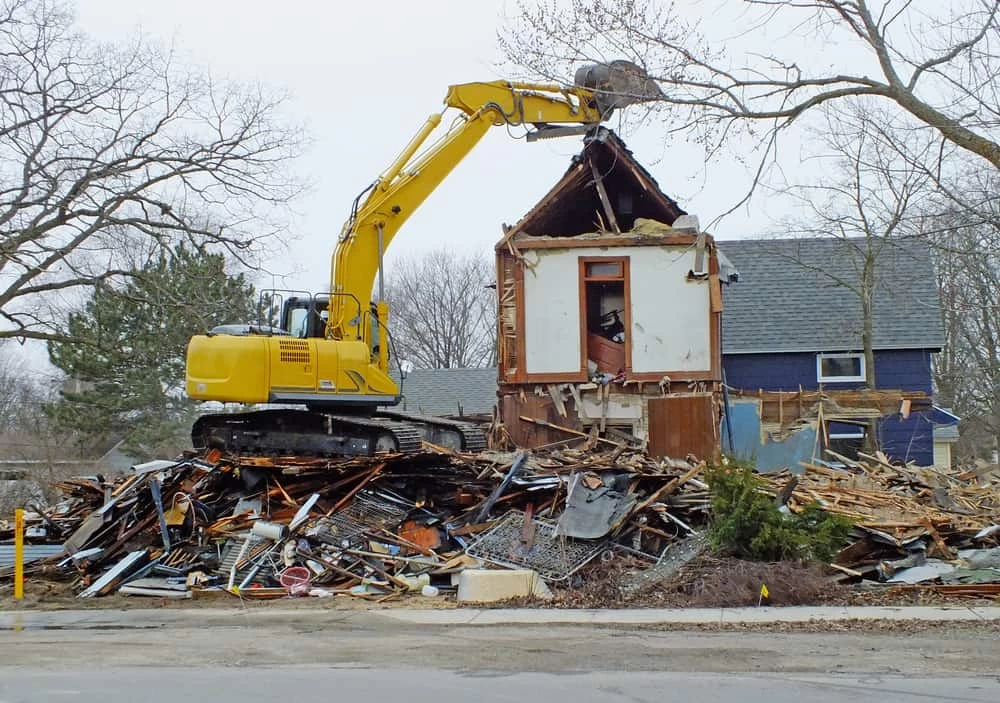
Once permits are in place, the physical work begins whether that’s a full structural teardown, a commercial interior gut-out, or a selective interior demolition in a shared-wall tenement. We work with the reality of the neighborhood: tight access, active neighbors, and zero margin for dust containment failures. When the job is done, the site is clean, documented, and ready for whatever comes next.
Residential Demolition Contractor Chinatown New York
Every Chinatown Project Gets the Full Compliance Treatment
Demolition in Chinatown isn’t a one-size-fits-all job. A restaurant gut-out on Canal Street has different requirements than a tenement renovation on Pell Street or a full structural teardown near Chatham Square. We handle all of it commercial demolition, residential demolition, interior selective demo, and post-damage teardowns following fire or flood events.
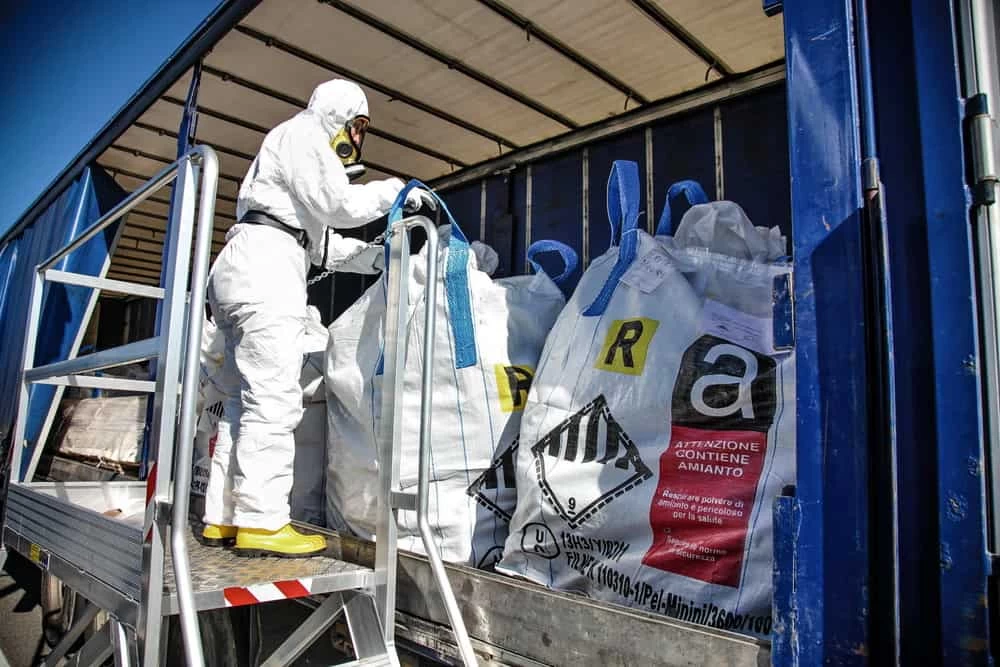
Every project includes in-house asbestos abatement and lead paint assessment for pre-1978 structures, which covers nearly every building in the neighborhood. There’s no referral to a separate abatement company, no gap in liability, and no delay between the hazardous material phase and the physical demolition. We also manage all NYC Local Law 196 site safety compliance, which mandates specific training credentials for workers on covered demolition projects in the city.
For emergency situations a fire-damaged kitchen, a flood-compromised basement, structural damage from a storm we’re available 24 hours a day. Customers have described response times of under an hour. In a neighborhood where a closed restaurant means lost revenue by the hour, that availability isn’t a bonus feature. It’s the whole point.
Do I need an asbestos inspection before demolition in my Chinatown building?
Yes and in Chinatown specifically, the answer is almost certainly yes before you even ask. Under NYC DEP rules, any building constructed before 1987 requires an asbestos assessment before a demolition permit can be signed off. Given that Chinatown’s housing stock is predominantly pre-war most of it built between the 1870s and 1940s virtually every project in the neighborhood triggers this requirement.
The assessment involves identifying asbestos-containing materials (ACMs) like pipe insulation, floor tiles, ceiling tiles, roofing materials, and wall compounds. If ACMs are found, an asbestos abatement permit must be obtained from the DEP, and the DEP must be notified at least seven days before abatement work begins. Skipping this step doesn’t save time it results in stop-work orders, fines, and a project that’s now behind schedule and over budget. We handle the assessment and, if needed, the abatement entirely in-house so there’s no gap between phases.
What permits are required for a demolition project in Manhattan?
Demolition in Manhattan requires coordination across several city agencies, and the permit list is longer than most people expect. You need a demolition permit from the NYC Department of Buildings, which requires engineering drawings, a site safety plan, and documentation of utility disconnection for full demolitions. For pre-1987 buildings which is most of Chinatown you also need an asbestos assessment submitted to the DOB before the application can be approved.
If asbestos is present, a separate abatement permit from the NYC DEP is required. The FDNY issues additional permits for hazardous materials work. And if your project requires staging equipment on a public sidewalk or closing a lane on Canal Street or the Bowery, you’ll need a NYC DOT permit for that access as well. Missing any one of these can shut your project down mid-job. We manage the entire permit process from start to finish you don’t fill out a single form or make a single agency call.
How long does a demolition project typically take in a dense NYC neighborhood like Chinatown?
Timeline varies significantly depending on the scope of work, but the permit phase is usually what determines how fast a project moves not the physical demolition itself. In Chinatown, where asbestos assessment and DEP abatement authorization are almost always required, you’re looking at a minimum seven-day DEP notification window before abatement can begin, plus however long the DOB takes to process the demolition permit application.
For a commercial interior gut-out a restaurant kitchen or retail space, for example the physical demolition itself might take two to five days once permits are in place. A full structural teardown takes longer and requires more extensive site safety planning. The biggest delays in Chinatown projects typically come from contractors who didn’t anticipate the asbestos review requirement or who didn’t coordinate DOT street access permits before equipment arrived on-site. When the permit process is handled correctly from the start, the physical work moves quickly.
Can a demolition contractor in Chinatown help with insurance claims after fire or water damage?
Yes, and this is more relevant in Chinatown than in most other neighborhoods. The combination of century-old electrical systems, dense occupancy, and aging plumbing in pre-war tenements makes fire and water damage events a recurring reality here. When damage happens, the demolition phase tearing out the compromised structure before restoration can begin is often what insurance carriers need documented before they’ll authorize the next phase of work.
We have direct experience working alongside insurance carriers on damage-related demolition and restoration projects. That means we can help document the scope of damage, communicate with your adjuster in the language they expect, and provide the kind of itemized, permit-backed project record that supports your claim rather than complicating it. Multiple verified customer reviews specifically mention our help navigating the insurance process from start to finish not just completing the physical work and handing over a bill.
What's the difference between selective demolition and full demolition and which do I need in Chinatown?
Selective demolition means removing specific elements of a structure a kitchen, a bathroom, a partition wall, a ceiling while leaving the rest of the building intact. Full demolition means taking the entire structure down to the ground. In Chinatown, selective interior demolition is by far the more common service, driven by the neighborhood’s high concentration of restaurants and retail spaces that need gut-outs during tenant changeovers or renovations, and by the density of residential buildings where full teardowns are rarely practical or permitted.
The distinction matters for permitting as well. Selective interior demolition in a residential or commercial building still requires proper permits and asbestos assessment for pre-1987 buildings it’s not permit-free just because you’re not taking the whole building down. Full structural demolition requires a more extensive DOB application, engineering documentation, and a formal site safety plan. We can assess your specific situation and tell you exactly what’s required for your property before any work begins.
Does Green Island Group handle demolition projects near the Chinatown Historic District?
Yes. The Chinatown and Little Italy Historic District was listed on the National Register of Historic Places in 2010, which recognizes the architectural significance of the neighborhood’s pre-war building stock tenements, civic buildings, and religious structures that represent over a century of immigrant New York. National Register listing doesn’t automatically restrict private property alterations the way a local landmark designation does, but it does signal that the built environment here requires a careful, considered approach to demolition work.
Our experience with selective demolition in shared-wall buildings where removing one element without disturbing adjacent structure or neighboring units requires real technical precision is directly applicable to the kind of work Chinatown properties demand. For any structure that carries a local Landmarks Preservation Commission designation, we coordinate accordingly before a single permit is pulled. If you’re not sure whether your property falls under any historic designation, that’s part of the initial assessment conversation not something you should have to figure out on your own.