When your building was constructed before 1940, demolition isn’t just swinging a hammer it’s asbestos surveys, DEP filings, DOB permits, and board approvals before anyone touches a wall. We handle all of it, so your project doesn’t stop the moment it starts.
I needed a professional consultation explanation of procedure for safe removal of Asbestos in my apartment complex. Without having an account yet, I was very impressed with the caring, knowledgeable and generous advice offered by Jessica, and will look forward to doing business in the future. Thank you so much! I feel much more informed about a sometimes scary endeavor. Peace. Nancy Silva Mineola, NY.
Mia Munoz
Used this company to clean up some water flood in my house. They were fast and easy to work with.very professional, Would recommend to anyone!
Nini Valle
Great company, had a flood and they responded quickly and efficiently. Billed my insurance company directly. I highly recommend this company!
joe colapietro, jr
I had pipe freeze in my basement right before a snow storm and they made to within an hour to help start the clean up process. They we by our side throughout the entire process and even helped with the insurance company. They did such a great job with the cleanup, repair, remidiation, I contracted them to perform the repairs and finishes in the basement. They came with enough manpower and material to get the job done. Leo and Jessica were nothing but a pleasure to deal with!!
Cristian Arredondo c
I had some water damage in my home and Green Island was able to take care of my issue quickly and effectively. I am very pleased with the work they did. They responded quickly and were very professional.
Michael M
Outstanding service! From the office to the field crew everyone was friendly, helpful and responsive. I highly recommend Green Island Group.
The FDR Drive corridor is one of the most active renovation markets in the country, and also one of the most regulated. Pre-war buildings throughout Midtown East, Turtle Bay, Kips Bay, and Yorkville are almost guaranteed to contain asbestos-containing materials in pipe insulation, floor tile mastic, plaster, and more. If your contractor doesn’t hold the certifications to handle that in-house, your project stops the moment it’s discovered.
When asbestos abatement and demolition are handled by the same team, you don’t lose weeks waiting for a separate crew to get permitted and mobilized. The survey, the DEP notification, the abatement, and the demolition all move on one timeline. That’s what keeps a gut renovation in a Sutton Place co-op from turning into a four-month ordeal.
For property owners along the East River waterfront near Franklin D Roosevelt, there’s another layer to consider. This corridor has real flood exposure Hurricane Sandy made that clear when the FDR Drive itself was submerged. Buildings that took on water, fire, or structural damage need a demolition contractor who can respond fast and document everything properly for the insurance claim. That combination of speed, credentials, and claim support is what this market actually demands.
340+ Borough Projects. Zero Surprises on Permit Day.
We’ve been doing demolition and environmental work across New York’s five boroughs for over 12 years, with more than 340 completed demolition projects in the boroughs alone. That number matters here because Manhattan’s regulatory process DOB permits, DEP asbestos clearances, Local Law 196 compliance, co-op board documentation is not something you figure out on your first project. It’s something you’ve either done dozens of times or you haven’t.
Our team is NYC Department of Buildings licensed, EPA and OSHA certified for hazardous materials, and holds MWBE certification through New York State. Those aren’t checkboxes they’re the credentials that let your project move through DOB NOW without getting flagged, pass co-op board review without a second request, and clear DEP without delays.
From the Lower East Side to East Harlem, and every neighborhood in between that lines the FDR Drive corridor near Franklin D Roosevelt, we’ve worked in the building stock, navigated the agencies, and delivered clean, documented project completions that hold up.
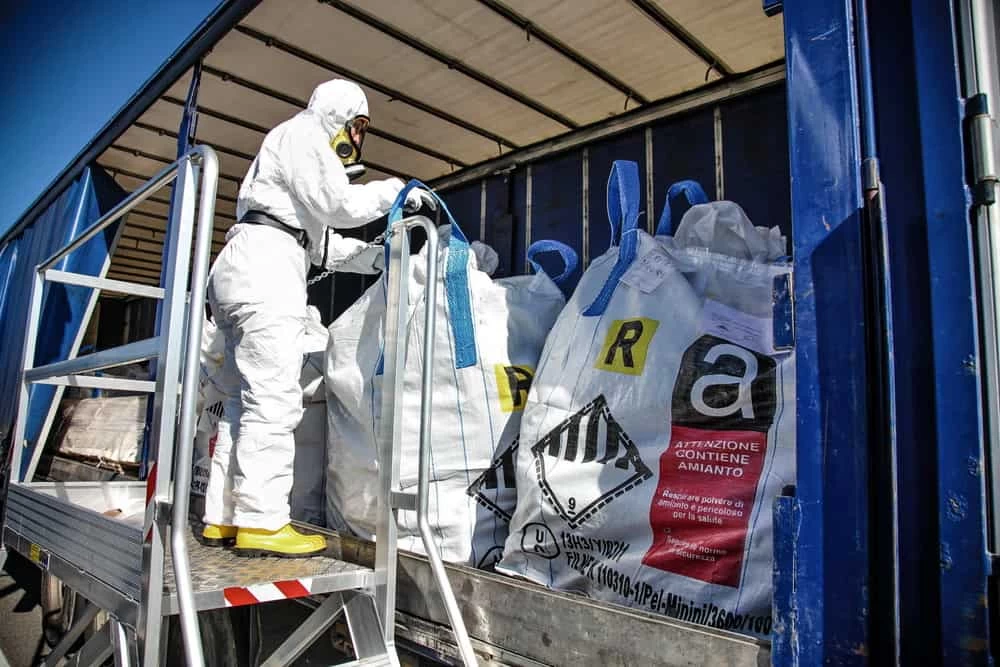
It starts with a pre-demolition assessment. In Manhattan’s pre-war building stock, that means an asbestos investigation by EPA-certified professionals before any scope or pricing is finalized. If asbestos-containing materials are present and in buildings constructed before 1940, they usually are an ACP-7 notification is filed with the NYC Department of Environmental Protection, and certified abatement is completed before demolition begins. This isn’t a detour in the process. It’s built into it.
From there, the DOB permit application moves through DOB NOW with the required site safety plan, utility disconnection documentation, and asbestos clearance forms attached. For co-op and condo owners throughout the FDR corridor, we also prepare the full contractor documentation package insurance certificates, license numbers, DOB registration, work plans so your board review doesn’t stall the project before it starts.
Once permits are cleared and approvals are in hand, demolition begins. Dust containment, noise management, and protection of adjacent units are handled as standard not as add-ons because in a building where you share walls, floors, and mechanical systems with your neighbors, those aren’t optional. When the work is done, you get complete documentation of everything that was done, how it was disposed of, and what was filed, so your records are clean and your project can move forward.
Residential and Commercial Demolition Contractors, NYC
Every Permit Filed. Every Hazard Handled. In-House.
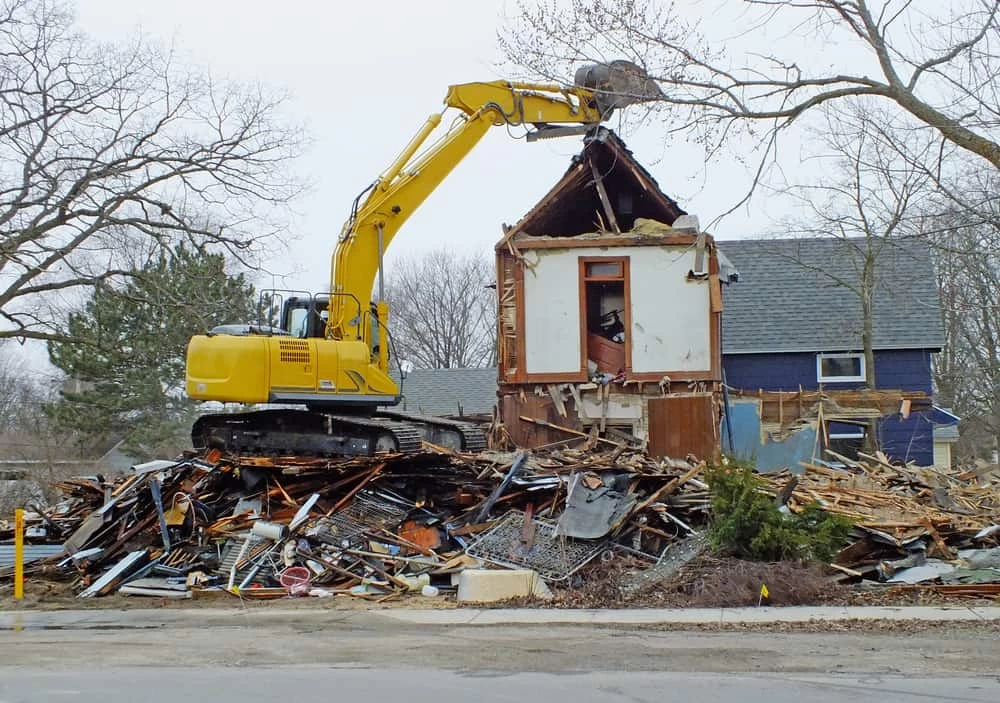
We handle the full scope of demolition work in the Franklin D Roosevelt area interior gut demolition, selective demolition, structural alterations, and full commercial teardowns. Whether it’s a gut renovation in a Murray Hill co-op, a retail demolition in Midtown East, or a multi-unit project in Yorkville, the same licensed, certified team handles every phase.
Asbestos abatement and lead paint removal are managed in-house, which means no third-party abatement contractor, no scheduling gap, and no mid-project surprise that blows your budget. We hold NYS Department of Labor asbestos contractor licensing, EPA certification under the RRP Rule for pre-1978 buildings, and OSHA certification for hazardous material handling the full stack of credentials required for legal demolition work in Manhattan’s pre-war building stock.
For water damage, fire damage, or storm-related demolition a real scenario for properties along the East River waterfront we’re available 24 hours a day and can respond to emergencies the same day. We also work directly with insurance adjusters, document damage for claims, and help property owners navigate the process from first call to final filing. If you’re a building owner, property manager, or developer with a larger commercial scope, our MWBE certification and New York State agency approvals make us a qualified contractor for projects with public or institutional funding requirements.
Do I need an asbestos inspection before demolition in my Franklin D Roosevelt building?
Yes and in Manhattan, this isn’t optional. Under NYC rules, any demolition permit application submitted through DOB NOW requires an ACP-5 form, which certifies that the building has been investigated for asbestos-containing materials. If ACMs are found, you cannot proceed with demolition until an ACP-7 notification is filed with the NYC Department of Environmental Protection and a licensed abatement contractor completes the removal and obtains DEP clearance documentation.
In the FDR Drive corridor near Franklin D Roosevelt, where the building stock is heavily concentrated in pre-war construction buildings put up before 1940 in neighborhoods like Turtle Bay, Sutton Place, and the Lower East Side asbestos is not a remote possibility. It’s a near-certainty in pipe insulation, floor tile mastic, plaster, and ceiling materials. The practical answer is: assume it’s there, get it tested before you start, and work with a contractor who can handle both the abatement and the demolition under one roof so your project doesn’t stop the moment the survey comes back positive.
How do I get my co-op board to approve demolition work in my Franklin D Roosevelt apartment?
Most co-op and condo buildings throughout Franklin D Roosevelt and the surrounding FDR corridor Midtown East, Kips Bay, Yorkville, Murray Hill require board approval before any demolition or renovation work begins. The board typically wants to see your contractor’s DOB registration number, general liability and workers’ compensation insurance certificates, a scope of work, and sometimes engineering drawings depending on the extent of the project. Some buildings also require a work agreement signed between the contractor and the building.
The process can move quickly or drag on depending on how complete your documentation package is when you submit it. A contractor who doesn’t have their DOB credentials current, their insurance certificates formatted correctly, or their license numbers readily available will cause delays at the board review stage before a single permit is even filed. When you work with us, the documentation package is ready before you ask for it, and the board review process doesn’t become a project bottleneck.
What does a gut renovation demolition actually cost in Manhattan?
For a standard gut demolition in a Manhattan apartment stripping to the studs, removing flooring, taking out kitchen and bathroom fixtures, and clearing all debris you’re generally looking at $100 to $200 per square foot as part of a broader renovation project. On a 1,000-square-foot apartment, that puts the demolition phase alone at $100,000 to $200,000 before any rebuilding begins. Larger projects or those requiring structural changes will sit at the higher end of that range.
What often catches people off guard is what happens when asbestos or lead paint is discovered after demolition has already started. A mid-project abatement can add tens of thousands of dollars to a budget that was already scoped and contracted. The way to avoid that is a thorough pre-demolition hazardous material survey before any pricing is finalized so what you’re quoted reflects the complete scope of work, not just the parts that are visible before the walls come down. In Manhattan’s pre-war building stock, that survey isn’t a precaution. It’s standard practice.
What NYC permits are required for interior demolition in a Manhattan building?
For interior demolition in Manhattan, the permit type depends on the scope of work. A straightforward interior demo removing non-structural walls, flooring, and fixtures typically requires an Alteration Type 2 (Alt-2) permit filed through DOB NOW. If the work involves changes to the building’s structural system or primary use, an Alt-1 may be required. Full demolition of a building or removal of more than 50% of the floor area requires a standalone demolition permit, and the contractor must hold a DOB Safety Registration Number with a Demolition Endorsement.
In all cases, the permit application must be accompanied by an asbestos investigation report either an ACP-5 certifying the building is free of ACMs, or DEP completion documentation if abatement was required. A site safety plan and utility disconnection letters are also standard requirements. The filing process runs through DOB NOW, and for covered projects, all workers on-site must hold valid SST cards under NYC Local Law 196. This is not a process most property owners should try to manage on their own a contractor who files permits regularly in Manhattan will move through it far faster than someone navigating it for the first time.
Can a demolition contractor in the Franklin D Roosevelt area also handle emergency flood damage?
Yes, and for properties along the East River waterfront near Franklin D Roosevelt, that capability matters more than it might elsewhere. The FDR Drive corridor has documented flood exposure Hurricane Sandy in 2012 submerged the FDR Drive itself and caused serious structural damage to buildings throughout the East Side waterfront. Properties in flood zones along this corridor face ongoing risk from storm surge, and older pre-war buildings throughout neighborhoods like the Lower East Side and East Harlem have aging infrastructure that is vulnerable to pipe failures and water infiltration during winter storms.
When water damage reaches the point where structural demolition is needed removing compromised walls, flooring, or structural elements before mold sets in the response window is short. We’re available 24 hours a day for emergency demolition and water damage response, and we work directly with insurance adjusters to document the damage, support the claim, and handle the remediation and demolition under one engagement. That means you’re not coordinating between a restoration company, a demolition crew, and an abatement contractor while your building is actively deteriorating.
How long does the demolition permit process take in New York City?
It depends on the scope and how complete the application is when it’s submitted. A straightforward interior demolition permit in Manhattan can be approved in a few business days through DOB NOW’s online filing system if the application is complete asbestos clearance documentation, site safety plan, utility letters, and contractor credentials all in order. If anything is missing or flagged for review, it goes into plan examination and the timeline extends significantly.
Where projects in the FDR corridor most commonly get delayed is at the asbestos step. If a contractor submits a permit application before the asbestos investigation is complete, or if the ACP-5 form is missing, DOB will not issue the permit. If ACMs are found and DEP abatement notification and completion documentation are required, that process adds additional time before the demolition permit can move forward. The practical way to compress the overall timeline is to run the asbestos survey and the permit preparation simultaneously, so that by the time the survey is complete, the rest of the application is ready to file. We handle both in-house abatement and demolition so we can manage that sequencing in a way that a demolition-only contractor simply cannot.