Most of Manhattanville’s building stock predates 1987 which means asbestos assessments, ACP-5 certifications, and DOB permits before a single wall comes down. We handle all of it, so your demolition project starts right and finishes clean.
I needed a professional consultation explanation of procedure for safe removal of Asbestos in my apartment complex. Without having an account yet, I was very impressed with the caring, knowledgeable and generous advice offered by Jessica, and will look forward to doing business in the future. Thank you so much! I feel much more informed about a sometimes scary endeavor. Peace. Nancy Silva Mineola, NY.
Mia Munoz
Used this company to clean up some water flood in my house. They were fast and easy to work with.very professional, Would recommend to anyone!
Nini Valle
Great company, had a flood and they responded quickly and efficiently. Billed my insurance company directly. I highly recommend this company!
joe colapietro, jr
I had pipe freeze in my basement right before a snow storm and they made to within an hour to help start the clean up process. They we by our side throughout the entire process and even helped with the insurance company. They did such a great job with the cleanup, repair, remidiation, I contracted them to perform the repairs and finishes in the basement. They came with enough manpower and material to get the job done. Leo and Jessica were nothing but a pleasure to deal with!!
Cristian Arredondo c
I had some water damage in my home and Green Island was able to take care of my issue quickly and effectively. I am very pleased with the work they did. They responded quickly and were very professional.
Michael M
Outstanding service! From the office to the field crew everyone was friendly, helpful and responsive. I highly recommend Green Island Group.
What Changes When You Work With a Crew That Knows Manhattanville's Buildings
When you’re gutting a pre-war brownstone off Riverside Drive or clearing out a converted industrial space near Broadway and 125th, the biggest risk isn’t the demolition itself it’s what gets discovered once the walls open. Asbestos in pipe insulation. Lead paint on every surface. Systems that haven’t been touched since the Eisenhower administration. If your contractor isn’t equipped to handle those finds in-house, your project stops cold while you scramble for someone who is.
We bring asbestos abatement, lead paint removal, and full demolition under one roof. That means no handoffs, no subcontractors materializing mid-project, and no surprise invoices because something unexpected turned up behind the drywall. In Manhattanville, where nearly every standing building triggers mandatory pre-demolition hazmat assessment, having one team that owns the entire process from the ACP-5 certification through final debris removal is the difference between a project that moves and one that stalls.
The valley position Manhattanville sits in also creates real moisture exposure for ground-floor and basement spaces. Drainage issues, aging plumbing in pre-war structures, proximity to the Hudson water damage is a recurring reality here. When it happens, the demo work needs to move fast to prevent mold from taking hold. We operate 24/7, which means you’re not waiting until Monday morning to get someone on-site.
We’ve been operating across New York State for over 12 years, with more than 5,000 completed projects and 340-plus demolition jobs across all five NYC boroughs, including extensive work throughout Manhattanville and West Harlem. We’re EPA and OSHA certified, licensed by the NYC Department of Buildings, and hold state-verified MWBE certification a credential that matters in a neighborhood that has fought publicly and loudly for equitable contracting throughout Columbia University’s campus expansion and the ongoing Manhattanville Houses PACT renovation.
This isn’t a company that sends a crew and disappears. Named team members show up in verified customer reviews. Our 4.7-star rating on Birdeye reflects real interactions, not a marketing campaign. When you’re managing a renovation in a pre-war building near Grant’s Tomb or a commercial teardown along the Broadway corridor, you need a contractor whose license you can verify online and whose track record you can actually read. That’s what we bring to Manhattanville.
From Permit Filing to Final Cleanout Here's the Sequence
The first thing we do is assess the scope what’s coming down, what’s staying, and what the building is made of. In Manhattanville, that last question almost always matters. If the structure predates April 1, 1987, a certified asbestos investigator conducts the pre-demolition survey before anything else happens. That survey feeds directly into the ACP-5 certification process, which the NYC Department of Buildings requires before issuing a demolition permit. We manage that entire filing you don’t touch the paperwork.
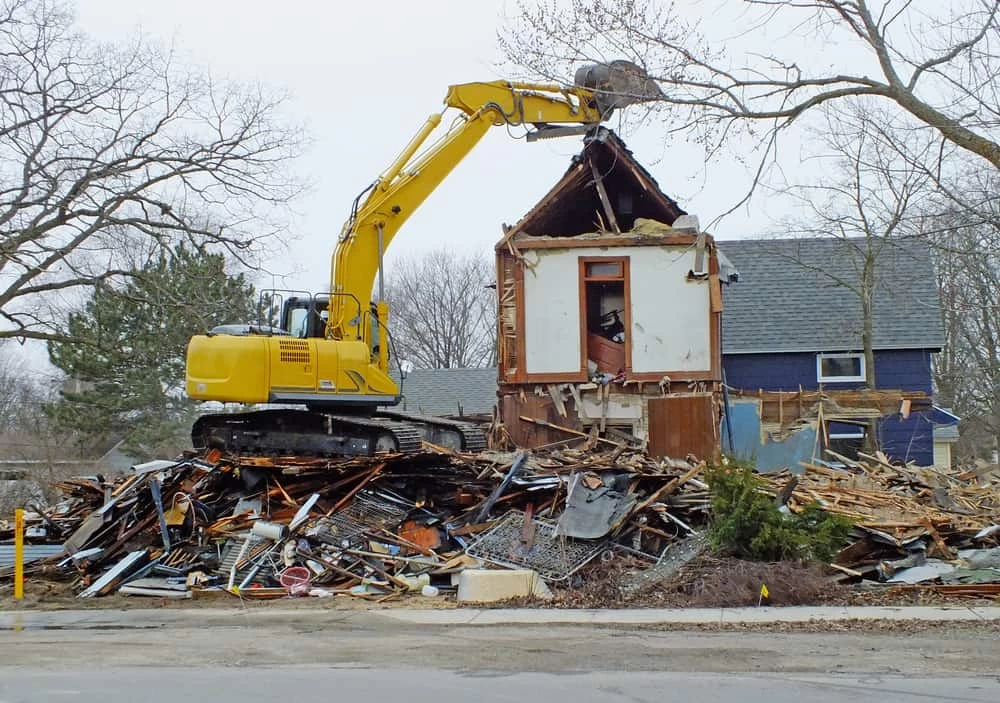
Once the hazmat assessment is clear and the DOB permit is issued, the physical work begins. Selective interior demolition removing finishes, fixtures, flooring, or specific structural elements while preserving what stays is handled with the kind of precision that matters in dense urban buildings where your neighbors are twelve inches away. Full structural teardowns follow a site safety plan that meets NYC Local Law 196 requirements, including proper site safety training credentials for every worker on-site.
After the demo is done, debris is removed and the site is left clean. If abatement was required asbestos, lead, mold all documentation is provided for your records and for any future DOB filings. In Manhattanville, where DOB violations follow a building’s history and can complicate refinancing or resale, that paper trail has real value.
Commercial Demolition Contractors Near Manhattanville NY
Every Scope Covered From a Gut-Out to a Full Teardown
We handle the full range of demolition work that Manhattanville property owners actually face. Interior selective demolition for pre-war apartments, brownstones, and co-ops. Commercial teardowns and site prep for the kind of mixed-use and institutional development that’s been reshaping the neighborhood between 125th and 133rd Streets. Emergency demolition for water-damaged or fire-damaged structures where time is the deciding factor. And for properties with environmental complexity former industrial buildings, converted warehouses, structures with known or suspected hazardous materials full environmental remediation runs alongside the demo work, not after it.
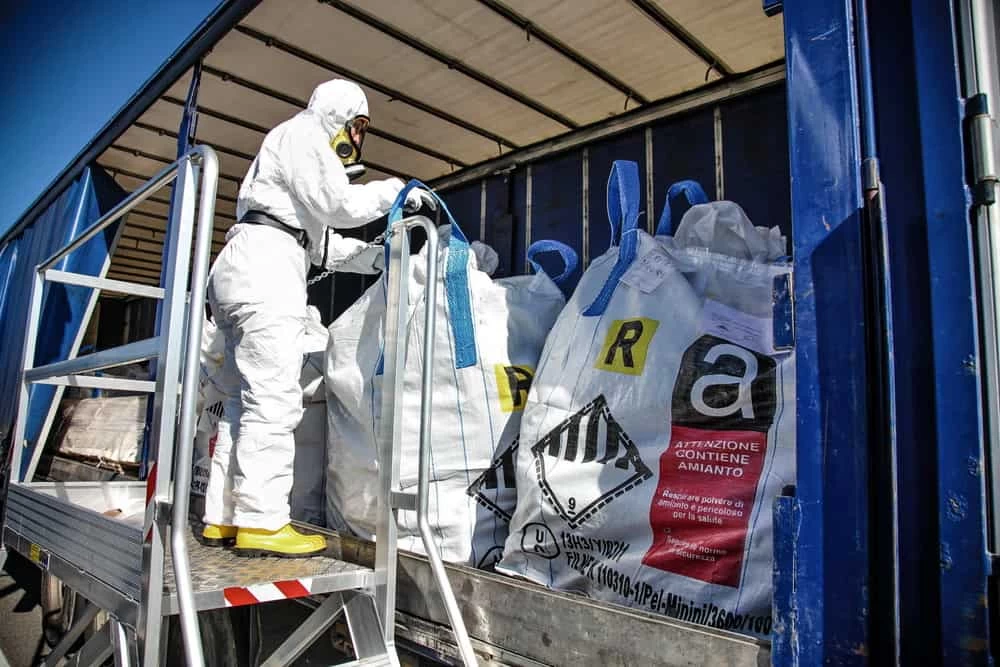
The asbestos abatement piece is worth understanding specifically. In Manhattanville, where the building stock includes everything from 1890s tenements to 1960s public housing towers like the Manhattanville Houses, asbestos-containing materials show up in pipe insulation, floor tiles, boiler systems, and roofing. Our EPA-certified professionals identify, contain, and remove those materials legally and completely with DEP notification filed at least seven days before abatement begins, exactly as required. There’s no gray area in how this gets handled.
For institutional buyers, Columbia-adjacent projects, or any work connected to public agency contracts, our MWBE certification and state agency approval meet the contracting standards those projects require. Whether it’s a single apartment gut-out or a multi-phase commercial demolition, the licensing, the insurance, and the compliance documentation are already in place.
Do I need a permit for interior demolition in my Manhattanville apartment?
In most cases, yes and the process is more involved than most people expect. The NYC Department of Buildings requires a permit for interior demolition work that affects structural elements, plumbing, electrical systems, or load-bearing walls. Even for non-structural gut-outs in Manhattanville apartments, your building’s co-op or condo board may require its own approval process before any contractor sets foot on the floor.
The bigger issue in Manhattanville specifically is the asbestos requirement. Any building constructed before April 1, 1987, requires an ACP-5 Asbestos-Free Certification before the DOB will issue a demolition or renovation permit. Given that virtually every residential building in the neighborhood predates that threshold, this step isn’t optional it’s the first thing that has to happen. We manage the ACP-5 process from the initial survey through certification, so the permit application doesn’t stall at the first checkpoint.
What happens if asbestos is found during a demolition project in Manhattanville?
If asbestos-containing materials are identified during the pre-demolition survey, work cannot proceed until a licensed abatement contractor removes them. The NYC Department of Environmental Protection requires at least seven days’ advance notice before abatement activities begin, and the abatement must be completed by a contractor holding a valid DEP license for asbestos work.
The reason this matters so much in Manhattanville is that the neighborhood’s building stock is particularly dense with asbestos risk. Pre-war brownstones, mid-century housing towers, and converted industrial structures from the old Sheffield Farms era all have documented histories of asbestos use in insulation, flooring, and mechanical systems. If your contractor doesn’t handle abatement in-house, you’re looking at a project pause while you find someone who does, plus the cost and coordination of managing two separate companies. We perform abatement and demolition under the same contract, which keeps the project moving and keeps accountability in one place.
How much does interior demolition typically cost in Manhattan?
For a standard pre-war apartment gut-out in Manhattan removing finishes, flooring, fixtures, and non-structural elements you’re generally looking at a range of $15,000 to $40,000 or more depending on the size of the space and what’s found once work begins. Commercial demolition runs higher, typically $12 to $25-plus per square foot for Manhattan projects, reflecting the cost of NYC permitting, site safety compliance, debris removal logistics in a dense urban environment, and labor.
The number that catches people off guard isn’t usually the base demo cost it’s the asbestos abatement line item that appears after the pre-demolition survey. In Manhattanville’s pre-war building stock, that’s rarely a hypothetical. Abatement costs vary significantly based on the type and quantity of asbestos-containing material found, but it’s not uncommon for abatement to add $10,000 to $30,000 or more to a project in a building with original mechanical systems. The way to avoid budget shock is to do the hazmat survey before you finalize your project budget, not after you’ve already committed to a scope.
How do I verify that a demolition contractor is properly licensed to work in NYC?
The NYC Department of Buildings maintains a publicly searchable database where you can look up any contractor’s license status by name or license number. For demolition work specifically, you want to confirm the contractor holds an active Special Contractor registration under NYC Administrative Code Section 28-3401.1, which is required for commercial demolition in the city. General contractor licenses do not cover this category.
Beyond the DOB license, you should confirm that the contractor’s workers hold the site safety training credentials required under NYC Local Law 196 specifically, the 40-hour OSHA construction safety course for workers on covered sites. For projects involving asbestos, the contractor performing abatement must hold a valid NYC DEP asbestos abatement license, which is a separate credential from the DOB registration. We hold all of these DOB Special Contractor registration, EPA certification for asbestos work, and OSHA-compliant site safety training across the team. If a contractor can’t point you to their license numbers, that’s your answer.
Does Green Island Group handle emergency demolition for water or fire damage in Manhattanville?
Yes, and in Manhattanville, that capability matters more than it might in a newer neighborhood. The combination of aging pre-war plumbing, the neighborhood’s natural valley position which creates drainage challenges that other parts of Manhattan don’t face and the proximity to the Hudson River means water damage events happen here with some regularity. When a pipe fails in a 1920s brownstone or a basement floods after a heavy storm backs up the drainage, the window to demo damaged materials before mold establishes itself is short.
We operate 24 hours a day, seven days a week. That’s not a marketing claim it’s documented in customer reviews that describe same-day and after-hours response. When water damage hits, the demolition of saturated drywall, flooring, and insulation often needs to happen within 24 to 48 hours to prevent secondary damage. The team also works directly with insurance carriers, helping document damage and communicate with adjusters alongside the physical work which takes a significant burden off property owners who are already dealing with a stressful situation.
Is Green Island Group's MWBE certification relevant for projects near Columbia University in Manhattanville?
It’s directly relevant. Columbia University’s Manhattanville campus expansion has been governed by a Community Benefits Agreement that included explicit commitments to minority-, women-, and locally-owned firms for construction contracting. Over the course of the expansion, the university paid more than $578 million to MWBE and locally-owned firms a figure that reflects both institutional policy and sustained community pressure from West Harlem residents and organizations who made equitable contracting a non-negotiable condition of the expansion.
For work connected to Columbia, CCNY, or any New York State agency contract in the area, MWBE certification isn’t just a nice credential it’s often a contractual requirement. We hold state-verified MWBE certification, which means we’re already cleared for the contracting standards those projects demand. For individual property owners in Manhattanville, the certification signals something simpler: this is a company that has been vetted by a government body, not just by our own marketing. In a neighborhood with a long memory for contractors who overpromised and underdelivered, that kind of third-party accountability carries real weight.