When East Hampton's Old Housing Stock Meets Your Renovation Plans
Older homes near Three Mile Harbor don’t always give up their secrets until the walls come down. We handle the full scope permits, asbestos, demolition, and cleanup so nothing stops your project mid-stride.
I needed a professional consultation explanation of procedure for safe removal of Asbestos in my apartment complex. Without having an account yet, I was very impressed with the caring, knowledgeable and generous advice offered by Jessica, and will look forward to doing business in the future. Thank you so much! I feel much more informed about a sometimes scary endeavor. Peace. Nancy Silva Mineola, NY.
Mia Munoz
Used this company to clean up some water flood in my house. They were fast and easy to work with.very professional, Would recommend to anyone!
Nini Valle
Great company, had a flood and they responded quickly and efficiently. Billed my insurance company directly. I highly recommend this company!
joe colapietro, jr
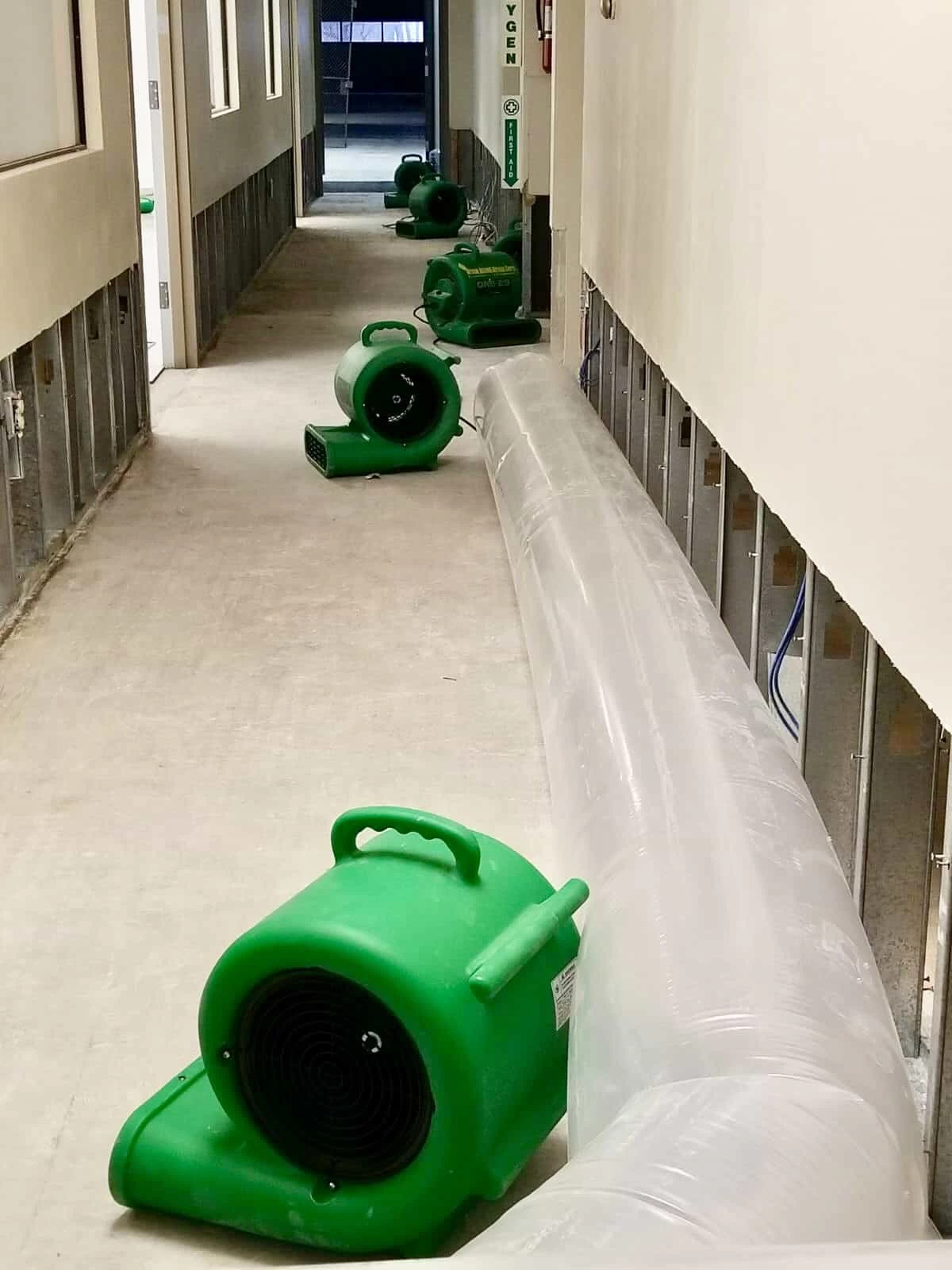
I had pipe freeze in my basement right before a snow storm and they made to within an hour to help start the clean up process. They we by our side throughout the entire process and even helped with the insurance company. They did such a great job with the cleanup, repair, remidiation, I contracted them to perform the repairs and finishes in the basement. They came with enough manpower and material to get the job done. Leo and Jessica were nothing but a pleasure to deal with!!
Cristian Arredondo c
I had some water damage in my home and Green Island was able to take care of my issue quickly and effectively. I am very pleased with the work they did. They responded quickly and were very professional.
Michael M
Outstanding service! From the office to the field crew everyone was friendly, helpful and responsive. I highly recommend Green Island Group.
What Changes When the Right Contractor Shows Up First
A lot of demolition projects in East Hampton North start the same way a homeowner has a plan, hires a contractor, and then something unexpected turns up. Asbestos in the ceiling tiles. Lead paint under three layers of wallpaper. A permit application that stalls because the asbestos survey wasn’t submitted with it. That’s not a small delay. On the East End, where summer timelines are hard deadlines and the Town of East Hampton Building Department doesn’t look the other way, a stalled project costs real money.
When you work with a contractor who handles demolition and environmental remediation under one roof, that scenario changes completely. The asbestos survey happens before the first wall comes down. The permit goes in with everything the Town requires including the utility shutoff letters and the survey documentation for pre-1974 structures. The project moves.
East Hampton North has a housing stock that includes a significant share of pre-1980 construction, and many of those homes sit on lots that have appreciated well beyond the value of the structure itself. Whether you’re gutting a kitchen, doing a full interior strip-out before a renovation, or tearing down to build new, the outcome you want is simple: the old structure gone, the site clean, and your next phase ready to start on schedule. That’s what a complete demolition contractor actually delivers.
Experienced Demolition Contractors in East Hampton, NY
12 Years, 5,000+ Projects, and No Subcontracted Surprises
We’re based in Bohemia, NY in the heart of Suffolk County and have been doing this work for over 12 years. That matters here because the Town of East Hampton has its own permit process, its own building department requirements, and its own expectations for how demolition work gets done. Contractors who don’t know the East Hampton North area learn on your project. That’s not a good position to be in when you’re working with a home valued close to or above $900,000.
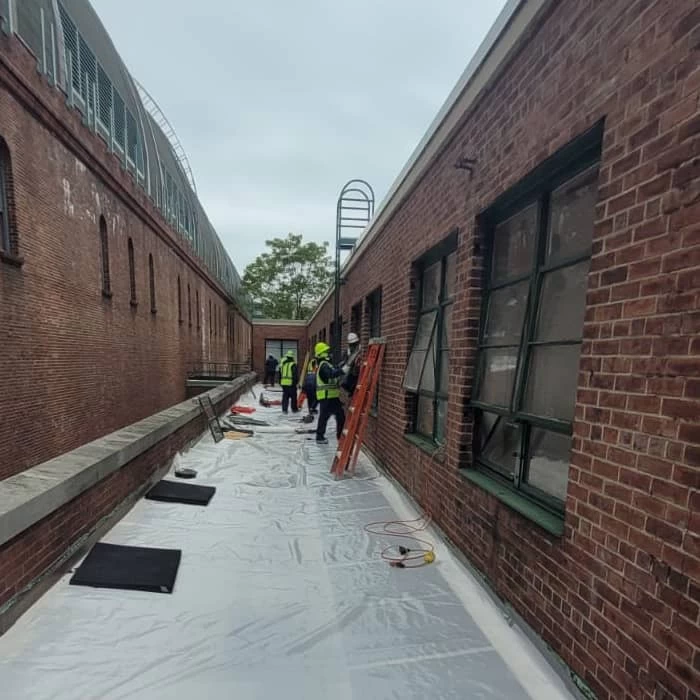
Our team handles asbestos abatement, lead paint removal, mold remediation, oil tank removal, and full demolition all in-house. No subcontracting the hazmat work to a third party and hoping the timelines line up. Every piece of the project stays under one roof, which means one point of contact, one schedule, and no gaps between trades.
With a 4.7-star rating built on named, specific reviews and more than 5,000 completed projects across Long Island and NYC, the track record speaks for itself. If you’re near Three Mile Harbor Road or anywhere in the East Hampton North area, this is a team that knows your market.
From First Call to Clean Site Here's What to Expect
It starts with a site assessment. Before anything gets scheduled or quoted, we need to understand what you’re working with the structure, the age of the building, what’s inside it, and what the site looks like after the work is done. For homes built before 1974, this includes an asbestos survey, which is a hard requirement under the East Hampton Town Building Department’s permit process. That survey gets done upfront, not discovered as an afterthought.
From there, permits are pulled. East Hampton Town uses a digital OpenGov portal for permit submissions, and the application needs to include utility shutoff letters from your gas and electric providers along with any required environmental documentation. We manage that process you don’t need to become an expert in the Town’s requirements to get your project moving.
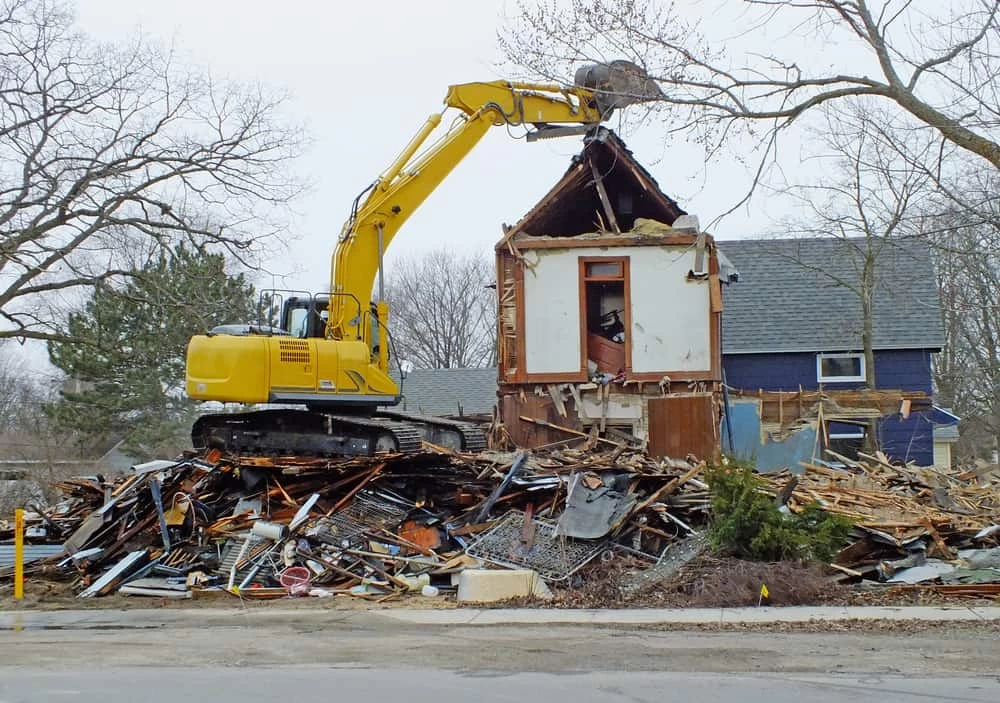
Once permits are in hand, the work begins. Depending on the scope, that might mean a full structural teardown, selective interior demolition, or a combination of both. Debris is hauled and disposed of properly including any hazardous materials that require regulated disposal. When our crew leaves, the site is clean and ready for whatever comes next, whether that’s new construction, a foundation pour, or a contractor starting your renovation. The goal is always the same: hand you back a site that’s ready to go, not one that creates new problems.
Residential and Commercial Demolition Services, East Hampton NY
Full Scope Demolition Built for East Hampton North's Real Conditions
East Hampton North isn’t a one-size-fits-all demolition market. You’ve got older homes with unknown hazmat histories sitting on high-value lots, a coastal geography that generates real storm and water damage, and a local building department that has specific, codified requirements before a single wall comes down. The demolition service here has to account for all of that not just show up with an excavator and a dumpster.
For residential projects, we handle full house demolition for teardown-and-rebuild buyers, interior and selective demolition for renovation projects, and emergency demolition response for storm or water damage situations. We operate 24/7, which matters on the South Fork where a nor’easter can cause structural damage that can’t wait until Monday morning. For commercial work, we handle full structural demolition, site clearing, and the environmental compliance requirements that come with commercial properties in Suffolk County.
Every project regardless of size includes permit management, asbestos assessment (and abatement if required), proper debris removal, and site cleanup. The July 2025 update to East Hampton Town’s zoning code, which now caps residential floor area for new construction, means teardown-and-rebuild projects need a contractor who understands how the permit and demolition phase connects to what comes after. That kind of end-to-end awareness is built into how we work.
Does East Hampton Town require an asbestos survey before issuing a demolition permit?
Yes and it’s not optional. The East Hampton Town Building Department explicitly requires a complete asbestos survey as part of the demolition permit application for any structure built prior to 1974. That survey has to be submitted along with utility shutoff letters from your gas and electric providers before the permit is issued. If you skip it or submit an incomplete application, the permit doesn’t move forward.
This matters more in East Hampton North than people sometimes expect, because a meaningful portion of the area’s housing stock predates 1974. Even homes that have been renovated multiple times can still have asbestos-containing materials in original floor tiles, pipe insulation, joint compound, or roofing layers. The smart move is to get the survey done before you’ve committed to a project timeline not after. We handle the survey in-house, so there’s no waiting on a separate environmental firm to schedule, complete, and report before your permit application can go in.
What's included in a full house demolition in East Hampton North, NY?
A complete house demolition includes more than just knocking the structure down. It starts with the permit application which in East Hampton Town means digital submission through the OpenGov portal, utility shutoff coordination, and asbestos survey documentation if the home was built before 1974. Once permits are approved, the structure comes down, and all debris is hauled and disposed of properly, including any hazardous materials that require regulated handling.
Site preparation after demolition depends on what you’re planning next. If you’re building new, the site typically needs to be graded and cleared to a point where your builder or foundation contractor can start. We coordinate that handoff so you’re not left with a cleared lot that still has debris, buried materials, or grading issues to sort out before the next phase can begin. Given that East Hampton North properties often sit on lots where the land value alone justifies the investment, getting the site right after demolition is just as important as the demolition itself.
What happens if asbestos is found during demolition on my East Hampton property?
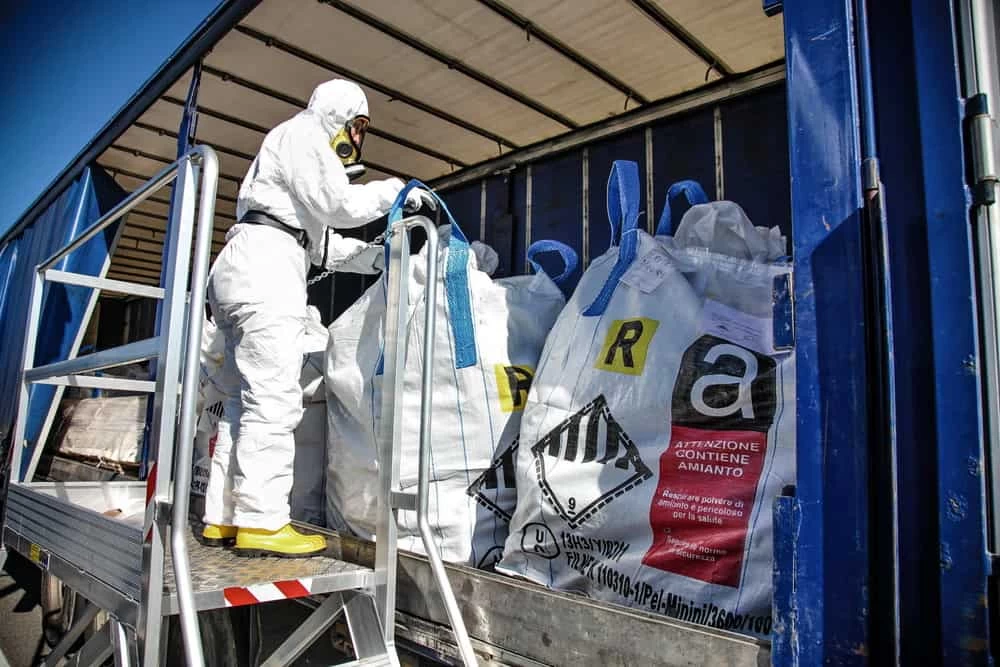
If asbestos is discovered during a demolition project, work in the affected area stops until the material is properly assessed and abated. Under New York State Department of Labor regulations and federal EPA NESHAP rules, asbestos-containing materials must be removed by a licensed abatement contractor before demolition can continue. This is a hard legal requirement not a contractor preference.
The practical difference between hiring a contractor who handles abatement in-house versus one who doesn’t is significant. If your contractor has to stop work, call a separate abatement company, wait for their schedule, and then restart that delay can stretch into weeks, especially during the busy spring and summer construction season on the East End. We hold active NYS DOL asbestos contractor certification and handle abatement directly, which means when asbestos turns up and in East Hampton North’s older housing stock, it often does the project keeps moving without bringing in a separate crew or renegotiating your timeline.
How does the East Hampton Town permit process affect my demolition project timeline?
East Hampton Town requires all permit applications to be submitted digitally through their OpenGov portal. For demolition specifically, that application needs to include utility shutoff confirmation from your gas and electric providers, and an asbestos survey for any pre-1974 structure. The review process takes time, and if the application is incomplete, it gets kicked back which adds more time.
The realistic impact on your timeline depends on how prepared the application is when it goes in. A complete, properly documented submission moves faster than one that has to go back and forth with the Building Department. For property owners on the East End who are working toward a summer construction start or trying to complete a teardown before the busy season, that difference matters. We manage the permit process from start to finish, which means the application goes in correctly the first time. It also means you’re not spending hours learning the Town’s portal and requirements on your own while your project sits in a queue.
Can a demolition contractor in East Hampton North handle emergency storm damage situations?
Yes and given where East Hampton North sits geographically, this comes up more than people expect. The South Fork of Long Island is directly exposed to nor’easters, coastal flooding, and tropical weather systems that track up the Atlantic. A storm that brings down trees onto a structure, causes roof collapse, or floods a basement to the point of structural compromise can create an emergency demolition situation that can’t wait for a standard scheduling window.
We operate 24/7 and have documented response times under one hour for emergency calls. For homeowners dealing with storm damage, the situation is usually already stressful and it gets more complicated when there’s an insurance claim involved. Our team has experience working directly with insurance companies to document damage, communicate with adjusters, and handle the paperwork that most demolition contractors leave entirely to the homeowner. If you’re near Three Mile Harbor Road or anywhere in the East Hampton North area and you’re dealing with storm or water damage, that kind of end-to-end support makes a real difference.
How do I know if a demolition contractor is actually licensed to work in East Hampton North, NY?
In New York State, demolition contractors need to carry a minimum of $2,000,000 in general liability insurance more than double the requirement for most specialty contractors. Beyond insurance, any contractor performing asbestos abatement as part of a demolition project must hold active NYS Department of Labor asbestos contractor certification. There are nine distinct license types under the NYS DOL asbestos program, and not every contractor who claims to be “licensed for asbestos” holds the specific certifications required for demolition-related abatement work.
Before you hire anyone for a demolition project in East Hampton North, ask for their general liability certificate, their workers’ compensation coverage documentation, and their NYS DOL asbestos license number if the structure was built before 1980. You can verify asbestos contractor licenses directly through the NYS DOL website. We carry the required general liability and workers’ compensation coverage, hold active NYS DOL asbestos certifications, and are registered with the NYC Department of Buildings credentials that reflect the regulatory requirements of working in one of New York’s more closely watched construction markets. In a community where stop-work orders and permit violations carry real consequences, verifying these credentials before work starts is worth the five minutes it takes.