When That Old Cottage Has to Come Down, the Permit Process Shouldn't Slow You Down
North Sea’s older housing stock and the Town of Southampton’s layered permit requirements make demolition more involved than most people expect. We handle it all asbestos, permits, debris, and site prep so your project stays on schedule.
I needed a professional consultation explanation of procedure for safe removal of Asbestos in my apartment complex. Without having an account yet, I was very impressed with the caring, knowledgeable and generous advice offered by Jessica, and will look forward to doing business in the future. Thank you so much! I feel much more informed about a sometimes scary endeavor. Peace. Nancy Silva Mineola, NY.
Mia Munoz
Used this company to clean up some water flood in my house. They were fast and easy to work with.very professional, Would recommend to anyone!
Nini Valle
Great company, had a flood and they responded quickly and efficiently. Billed my insurance company directly. I highly recommend this company!
joe colapietro, jr
I had pipe freeze in my basement right before a snow storm and they made to within an hour to help start the clean up process. They we by our side throughout the entire process and even helped with the insurance company. They did such a great job with the cleanup, repair, remidiation, I contracted them to perform the repairs and finishes in the basement. They came with enough manpower and material to get the job done. Leo and Jessica were nothing but a pleasure to deal with!!
Cristian Arredondo c
I had some water damage in my home and Green Island was able to take care of my issue quickly and effectively. I am very pleased with the work they did. They responded quickly and were very professional.
Michael M
Outstanding service! From the office to the field crew everyone was friendly, helpful and responsive. I highly recommend Green Island Group.
Your Timeline Stays Intact. Your Property Gets Done Right.
A lot of North Sea properties were built in the mid-twentieth century seasonal cottages, original farmhouses, modest bay-side homes that made sense for a different era. Today, those same structures sit on land that’s worth serious money, and the people who own them have plans. The problem is that tearing one down isn’t as simple as calling a contractor and scheduling a date. Pre-demolition asbestos surveys are legally required before any permit gets issued, and in homes built between the 1940s and 1970s which describes a significant portion of North Sea’s housing stock asbestos turns up more often than not. When your contractor can’t handle that in-house, the project stops cold while you wait on a second company to come in and finish what the first one couldn’t.
We handle asbestos abatement and demolition under the same license, the same crew, and the same project timeline. That means no stoppage, no second contractor, and no scrambling to coordinate two separate companies while your spring window closes. For waterfront and near-waterfront properties along Little Peconic Bay and Noyack Bay where storm damage and flooding can demand fast action having one contractor who can assess, abate, and demolish without handing off mid-job is the difference between a project that moves and one that stalls.
The Town of Southampton also requires a separate Debris Permit from the Highway Department in Hampton Bays before demolition begins a step that catches a lot of property owners off guard. We handle that too, along with every other permit step, so you’re not making trips to Hampton Bays or figuring out which forms go where.
12 Years In. 5,000 Projects Completed. Zero Guesswork on Your Job.
We’ve been doing demolition and environmental remediation work across Long Island and New York City for over twelve years. More than 5,000 completed projects residential teardowns, commercial demolitions, hazmat abatements, storm-damage responses means we’ve encountered the situations that catch other contractors off guard. We’re not learning on your property.
We’re based in Suffolk County, and we work regularly throughout the Town of Southampton including North Sea, where the combination of older housing stock, historic preservation rules, and coastal exposure creates a demolition environment that’s genuinely different from mid-Island work. We know the Town’s permit process, we know the pre-1941 historic review requirement that applies to structures in historically significant areas like North Sea, and we know the local contacts and timelines that determine whether your project stays on schedule or doesn’t.
We carry active NYS Department of Labor asbestos contractor certifications, $2M+ general liability insurance, and all licensing required by the Town of Southampton. When you ask for credentials, we hand them over no runaround.
From First Call to Clear Site Here's What the Process Actually Looks Like
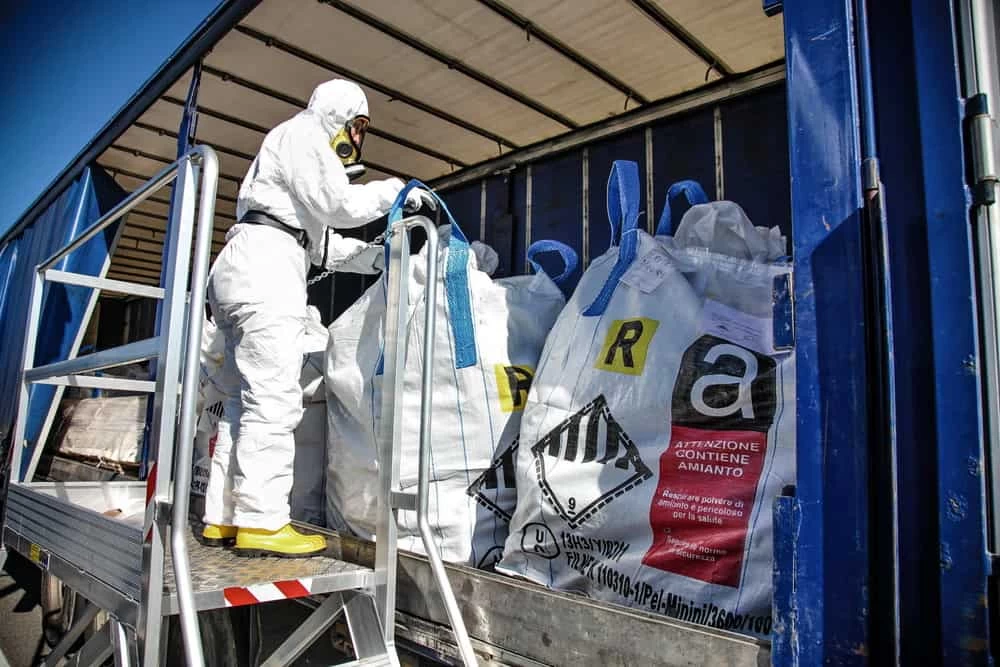
It starts with a site assessment. We come out, walk the property, and get a clear picture of what’s there structure type, age, materials, access, and any conditions that affect how the work gets done. For homes built before 1980, we conduct a pre-demolition asbestos survey as part of this phase. In North Sea, where a large portion of the housing stock dates to the mid-twentieth century, this step is almost always relevant. If asbestos is found, we handle abatement in-house before demolition begins no handoff, no delay.
Once the site assessment is complete, we handle the permit process. That means filing for a Building Permit through the Town of Southampton’s Building and Zoning Division, securing the Debris Permit from the Highway Department at 20 Jackson Avenue in Hampton Bays, and for structures built before 1941 managing the referral to the Historical Landmark Committee and Historic District Board that the Town requires. North Sea’s history as the 1640 landing site of Southampton’s founding settlers means this historic review step is a real consideration here, not a formality that gets skipped.
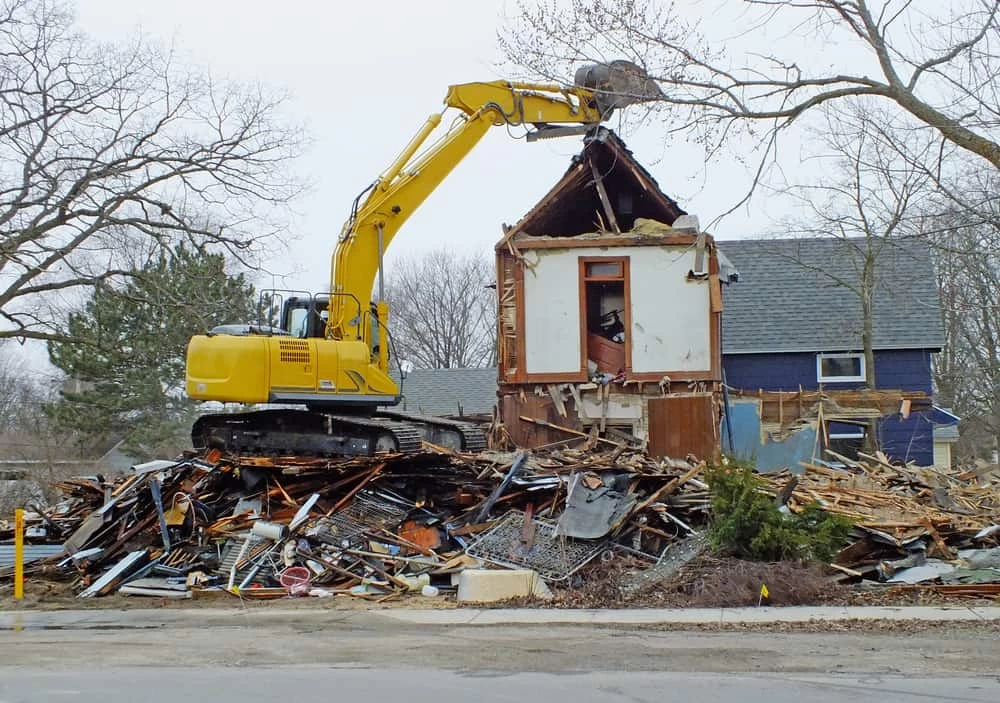
Once permits are in hand, demolition proceeds. We handle the physical work, debris removal, and site preparation leaving the property clean, clear, and ready for whatever comes next. For storm-damage situations on waterfront properties along Little Peconic Bay, we operate 24/7 and can mobilize quickly when the situation calls for it.
Full-Scope Demolition Built for What North Sea Properties Actually Require
Whether you’re tearing down an older cottage on North Sea Road to build new, gutting a structure for a high-end renovation, or dealing with storm damage on a bay-facing property, the scope of what’s required here goes beyond what a basic demolition contractor is equipped to handle. We cover the full range residential teardowns, selective interior demolition, commercial demolition, and emergency response all with in-house asbestos abatement capability and full compliance with Town of Southampton regulations.
For residential teardown-and-rebuild projects, which are increasingly common throughout North Sea as older seasonal properties give way to new luxury construction, we manage the entire process from pre-demolition survey through site preparation. That includes asbestos and lead paint assessment, all permit filings, utility coordination, debris removal, and the Debris Permit from the Town Highway Department that most property owners don’t know is required until a contractor tells them.
For property owners dealing with insurance claims whether from storm surge off Little Peconic Bay, flooding, or fire we work directly with insurance companies on your behalf. We handle the documentation and coordination that claims require alongside the physical work, so you’re not managing both at the same time. We’ve done this enough times to know exactly what adjusters need and how to move the process forward without it dragging on.
Do I need a permit to demolish a house in North Sea, NY?
Yes all demolition work in North Sea requires a Building Permit issued by the Town of Southampton’s Building and Zoning Division. North Sea is an unincorporated hamlet within the Town of Southampton, so there’s no separate village permit process here. The permit application for a full residential demolition has its own checklist: contractor licensing with the Town of Southampton, insurance documentation, a survey reflecting all structures to be removed, and a separate Debris Permit from the Town Highway Department located at 20 Jackson Avenue in Hampton Bays.
That Debris Permit is a step a lot of property owners don’t know about until it comes up mid-process. It’s a separate filing from the Building Permit, and demolition can’t legally begin without it. We handle both filings and every other permit step as part of our standard process, so nothing gets missed and your project doesn’t stall over paperwork.
What is the pre-1941 demolition rule in the Town of Southampton?
The Town of Southampton requires that demolition permit applications for structures built before 1941 be referred to the Historical Landmark Committee and Historic District Board for review before the permit can be issued. This isn’t a rubber-stamp step it’s a formal review that adds time to the process if it isn’t anticipated and built into the project timeline from the start.
In North Sea specifically, this rule carries real weight. The hamlet is one of the oldest continuously inhabited communities in the United States Conscience Point, at the end of Conscience Point Road, is where English settlers first landed in 1640 before establishing the Town of Southampton. The Town takes its historic preservation responsibilities seriously, and structures that predate 1941 are subject to review regardless of whether they’re in a formally designated historic district. If your property includes an older structure, we identify this requirement during the site assessment phase and account for the review timeline before we file anything, so it doesn’t become a surprise that pushes your project back.
Is asbestos testing required before demolition in North Sea, NY?
Yes. Under New York State Department of Labor regulations and USEPA NESHAP requirements, a pre-demolition asbestos survey is mandatory before any demolition permit can be issued for a structure that may contain asbestos. For North Sea properties, this requirement is highly relevant. A significant portion of the hamlet’s housing stock consists of mid-century seasonal cottages and original farmhouses built between the 1940s and 1970s a period when asbestos was used widely in insulation, floor tiles, roofing materials, plaster, and ceiling finishes.
If asbestos is found during the survey, it must be abated by a NYS DOL-licensed asbestos contractor before demolition begins. We hold active NYS DOL asbestos contractor certifications, which means we handle the survey, the abatement, and the demolition under one license and one project timeline. You don’t have to stop work, find a separate abatement company, wait for them to finish, and then restart. The project keeps moving from assessment through site clearance without the handoff that causes most of the delays.
How much does it cost to demolish a house in North Sea, NY?
The cost of residential demolition in North Sea depends on several factors: the size of the structure, the materials involved, whether asbestos or lead paint is present, site access conditions, and the scope of debris removal and site preparation required. As a general reference point, the Town of Southampton’s demolition permit fee is $200 per 100 square feet of demolition so a 2,000-square-foot home carries a $4,000 permit fee before any contractor costs are factored in.
Beyond permit fees, the total project cost for a full residential teardown in the Hamptons market typically reflects the regulatory complexity and the full scope of services required asbestos abatement, utility coordination, debris hauling, and site prep included. We provide transparent, itemized estimates so you know exactly what’s included and what could affect the final number before work begins. The goal is no surprises, not the lowest number on paper that grows once the job is underway.
How do you handle demolition for storm-damaged properties along Little Peconic Bay?
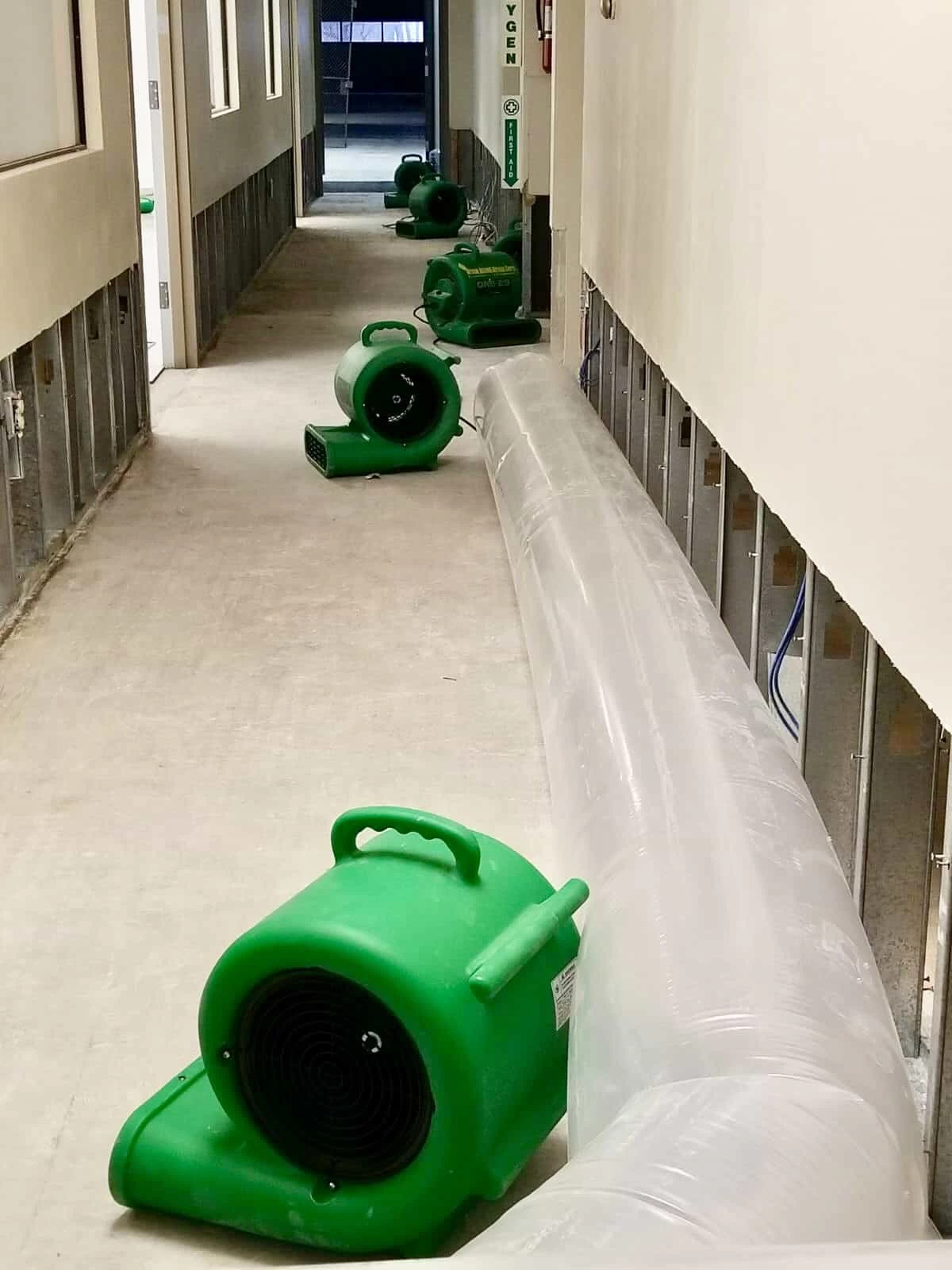
Waterfront and near-waterfront properties in North Sea particularly those facing Little Peconic Bay and Noyack Bay are regularly exposed to nor’easters, tropical storms, and coastal flooding that can cause structural damage requiring immediate demolition response. When that happens, the situation usually involves more than just the structural damage itself. Saltwater intrusion, mold growth, and compromised building materials often mean that demolition and environmental remediation need to happen together, not sequentially.
We operate 24/7 and provide emergency response for exactly these situations. We handle structural demolition, mold remediation, and hazmat assessment as an integrated service and we work directly with insurance companies to manage the documentation and communication that storm-damage claims require. If you’re dealing with a damaged property on the bay side of North Sea and you’re also navigating an insurance claim, we’ve been through this process enough times to know how to move it forward without it dragging on for months.
Can you handle both interior selective demolition and full teardowns in North Sea?
Yes we handle both, and the distinction matters depending on what your project actually requires. A full teardown is the complete removal of a structure down to the foundation, which is what most teardown-and-rebuild projects in North Sea involve. Selective interior demolition is more surgical: removing specific walls, floors, ceilings, or systems while leaving the structural shell intact, which is common in high-end renovation projects where the exterior or framing is being preserved.
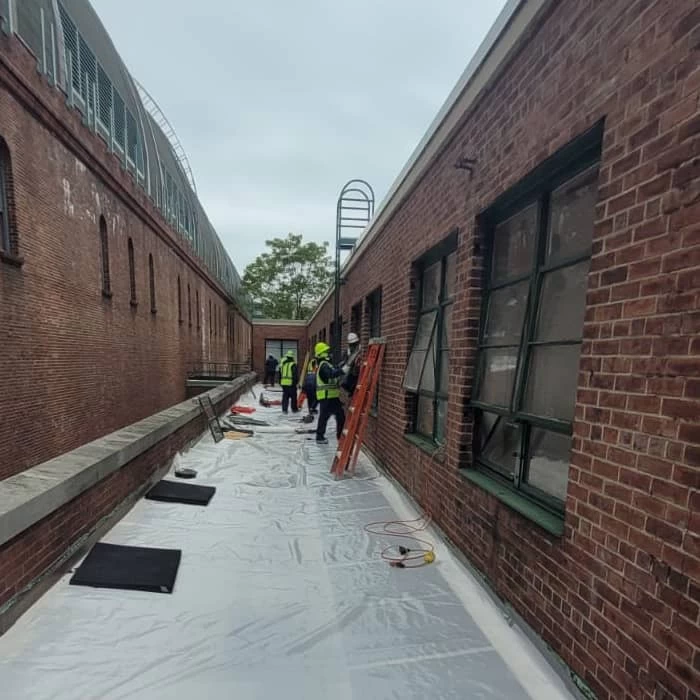
Both scopes require the same regulatory groundwork in the Town of Southampton pre-demolition asbestos assessment, proper permit filings, and compliance with all applicable state and local codes. The difference is in how the physical work is executed. For older North Sea properties undergoing gut renovations, selective demolition often uncovers asbestos in places that weren’t visible during the initial survey inside walls, under flooring, in mechanical systems. Because we handle abatement in-house, we can address those discoveries on the spot without stopping the project while you wait on a third party.