Baiting Hollow's Older Homes Deserve More Than a Guess
If your home was built before 1980, asbestos could be hiding in places you’d never think to look and a renovation, a sale, or even a contractor walking through can change everything fast.
I needed a professional consultation explanation of procedure for safe removal of Asbestos in my apartment complex. Without having an account yet, I was very impressed with the caring, knowledgeable and generous advice offered by Jessica, and will look forward to doing business in the future. Thank you so much! I feel much more informed about a sometimes scary endeavor. Peace. Nancy Silva Mineola, NY.
Mia Munoz
Used this company to clean up some water flood in my house. They were fast and easy to work with.very professional, Would recommend to anyone!
Nini Valle
Great company, had a flood and they responded quickly and efficiently. Billed my insurance company directly. I highly recommend this company!
joe colapietro, jr
I had pipe freeze in my basement right before a snow storm and they made to within an hour to help start the clean up process. They we by our side throughout the entire process and even helped with the insurance company. They did such a great job with the cleanup, repair, remidiation, I contracted them to perform the repairs and finishes in the basement. They came with enough manpower and material to get the job done. Leo and Jessica were nothing but a pleasure to deal with!!
Cristian Arredondo c
I had some water damage in my home and Green Island was able to take care of my issue quickly and effectively. I am very pleased with the work they did. They responded quickly and were very professional.
Michael M
Outstanding service! From the office to the field crew everyone was friendly, helpful and responsive. I highly recommend Green Island Group.
You stop wondering. That might sound simple, but if you’ve been sitting on a renovation project or trying to close a real estate deal with asbestos hanging over it, you know exactly what that uncertainty costs you in time, in money, and in sleep.
Baiting Hollow’s housing stock tells the whole story. The seasonal cottages in Woodcliff Park, the ranch homes in Oak Hills, the older properties tucked along Sound Avenue a huge portion of this community was built during the decades when asbestos was standard in floor tiles, pipe insulation, ceiling texture, and roofing materials. Unlike newer construction, many of these homes haven’t had the kind of full-scale renovations that would have replaced those materials. They’re still in there, intact or deteriorating, depending on the property.
The coastal environment here makes it worse over time. Salt air, humidity from the Sound, and the freeze-thaw cycles that hit North Fork properties every winter accelerate the breakdown of older building materials. When asbestos-containing materials start to crumble or flake, fibers get into the air. Proper abatement stops that process completely and gives you the documentation you need to move forward, whether that’s a renovation, a sale, or simply peace of mind in a home you’ve owned for years.
We’re a Suffolk County-based asbestos abatement company, and that distinction matters more than it might seem. Abatement work in Baiting Hollow falls under the Town of Riverhead Building Department’s jurisdiction, and permits are required before any removal begins. Knowing that process the paperwork, the inspection schedule, the notification requirements is what keeps your project on track instead of stalled.
This isn’t a general restoration company that handles asbestos on the side. Abatement is the core of what we do, and that focus shows in how we manage projects from start to finish. Every job we conduct operates under full New York State Department of Labor certification, in compliance with Industrial Code Rule 56, with all required documentation handled on your behalf.
Whether you’re dealing with a Woodcliff Park cottage you’re converting to year-round use, an older home in Baiting Hollow Estates you’re preparing to sell, or a Sound Avenue property that needs work before renovation begins, you’re getting a team that already knows this area and what it takes to get the job done right here.
It starts with testing, not assumptions. Before anything is removed, we collect samples from the materials in question and send them for proper laboratory analysis. You get clear results what contains asbestos, at what levels, and what the remediation plan looks like before any work begins. No one should be tearing out materials without knowing what they’re dealing with first.
Once the scope is confirmed, we pull permits from the Town of Riverhead Building Department. This step matters because skipping it or hiring someone who skips it can shut a project down mid-job and create legal headaches that are far more expensive than doing it right the first time. For seasonal cottage owners in communities like Woodcliff Park, where the window between opening day and closing day is tight, a stalled project isn’t just inconvenient it costs you part of your season.
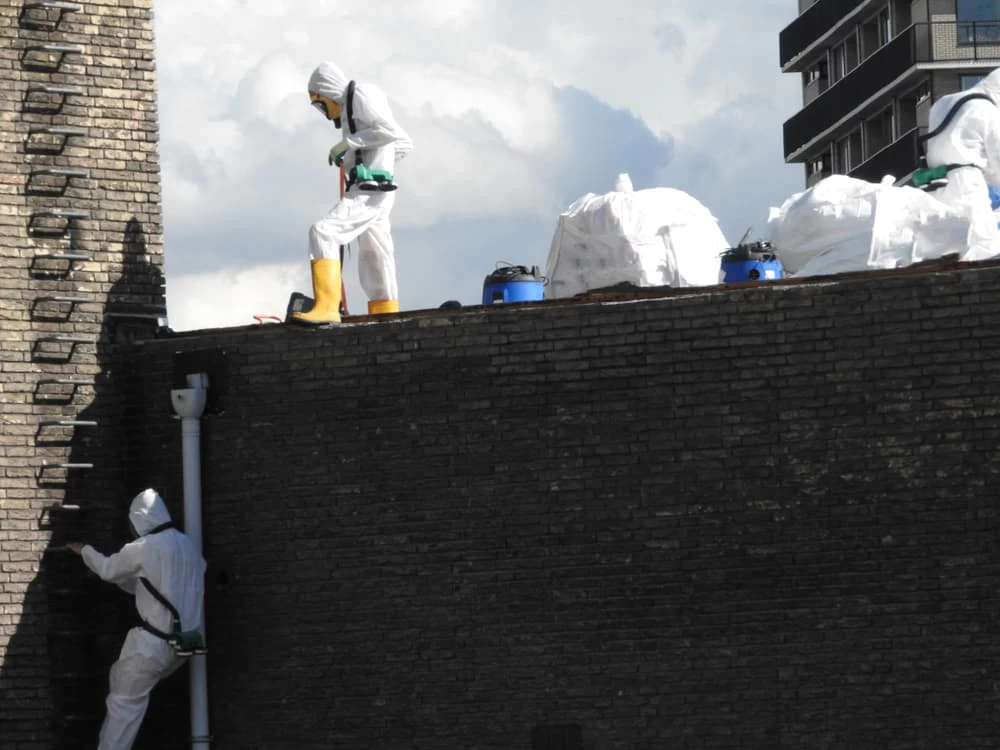
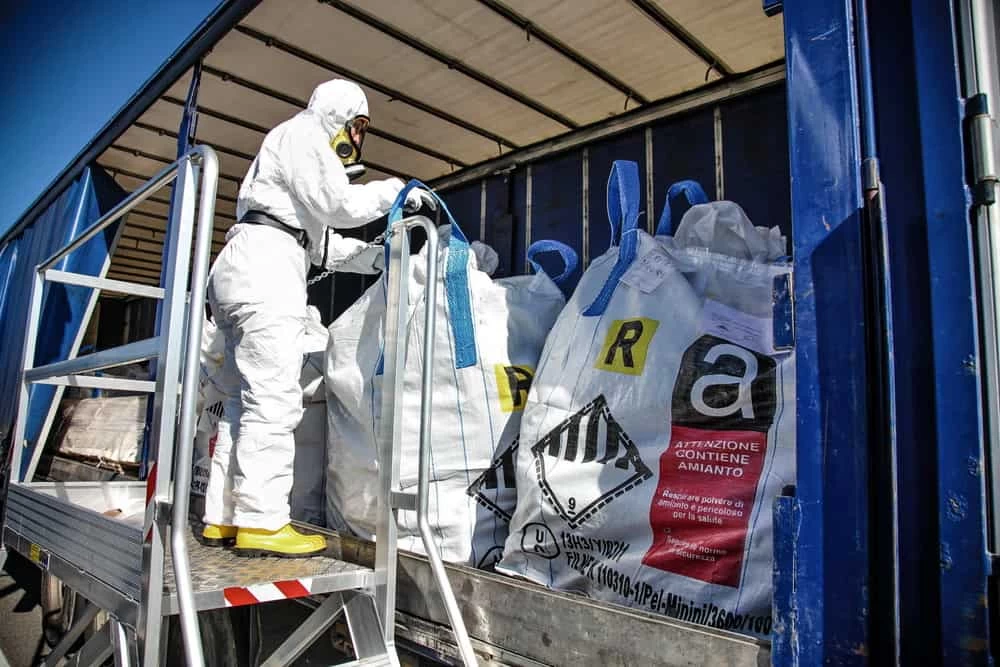
The removal itself is done under strict containment protocols. We seal the work area, maintain negative air pressure, and properly package all asbestos-containing materials for disposal according to NYSDEC regulations. When the job is complete, you receive full documentation clearance testing results, disposal records, and everything you’d need for a real estate transaction, an insurance file, or your own records. The process is thorough because it has to be, and because cutting corners here isn’t something that shows up right away it shows up years later.
Asbestos rarely shows up in just one place. In the kind of mid-century homes and older cottages that define Baiting Hollow’s residential character, it’s common to find multiple types of asbestos-containing materials in the same property sometimes in the same room. Vinyl asbestos floor tiles under newer flooring. Popcorn ceiling texture in bedrooms and living spaces. Pipe insulation in basements and crawl spaces. Transite siding on exterior walls. Roofing materials that haven’t been touched since the home was built.
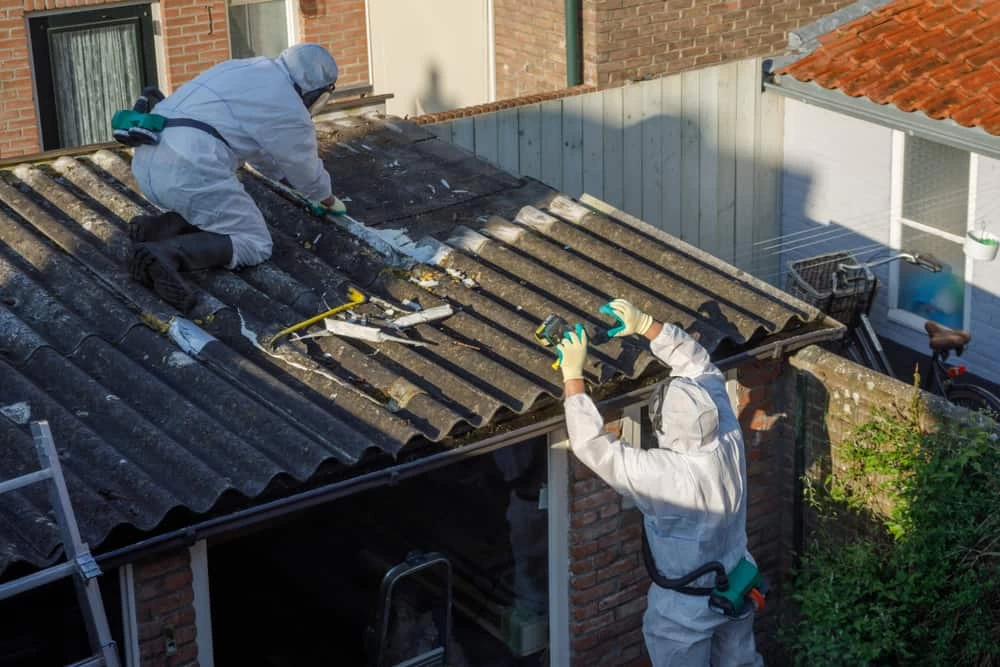
We handle all of it. Asbestos tile removal, popcorn ceiling removal, pipe insulation abatement, roofing material remediation, and full structural abatement for properties undergoing major renovation or demolition. You don’t need to coordinate between multiple contractors or figure out which company handles which material one team manages the entire scope, which keeps the project cleaner, faster, and fully compliant from start to finish.
For homeowners along the North Fork converting seasonal properties to year-round residences a trend that’s accelerated significantly in recent years this comprehensive approach is especially relevant. Those conversions almost always involve disturbing pre-1980 materials. Knowing that every type of ACM in the home will be identified, properly removed, and fully documented means you can move forward with the renovation without the risk of discovering a problem halfway through the job.
Do I need a permit for asbestos removal in Baiting Hollow, NY?
Yes and this is one of the most important things to get right before any work begins. Asbestos abatement in Baiting Hollow falls under the Town of Riverhead Building Department’s jurisdiction, which means a permit is required prior to the start of any removal project. Beyond the local permit, contractors must also comply with New York State Industrial Code Rule 56 and notify the NYS Department of Labor’s Asbestos Control Bureau. For properties near wetlands or tidal areas which applies to a number of Sound-adjacent properties in Baiting Hollow there may be additional considerations from the Suffolk County Department of Health Services as well.
Skipping any part of this process isn’t just a technicality. It can halt a project mid-job, trigger fines, and create documentation gaps that complicate a future sale. We manage all permitting and notifications on your behalf, so you’re not navigating the Town of Riverhead’s process on your own while also trying to manage a renovation.
How do I know if my older Baiting Hollow home actually contains asbestos?
The honest answer is that you can’t tell by looking. Asbestos-containing materials don’t look different from non-asbestos materials the only way to know is through laboratory testing. If your home was built before 1980, there’s a meaningful chance that some of its original materials contain asbestos, particularly floor tiles, ceiling texture, pipe insulation, roofing, and joint compound.
In Baiting Hollow specifically, a significant portion of the housing stock especially the seasonal cottages in communities like Woodcliff Park and the older ranch homes in Oak Hills dates from the mid-20th century. Many of these properties have never undergone full-scale renovation, which means original materials are often still in place. The right move before any renovation, sale, or demolition project is to have a certified inspector collect samples and send them to an accredited lab. That result tells you exactly what you’re dealing with and what, if anything, needs to be removed.
What types of materials are most commonly found to contain asbestos in older homes?
The list is longer than most people expect. Vinyl floor tiles especially the 9×9 inch tiles common in mid-century construction frequently contain asbestos, as does the adhesive used to install them. Popcorn or textured ceilings applied before the early 1980s are another common source. Pipe and duct insulation, particularly the gray or white wrap around older heating systems, often contains asbestos. Roofing shingles, transite siding, and certain types of drywall joint compound are also common.
For properties in Baiting Hollow that were built or renovated during the 1940s through late 1970s, it’s not unusual to find several of these materials in the same home. The coastal environment here the humidity, salt air, and seasonal temperature swings can accelerate the deterioration of these materials over time, which is relevant because deteriorating asbestos-containing materials release fibers into the air more readily than intact ones. That’s when exposure risk increases, and that’s when abatement becomes urgent rather than optional.
How long does asbestos abatement typically take for a residential property?
It depends on the scope of the project, but for a typical residential job a single material type in one area of the home work is often completed within one to three days once permits are in place. Larger projects involving multiple material types throughout the home, or properties undergoing full renovation or demolition, can take longer and require more detailed project planning.
The permitting timeline through the Town of Riverhead Building Department is a factor worth planning around. For seasonal cottage owners in Baiting Hollow who are working within a fixed window say, completing abatement before Woodcliff Park’s April 15 opening or wrapping up during fall winterization it’s worth contacting us early enough to account for the permit process. Starting the conversation a few weeks before you need work done gives the project the best chance of staying on your schedule rather than the permit office’s.
Is asbestos abatement required before selling a home in Baiting Hollow, NY?
New York State does not have a blanket law requiring asbestos abatement before every home sale, but the reality of the transaction process often makes it necessary anyway. If an inspector identifies suspected asbestos-containing materials during a buyer’s inspection, it becomes a negotiating issue and depending on the buyer’s lender and the condition of the materials, it can become a condition of closing. Deteriorating or damaged ACMs are a much harder sell than intact ones, and buyers in today’s market are more aware of asbestos risk than they were even a decade ago.
For Baiting Hollow homeowners preparing to list an older property, getting ahead of this with a professional inspection and, if needed, abatement before listing removes a significant variable from the transaction. It also gives you documentation to provide to buyers, which builds confidence in the sale and reduces the chance of a last-minute negotiation or deal falling through over a material that could have been addressed proactively.
What does asbestos abatement cost for a home in Baiting Hollow?
Cost varies based on the type of material, the quantity, the accessibility of the area, and the number of locations within the home. For a straightforward single-room project removing asbestos floor tile in a basement or popcorn ceiling in one room costs typically start in the range of a few hundred to several thousand dollars. Larger projects involving pipe insulation throughout a home, multiple material types, or full abatement ahead of a major renovation will run higher, and that scope is quoted after a proper inspection confirms what’s actually present.
What’s worth understanding in Baiting Hollow’s market is that the cost of abatement is almost always less than the cost of not doing it. A real estate deal that falls apart because of undisclosed asbestos, a renovation that has to stop mid-project because a contractor discovers ACMs, or a liability issue tied to improper removal those outcomes are significantly more expensive. For a community where property values reflect the desirability of North Fork waterfront and near-waterfront living, proper abatement is a straightforward investment in protecting what you already have.