When Your 1940s Home Hides More Than You Bargained For
Most demolition jobs in West Sayville don’t go sideways because of the work itself they go sideways because of what’s found inside the walls. We handle the demolition and whatever comes with it.
I needed a professional consultation explanation of procedure for safe removal of Asbestos in my apartment complex. Without having an account yet, I was very impressed with the caring, knowledgeable and generous advice offered by Jessica, and will look forward to doing business in the future. Thank you so much! I feel much more informed about a sometimes scary endeavor. Peace. Nancy Silva Mineola, NY.
Mia Munoz
Used this company to clean up some water flood in my house. They were fast and easy to work with.very professional, Would recommend to anyone!
Nini Valle
Great company, had a flood and they responded quickly and efficiently. Billed my insurance company directly. I highly recommend this company!
joe colapietro, jr
I had pipe freeze in my basement right before a snow storm and they made to within an hour to help start the clean up process. They we by our side throughout the entire process and even helped with the insurance company. They did such a great job with the cleanup, repair, remidiation, I contracted them to perform the repairs and finishes in the basement. They came with enough manpower and material to get the job done. Leo and Jessica were nothing but a pleasure to deal with!!
Cristian Arredondo c
I had some water damage in my home and Green Island was able to take care of my issue quickly and effectively. I am very pleased with the work they did. They responded quickly and were very professional.
Michael M
Outstanding service! From the office to the field crew everyone was friendly, helpful and responsive. I highly recommend Green Island Group.
No Surprise Stops, No Second Contractor, No Delays
The homes along Montauk Highway and the side streets off the Great South Bay weren’t built yesterday. Most of West Sayville’s housing stock dates back to the 1940s, and that means asbestos in the floor tiles, lead paint on the trim, and sometimes mold behind walls that absorbed decades of coastal humidity. When a demolition contractor finds that and isn’t equipped to handle it, your project stops cold. You wait. You coordinate someone new. The costs climb.
That’s the problem with hiring a single-trade demolition company for an older South Shore home. We’re licensed for asbestos abatement, mold remediation, and lead paint removal all in-house. If something turns up mid-project in West Sayville, work doesn’t stop. It gets handled, documented properly for the Town of Islip Building Division, and your timeline stays intact.
For homeowners near the bay, there’s another layer. Properties at West Sayville’s elevation sitting just 13 feet above sea level take on water during nor’easters and storm surge events in ways that inland communities simply don’t. When a storm damages your structure and you need demolition as part of an insurance claim, you need a contractor who already knows how to work with adjusters and document the scope correctly. That’s a different skill set than just swinging a sledgehammer, and it matters here more than most places on Long Island.
12 Years, 5,000 Projects, Operating in Your Jurisdiction
We’ve been operating out of Bohemia for over 12 years which puts us squarely within the Town of Islip, the same municipal jurisdiction that governs West Sayville. That’s not a small detail. It means we know the Town of Islip Building Division’s specific permit requirements, the documentation the department expects, and how to move a project through the process without getting stalled on paperwork.
Over 5,000 completed projects across Long Island and New York City. Active NYS Department of Labor asbestos certifications. A minimum of $2,000,000 in general liability coverage. MWBE certification for public sector eligibility. And a 4.7-star rating backed by customers who describe specific situations a frozen pipe in a snowstorm, a basement flood the night before a nor’easter where our team showed up and handled it.
This isn’t a company learning on your property. We’ve seen what older South Shore homes produce, we’ve navigated coastal flood zone complications specific to West Sayville and the surrounding area, and we’ve worked directly with insurance companies so homeowners don’t have to manage that process alone.
It starts with a site assessment. Before any work begins, our team walks the property to understand what we’re dealing with the structure, the age of the building, what materials are likely present, and what the Town of Islip permit process will require for this specific job. For a pre-1980 home in West Sayville, that assessment includes evaluating asbestos risk, identifying any lead paint exposure areas, and flagging anything that could affect the permit timeline.
From there, we handle the permit application directly. That means preparing the asbestos documentation either a remediation report with lab results or a certified no-asbestos declaration along with any refrigerant evacuation certification if HVAC equipment is involved, and a flood zone determination if the property sits within a FEMA-designated zone near the bay. The Town of Islip Building Division has specific requirements, and submitting incomplete paperwork is one of the most common reasons projects get delayed. Getting it right the first time is part of our job.
Once permits are in hand, demolition proceeds in the correct sequence hazardous materials addressed first, structural work following, debris removal handled throughout. If asbestos or mold is discovered during the work, it’s abated in-house without stopping the project clock. When the job is done, you receive the documentation you need for your records, your insurance claim if applicable, and any future permit work on the property.
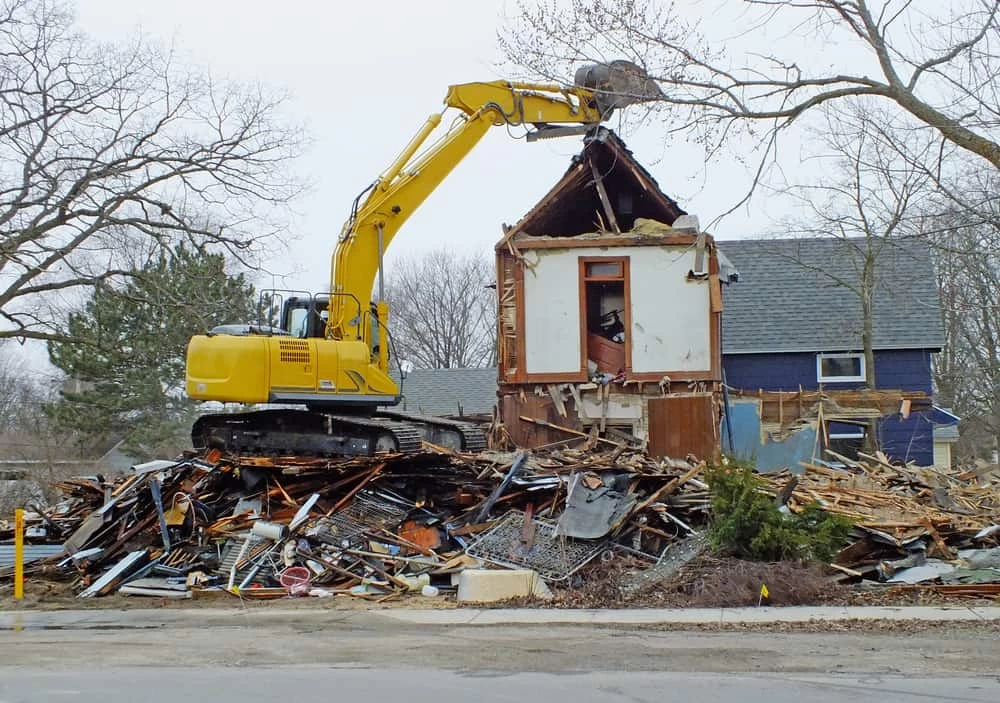
We offer full-service residential and commercial demolition across West Sayville and the surrounding South Shore. That includes interior selective demolition for homeowners gutting and modernizing older homes, full structural teardowns, and emergency demolition for storm-damaged or flood-compromised properties. For the commercial side whether it’s a property along Montauk Highway or an institutional project connected to the Town of Islip or Suffolk County our MWBE certification makes us eligible for public sector contracts that most local contractors can’t access.
Every residential demolition project in West Sayville comes with the environmental piece built in. Given the age of the housing stock here, asbestos surveys and lead paint evaluations aren’t optional extras they’re part of responsible scope planning. We conduct these assessments upfront so the quote you receive reflects the actual project, not a best-case-scenario number that grows once work starts.
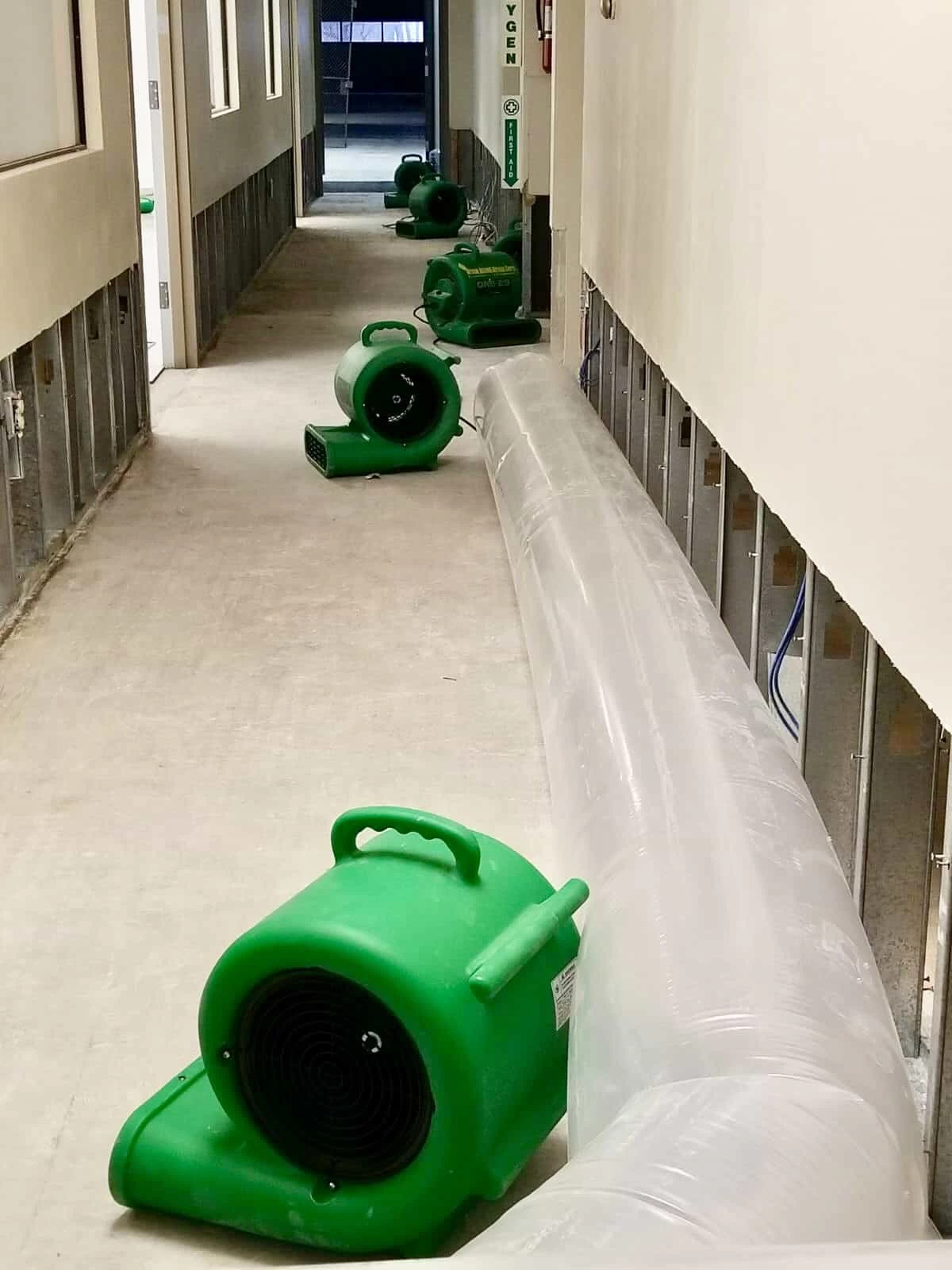
For homeowners dealing with insurance-triggered demolition after water damage, storm surge, or fire, we work directly with insurance carriers to document the scope, support the claim, and keep the process moving. West Sayville’s position on the Great South Bay means this isn’t a rare scenario it’s a recurring one. Having a contractor who’s done it hundreds of times, knows what adjusters need, and can turn documentation around quickly is a practical advantage when your home is already compromised and you need things resolved.
Does the Town of Islip require an asbestos inspection before demolition in West Sayville?
Yes, and it’s not optional. The Town of Islip Building Division requires asbestos documentation as part of every demolition permit application. You’ll need to submit either a remediation report with lab results confirming asbestos was present and properly abated, or a signed certification that the property is free of asbestos-containing materials. There’s no path around it.
For West Sayville specifically, this requirement carries real weight. The majority of homes in the 11796 ZIP code were built in the 1940s, a period when asbestos was standard in floor tiles, pipe insulation, ceiling texture, and joint compound. The probability that any given renovation or teardown project will encounter asbestos is high. A contractor who isn’t licensed for asbestos abatement can’t satisfy this permit requirement without bringing in a separate firm which adds time, cost, and coordination overhead to your project. We hold active NYS Department of Labor asbestos certifications and handle abatement in-house, so the permit documentation is prepared correctly the first time.
How much does a demolition contractor typically cost in West Sayville, NY?
Demolition costs in West Sayville vary depending on the scope interior selective work runs differently than a full structural teardown, and both are affected by what’s found in the building. A straightforward interior demolition on a smaller 1940s-era cape cod might start in the range of a few thousand dollars, while a full residential teardown with debris removal and hazmat abatement on a larger property can reach $20,000 to $40,000 or more depending on the materials present.
The important thing to understand is that quotes which don’t account for asbestos abatement, permit fees, debris disposal, and flood zone compliance aren’t savings they’re deferred costs that show up mid-project as change orders. With West Sayville homes averaging over $692,000 in value, a low-ball quote that falls apart once work starts isn’t a deal. We scope projects comprehensively upfront so what you’re told at the start is what the project costs. If asbestos is found, it’s handled in-house without a separate contractor invoice landing on your doorstep.
What happens if asbestos is discovered during a demolition project in my home?
With a contractor who isn’t certified for abatement, work stops. They’re legally required to halt the project, bring in a licensed asbestos firm, wait for clearance testing, and then resume which can add weeks to your timeline and a separate contractor invoice to your budget. It’s one of the most common ways a demolition project in an older home goes over schedule and over budget.
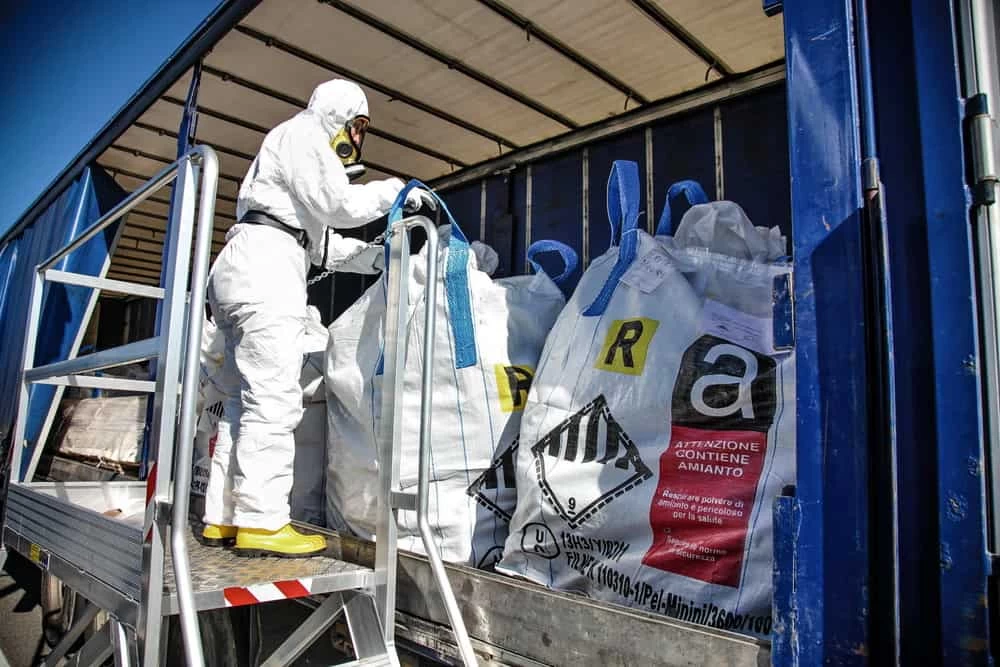
With us, the process doesn’t stop. We hold active NYS Department of Labor asbestos certifications and perform abatement in-house. When asbestos is identified whether it was expected or discovered mid-project we contain it, remove it, and document the remediation properly for the Town of Islip permit file. The project keeps moving. For West Sayville homeowners dealing with 1940s-era construction, where asbestos is a realistic possibility in nearly every renovation, this isn’t a minor detail. It’s the difference between a project that finishes on schedule and one that drags on for months.
Do I need a demolition permit for interior work in West Sayville, or just full teardowns?
Permit requirements depend on the scope of the work, but interior demolition particularly anything involving load-bearing walls, structural elements, or hazardous materials typically requires a permit from the Town of Islip Building Division. Even work that seems purely cosmetic can trigger permit requirements if it involves older materials that fall under asbestos or lead paint regulations.
The safest approach is to have a licensed contractor assess the scope before any work begins. The Town of Islip has specific documentation requirements, and starting work without the correct permits can result in stop-work orders, fines, and complications when you go to sell the property. We handle the permit process from start to finish including the asbestos documentation, refrigerant evacuation certification if applicable, and flood zone determination for properties near the Great South Bay. You don’t need to become an expert in the Building Division’s requirements. That’s our job.
Can a demolition contractor in West Sayville help with storm damage and insurance claims?
Yes, and in a coastal community like West Sayville, this comes up more than people expect. The South Shore sits directly in the path of nor’easters that roll through from October through April, and storm surge from the Great South Bay has caused significant structural damage to homes here most visibly during Hurricane Sandy, but also during smaller events that don’t make national news. When water compromises a structure to the point where demolition is needed before restoration can begin, the work becomes part of an insurance claim process.
We have a documented track record of working directly with insurance carriers on behalf of homeowners. That means handling the documentation, communicating with adjusters, and helping ensure the claim reflects the actual scope of damage. For a homeowner already dealing with a flooded basement or a storm-compromised wall, not having to manage the contractor-insurance interface on top of everything else is a real advantage. We’ve done this work on the South Shore many times we know what adjusters need and how to get the process moving quickly.
How do I know if a demolition contractor in West Sayville is actually licensed and insured?
Ask for documentation before signing anything. In New York, demolition contractors are required to carry a minimum of $2,000,000 in general liability insurance, and any contractor performing asbestos abatement must hold active NYS Department of Labor asbestos certifications there are nine distinct license types under that framework, and the right ones need to match the work being performed. A contractor who can’t produce these documents on request isn’t someone you want working on a $692,000 home.
Beyond insurance and licensing, check that the contractor is familiar with the Town of Islip’s specific permit requirements. West Sayville falls under Town of Islip jurisdiction, and the Building Division has documentation standards that not every contractor on Long Island knows. A contractor who’s never pulled a permit in the Town of Islip before may not know about the flood zone determination requirement for properties near the bay, or the specific format the department requires for workers’ compensation certificates. We’re based in Bohemia, operate within the Town of Islip regularly, and carry all required credentials ask, and we’ll show you.