When Peconic Bay Weather Hits Your North Sea Home, You Need More Than a Fast Response
Water damage in North Sea moves fast and in a market where your home is worth well over a million dollars, the cost of waiting even a few hours compounds quickly. We respond 24/7 with the equipment, training, and local knowledge to stop the damage before it becomes a much bigger problem.
I needed a professional consultation explanation of procedure for safe removal of Asbestos in my apartment complex. Without having an account yet, I was very impressed with the caring, knowledgeable and generous advice offered by Jessica, and will look forward to doing business in the future. Thank you so much! I feel much more informed about a sometimes scary endeavor. Peace. Nancy Silva Mineola, NY.
Mia Munoz
Used this company to clean up some water flood in my house. They were fast and easy to work with.very professional, Would recommend to anyone!
Nini Valle
Great company, had a flood and they responded quickly and efficiently. Billed my insurance company directly. I highly recommend this company!
joe colapietro, jr
I had pipe freeze in my basement right before a snow storm and they made to within an hour to help start the clean up process. They we by our side throughout the entire process and even helped with the insurance company. They did such a great job with the cleanup, repair, remidiation, I contracted them to perform the repairs and finishes in the basement. They came with enough manpower and material to get the job done. Leo and Jessica were nothing but a pleasure to deal with!!
Cristian Arredondo c
I had some water damage in my home and Green Island was able to take care of my issue quickly and effectively. I am very pleased with the work they did. They responded quickly and were very professional.
Michael M
Outstanding service! From the office to the field crew everyone was friendly, helpful and responsive. I highly recommend Green Island Group.
What Getting This Right Actually Protects in North Sea
North Sea is not your average Long Island community. Properties here carry median values exceeding $1.8 million, and many of them sit unoccupied for months at a time between seasons. That combination high value, seasonal vacancy, coastal exposure to Little Peconic Bay creates a water damage risk profile that most restoration companies simply aren’t equipped to handle at the level this market demands.
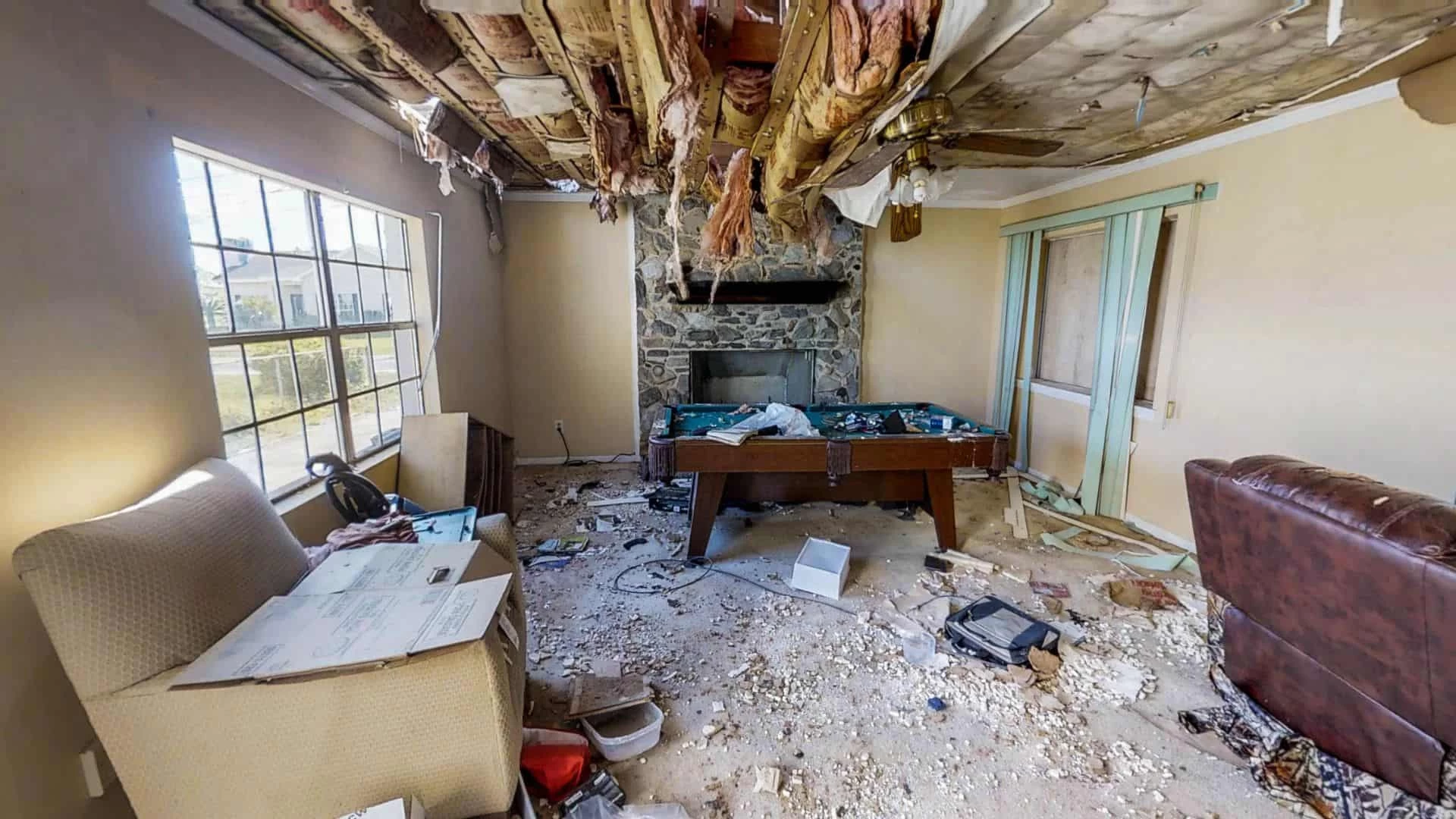
When a pipe bursts in January in a home that won’t be opened again until Memorial Day weekend, the damage doesn’t stop. It spreads. Behind the walls, under the floors, into the framing. By the time you discover it, what could have been a contained remediation has turned into a full-scale structural restoration. The 24-to-48-hour mold window is documented science, and it’s the reason response time matters so much here.
Getting this right means your hardwood floors, your custom millwork, and your premium finishes have a real shot at being saved rather than replaced. It means your insurance claim is documented properly from day one. And it means the next time you list this property or hand it down, there’s no undisclosed mold issue sitting in the walls waiting to derail the deal. That’s what a thorough, professional restoration actually protects.
One Local Company That Handles What Most Restoration Franchises Can't
Green Island Group is a Long Island-based environmental and property restoration company serving North Sea, Southampton, and the broader South Fork. When you call, you reach our real local team not a national call center routing you to whoever is available. That 631 number is genuine, and the people behind it know North Sea.
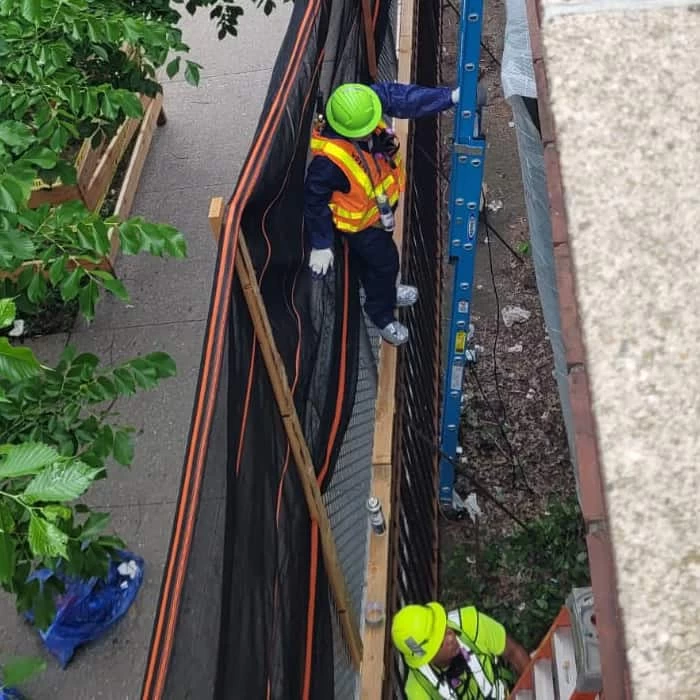
What separates us in a market like North Sea isn’t just water extraction it’s what comes after. Many of the homes along North Sea Road and the waterfront side of Little Peconic Bay were built across several decades, which means asbestos-containing materials, lead paint, and aging infrastructure are real possibilities the moment demo work begins. We handle water damage, mold remediation, asbestos testing and abatement, and air quality testing under one roof. You’re not coordinating three different contractors during one of the most stressful situations a homeowner can face.
Our track record speaks for itself customers consistently describe our crew as honest, thorough, and genuinely invested in getting the job done right. That’s not an accident. It’s how we operate.
The first step is always the same: a rapid assessment. When we arrive at your North Sea property, our team uses thermal imaging cameras and professional moisture meters to find water that isn’t visible to the naked eye. Water migrates it travels behind drywall, beneath flooring, and into structural framing long before you can see any surface damage. Finding all of it on day one is what prevents a bigger problem down the road.
From there, we move into extraction and drying. Industrial-grade equipment pulls standing water out and begins the structural drying process, which typically takes a minimum of three days depending on the extent of saturation. Every reading is logged throughout the process so you have documentation that reflects the actual scope of damage critical for insurance claims, and especially important for properties carrying both standard homeowners coverage and a separate flood policy.
Once the structure is dry and verified, any necessary demolition, mold treatment, or material removal is handled with full compliance under New York State regulations. If your property falls within a FEMA-designated Special Flood Hazard Area which applies to portions of North Sea given its proximity to Peconic Bay Southampton Town’s Building & Zoning Division may require permits for structural restoration work. We navigate that process so you don’t have to figure it out mid-crisis.
Water Damage Restoration Services in North Sea, NY
Full Scope Restoration Built for High-Value Coastal Properties
Water damage restoration in North Sea isn’t a one-size-fits-all service. Coastal bay exposure, a naturally elevated water table near wetland areas like Conscience Point and the Big Woods, and the seasonal vacancy pattern of many homes here all shape what a thorough restoration actually looks like. Our process accounts for all of it.
The core service includes emergency water extraction, structural drying, moisture mapping, and complete documentation for insurance purposes. But because older homes in North Sea often contain materials that require special handling asbestos floor tiles, lead paint in pre-1978 construction, deteriorated pipe insulation our multi-service capability means those discoveries don’t stop the job or send you scrambling for a second contractor. Mold remediation and post-remediation air quality testing are available as part of the same engagement, giving you verified proof that the property is clean not just visually dry.
For seasonal property owners who aren’t on-site during the restoration, we provide clear communication throughout the process and thorough documentation at every stage. Whether you’re in the city and managing this remotely or you’re a year-round North Sea resident who needs the job done right the first time, the level of accountability stays the same. This is a market where cutting corners has real financial consequences, and our work reflects that.
What should I do first if I find water damage in my North Sea home?
The most important thing you can do is call us immediately not tomorrow, not after you’ve tried to dry it yourself. Mold can begin colonizing within 24 to 48 hours of water exposure, and what looks like a manageable wet area on the surface is often much more extensive behind the walls and under the flooring. Attempting to dry it with fans or towels typically delays professional intervention without actually stopping the spread.
If the source of water is still active a burst pipe, a leaking appliance, an open roof shut off the water supply if you can do so safely, and get out of any space that shows signs of structural compromise or electrical hazard. Then call Green Island Group. The sooner a professional assessment begins, the more of your property can realistically be saved, and the cleaner your insurance documentation will be from the start.
How does water damage restoration work when I'm not at my North Sea property?
This is one of the most common situations we handle in North Sea. A significant number of properties here are seasonally occupied, which means damage is often discovered remotely through a neighbor’s call, a property manager’s report, or a smart home sensor. The good news is that you don’t need to be on-site for the restoration to move forward properly.
We document every stage of the assessment and remediation process with photos, moisture readings, and written reports. That documentation serves two purposes: it keeps you informed about what’s actually happening at your property, and it gives your insurance adjuster exactly what they need to process the claim. If your property carries both a standard homeowners policy and a separate flood insurance policy which is common for Peconic Bay-area homes having clean, thorough documentation from day one makes the dual-claim process significantly more straightforward.
Does homeowners insurance cover water damage restoration in North Sea, NY?
It depends on the source of the water. Standard homeowners insurance typically covers sudden and accidental water damage a burst pipe, an appliance failure, a roof leak from a storm. It generally does not cover flooding from an external source, which is why many North Sea homeowners near the bay also carry a separate flood insurance policy through the National Flood Insurance Program or a private flood carrier.
The distinction matters a lot here because North Sea’s coastal exposure to Little Peconic Bay means that storm surge events from nor’easters or tropical storms can push water into properties from the outside. That type of damage falls under flood coverage, not standard homeowners coverage. We work directly with both types of insurers, help document the damage in the format adjusters require, and can assist in clarifying which policy applies to which portion of the loss. Getting that right early prevents delays and underpayment on your claim.
Can water damage in a seasonal North Sea home lead to mold before the season starts?
Yes and this is one of the most common scenarios we encounter on the South Fork. A pipe that freezes and bursts in January, a slow appliance leak that starts in November, a sump pump that fails during a March storm any of these can saturate a closed-up North Sea property for weeks or months before anyone discovers it. By the time a seasonal owner returns in May or June, mold has had more than enough time to establish itself well beyond the original water damage area.
The challenge with long-term undetected moisture is that mold doesn’t stay visible or contained. It grows inside wall cavities, beneath subfloors, and inside HVAC systems places that a visual inspection won’t catch. We use moisture meters and thermal imaging to find exactly where the saturation traveled, and then address both the water damage and any resulting mold as part of a single, coordinated remediation. You get one process, one point of contact, and verified air quality results at the end not a piecemeal repair that leaves questions unanswered.
How long does water damage restoration typically take in North Sea?
The drying phase alone takes a minimum of three days under standard conditions, and that timeline can extend depending on how much material was saturated, how long the water was present before it was discovered, and what the ambient conditions are inside the structure. Seasonal homes that have been closed up with limited airflow and no climate control running often take longer to dry than actively occupied properties.
After drying is complete and verified through moisture readings, any necessary demolition, mold treatment, or structural repair work begins. The full timeline from initial assessment to completed restoration varies based on scope, but we provide a realistic estimate after the initial inspection not a number pulled from thin air. If Southampton Town building permits are required for structural repairs, that process is factored into the timeline upfront so there are no surprises mid-project.
Why does water damage near Little Peconic Bay require a different approach than inland flooding?
Coastal flooding and inland water damage are not the same problem. When storm surge or bay flooding pushes water into a North Sea property, that water carries contaminants sediment, bacteria, and organic material from the bay that classify it as Category 2 or Category 3 water under IICRC standards. That classification changes the entire remediation protocol. Materials that could be dried and saved in a clean-water pipe burst scenario often need to be removed and replaced when the water source is contaminated.
Beyond the water itself, properties in FEMA-designated Special Flood Hazard Areas which includes portions of North Sea given the hamlet’s Peconic Bay exposure are subject to Southampton Town’s flood damage prevention ordinance. If restoration costs exceed 50 percent of the structure’s pre-damage market value, the town may require the entire structure to be brought up to current flood-resistant construction standards before permits are issued. We’re familiar with how Southampton Town’s Building and Zoning Division handles these situations, and that knowledge is part of what you’re getting when you call a genuinely local restoration company rather than a franchise that’s never worked in this jurisdiction before.