Most Cambria Heights Homes Were Built With It Here's How to Handle It Right
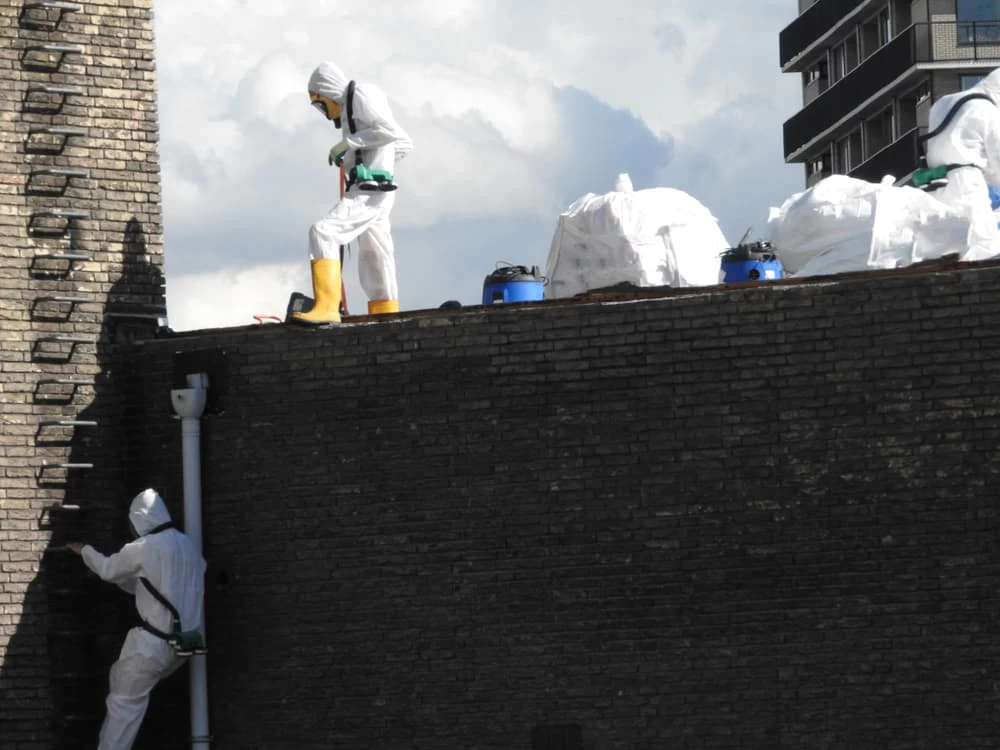
Most homes in Cambria Heights were built before 1950. That means asbestos isn’t a maybe it’s a real possibility hiding in your floors, pipes, or ceilings. We handle the testing, removal, and clearance so you don’t have to guess.
I needed a professional consultation explanation of procedure for safe removal of Asbestos in my apartment complex. Without having an account yet, I was very impressed with the caring, knowledgeable and generous advice offered by Jessica, and will look forward to doing business in the future. Thank you so much! I feel much more informed about a sometimes scary endeavor. Peace. Nancy Silva Mineola, NY.
Mia Munoz
Used this company to clean up some water flood in my house. They were fast and easy to work with.very professional, Would recommend to anyone!
Nini Valle
Great company, had a flood and they responded quickly and efficiently. Billed my insurance company directly. I highly recommend this company!
joe colapietro, jr
I had pipe freeze in my basement right before a snow storm and they made to within an hour to help start the clean up process. They we by our side throughout the entire process and even helped with the insurance company. They did such a great job with the cleanup, repair, remidiation, I contracted them to perform the repairs and finishes in the basement. They came with enough manpower and material to get the job done. Leo and Jessica were nothing but a pleasure to deal with!!
Cristian Arredondo c
I had some water damage in my home and Green Island was able to take care of my issue quickly and effectively. I am very pleased with the work they did. They responded quickly and were very professional.
Michael M
Outstanding service! From the office to the field crew everyone was friendly, helpful and responsive. I highly recommend Green Island Group.
Your Cambria Heights Home Stays Safe, Your Project Keeps Moving
When asbestos shows up mid-renovation or during a home inspection before a sale everything stops. The renovation crew walks off. The closing gets pushed. And suddenly you’re the one scrambling to figure out what comes next. That’s the moment most Cambria Heights homeowners call us.
What you actually need at that point isn’t just someone to pull material out. You need the inspection, the removal, the post-clearance air test, and the documentation all handled, all in order, so you can move forward. We cover every step under one contract. No hand-offs, no gaps, no hunting for a second or third contractor to finish what someone else started.
The housing stock in Cambria Heights is older than most people realize. With roughly 60% of homes built before 1950 including the brick Cape Cods and Tudor-style houses that define the neighborhood the odds of running into asbestos-containing floor tiles, pipe insulation, or popcorn ceiling coatings during any significant renovation are genuinely high. Add the two NYC Landmarks Preservation Commission-designated historic districts on 222nd and 227th Streets, where homes date back to 1931, and you’ve got a neighborhood where this isn’t a rare edge case. It’s a regular part of owning and maintaining an older home here.
The Credentials That Actually Matter in Cambria Heights and Across New York City
Asbestos work in Queens isn’t governed by one set of rules it’s governed by three. NYC DEP regulations, NYS Department of Labor licensing, and federal EPA NESHAP requirements all apply, and they all have to be followed correctly. We hold NYS DOL Asbestos licensing, carry NYC DEP compliance across all five boroughs, and are USEPA Lead/RRP certified which matters in a neighborhood like Cambria Heights, where lead paint and asbestos often live in the same pre-war walls.
We also hold NYC General Contractor licensing, NYC and NYS MWBE certification, and IICRC certification for water and fire restoration. That last part is more relevant than it sounds because in older Cambria Heights homes with original plumbing, a burst pipe and exposed pipe insulation tend to arrive at the same time. We handle both. We serve Cambria Heights as part of our active NYC service area, not as a distant afterthought from our Long Island base.
It starts with an inspection. Before anything is removed, we assess the materials in question and collect samples for laboratory testing. In Cambria Heights, that typically means looking at floor tiles especially the 9×9 vinyl tiles common in 1940s and 1950s construction along with pipe insulation, boiler wrap, ceiling coatings, and roof materials. Homes in the 222nd and 227th Street historic districts often have multiple categories of concern given their 1931 construction date, and we approach those projects with that reality in mind.
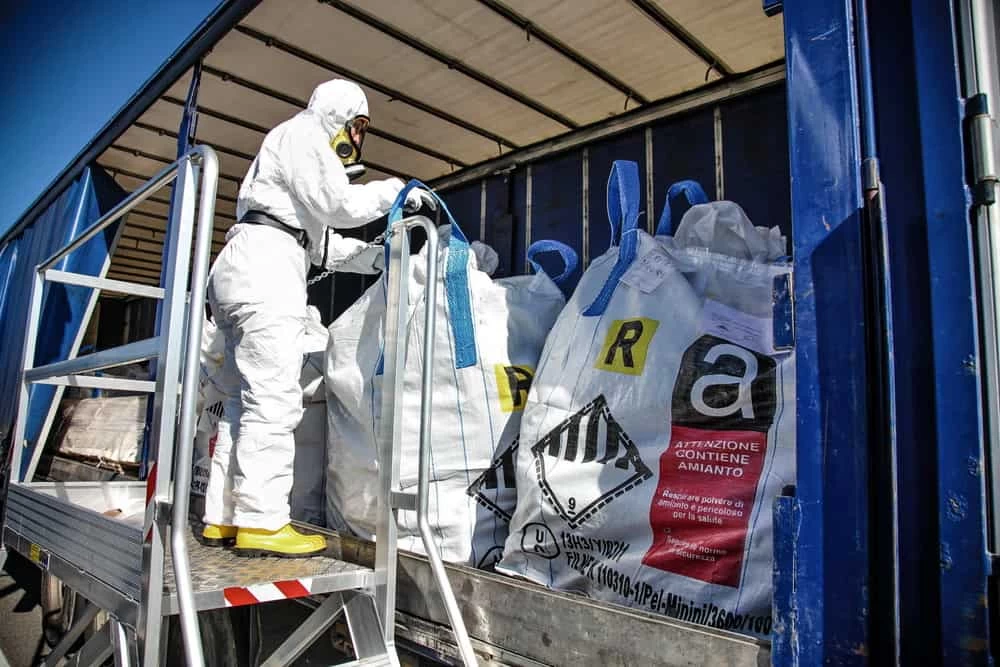
Once testing confirms what we’re dealing with, we file the required notifications with NYC DEP and NYS DOL before any work begins. If your renovation requires an ACP-5 form for a NYC Department of Buildings permit which it likely does if your home was built before 1987 we handle that process as well. Containment goes up, the work gets done by a licensed crew, and waste is disposed of through approved channels.
The job isn’t finished when the material is gone. Post-removal air clearance testing is the step that actually proves the space is safe and it’s the documentation you’ll need if you’re selling the home, closing out a permit, or simply want confirmation that your family can be back in the space. That clearance certificate is the last thing we hand you before we leave.
Built for Older Cambria Heights Homes, Not Generic Job Sites
Our asbestos services cover the full scope of what Cambria Heights homeowners actually run into: asbestos tile removal, asbestos popcorn ceiling removal, pipe and duct insulation abatement, boiler and furnace wrap removal, roof shingle testing and removal, and encapsulation where full removal isn’t the right call. Every project includes proper containment, licensed removal, regulated disposal, and post-clearance verification.
Because so many homes in Cambria Heights were built in the same era and with the same materials, we’ve developed a clear picture of what to expect in this neighborhood specifically. The brick Cape Cods along the residential blocks tend to have the same floor tile and basement pipe insulation profile. The older Tudor and Storybook-style homes near the historic districts often have original roofing materials and pipe systems that require careful, methodical removal not a rushed crew working against a tight schedule.
If your project also involves water damage, mold, or a renovation that needs to be rebuilt after abatement, we handle that too. We carry IICRC certification for water and fire restoration and hold general contractor licenses in New York City, Suffolk County, and Nassau County. For Cambria Heights homeowners sitting right on the Queens-Nassau border, that dual-market coverage means one company can manage the full job regardless of which side of the line your property sits on.
Does my Cambria Heights home actually need asbestos testing before a renovation?
If your home was built before 1980 and in Cambria Heights, that’s the overwhelming majority of the housing stock New York City regulations require that asbestos-containing materials be identified and addressed before renovation work begins. The NYC Department of Buildings requires an ACP-5 form, which is an asbestos investigation certification, before issuing permits for renovation or demolition in pre-1987 buildings. Skipping this step doesn’t just create a health risk it can void your permits, expose your contractor to violations, and create liability issues that follow the property through future sales.
In practical terms, this means that if you’re gutting a kitchen, finishing a basement, or replacing flooring in a Cambria Heights home built in the 1940s or 1950s, testing isn’t optional. It’s the first step. The good news is that testing is straightforward we collect samples, send them to a certified lab, and have results back quickly so your project doesn’t sit idle longer than necessary.
What materials in an older Cambria Heights home are most likely to contain asbestos?
In homes built between the 1930s and 1970s which covers most of Cambria Heights the most common locations are vinyl floor tiles (particularly the 9×9 inch tiles used in mid-century construction), the adhesive mastic beneath those tiles, pipe and duct insulation, boiler and furnace wrap, popcorn or textured ceiling coatings, drywall joint compound, roof shingles, and window glazing compound. It’s rarely just one material. In a home that hasn’t been significantly renovated since it was built, you may have several of these present at once.
The Storybook and Tudor-style homes in Cambria Heights’s historic districts, which date to 1931, are particularly likely to have original pipe systems and roofing materials that contain asbestos. If your home falls within the 222nd Street or 227th Street Historic Districts, the age and architectural style of the structure alone are strong indicators that a thorough inspection makes sense before any work is planned.
How does NYC DEP regulate asbestos removal, and what does that mean for me?
New York City has regulated asbestos since 1987 under Title 15 of the NYC Rules, and the NYC Department of Environmental Protection has oversight authority over asbestos projects within all five boroughs including Queens. Before any asbestos-containing material can be disturbed in a NYC building, DEP approval is required. For larger projects, this involves filing project notifications and in some cases obtaining a variance. Contractors performing this work must hold active NYC DEP credentials, not just a general state license.
On top of DEP requirements, New York State’s Department of Labor requires all asbestos contractors to be licensed through the Asbestos Control Bureau, which also performs job site inspections. Federal EPA NESHAP regulations add a third layer, requiring advance notification before removal projects that exceed certain thresholds which most whole-room or full-floor abatement jobs in a Cambria Heights home will. When you hire a contractor in Queens, it’s worth asking specifically about all three credentials, not just whether they’re “licensed.”
Can I sell my Cambria Heights home if asbestos is present?
Yes, but it depends on the situation and how you handle it. Asbestos that is intact and undisturbed meaning it’s not crumbling, flaking, or being disturbed by renovation work may not require immediate removal. However, buyers in the Cambria Heights market, where homes are regularly listed in the $600,000 to $800,000 range, tend to conduct thorough inspections, and asbestos findings frequently become negotiating points or deal-breakers if they’re not addressed proactively.
The cleaner path for most sellers is to have the abatement completed before listing, with a post-clearance certificate in hand. That documentation gives buyers and their inspectors a clear answer, keeps the transaction on schedule, and removes the uncertainty that tends to slow closings or reduce offers. If asbestos is discovered during a buyer’s inspection after a contract is signed, the pressure to resolve it quickly is significant which is exactly the situation where having a contractor who can mobilize fast and handle the full process matters most.
What happens if asbestos is discovered during an active renovation in Cambria Heights?
Work stops. That’s the correct and legally required response. Under NYC DEP and NYS DOL regulations, once asbestos-containing material is identified or suspected in an area being disturbed, the work area needs to be secured and a licensed abatement contractor needs to assess the situation before anything continues. This is true whether you’re doing a full gut renovation or a targeted repair project.
In practice, this means your renovation crew walks off the job, and the clock starts ticking on your timeline and budget. The fastest way through it is having a contractor who can get there quickly, assess what you’re dealing with, file the required notifications, and get the abatement done on a timeline that gets your project moving again. We operate across Queens and respond to exactly this kind of mid-project discovery regularly. We also carry general contractor licensing, so if the abatement requires opening walls or removing flooring, we can handle the rebuild on the back end without you needing to find a separate contractor to finish the job.
Are homes in Cambria Heights's historic districts treated differently for asbestos abatement?
The asbestos regulations themselves don’t change based on historic district status NYC DEP, NYS DOL, and EPA requirements apply the same way. But if your home is in the Cambria Heights–222nd Street or Cambria Heights–227th Street Historic District, any exterior work touching the building’s facade, roofline, or character-defining features also falls under NYC Landmarks Preservation Commission guidelines. That means a roof replacement that uncovers asbestos shingles, or exterior siding work that reveals asbestos board, needs to be handled in a way that satisfies both the abatement regulations and the LPC’s requirements for maintaining the historic character of the district.
Most abatement-only contractors aren’t equipped to navigate that dual regulatory picture. We hold NYC General Contractor licensing in addition to our asbestos credentials, which means we understand both sides of that equation. If you own one of the 96 homes in those districts the Storybook-style brick and stucco houses completed in 1931 and you’re planning any work that touches original materials, it’s worth having a conversation with a contractor who knows what both sets of rules actually require before the project starts.