Jamaica Estates Homes Were Built to Last Not to Hide What's Inside Them
Most homes in Jamaica Estates were built before 1960. That means asbestos abatement isn’t a rare situation here it’s a routine reality for homeowners who are renovating, selling, or finally dealing with what’s been sitting in the walls and under the floors for decades.
I needed a professional consultation explanation of procedure for safe removal of Asbestos in my apartment complex. Without having an account yet, I was very impressed with the caring, knowledgeable and generous advice offered by Jessica, and will look forward to doing business in the future. Thank you so much! I feel much more informed about a sometimes scary endeavor. Peace. Nancy Silva Mineola, NY.
Mia Munoz
Used this company to clean up some water flood in my house. They were fast and easy to work with.very professional, Would recommend to anyone!
Nini Valle
Great company, had a flood and they responded quickly and efficiently. Billed my insurance company directly. I highly recommend this company!
joe colapietro, jr
I had pipe freeze in my basement right before a snow storm and they made to within an hour to help start the clean up process. They we by our side throughout the entire process and even helped with the insurance company. They did such a great job with the cleanup, repair, remidiation, I contracted them to perform the repairs and finishes in the basement. They came with enough manpower and material to get the job done. Leo and Jessica were nothing but a pleasure to deal with!!
Cristian Arredondo c
I had some water damage in my home and Green Island was able to take care of my issue quickly and effectively. I am very pleased with the work they did. They responded quickly and were very professional.
Michael M
Outstanding service! From the office to the field crew everyone was friendly, helpful and responsive. I highly recommend Green Island Group.
Your renovation doesn’t have to stay on hold. When asbestos is found mid-project under the kitchen floor, behind the bathroom wall, wrapped around the pipes in the basement everything stops. The contractor walks off. The timeline blows up. Getting a licensed abatement crew in quickly is the difference between a two-week delay and a two-month nightmare.
Jamaica Estates has one of the highest concentrations of pre-1950 housing stock in Queens. The Tudor and Craftsman homes along Midland Parkway and the surrounding streets were built with materials that were standard at the time 9×9 floor tiles, plaster base coats, pipe insulation on steam heating systems and most of it has never been touched. If you’re opening up walls, replacing a boiler, or finishing a basement, there’s a real chance something is in there.
The other side of this is the sale. Pre-sale inspections in Jamaica Estates are thorough, and buyers’ attorneys take asbestos findings seriously. A properly documented abatement with a clearance certificate from a licensed contractor protects your closing date and removes the leverage a buyer would otherwise have at the table. You don’t want to negotiate price reductions because you didn’t handle this before listing.
Every Credential This City Requires Already in Place
Green Island Group holds the NYS Department of Labor Asbestos license, NYC General Contractor license, NYC BIC certification, and USEPA Lead/RRP certification. In New York City, that stack matters. These aren’t optional credentials they’re what separates a contractor who can legally do this work from one who can’t. And in a borough like Queens, where NYC DEP has regulated asbestos since 1987, you need someone who knows the paperwork as well as they know the job.
We serve all five boroughs, and Jamaica Estates is well within our regular service area. Homeowners near St. John’s University, along Union Turnpike, and throughout the Community Board 8 neighborhoods call us when they need abatement handled correctly not just quickly. We’re also a licensed general contractor, which means when the abatement is done, we can handle the reconstruction too. One company, one point of contact, from start to finish.
It starts with an assessment. A certified investigator comes to the property, identifies any suspected asbestos-containing materials, and collects samples for lab testing. In Jamaica Estates, that usually means checking the original floor tiles, the pipe insulation on the heating system, ceiling texture, and any plaster surfaces that are being disturbed. Homes built in the 1920s through the 1950s which is most of the neighborhood have a predictable set of locations where asbestos shows up.
Once testing confirms what’s there, we handle the NYC DEP notification and permitting before any abatement work begins. That includes the ACP-7 project notification, the A-TRU permit, and any other documentation your project requires. This step is non-negotiable in New York City, and skipping it or hiring someone who doesn’t know it exists creates stop-work orders and regulatory problems that fall on you as the property owner.
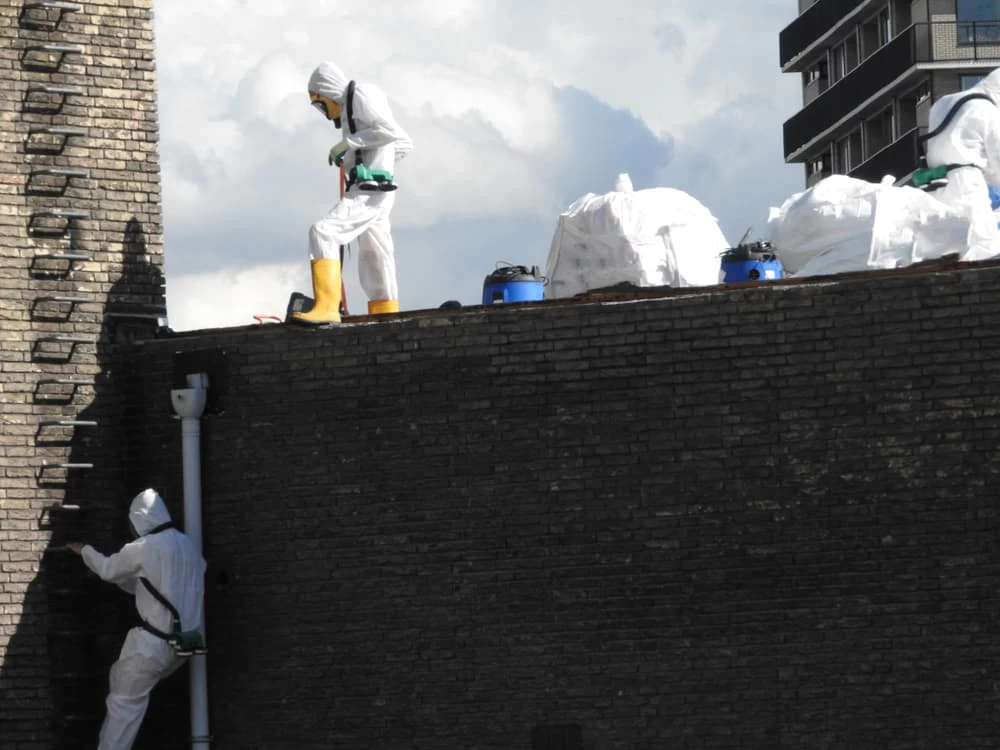
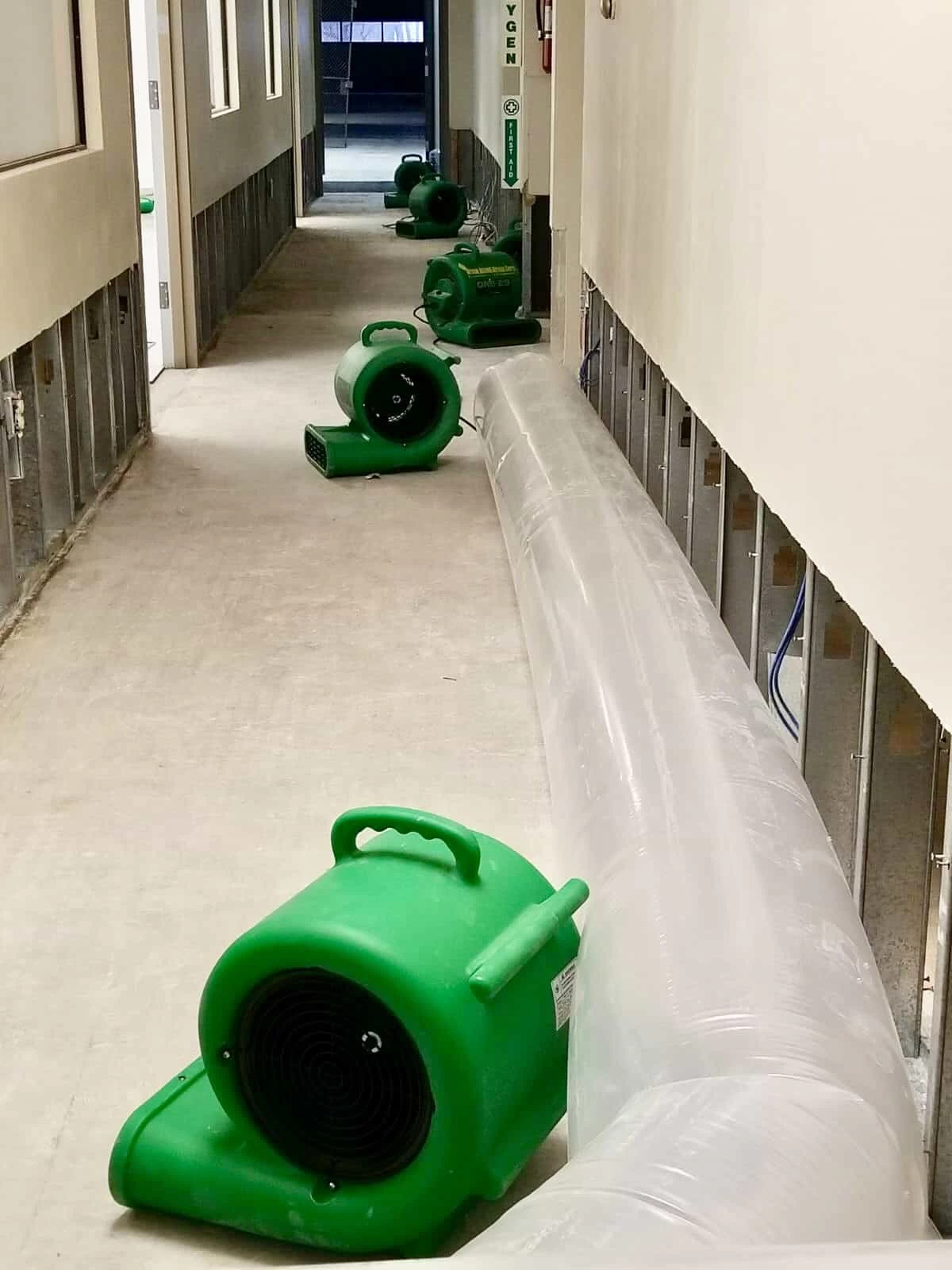
The abatement itself is done under full containment, with negative air pressure and HEPA-filtered air scrubbers running throughout the job. When the work is complete, post-clearance air testing is conducted by an independent party to confirm the space is safe. You receive that clearance certificate the document your contractor, your real estate attorney, and your insurance company will ask for. Nothing is signed off until the air is clean.
Asbestos abatement isn’t one thing it depends entirely on what’s in your home and where. In Jamaica Estates, the most common materials we encounter are original vinyl floor tiles (the 9×9 variety found in kitchens, basements, and entryways), pipe insulation on steam heating systems, textured ceiling finishes applied through the 1970s, and plaster walls in pre-war construction. Each material type has its own removal protocol, and each one requires the same standard of containment, documentation, and post-clearance testing.
Beyond removal, we also handle encapsulation when full removal isn’t necessary or practical a method that seals the material in place rather than disturbing it. Both approaches are legitimate depending on the condition and location of the material, and we’ll tell you which one makes sense for your specific situation. We don’t push one method over another for convenience.
Because Jamaica Estates homes often carry more than one hazard asbestos alongside lead paint in pre-1978 construction is extremely common our USEPA Lead/RRP certification means we can address both under a single project. If water damage is involved, our IICRC-certified restoration team can step in as well. Whether it’s asbestos tile removal, popcorn ceiling removal, pipe insulation abatement, or a full pre-renovation clearance, the scope gets handled by one licensed crew with the documentation to back it up.
Do I need NYC DEP approval before removing asbestos in my Jamaica Estates home?
Yes and this applies to every property in all five boroughs, including Jamaica Estates. NYC DEP has regulated asbestos handling since 1987, and before any asbestos-containing material is disturbed, DEP approval is required. That means a certified asbestos investigator needs to survey the affected areas first, and depending on the scope of the project, you’ll need either an ACP-7 project notification or an ACP-505 for smaller-scale work. The A-TRU permit must be in place before abatement begins.
Where homeowners run into trouble is hiring a contractor who skips this step or isn’t familiar with how DEP’s process works. The result is a stop-work order mid-renovation, which is far more disruptive and expensive than doing it right the first time. We handle the full permitting and notification process as a standard part of every project you don’t have to figure out the forms on your own.
How do I know if the floor tiles or ceiling in my Jamaica Estates home contain asbestos?
You can’t tell by looking. Asbestos fibers are microscopic, and the materials that contain them floor tiles, ceiling texture, pipe insulation, joint compound look completely normal. The only way to know for certain is to have a sample collected by a certified asbestos investigator and sent to an accredited lab for analysis.
In Jamaica Estates, where over 40 percent of homes were built before 1950, the odds are significant. The 9×9 vinyl floor tiles found in kitchens and basements of homes from that era are one of the most common asbestos-containing materials we encounter. Same with the textured ceilings applied through the 1960s and 70s, and the plaster base coats in pre-war construction. If your home was built before 1980 and you’re planning any renovation work, testing before you start is the right call not after your contractor has already disturbed something.
My contractor stopped work and said there might be asbestos what do I do now?
This is one of the most common calls we get. A renovation is underway, something gets opened up, and the contractor stops because they suspect asbestos. The right move is to stop work in that area, don’t disturb the material further, and call a licensed asbestos abatement contractor for an assessment.
From there, a certified investigator will come out, collect samples, and get them to the lab. Turnaround on results is typically 24 to 48 hours for standard testing. If asbestos is confirmed, we handle the NYC DEP notification and permitting, set up proper containment, and get the abatement done so your renovation can continue. The timeline from discovery to clearance depends on the scope, but for a typical residential project in Queens, most homeowners are back on track within one to two weeks. The worst thing you can do is try to continue working around it or hire someone who will.
Is asbestos pipe insulation in a Jamaica Estates home dangerous if it hasn't been touched?
Asbestos that is in good condition and left completely undisturbed generally does not release fibers into the air. The risk comes when the material is damaged, deteriorating, or disturbed which is exactly what happens when a plumber replaces a boiler, a contractor opens a wall, or old insulation starts to crumble on its own.
In Jamaica Estates, steam heating systems are standard in the older Tudor and Craftsman homes that define the neighborhood. The pipe insulation on those systems was often installed during original construction in the 1920s through 1950s, and after 70 or 80 years, some of it is no longer in pristine condition. If you’re planning a boiler replacement, a heating system upgrade, or any work that involves touching those pipes, the insulation needs to be assessed and potentially abated before the HVAC work begins. Trying to work around it or having a plumber disturb it without a licensed abatement contractor present creates both a health risk and a legal liability.
What does asbestos abatement actually cost for a single-family home in Queens?
Cost depends on what materials are involved, how much of it there is, and where it’s located in the home. For a typical residential asbestos removal project say, floor tile removal in a kitchen or basement, or pipe insulation abatement in a mechanical room you’re generally looking at a range that starts around $1,500 and can go higher depending on scope. Larger projects involving multiple material types or whole-room abatement will cost more.
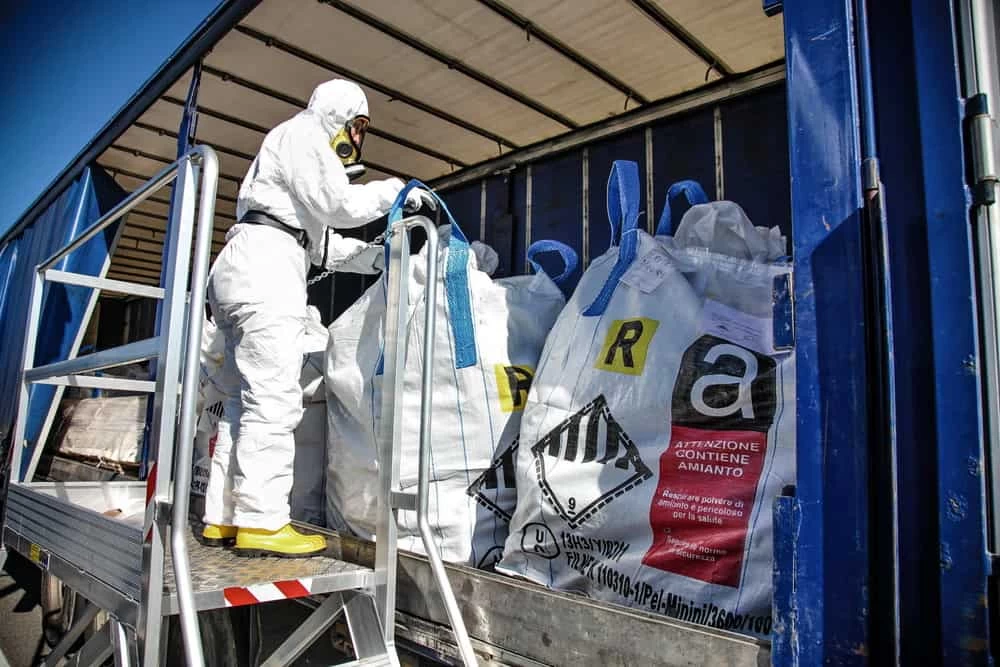
What’s worth understanding is what that cost actually includes: the certified investigator survey, lab testing, NYC DEP permitting and notification, full containment setup, licensed removal, proper disposal at a licensed facility, and post-clearance air testing with documentation. In New York City, that regulatory process is not optional, and a quote that doesn’t include it isn’t a real comparison. Contractors who skip permitting or skip post-clearance testing are cutting corners that put you at risk legally and health-wise. The clearance certificate at the end of a properly documented project is worth more than the difference in price between a licensed contractor and one who isn’t.
Can asbestos abatement be done while my family is still living in the house?
It depends on the location and scope of the work. For contained projects a basement floor tile removal or a single mechanical room it’s sometimes possible for the family to remain in unaffected parts of the home, provided proper containment is in place and the work area is fully isolated. For larger projects involving multiple rooms, ceiling abatement, or widespread material removal, temporary relocation during the active work phase is the safer and more practical choice.
In Jamaica Estates, where many homes are multi-story single-family residences with finished basements and original heating systems, the scope of an abatement project can vary significantly from one property to the next. We walk through this with every homeowner before work begins what areas are affected, what the containment setup looks like, and whether staying in the home during the project is realistic for your specific situation. Post-clearance air testing confirms the space is safe before anyone re-occupies the abated area, and that documentation gives you an objective basis for that decision rather than just taking someone’s word for it.