Queens Village Homes Were Built With It. We Remove It Legally.
Most homes in Queens Village were built before 1970 when asbestos was standard. If renovation, a flood, or a home sale just put yours on the clock, we handle asbestos removal from first call to final clearance certificate.
I needed a professional consultation explanation of procedure for safe removal of Asbestos in my apartment complex. Without having an account yet, I was very impressed with the caring, knowledgeable and generous advice offered by Jessica, and will look forward to doing business in the future. Thank you so much! I feel much more informed about a sometimes scary endeavor. Peace. Nancy Silva Mineola, NY.
Mia Munoz
Used this company to clean up some water flood in my house. They were fast and easy to work with.very professional, Would recommend to anyone!
Nini Valle
Great company, had a flood and they responded quickly and efficiently. Billed my insurance company directly. I highly recommend this company!
joe colapietro, jr
I had pipe freeze in my basement right before a snow storm and they made to within an hour to help start the clean up process. They we by our side throughout the entire process and even helped with the insurance company. They did such a great job with the cleanup, repair, remidiation, I contracted them to perform the repairs and finishes in the basement. They came with enough manpower and material to get the job done. Leo and Jessica were nothing but a pleasure to deal with!!
Cristian Arredondo c
I had some water damage in my home and Green Island was able to take care of my issue quickly and effectively. I am very pleased with the work they did. They responded quickly and were very professional.
Michael M
Outstanding service! From the office to the field crew everyone was friendly, helpful and responsive. I highly recommend Green Island Group.
Your renovation doesn’t have to stay frozen. When asbestos is found mid-project under kitchen tile, wrapped around basement pipes, or in a textured ceiling everything stops until it’s handled. The right abatement contractor doesn’t just remove the material. We file the NYC DEP notification, coordinate the clearance testing, and hand you the documentation your contractor, your attorney, or your buyer’s lender needs to move forward. That’s what getting this done correctly actually looks like.
Queens Village is one of the most owner-occupied neighborhoods in all of Queens, and the housing stock reflects it. These are homes that have been lived in and loved for decades colonials and Tudors built in the 1940s and 1950s, many of which have never had a full renovation. That means original floor tiles, original pipe insulation, original ceiling texture. When you finally start that project, you deserve to finish it without a regulatory problem or a health liability hanging over the process.
The other thing that changes is the sale. Queens Village home values are sitting near $785,000 right now, up over six percent in the last year alone. A pre-sale inspection that surfaces asbestos doesn’t have to kill your deal but it does require a certified removal, proper documentation, and a clearance certificate before closing. When that’s handled cleanly, the transaction moves. When it isn’t, it doesn’t.
Every License That Matters in New York City We Hold It
We are a full-service environmental remediation contractor licensed to operate across all five boroughs of New York City, including Queens Village. That distinction matters here. Queens Village sits right on the Nassau County line, but your property is subject to NYC DEP and NYC DOB requirements not Nassau County rules. Contractors who work primarily in Long Island and occasionally cross into the city often don’t know the difference until it creates a problem for their client. We know the five-borough regulatory framework because we work in it every day.
The credential stack is real: NYS DOL Asbestos license, NYC BIC, NYC General Contractor, USEPA Lead/RRP, USEPA certification, IICRC, and NYC MWBE certification, among others. For a homeowner on Springfield Boulevard or in Hollis Hills trying to figure out who to trust with a regulated hazardous material removal, those aren’t just logos they’re the answer to the question of whether we’re legally qualified to do this work in your city.
We’re also available 24 hours a day, seven days a week. When a renovation stops because of a suspected asbestos discovery, or a flood cleanup surfaces something in the basement, waiting until Monday morning isn’t always an option.
No Guesswork. Here's Exactly What the Process Looks Like.
It starts with an assessment. Before anything is removed, a certified asbestos investigator surveys the affected area and collects samples for lab testing. In Queens Village, this step also triggers the NYC DEP process the city requires a certified survey before any regulated material is disturbed, and for larger projects, a DEP notification must be filed at least seven days before work begins. We handle that filing. You don’t have to figure out what form goes where or which agency needs to hear from you first.
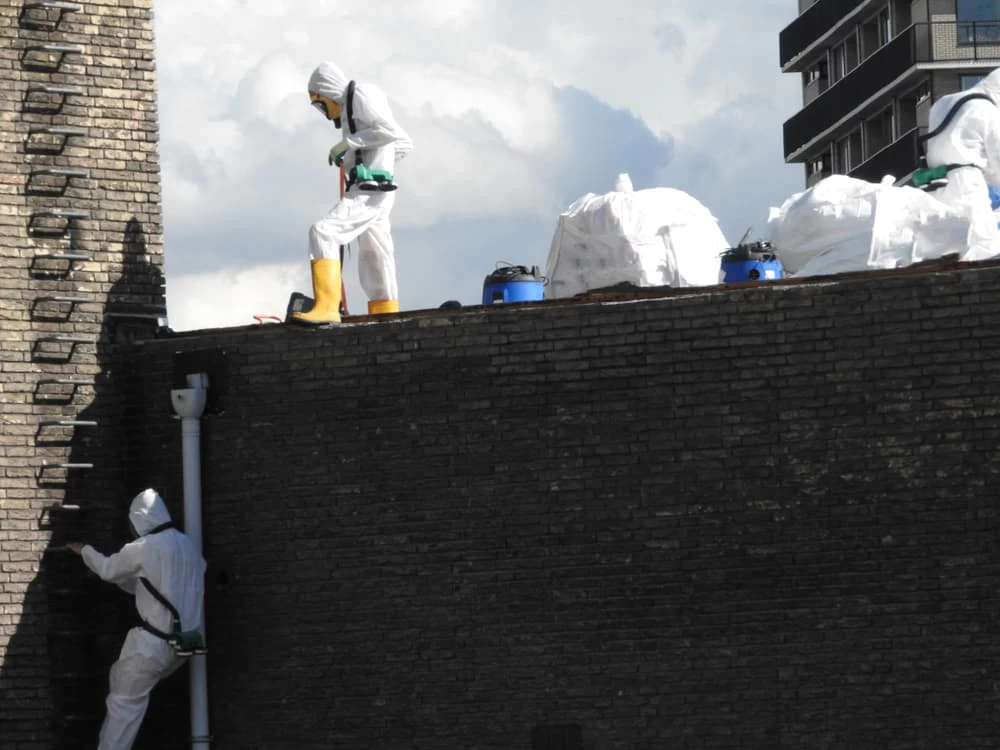
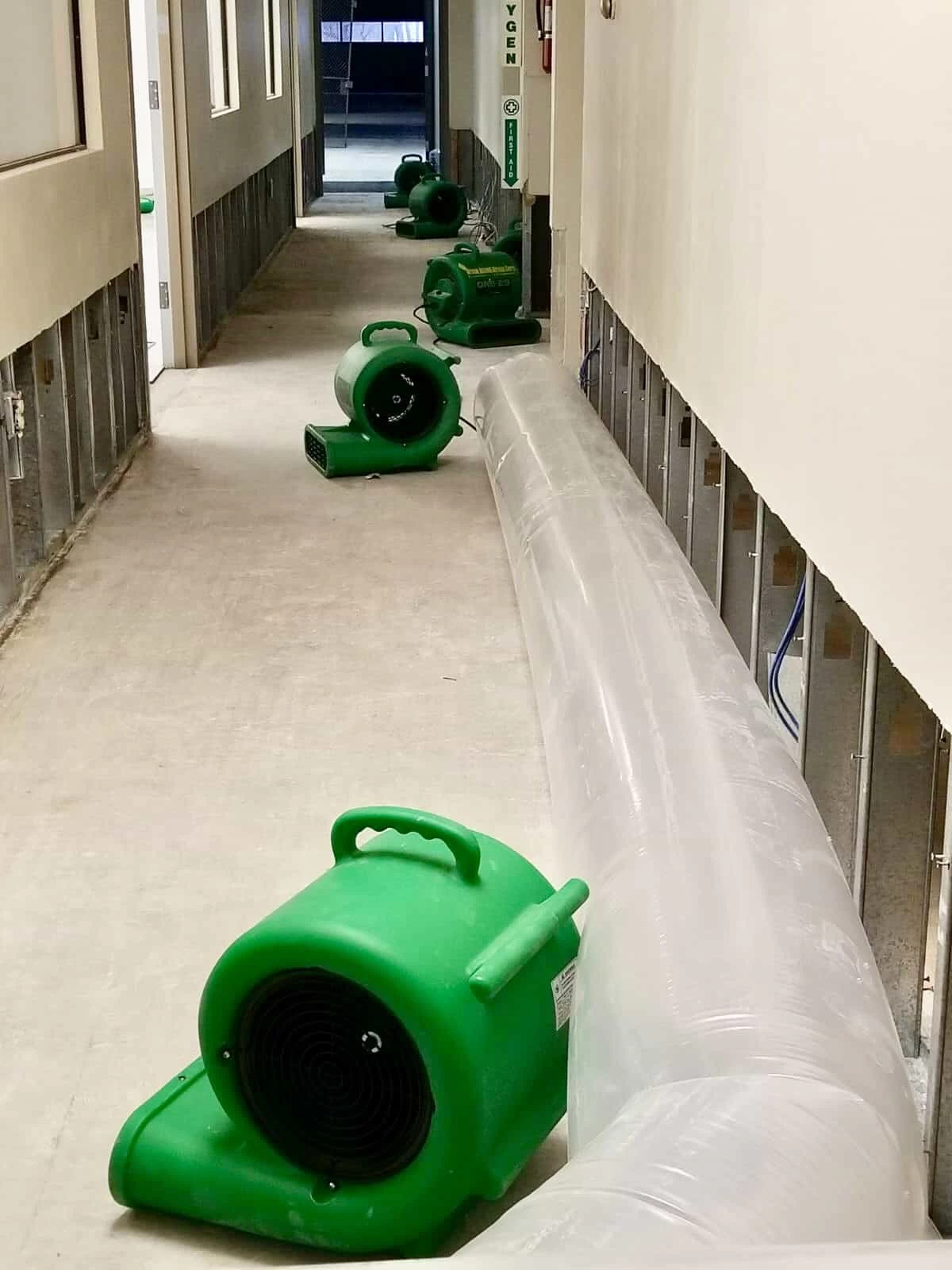
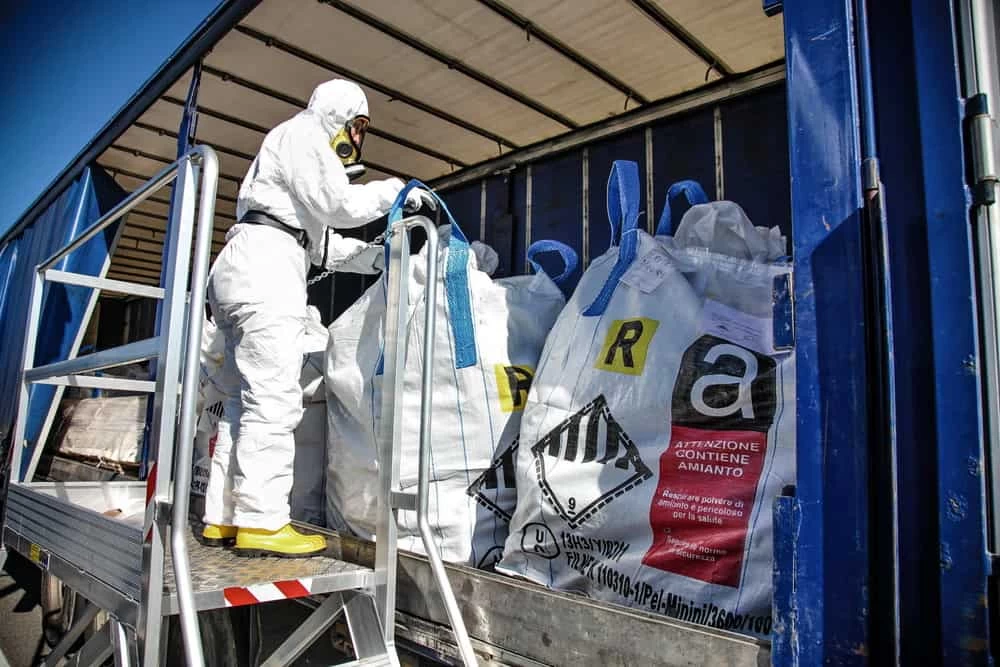
Once the survey is complete and the regulatory clock is running, we set up full containment around the work area negative air pressure, sealed barriers, and Microtrap air scrubbers running continuously. The affected materials are removed, bagged, and disposed of according to EPA and NYS DOL standards. Whether it’s vinyl floor tile in a 1950s kitchen, pipe insulation in a basement mechanical room, or a popcorn ceiling that’s been there since the Carter administration, the removal process is the same: methodical, contained, and documented at every step.
After removal, post-clearance air testing is conducted by an independent party before the containment comes down and before anyone re-enters the space. That test result is your clearance certificate the document your real estate attorney, your renovation contractor, or your insurance adjuster needs to see. When the job is done, you have paper in hand that proves it.
From Basement Tile to Popcorn Ceiling It's All Covered
The most common asbestos call we get from Queens Village involves floor tile. The 9×9 vinyl tiles found in kitchens, basements, and bathrooms of homes built between 1940 and 1970 were routinely manufactured with asbestos. They’re in thousands of homes between Jamaica Avenue and the Nassau County line, and most homeowners don’t know they’re there until a renovation contractor pulls one up and stops the job. Asbestos tile removal in these homes is something we’ve done hundreds of times, in this exact building type, under the same NYC DEP framework that applies to every property in Queens Village.
Popcorn ceiling removal is the second most common request. Textured ceilings applied through the late 1970s frequently contain asbestos, and they become an issue the moment someone wants to refinish a room, update a home before a sale, or deal with water damage from above. The removal process requires the same containment and clearance protocol as any other asbestos abatement it’s not a DIY project, and it’s not something a general painting contractor should be handling without the proper licensing.
Beyond tile and ceilings, we also handle pipe and boiler insulation removal, HVAC duct wrap, drywall joint compound, and attic vermiculite. Because we also hold USEPA Lead/RRP certification, we can assess and address lead paint in the same visit which matters in a neighborhood where virtually every home predates 1978. One project, one crew, one clearance certificate.
Do I need NYC DEP approval before asbestos removal in Queens Village?
Yes and this is one of the most important things to understand if you own property in Queens Village specifically. Because you’re within the five boroughs of New York City, asbestos work here is governed by NYC DEP Title 15 regulations, not the more relaxed standards that apply just across the Nassau County line in Floral Park or Bellerose. Before any asbestos-containing material is disturbed, a DEP-certified investigator must perform a survey. For projects above certain thresholds which most full-room or basement abatements will exceed a formal DEP notification must be filed at least seven business days before work begins.
The NYC Department of Buildings also requires an ACP-5 clearance form before renovation or demolition permits are issued. If you’re planning a permitted project in Queens Village and asbestos is present, you cannot get your DOB permit until the abatement is documented and signed off. Hiring a contractor who doesn’t know this process or who works primarily in Nassau County and isn’t registered with NYC can create delays, fines, and complications that cost far more than the abatement itself. We handle the DEP notification and all associated documentation as a standard part of every Queens Village project.
How much does asbestos removal typically cost for a Queens Village home?
The honest answer is that it depends on what’s there and how much of it needs to come out. A single room of floor tile removal in a Queens Village colonial might run in the range of $1,500 to $3,000. A larger project basement pipe insulation, multiple rooms of tile, or a full popcorn ceiling removal across a significant square footage can run $4,000 to $8,000 or more. NYC pricing generally runs higher than national averages because of the regulatory compliance costs built into every job: the DEP survey, the notification filing, the independent post-clearance air testing, and the certified disposal.
What’s worth keeping in mind is the math relative to your property. Queens Village homes are selling near $785,000 right now. A failed home sale, a regulatory fine for unpermitted asbestos disturbance, or a health liability from improper removal costs far more than a professional abatement project. The clearance certificate you receive at the end of a properly documented job is also a real asset it’s documentation your buyer, their lender, and your real estate attorney can rely on. We provide free assessments so you know what you’re looking at before committing to anything.
What types of asbestos materials are most common in Queens Village homes?
Queens Village was built out primarily during the 1920s through the 1960s, which is the exact window when asbestos use in residential construction was at its peak. The most common materials we find in this neighborhood are vinyl floor tiles specifically the 9×9 inch tiles used in kitchens, basements, and bathrooms of post-war homes. These tiles were manufactured with asbestos as a standard ingredient through the mid-1970s, and they’re present in a significant percentage of the housing stock between Springfield Boulevard and the Nassau County border.
Pipe and boiler insulation is the second most common find, particularly in homes with original basement mechanical systems. Asbestos was used to wrap pipes and insulate boilers because of its heat resistance, and in homes that haven’t had a full basement renovation, it’s often still there. Popcorn and textured ceiling finishes applied before 1980 are another frequent discovery, as are drywall joint compounds used in walls finished before 1977. If your home was built before 1978 and hasn’t been significantly renovated, there’s a reasonable chance more than one of these materials is present. A proper survey will tell you exactly what you’re dealing with.
Can I remove asbestos floor tiles myself in a Queens Village property?
Legally and practically, no not in New York City. Under NYC DEP regulations, asbestos abatement in the five boroughs must be performed by a licensed contractor using certified workers. Disturbing asbestos-containing materials without the proper licensing, containment, and disposal protocols isn’t just a health risk it’s a regulatory violation that can result in significant fines and create a documented problem on your property’s record that complicates future sales or permits.
Beyond the legal issue, the practical risk is real. Vinyl asbestos floor tiles that are intact and undisturbed are generally considered lower risk. The moment you start breaking them up, scraping adhesive, or sanding the subfloor beneath them, you’re releasing fibers into the air. Without a sealed containment area, negative air pressure, and proper respiratory protection, those fibers can spread through your home’s HVAC system and settle on surfaces throughout the house. In a Queens Village colonial where the basement HVAC system serves the whole home, that’s a significant exposure risk for everyone living there. The cost of doing this correctly is a fraction of the cost of doing it wrong.
How long does asbestos abatement take in a typical Queens Village home?
Most residential asbestos abatement projects in Queens Village single-family homes are completed within one to three days of the actual removal work starting. The timeline that homeowners are sometimes surprised by is the period before the work begins specifically the NYC DEP notification requirement, which mandates that larger projects be filed at least seven business days before work starts. This is a regulatory requirement, not a scheduling preference, and it applies to most full-room or basement abatement jobs in the five boroughs.
The practical sequence looks like this: assessment and lab testing typically takes one to two days, DEP notification filing happens immediately after, and the seven-day clock runs while you continue your normal routine. Once the notification period clears, the physical abatement work generally takes one to three days depending on the scope. Post-clearance air testing is conducted before the containment comes down, and results are typically available within 24 to 48 hours. From first call to clearance certificate, most Queens Village homeowners are looking at a total timeline of two to three weeks when the regulatory notification period is factored in which is why calling sooner rather than later matters if you’re working toward a renovation start date or a closing deadline.
Does Green Island Group handle asbestos abatement in all three Queens Village zip codes?
Yes we serve all three Queens Village zip codes: 11427 (the northern section including Hollis Hills), 11428 (central Queens Village), and 11429 (the southern section including the Bellaire area near Jamaica Avenue and 211th Street). The housing stock varies somewhat across these sections Hollis Hills tends to have larger homes with more extensive basement and attic systems, while the Bellaire corridor has a mix of single-family homes and smaller multi-family buildings but the regulatory framework is the same across all three zip codes. Every property in Queens Village is subject to NYC DEP and NYC DOB requirements, regardless of which section of the neighborhood it sits in.
We also serve the adjacent communities that share Queens Village’s housing vintage and regulatory environment: Hollis, Cambria Heights, Rosedale, and properties on the Queens side of the Nassau County border near Floral Park and Bellerose. If you’re not sure whether your address falls within our service area, call us the answer is almost certainly yes, and the conversation costs you nothing.