Chinatown's Aged Buildings Need More Than a Cleanup Crew
When a fire hits a pre-war walk-up in Chinatown, the damage doesn’t stop at the burned floor and neither should the restoration. We handle everything from smoke and soot to water intrusion, mold risk, and hazardous materials, so nothing gets missed and nothing gets left for someone else to finish.
I needed a professional consultation explanation of procedure for safe removal of Asbestos in my apartment complex. Without having an account yet, I was very impressed with the caring, knowledgeable and generous advice offered by Jessica, and will look forward to doing business in the future. Thank you so much! I feel much more informed about a sometimes scary endeavor. Peace. Nancy Silva Mineola, NY.
Mia Munoz
Used this company to clean up some water flood in my house. They were fast and easy to work with.very professional, Would recommend to anyone!
Nini Valle
Great company, had a flood and they responded quickly and efficiently. Billed my insurance company directly. I highly recommend this company!
joe colapietro, jr
I had pipe freeze in my basement right before a snow storm and they made to within an hour to help start the clean up process. They we by our side throughout the entire process and even helped with the insurance company. They did such a great job with the cleanup, repair, remidiation, I contracted them to perform the repairs and finishes in the basement. They came with enough manpower and material to get the job done. Leo and Jessica were nothing but a pleasure to deal with!!
Cristian Arredondo c
I had some water damage in my home and Green Island was able to take care of my issue quickly and effectively. I am very pleased with the work they did. They responded quickly and were very professional.
Michael M
Outstanding service! From the office to the field crew everyone was friendly, helpful and responsive. I highly recommend Green Island Group.
What Gets Fixed When the Whole Building Takes the Hit
In a five- or six-story Chinatown walk-up, a fire on one floor doesn’t stay on one floor. Firefighting water soaks through ceilings into every unit below. Smoke travels through shared utility chases into apartments that never saw a flame. Soot settles into walls, floors, and personal belongings across multiple units and in buildings built before 1980, disturbing those walls means disturbing asbestos and lead paint. That’s not a cleanup job. That’s a full remediation.
Most of Chinatown’s residential buildings were built between the 1870s and the 1930s. That era of construction didn’t include fire stops between floors, modern electrical systems, or sprinkler requirements. When fire moves through a building like that, it moves fast and wide. What you’re left with isn’t just a burned room it’s water-logged units below, smoke damage above, structural questions throughout, and a stack of NYC DOB permit requirements and FDNY violations to resolve before anyone can legally return.
Getting your building back to habitable isn’t just about cleaning what burned. It’s about addressing every layer of damage visible and hidden and doing it in compliance with the regulations that govern every building in this neighborhood. That’s the difference between a building that gets restored and one that sits in limbo for months.
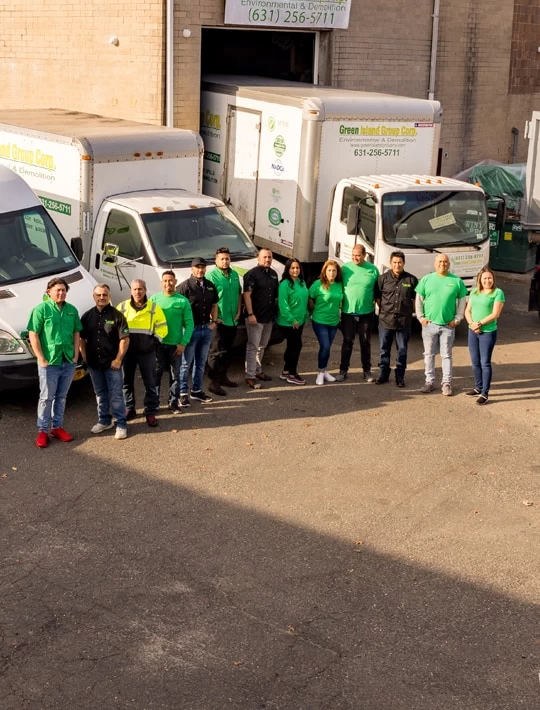
We’re a locally operated restoration and environmental remediation company serving New York City and the surrounding metro area. What sets us apart in a neighborhood like Chinatown isn’t just experience it’s scope. Fire restoration, water damage remediation, mold mitigation, asbestos abatement, lead paint remediation, and full demolition when it’s needed are all handled under one license, one team, and one point of contact.
That matters in Chinatown specifically. The buildings along Mott Street, East Broadway, and Canal Street aren’t suburban ranch homes. They’re dense, multi-story, mixed-use structures with decades of deferred maintenance and building materials that require licensed environmental handling the moment fire disturbs them. A contractor without environmental remediation credentials can’t legally or safely complete a fire restoration in the majority of Chinatown’s residential buildings and we hold every credential required to do it right.
We bill insurance carriers directly, handle permit filing with the NYC Department of Buildings, and are available by phone around the clock. When a fire displaces families in the middle of the night on Grand Street or Doyers Street, that availability isn’t a feature it’s the only thing that matters.
What Happens From the First Call to the Final Walkthrough
It starts with a phone call any hour, any day. From there, we mobilize to your location and conduct a thorough damage assessment that covers not just the fire floor, but every unit and space affected by smoke, soot, and water. In Chinatown’s stacked residential buildings, that assessment almost always spans multiple floors and frequently includes commercial spaces on the ground level.
Once the scope is documented, we file the necessary permits with the NYC Department of Buildings and coordinate with your insurance carrier directly. In buildings where temporary electrical restoration is needed to run remediation equipment which is common in older Chinatown structures we handle that process with building inspectors rather than leaving it to you. If asbestos or lead paint testing is required before demolition or debris removal can begin, that’s handled in-house, not subcontracted to a third party.
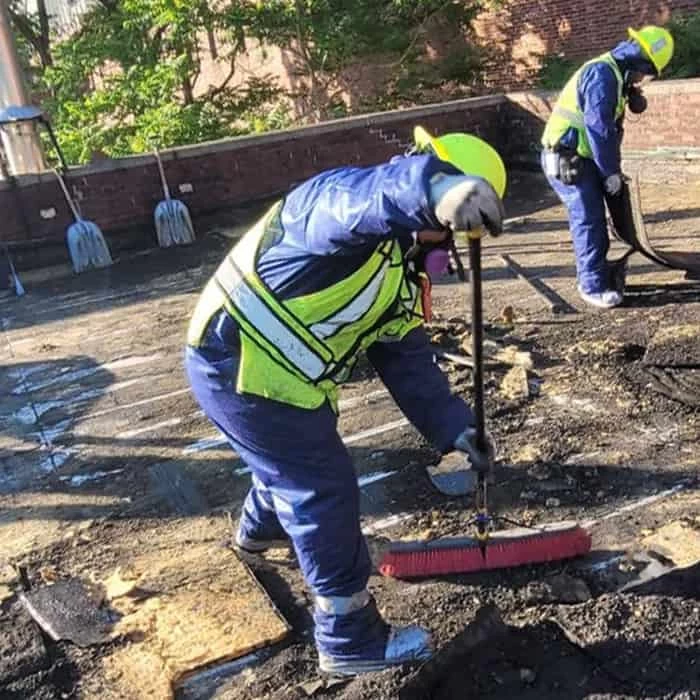
The physical work follows a clear sequence: emergency stabilization and board-up if needed, water extraction and drying, smoke and soot removal using HEPA air scrubbers and thermal fogging, hazardous material abatement where required, structural repairs, and final reconstruction. Every step is documented for your insurance claim. When the job is done, you get a building that’s clean, compliant, and ready for occupancy not a building where half the work is finished and the other half is waiting on a different contractor.
Fire damage restoration in Chinatown isn’t one-size-fits-all, and we don’t treat it that way. Every job in this neighborhood comes with its own combination of structural age, occupancy type, and regulatory requirements and the scope of work reflects that reality rather than a standard checklist.
For residential buildings, that means addressing smoke and soot damage across multiple units, extracting firefighting water from floors and ceilings, mitigating mold risk before it takes hold in water-soaked materials, and testing for asbestos and lead paint before any demolition work begins. NYC Local Law 1 and EPA RRP rules govern lead paint work in pre-1978 buildings which covers virtually every residential structure in Chinatown and NYC DEP requires specific filing procedures for asbestos abatement. We operate in full compliance with all of it.
For commercial properties and Chinatown has over 2,400 businesses in its district, including more than 300 restaurants fire restoration also means understanding the urgency of getting a business back open. Kitchen fires, e-bike battery fires, and electrical fires in basement storage areas are among the most common fire types in this neighborhood, and each one creates a different damage profile that requires a different restoration approach. Whether the job is a single-unit apartment on Mulberry Street or a mixed-use building off Canal Street, the work is scoped to what’s actually there not what’s easiest to estimate.
Does a fire in one Chinatown apartment affect other units in the building?
Yes and in most Chinatown buildings, the answer is significantly yes. The pre-war walk-up construction that dominates this neighborhood was built without modern fire stops between floors, which means smoke, soot, and heat travel through shared utility chases, stairwells, and gaps in original construction that were never sealed to current standards. A fire on the fourth floor can deposit smoke residue in a fifth-floor apartment whose tenant never smelled anything during the event.
Water damage compounds this further. When firefighters work a fire on an upper floor, the water used to suppress it flows downward through every floor below soaking through ceilings, saturating flooring, and creating mold risk within 24 to 48 hours in materials that weren’t dried quickly. A proper restoration assessment in a Chinatown building covers the entire structure, not just the unit where the fire originated. If a contractor tells you only the burned unit needs attention, that’s a sign they haven’t worked in buildings like yours before.
How does asbestos affect fire damage restoration in older Chinatown buildings?
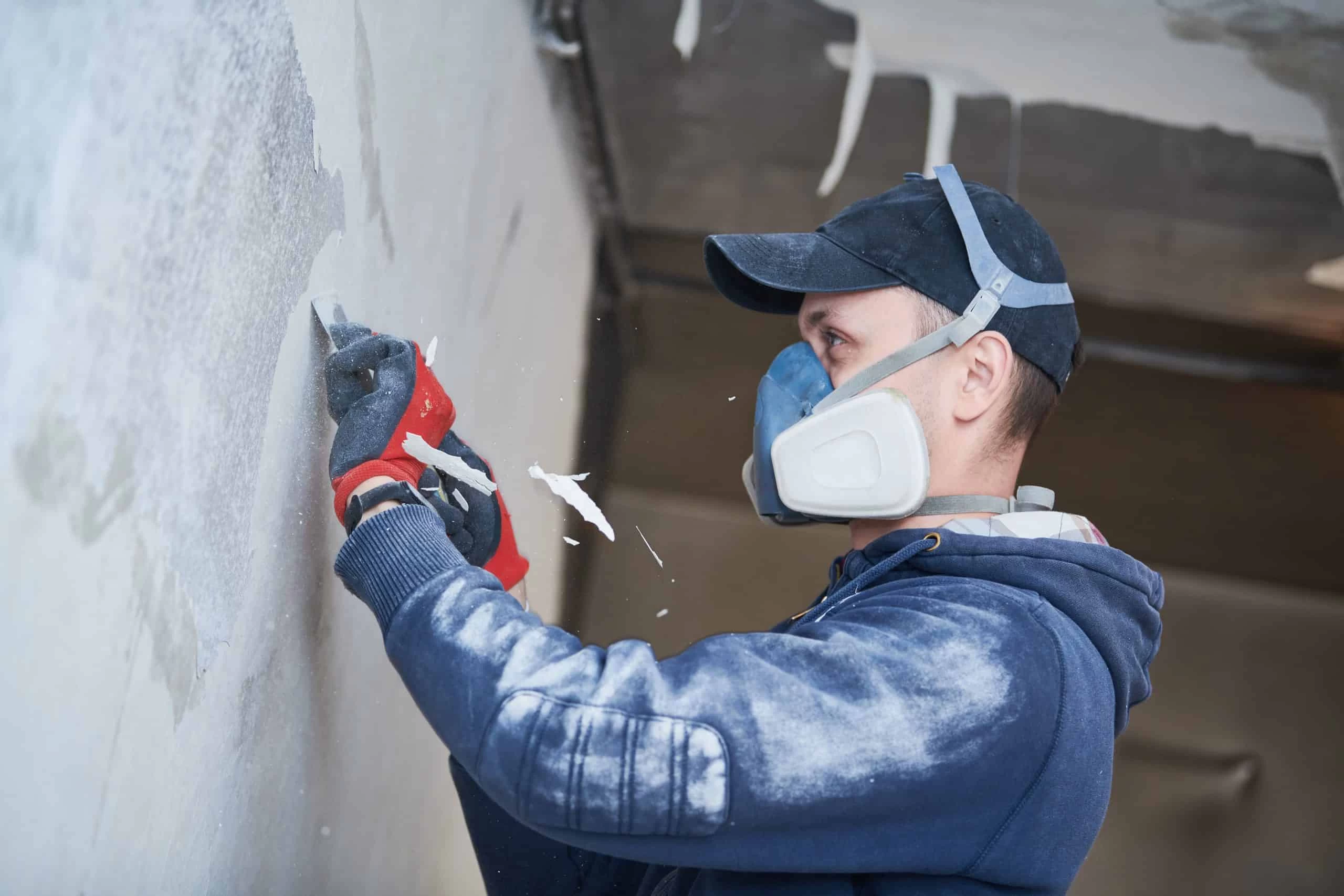
In any building constructed before 1980 which describes the overwhelming majority of residential structures in Chinatown asbestos is commonly present in pipe insulation, ceiling plaster, floor tiles, and joint compound. Under normal conditions, these materials are stable and don’t pose an immediate hazard. But fire changes that. Heat, structural damage, and the physical disturbance of demolition and debris removal can release asbestos fibers into the air, creating a serious health risk for occupants, workers, and neighboring units.
Before any demolition or debris removal can legally begin in an affected Chinatown building, asbestos testing is required. If asbestos-containing materials are identified, abatement must be performed by a licensed contractor following NYC DEP protocols including specific filing requirements and air monitoring procedures. We hold the environmental remediation licenses to handle this in-house, which means the abatement is integrated into the restoration timeline rather than causing delays while you wait for a separate subcontractor to schedule and complete the work.
Will my insurance cover fire damage restoration costs in a NYC building?
Most standard property insurance policies cover fire damage restoration, including smoke and soot cleanup, water damage from firefighting, and structural repairs. The challenge in a Chinatown building isn’t usually whether coverage exists it’s whether the full scope of damage gets properly documented and claimed. Insurance adjusters working from a standard estimate often miss secondary damage: the water-soaked units below the fire floor, the smoke residue in adjacent apartments, the asbestos abatement costs required before demolition can begin, and the mold remediation that becomes necessary if drying is delayed.
We work directly with insurance carriers and adjusters to document the complete scope of damage from the start. That means your claim reflects what the job actually requires not a lowball estimate that leaves you covering the gap out of pocket. For building owners managing displaced tenants and FDNY violation notices simultaneously, having a restoration contractor who handles insurance coordination directly is not a convenience it removes one of the most stressful parts of an already difficult situation.
How long does fire damage restoration typically take in a Chinatown walk-up?
The honest answer is that it depends on the scope, and scope in a Chinatown building is almost always larger than it initially appears. A single-unit fire with limited secondary damage might be fully restored in two to three weeks. A multi-floor event in a mixed-use building on Canal Street or East Broadway with water damage across multiple residential units, commercial space on the ground floor, asbestos abatement required before demolition, and NYC DOB permits to file can realistically take six to ten weeks or longer.
A few factors specific to this neighborhood tend to affect timelines. Permit processing with the NYC Department of Buildings adds time that wouldn’t exist in a suburban job. Buildings with no elevator require crews to carry equipment and remove debris by staircase, which slows the physical work. And if temporary electrical restoration is needed to run drying equipment which is common in older Chinatown structures after a significant fire coordinating that with building inspectors adds additional steps to the early phase of the job. Knowing these factors upfront helps set realistic expectations and avoids the frustration of a timeline that keeps shifting.
What should I do immediately after a fire in my Chinatown building?
The first priority is making sure everyone is out and that the FDNY has cleared the building for re-entry do not go back inside until that clearance is given. Once it’s safe, contact your insurance carrier to report the loss and document everything you can with photos before any cleanup begins. Then call a licensed restoration contractor as quickly as possible, because the secondary damage from firefighting water begins creating mold risk within 24 to 48 hours.
In a Chinatown building specifically, there are a few additional steps worth knowing. If the FDNY has issued violations, those need to be addressed as part of the restoration process they don’t go away on their own and can affect your ability to refinance, sell, or obtain a Certificate of Occupancy. If your building was constructed before 1980, do not let anyone begin demolition or debris removal before asbestos testing is completed disturbing those materials without proper abatement is both a health risk and a legal violation. We can walk you through all of this from the first call, so you’re not figuring it out on your own while managing displaced tenants and a damaged property at the same time.
Are e-bike and lithium battery fires handled differently than other fire types in NYC?
Yes, and this is increasingly relevant in Chinatown. In June 2023, a fire that started in an e-bike service shop in Chinatown killed four people and injured nine more one of the deadliest fires the neighborhood had seen in years. Lithium-ion battery fires burn at extremely high temperatures, reignite unpredictably, and produce toxic smoke that contains hydrogen fluoride and other hazardous compounds not present in a typical residential or kitchen fire. That changes both the safety protocols during restoration and the scope of smoke and air quality remediation required afterward.
From a restoration standpoint, the structural damage from a lithium battery fire is often more severe than the footprint of the fire suggests, because of the intensity of the heat involved. Air quality testing after this type of fire is more involved than standard smoke remediation, and the chemical composition of the residue requires specific cleaning agents and HEPA filtration protocols. If your building in Chinatown has experienced an e-bike or battery storage fire, the restoration process needs to account for these factors from the start not be treated as a standard smoke cleanup job.