When Your Pre-War Building Burns, Every Hour Costs More
Fire damage in a Manhattan co-op or high-rise doesn’t wait for business hours and neither does Green Island Group. We handle fire damage restoration in Grand Central, NY from the first emergency call through full reconstruction, and we bill your insurance directly.
I needed a professional consultation explanation of procedure for safe removal of Asbestos in my apartment complex. Without having an account yet, I was very impressed with the caring, knowledgeable and generous advice offered by Jessica, and will look forward to doing business in the future. Thank you so much! I feel much more informed about a sometimes scary endeavor. Peace. Nancy Silva Mineola, NY.
Mia Munoz
Used this company to clean up some water flood in my house. They were fast and easy to work with.very professional, Would recommend to anyone!
Nini Valle
Great company, had a flood and they responded quickly and efficiently. Billed my insurance company directly. I highly recommend this company!
joe colapietro, jr
I had pipe freeze in my basement right before a snow storm and they made to within an hour to help start the clean up process. They we by our side throughout the entire process and even helped with the insurance company. They did such a great job with the cleanup, repair, remidiation, I contracted them to perform the repairs and finishes in the basement. They came with enough manpower and material to get the job done. Leo and Jessica were nothing but a pleasure to deal with!!
Cristian Arredondo c
I had some water damage in my home and Green Island was able to take care of my issue quickly and effectively. I am very pleased with the work they did. They responded quickly and were very professional.
Michael M
Outstanding service! From the office to the field crew everyone was friendly, helpful and responsive. I highly recommend Green Island Group.
A fire in a Turtle Bay co-op or a Tudor City apartment doesn’t just damage the unit where it started. Smoke travels through HVAC systems, elevator shafts, and shared walls affecting floors above and below before the FDNY even clears the scene. If the restoration process doesn’t start quickly, you’re not just dealing with fire damage anymore. You’re dealing with water-soaked walls from firefighting, soot settling into every surface, and mold beginning to grow within 24 to 48 hours.
The buildings in this part of Manhattan most of them built between the 1910s and 1940s carry a specific set of risks that newer construction doesn’t. Aging electrical systems, original plaster, pre-modern fire suppression, and materials that may contain asbestos or lead paint all change what proper restoration looks like here. A contractor who handles smoke cleanup but doesn’t hold environmental remediation licensing can’t legally or safely touch those materials. That gap creates real liability for building owners and co-op shareholders.
When the process is done right, you get your space back not just cleaned up, but structurally sound, properly documented for your insurance claim, and cleared of the hidden hazards that a surface-level cleanup would leave behind. That’s what fire and smoke damage restoration is supposed to deliver, and that’s the standard we work to on every job in the Grand Central area.
Licensed for the Work Grand Central Buildings Actually Require
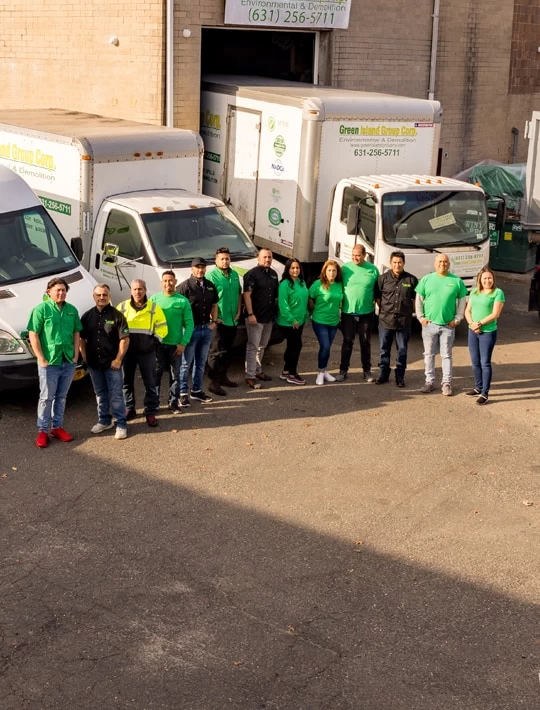
Green Island Group is a locally owned and operated remediation, restoration, and demolition contractor serving New York State. We’re not a franchise routing your call through a regional center we’re a real company with the licensing, certifications, and regulatory knowledge to work legally and completely in one of the most demanding building environments in the country.
Working in the Grand Central area means navigating NYC DOB permits, FDNY coordination, Emergency Work Notifications, and in the pre-war buildings of Turtle Bay, Sutton Place, and Tudor City state-licensed asbestos and lead abatement before any reconstruction begins. We hold the environmental remediation credentials to handle all of it under one roof, which matters when your co-op board needs to approve every contractor who walks through the door.
Our team has restored fire damage in buildings older than the 20th century. We understand original plaster, period millwork, and what it takes to bring a pre-war Manhattan apartment back without destroying what made it worth owning in the first place.
The first call sets everything in motion. When you reach us day or night we dispatch immediately and begin the assessment on-site. In a Manhattan high-rise or pre-war co-op, that assessment goes deeper than what’s visible. We’re looking at smoke migration through shared ventilation, water intrusion from firefighting on adjacent floors, and whether the damaged materials require hazardous testing before any work can begin. In buildings constructed before 1980, that last step isn’t optional it’s the law.
Once we know the full scope, we file the necessary documentation with the NYC Department of Buildings, including the Emergency Work Notification if stabilization work has already started. From there, we move through containment, smoke and soot removal, odor neutralization, water extraction, and structural drying in a sequenced process that keeps the work from creating new problems while solving the original ones. If asbestos or lead abatement is required common in the Turtle Bay and Tudor City building stock that happens under our state licensing before any reconstruction begins.
The final phase is full restoration: structural repairs, rebuilt finishes, and a space that’s ready to be lived in or operated from again. Throughout the entire process, we handle communication with your insurance adjuster and document every step of the damage and remediation work so your claim reflects what actually happened not a lowball estimate based on surface-level photos.
Full Scope Restoration Built for Manhattan's Building Reality
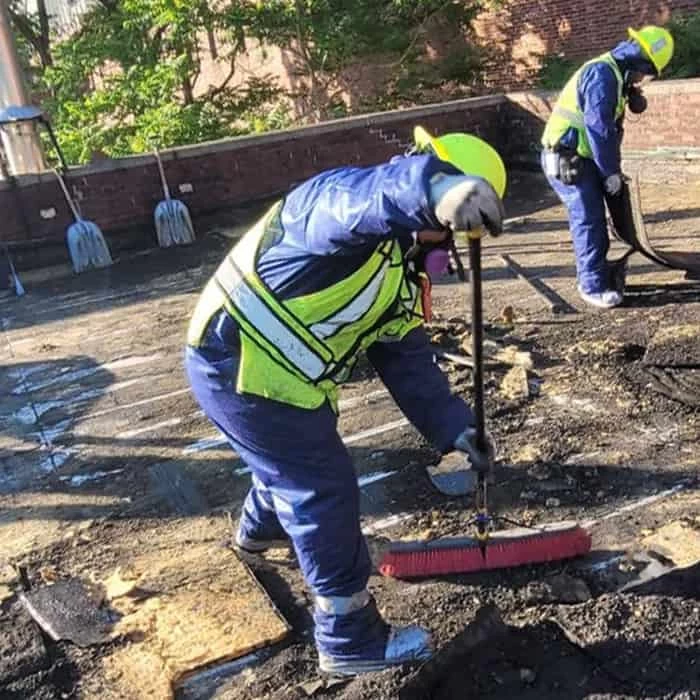
Fire damage restoration in Grand Central isn’t a single service it’s a sequence of connected work that has to be handled in the right order by the right licensed contractors. We cover the entire sequence: emergency board-up and stabilization, smoke and soot remediation, odor elimination using thermal fogging and HEPA air scrubbing, water damage extraction and drying, mold prevention, hazardous materials abatement, structural repair, and complete reconstruction. You don’t need to coordinate multiple vendors. We handle it.
For commercial clients property managers, building supers, and corporate tenants in the office towers and mixed-use buildings surrounding Grand Central Terminal we understand that every day of closure is a quantifiable loss. Our process is designed to move fast, document thoroughly, and minimize business interruption without cutting corners on compliance. The Grand Central commercial submarket has over 43 million square feet of occupied office space, and the fire restoration needs here are different from a single-family home on Long Island.
For residential clients in co-ops and condos, we know your building’s board will require proof of NYC DOB licensing, FDNY compliance documentation, and environmental certifications before approving any contractor. We carry all of it. We also bill your insurance carrier directly and manage adjuster communication from start to finish because after a fire, your time is better spent on everything else.
Does my Manhattan co-op board have to approve my fire restoration contractor?
In most cases, yes. Co-op boards in buildings throughout Turtle Bay, Sutton Place, and Tudor City the neighborhoods surrounding Grand Central typically require contractors to meet specific standards before they’re permitted to work in the building. That usually means proof of general liability insurance at specific coverage limits, workers’ compensation documentation, NYC Department of Buildings licensing, and often FDNY compliance records. Some boards also require environmental certifications if the building contains asbestos or lead paint which, in pre-war Manhattan construction, is more the rule than the exception.
If your contractor can’t produce those credentials on request, the board can and will reject them leaving you scrambling to find someone else while the damage sits untouched. We carry all the documentation co-op boards in the Grand Central area require, and we can provide it quickly so the approval process doesn’t become another delay on top of an already stressful situation.
Can smoke from a fire in one unit damage my apartment in a high-rise building?
Yes, and it’s more common than most people realize. In a Manhattan high-rise, smoke doesn’t stay contained to the unit where the fire started. It travels through shared HVAC systems, elevator shafts, utility chases, and even gaps around pipes and electrical conduits in shared walls. Residents two or three floors away from a fire can end up with measurable soot contamination and smoke odor that requires professional remediation not just ventilation or surface cleaning.
Fine soot particles are also a health concern beyond the smell. They contain carcinogens and heavy metals that settle into soft surfaces, HVAC filters, and ventilation ducts. In a building where the HVAC system is shared across floors, those particles can continue circulating long after the fire is out. If you’re in a unit adjacent to or above a fire floor, having a professional assess your space not just the unit where the fire occurred is worth doing before you assume you’re unaffected.
What is an Emergency Work Notification and do I need one after a fire in NYC?
An Emergency Work Notification, or EWN, is a filing required by the NYC Department of Buildings when emergency work is performed on a building without a permit first being issued. After a fire, stabilization work shoring up a compromised wall, boarding up a window, securing a structural element often needs to happen immediately, before there’s time to pull a standard DOB permit. The EWN is how that work gets documented after the fact, and it must be filed within two business days of completing the emergency work.
This is one of those compliance requirements that out-of-area or unlicensed contractors frequently miss and missing it can result in DOB violations that complicate your insurance claim and your building’s standing with the city. We’re familiar with NYC DOB procedures and handle the required documentation as part of the restoration process. You shouldn’t have to figure out city filing requirements on top of everything else a fire puts on your plate.
Is asbestos a real concern during fire restoration in a Grand Central area apartment?
In pre-1980 construction which covers most of the residential building stock in Turtle Bay, Tudor City, and Sutton Place near Grand Central asbestos-containing materials are common. Pipe insulation, floor tiles, ceiling tiles, and fireproofing materials in buildings from the 1920s through the 1970s frequently contain asbestos. A fire event that burns or disturbs those materials doesn’t just create smoke and soot damage it creates a hazardous materials situation that legally requires licensed abatement before any restoration or reconstruction work can proceed.
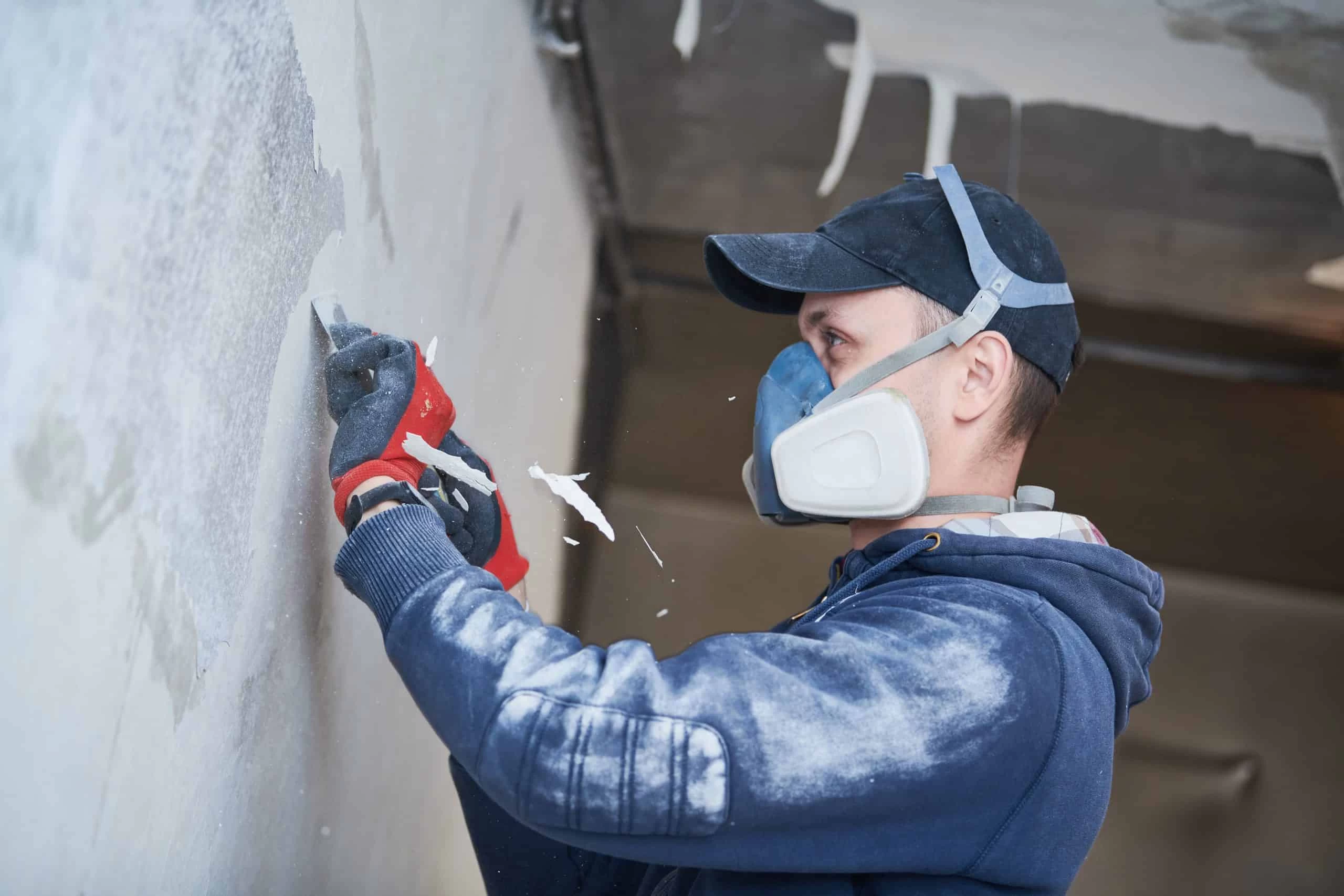
In New York State, asbestos abatement requires specific NYS DOL certification. A contractor who begins restoration work in a pre-war building without testing for asbestos first is operating outside the law and potentially exposing occupants to serious health risks. We hold the environmental remediation licensing to handle asbestos and lead paint abatement as part of the overall restoration scope so the work proceeds in the right order, legally and safely, without requiring you to bring in a separate environmental contractor.
How does fire damage restoration work when my insurance company is involved?
The short version is that it works a lot better when your contractor knows how to handle it. Insurance adjusters for high-value Manhattan properties are thorough they’ll scrutinize documentation, question scope, and in some cases initially estimate the loss at less than what full restoration actually costs. Having a contractor who documents damage systematically, photographs every affected area, and communicates directly with the adjuster makes a real difference in what your claim ultimately covers.
We bill insurance carriers directly and manage adjuster communication throughout the process. That means you’re not stuck translating between your contractor and your insurer, and you’re not left trying to negotiate a claim you don’t have the background to fight. We’ve worked through the insurance process on fire losses in Manhattan buildings, and we understand what adjusters need to see to approve a complete restoration not just cleanup.
How long does fire damage restoration typically take in a Manhattan apartment or building?
It depends on the scope, but there are a few factors specific to Manhattan that affect the timeline. In pre-war buildings, hazardous materials testing has to happen before restoration work begins that adds time upfront, but it’s not optional. If asbestos or lead abatement is required, that phase has to be completed under proper protocols before any rebuilding starts. In high-rise buildings, coordinating access with building management, working within building-approved hours, and meeting co-op board requirements can also affect scheduling.
For a contained apartment fire with smoke damage to adjacent units, a realistic timeline might run anywhere from a few weeks to a couple of months depending on the extent of structural damage and whether hazmat abatement is involved. Larger losses fires affecting multiple floors or requiring significant reconstruction take longer. What we can tell you is that the process moves faster when it starts immediately. Delays in beginning remediation allow water damage to worsen, mold to establish, and soot to bond more deeply into surfaces all of which add time and cost to the overall restoration.