Hamilton Grange's Older Buildings Deserve More Than a Basic Cleanup
When fire hits a pre-war apartment building in Hamilton Grange, the damage goes deeper than what you can see and we handle all of it, from emergency response to full restoration.
I needed a professional consultation explanation of procedure for safe removal of Asbestos in my apartment complex. Without having an account yet, I was very impressed with the caring, knowledgeable and generous advice offered by Jessica, and will look forward to doing business in the future. Thank you so much! I feel much more informed about a sometimes scary endeavor. Peace. Nancy Silva Mineola, NY.
Mia Munoz
Used this company to clean up some water flood in my house. They were fast and easy to work with.very professional, Would recommend to anyone!
Nini Valle
Great company, had a flood and they responded quickly and efficiently. Billed my insurance company directly. I highly recommend this company!
joe colapietro, jr
I had pipe freeze in my basement right before a snow storm and they made to within an hour to help start the clean up process. They we by our side throughout the entire process and even helped with the insurance company. They did such a great job with the cleanup, repair, remidiation, I contracted them to perform the repairs and finishes in the basement. They came with enough manpower and material to get the job done. Leo and Jessica were nothing but a pleasure to deal with!!
Cristian Arredondo c
I had some water damage in my home and Green Island was able to take care of my issue quickly and effectively. I am very pleased with the work they did. They responded quickly and were very professional.
Michael M
Outstanding service! From the office to the field crew everyone was friendly, helpful and responsive. I highly recommend Green Island Group.
A fire in a Hamilton Grange apartment building is rarely a contained event. When flames break out in a six-story walk-up on West 145th Street or along Convent Avenue, firefighters push thousands of gallons of water through the building. By the time the FDNY clears the scene, you’re not just dealing with fire damage you’re dealing with soaked floors, saturated walls, and the clock ticking toward mold growth in as little as 24 hours.
The buildings in Hamilton Grange were built between 1886 and 1906. That means knob-and-tube wiring, original plaster walls, hardwood floors, and materials that almost certainly contain asbestos and lead paint. When fire disturbs those materials, the hazard doesn’t stay in the burned room it travels through smoke, water, and air throughout the building. A restoration team that isn’t licensed to handle those materials legally cannot finish the job here. That’s not a technicality. It’s the difference between a building that’s actually safe and one that looks restored on the surface.
What you get on the other side of a proper restoration is a home that’s genuinely livable again no smoke odor hiding in original plaster, no mold growing behind a freshly painted wall, no unresolved permit issues holding up your return. That’s the outcome that matters, and it’s the one worth doing right.
Fire Damage Restoration Service Hamilton Grange NY
One Call Covers Everything No Gaps, No Handoffs
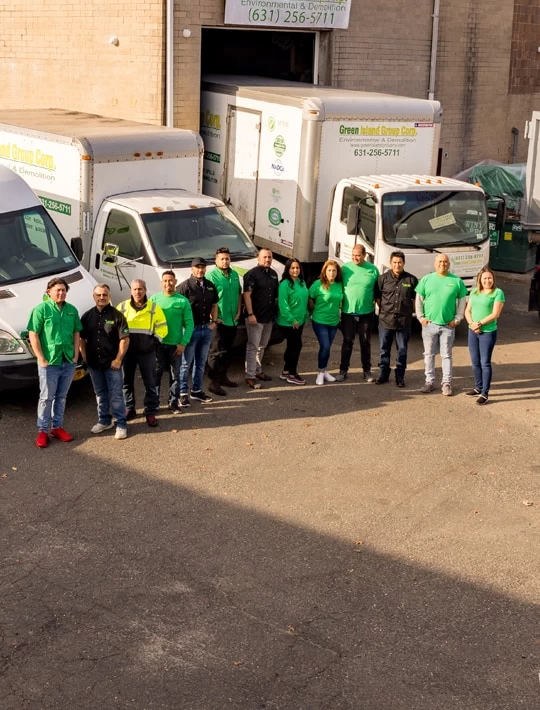
We’re a full-service environmental remediation and restoration company serving Hamilton Grange and the surrounding Upper Manhattan neighborhoods. We’re not a general contractor who added fire restoration to a service menu. Environmental work asbestos abatement, lead remediation, hazardous material removal is core to what we do, and that matters enormously in a neighborhood where virtually every residential building predates 1940.
We operate under NYS, NYC, and USEPA regulatory frameworks, which means we’re equipped to handle the Landmarks Preservation Commission requirements that apply to exterior restoration work in the Hamilton Heights Historic District, the DOB permits required for structural repairs, and the asbestos and lead abatement licensing that pre-war buildings in Hamilton Grange demand. That’s not a common combination. Most restoration companies either lack the environmental credentials or aren’t familiar with the LPC layer that applies specifically to designated buildings in this neighborhood.
We’re available 24/7, we bill insurance directly, and we’ve built a reputation confirmed by real customers for picking up the phone when it matters most.
What Actually Happens From the First Call to Your Front Door
The first step is getting someone on-site fast. In a dense apartment building in Hamilton Grange, every hour of delay means more water absorption into original hardwood floors, more smoke penetration into plaster walls, and a higher likelihood of mold taking hold in the building’s older construction. We respond around the clock the call gets answered, a team gets dispatched, and emergency board-up or property securing happens before anything else.
Once the site is stabilized, the full assessment begins. In a pre-war Hamilton Grange building, that assessment includes testing for asbestos and lead paint in any materials the fire or water disturbed. This step cannot be skipped. NYS Department of Labor licensing is required before any abatement work can begin, and in buildings within the Hamilton Heights Historic District, exterior repairs also require Landmarks Preservation Commission review to ensure materials match the original construction. We handle all of that permitting and compliance directly you don’t have to coordinate it yourself.
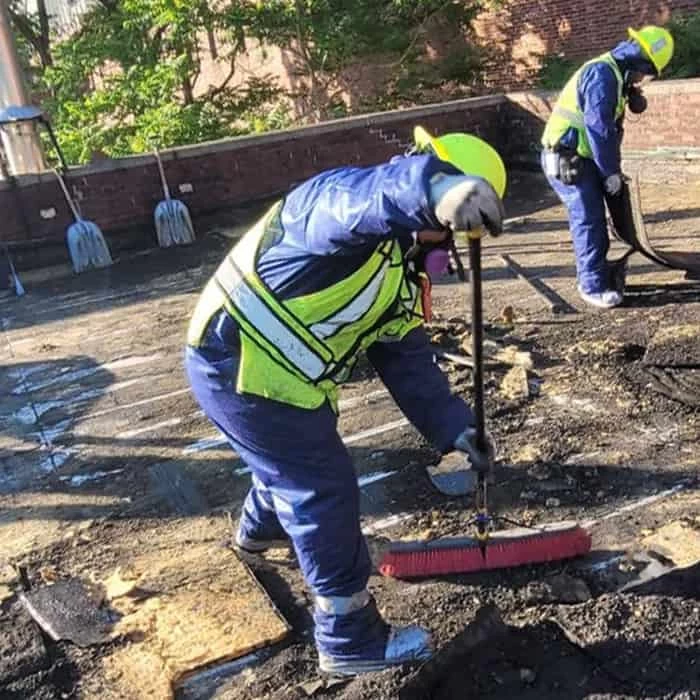
From there, the work moves in sequence: water extraction and structural drying, smoke and soot removal from all affected surfaces, odor elimination using thermal fogging and HEPA air scrubbing, abatement of any hazardous materials, structural repairs, and full reconstruction. Your insurance carrier is kept in the loop throughout, with documentation handled by our team. The goal is a single, uninterrupted process not a series of contractors passing the job between them.
Built for Pre-War Buildings, Historic Districts, and Real NYC Complexity
Fire damage restoration in Hamilton Grange isn’t a standard job, and our service reflects that. We cover the full scope: emergency securing and board-up, smoke and soot removal, water extraction and structural drying, mold prevention and remediation, asbestos abatement, lead paint protocols, structural repair, full reconstruction, and content restoration. That entire sequence happens under one license and one point of contact not split across multiple subcontractors with no shared accountability.
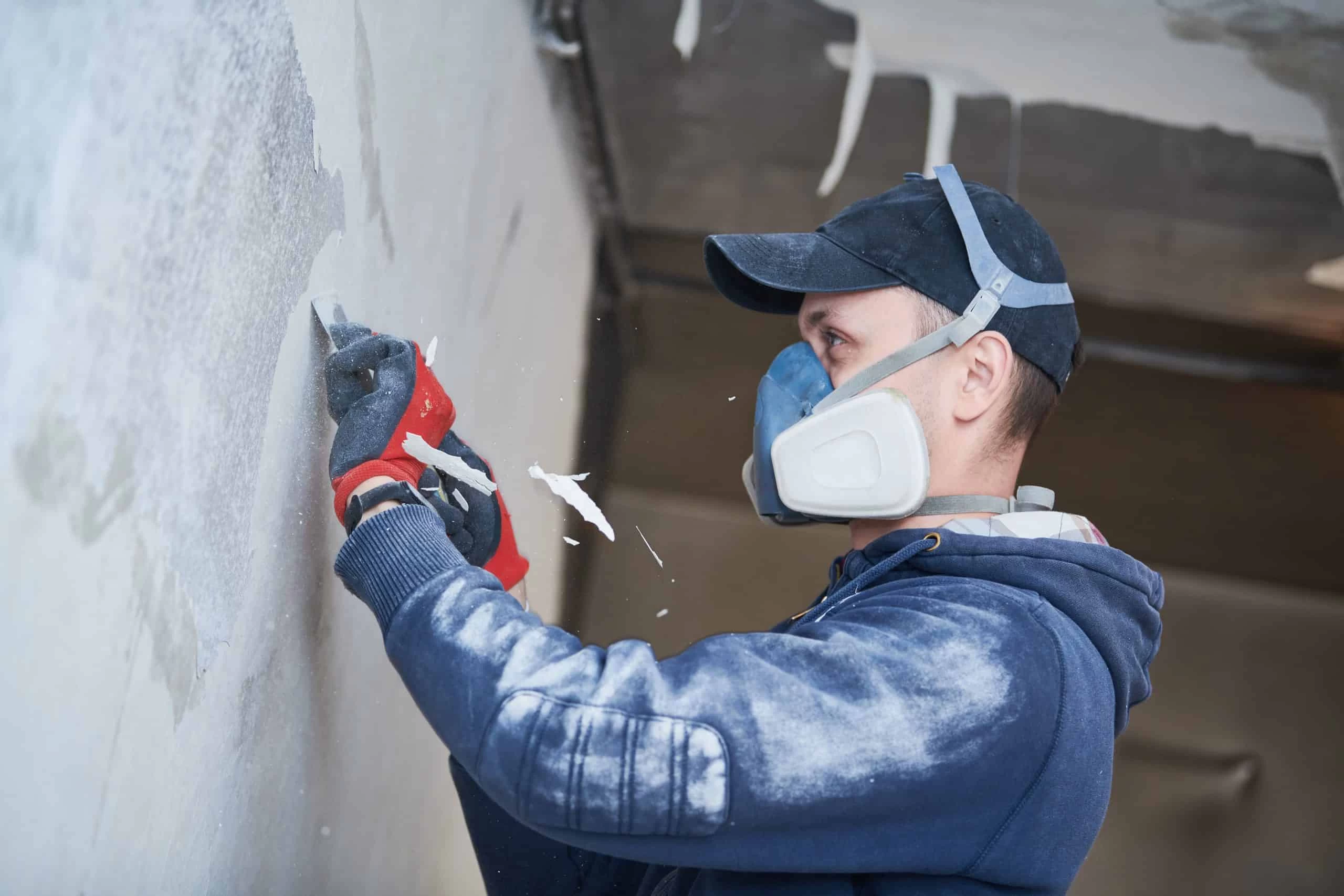
The asbestos and lead abatement component is particularly relevant here. Buildings along Convent Avenue, Hamilton Terrace, and the surrounding blocks were constructed during a period when both materials were standard. A fire in any of these buildings almost certainly disturbs them. We hold the NYS and EPA certifications to handle abatement legally and completely, which is a requirement not an optional add-on before reconstruction can begin.
For building owners, co-op boards, and property managers dealing with a multi-unit loss, the scope also includes full insurance documentation, direct billing to your carrier, and compliance with NYC Department of Buildings permit requirements for structural work. If the property falls within the Hamilton Heights Historic District, LPC requirements for exterior materials are factored into the restoration plan from the start. Nothing gets missed because someone didn’t know to ask.
What should I do immediately after a fire in my Hamilton Grange apartment?
The most important thing you can do is avoid re-entering the building until the FDNY has officially cleared it. Once the scene is released, call a restoration company before you do anything else including cleaning up on your own. In a Hamilton Grange pre-war building, disturbing fire-damaged materials without proper testing can release asbestos fibers and lead particles that were contained in the original construction. That’s a health risk that isn’t visible and isn’t something household cleaning addresses.
Once we’re on-site, we’ll assess the full scope of damage including water from firefighting, which in a multi-story building often affects floors that never saw flames. From there, the process moves quickly to prevent secondary damage like mold, which can begin growing in water-saturated plaster and wood within 24 to 48 hours. The faster the response, the smaller the total scope of the restoration.
Does renter's insurance actually cover fire damage restoration costs in NYC?
In most cases, yes renter’s insurance covers your personal belongings and, depending on the policy, temporary living expenses while your unit is being restored. What it typically does not cover is the structural restoration of the building itself. That falls under your landlord’s building insurance or, in a co-op, the master policy held by the board. Understanding which policy covers what is one of the more confusing parts of navigating a fire loss as a renter.
We work directly with insurance carriers on both sides of that equation. Whether you’re a tenant filing a personal contents claim or a building owner dealing with a structural loss across multiple units, we handle the documentation, the adjuster communication, and the direct billing. In a neighborhood like Hamilton Grange where over half of residents are already rent-burdened, not having to front restoration costs out of pocket before reimbursement makes a real difference.
Do e-bike or e-scooter battery fires require a different kind of restoration?
Yes, and this is increasingly relevant in Hamilton Grange specifically. Lithium-ion battery fires from e-bikes and e-scooters stored in apartment buildings burn at extreme temperatures and produce a distinct type of toxic smoke. The FDNY has documented a fatal battery fire on St. Nicholas Place in Hamilton Heights, and a six-alarm fire at 528 West 145th Street in November 2024 displaced nearly 100 residents. These fires spread rapidly in older buildings with limited fire stopping between floors.
The restoration scope after a lithium-ion battery fire often involves more extensive structural damage than a typical kitchen or electrical fire, because of how quickly and intensely these fires burn. Smoke penetration tends to be deeper, and the chemical composition of the smoke is different from wood or fabric combustion. Our team is equipped to assess and address that specific damage profile including thorough air quality testing and odor elimination in buildings where smoke has traveled through shared ventilation systems.
Does fire restoration in a Hamilton Grange historic building require special permits or approvals?
It can, and this is something to get right from the beginning rather than discover mid-project. Buildings within the Hamilton Heights Historic District which covers a significant portion of Hamilton Grange’s late-19th and early-20th-century building stock along Convent Avenue, Hamilton Terrace, and surrounding blocks are subject to oversight by the NYC Landmarks Preservation Commission. If the restoration involves any exterior elements on a designated building, the LPC requires that repairs match the original materials and construction methods. You can’t simply replace damaged brownstone details or original window surrounds with modern substitutes without LPC review.
Beyond the LPC, any structural repairs following fire damage require NYC Department of Buildings permits. And if the fire disturbed asbestos-containing materials which is highly likely in pre-1940 construction NYS Department of Labor licensing is required before abatement work can legally begin. We navigate all of these regulatory layers as part of the job, so you’re not left managing permit applications while also trying to coordinate a restoration.
How long does fire damage restoration typically take for an apartment in Hamilton Grange?
It depends on the scope, but here’s a realistic range. A contained fire with limited structural damage a kitchen fire in a single unit, for example can take anywhere from three to seven days for cleanup and basic restoration. A fire that spread to multiple floors, required asbestos abatement, or caused significant structural damage to a pre-war building can take several weeks to a few months. The older construction in Hamilton Grange tends to extend timelines compared to newer buildings, because original materials like plaster, hardwood, and masonry require more careful handling and sometimes specialized sourcing to match.
The permitting process also factors in. DOB permits for structural work and, where applicable, LPC review for historic buildings add time that a straightforward suburban restoration wouldn’t require. We move through those steps in parallel where possible starting abatement while permits are in process, for example to keep the overall timeline as tight as the regulatory framework allows. We’ll give you a realistic estimate after the initial assessment, not a number designed to get the job signed.
Can smoke smell actually be fully removed from a pre-war apartment in Hamilton Grange?
Yes but not with paint and air freshener, which is what some low-cost operators attempt. Smoke odor molecules penetrate porous materials at a molecular level. In a Hamilton Grange pre-war apartment with original plaster walls, exposed brick, and hardwood floors, those materials absorb smoke deeply. Painting over the surface or running a standard air purifier doesn’t reach the odor compounds that have bonded to the material itself. The smell comes back, sometimes weeks later, and residents end up calling for a second round of work.
Proper smoke odor elimination uses thermal fogging, hydroxyl generators, and HEPA air scrubbing to neutralize odor compounds at the source not mask them. In a building with shared ventilation, that process also needs to address ductwork and common areas where smoke may have traveled beyond the unit of origin. We use this approach as a standard part of fire and smoke damage restoration, not an upgrade. For a home with original architectural materials worth preserving, doing it right the first time is the only approach that actually works.