Every hour you’re out of your apartment in Manhattan costs real money. We respond fast, handle your insurance directly, and restore your space from smoke and soot to fully rebuilt without handing you off to someone else mid-job.
I needed a professional consultation explanation of procedure for safe removal of Asbestos in my apartment complex. Without having an account yet, I was very impressed with the caring, knowledgeable and generous advice offered by Jessica, and will look forward to doing business in the future. Thank you so much! I feel much more informed about a sometimes scary endeavor. Peace. Nancy Silva Mineola, NY.
Mia Munoz
Used this company to clean up some water flood in my house. They were fast and easy to work with.very professional, Would recommend to anyone!
Nini Valle
Great company, had a flood and they responded quickly and efficiently. Billed my insurance company directly. I highly recommend this company!
joe colapietro, jr
I had pipe freeze in my basement right before a snow storm and they made to within an hour to help start the clean up process. They we by our side throughout the entire process and even helped with the insurance company. They did such a great job with the cleanup, repair, remidiation, I contracted them to perform the repairs and finishes in the basement. They came with enough manpower and material to get the job done. Leo and Jessica were nothing but a pleasure to deal with!!
Cristian Arredondo c
I had some water damage in my home and Green Island was able to take care of my issue quickly and effectively. I am very pleased with the work they did. They responded quickly and were very professional.
Michael M
Outstanding service! From the office to the field crew everyone was friendly, helpful and responsive. I highly recommend Green Island Group.
What Full Restoration Actually Looks Like in Manhattan
A fire in a Manhattan apartment isn’t just a room with scorch marks. Smoke travels through shared HVAC systems, up elevator shafts, and into adjacent units. The visible damage is often the smallest part of what needs to be addressed and if the building is pre-war, which most Manhattan buildings are, there’s a real chance asbestos-containing materials were disturbed during the fire or the suppression effort. That changes the scope of the job entirely.
When restoration is done right, you’re not just getting your walls repainted. You’re getting smoke odor eliminated at the molecular level, soot cleaned from surfaces you didn’t even think to check, water damage from firefighting addressed before mold has a chance to take hold, and any hazardous materials handled under full NYC DEP and USEPA compliance. The result is an apartment that doesn’t just look restored it is restored.
For co-op shareholders and condo owners in Manhattan specifically, a properly documented restoration also protects your property’s value. Sophisticated buyers and brokers in this market know what fire damage history looks like. A thorough, fully documented job closes that chapter for good.
One Company, From Emergency Call to Final Walkthrough
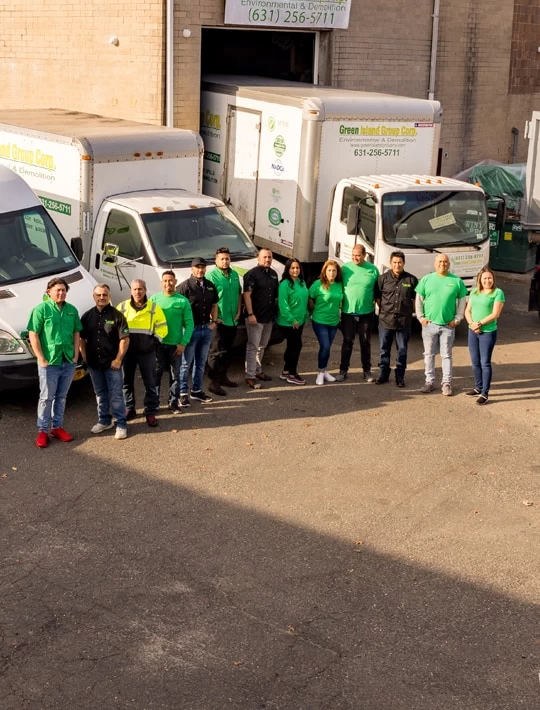
We are a locally owned and operated environmental remediation, demolition, and restoration company serving Manhattan and New York State. We’re not a franchise with territorial boundaries one team handles the full job, whether you’re in Tribeca, Washington Heights, the Upper East Side, or anywhere else in the borough.
What sets us apart in Manhattan specifically is our environmental remediation licensing. Most restoration companies can clean up soot. Far fewer are licensed to handle asbestos abatement which matters enormously in a borough where the median residential building is roughly 90 years old. We carry the credentials to handle the full scope of what a fire in a pre-war Manhattan building can uncover, all under one roof and one insurance claim.
We answer the phone at 3 AM. We bill your insurance company directly. And we don’t disappear after the demo phase and hand you off to someone else for the rebuild. From the first call to the final walkthrough, you’re working with us.
No Handoffs, No Guesswork Here's How We Work in Manhattan
The first thing that happens is emergency stabilization. That means board-up, tarping, and securing the unit so the damage stops spreading and the building is protected. In Manhattan, this also means coordinating with building management, notifying the co-op or condo board, and making sure the right insurance certificates are in hand before anyone steps foot on the property. We know that process we show up ready for it.
From there, we assess the full scope of damage. That includes smoke and soot migration beyond the immediate fire area, water intrusion from suppression efforts, and any environmental hazards like asbestos or mold risk in the affected materials. If the building was constructed before 1980 which covers the vast majority of Manhattan’s residential stock an asbestos survey is required before any demolition or significant renovation work begins under NYC DEP protocol. We handle that in-house.
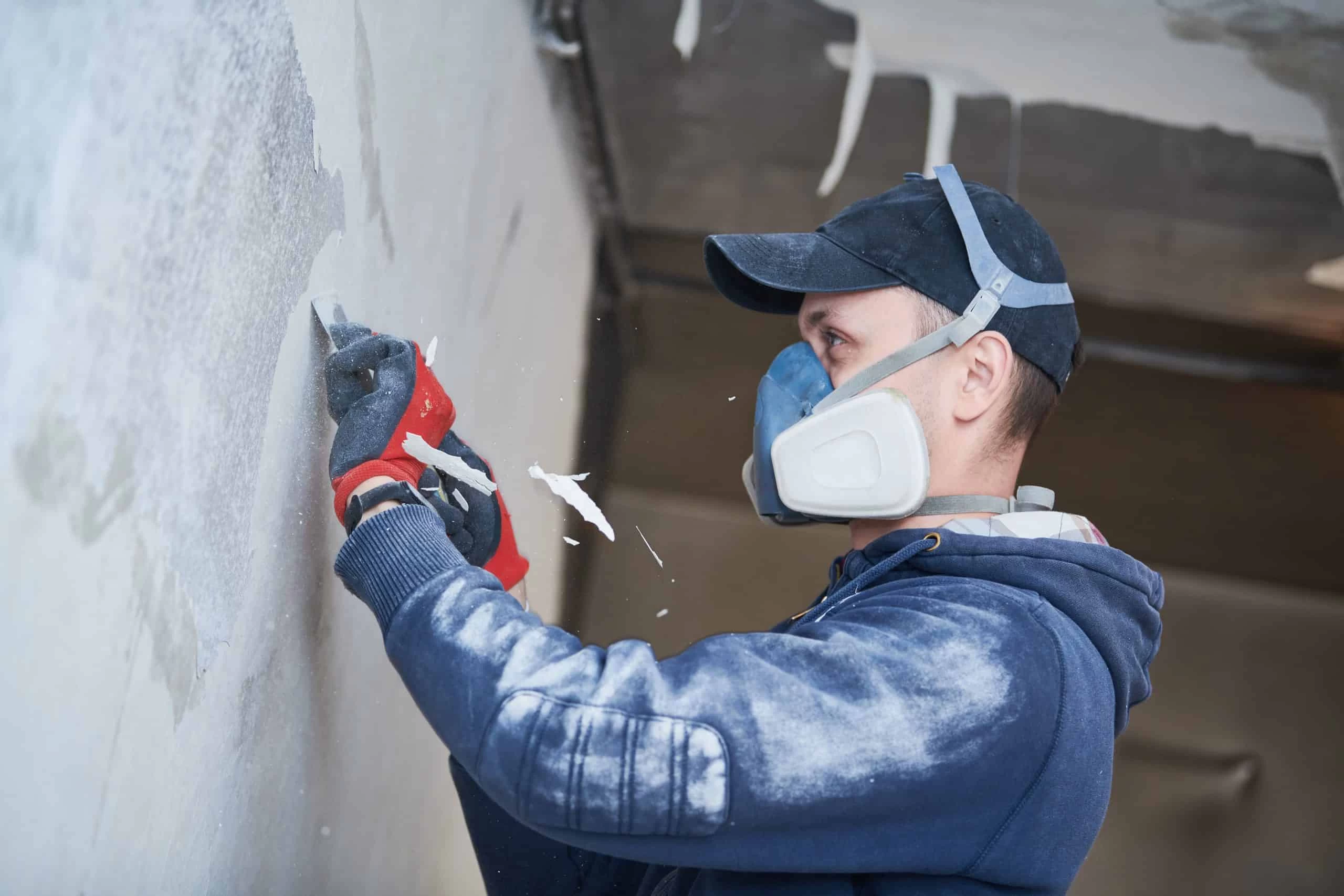
Once the assessment is complete and the necessary DOB permits are filed, the work begins: hazardous material abatement if needed, full structural demo of compromised materials, smoke and odor remediation, water damage treatment, and then full reconstruction back to pre-fire condition. You get one point of contact, one insurance claim, and a clear timeline from start to finish.
Built for Manhattan Buildings, Not Suburban Checklists
Fire damage restoration in Manhattan requires a different approach than anywhere else. The buildings are older, the regulatory framework is more complex, and the logistics of working in a high-rise or pre-war walk-up service elevators, building work hour restrictions, co-op board approvals add layers that most restoration companies outside the city aren’t equipped to handle.
Our fire damage restoration service covers emergency board-up and tarping, smoke and soot removal, odor neutralization using thermal fogging and hydroxyl generators, water damage remediation from firefighting, mold prevention treatment, asbestos and lead paint abatement where required, structural demolition, full reconstruction, and content cleaning. That’s the full scope nothing farmed out, nothing left for you to coordinate separately.
For Manhattan residents navigating a co-op or condo claim, we work directly with both your individual HO-6 policy and your building’s master policy. That dual-insurance structure is one of the most confusing parts of fire recovery in this market, and we handle the billing on both sides so you’re not stuck in the middle trying to figure out which policy covers which damage. Neighborhoods like Harlem, the Lower East Side, and Hamilton Heights where pre-war building stock is dense and older electrical systems are common are areas we know well and serve regularly.
Does my co-op or condo insurance cover fire damage restoration in Manhattan?
It depends on where the damage is and what your governing documents say. In most Manhattan co-ops and condos, the building’s master policy covers structural elements walls, floors, ceilings as originally built while your individual HO-6 policy covers your personal property, improvements you’ve made to the unit, and sometimes additional living expenses while you’re displaced. The line between the two isn’t always clear, and co-op proprietary leases and condo bylaws vary significantly from building to building.
The practical problem is that after a fire, you’re often dealing with damage that falls under both policies simultaneously. If the fire started in your unit and spread to a neighboring unit or common areas, the building’s master policy may also be involved. We work directly with both insurance carriers, document the full scope of damage with the detail adjusters need, and handle billing on both sides. You shouldn’t have to become an insurance expert during the worst week of your life.
How quickly can a fire restoration company respond to an emergency in Manhattan?
Speed matters more in Manhattan than almost anywhere else, for one simple reason: displacement costs here are among the highest in the country. Every additional night in a hotel while your apartment sits unaddressed is an expensive one. We offer 24/7 emergency response and that’s not a marketing line. Real customers have specifically cited our phone accessibility as a reason they chose us and stayed with us.
When you call, we get to work on logistics immediately that includes coordinating with your building’s management office, preparing the insurance documentation your co-op or condo board will require before work can begin, and mobilizing the crew. Manhattan’s density and building access requirements mean there’s more pre-work involved than a suburban job, but we know that process and we move through it fast. The goal is to have emergency stabilization underway as quickly as possible so the damage stops compounding.
Does fire damage in a Manhattan pre-war building involve asbestos or lead paint risks?
In most cases, yes and it’s something you need to take seriously. Buildings constructed before 1980 may contain asbestos in pipe insulation, floor tiles, ceiling plaster, and fireproofing compounds. Buildings built before 1978 may have lead paint on walls and woodwork. Manhattan’s residential building stock skews old the median age of a surviving NYC residential building is roughly 90 years so the majority of apartments in the borough fall into this category.
When a fire disturbs these materials, it doesn’t just create a cleanup problem it creates a regulated hazardous materials situation. Under NYC DEP protocol, an asbestos survey is required before any demolition or significant renovation in buildings constructed before 1987. If asbestos-containing materials are found, they must be abated by a licensed contractor following NYC DEP and NYS DEC procedures. We hold the environmental remediation licensing to handle asbestos abatement and lead paint compliance in-house, which means you don’t need to find, vet, and coordinate a separate licensed abatement contractor through your co-op board.
Do I need permits from the NYC Department of Buildings for fire damage repairs?
Yes, in most cases. Any structural repair work following fire damage in New York City falls under the jurisdiction of the NYC Department of Buildings and typically requires a permit. Depending on the scope, this may involve an Alteration Application either ALT-1 for major structural work or ALT-2 for less extensive alterations. In emergency situations, work can sometimes begin under an Emergency Work Notice, but a Limited Alteration Application must be filed within a defined window after the emergency notice expires.
If your building is in one of Manhattan’s designated historic districts which includes large portions of the Upper West Side, Upper East Side, Greenwich Village, SoHo, and Tribeca exterior restoration work may also require review and approval from the NYC Landmarks Preservation Commission. That adds a step to the timeline that catches a lot of property owners off guard. We handle permit filing and regulatory coordination as part of the restoration process, so you’re not navigating the DOB or LPC on your own while also managing a displacement.
Can smoke from a fire in another Manhattan apartment damage my unit?
Yes, and it happens more often than people realize. In Manhattan’s high-rise and mid-rise buildings, smoke doesn’t stay neatly contained to the unit where the fire started. It travels through shared HVAC ductwork, gaps around plumbing and electrical penetrations, elevator shafts, and common corridors sometimes affecting multiple floors above and below the fire unit, as well as neighboring apartments on the same floor.
The tricky part is that the smoke damage in adjacent units may not be immediately visible. Soot can settle in HVAC vents, inside closets, and on surfaces that don’t look obviously affected at first glance. Smoke odor embedded in walls, carpets, and soft furnishings can linger for months if not treated properly. If your neighbor had a fire and you’re noticing a persistent smell or visible soot in your unit, that’s not something to wait on. We assess the full scope of smoke migration across affected units and document everything for insurance purposes including for residents whose units weren’t the source of the fire.
What's the risk of mold after fire damage in a Manhattan apartment?
It’s a real and fast-moving risk. When firefighters suppress a blaze, significant water gets into walls, floors, subfloors, and building cavities. In Manhattan’s climate particularly during humid summer months mold can begin developing within 24 to 48 hours of water exposure. Manhattan’s urban heat island effect means interior temperatures in affected units can stay elevated even after the fire is out, which accelerates that timeline further.
Pre-war buildings present a specific concern here because their older construction often lacks the vapor barriers and modern insulation materials that help control moisture. Water that gets into a plaster wall or a wood-framed cavity in a building from the 1920s or 1930s can be harder to fully dry than modern drywall construction. Our fire damage restoration process includes water extraction, structural drying, and mold prevention treatment as standard steps not add-ons. If mold is already present by the time we assess the unit, we’re licensed to handle mold remediation in-house as well, under full NYS and NYC compliance.