When Fire Hits a Building Built Before Your Grandparents Were Born
Older buildings near Trinity Place hide materials that turn a fire cleanup into a hazmat situation. We handle fire damage restoration in Trinity, NY from the first call to the final repair.
I needed a professional consultation explanation of procedure for safe removal of Asbestos in my apartment complex. Without having an account yet, I was very impressed with the caring, knowledgeable and generous advice offered by Jessica, and will look forward to doing business in the future. Thank you so much! I feel much more informed about a sometimes scary endeavor. Peace. Nancy Silva Mineola, NY.
Mia Munoz
Used this company to clean up some water flood in my house. They were fast and easy to work with.very professional, Would recommend to anyone!
Nini Valle
Great company, had a flood and they responded quickly and efficiently. Billed my insurance company directly. I highly recommend this company!
joe colapietro, jr
I had pipe freeze in my basement right before a snow storm and they made to within an hour to help start the clean up process. They we by our side throughout the entire process and even helped with the insurance company. They did such a great job with the cleanup, repair, remidiation, I contracted them to perform the repairs and finishes in the basement. They came with enough manpower and material to get the job done. Leo and Jessica were nothing but a pleasure to deal with!!
Cristian Arredondo c
I had some water damage in my home and Green Island was able to take care of my issue quickly and effectively. I am very pleased with the work they did. They responded quickly and were very professional.
Michael M
Outstanding service! From the office to the field crew everyone was friendly, helpful and responsive. I highly recommend Green Island Group.
The fire is out, but the damage doesn’t stop there. Smoke travels through shared ductwork, soot settles into every porous surface, and firefighting water soaks into walls and subfloors before anyone’s had a chance to process what just happened. In a converted office tower or a pre-war building near Trinity Place, that damage compounds fast and the longer it sits, the more expensive and complicated the recovery gets.
Here’s what changes when the restoration is done properly: the smell doesn’t come back. That’s not a small thing. In Manhattan real estate where your unit could be worth seven figures lingering smoke odor after a superficial cleanup is a direct hit to your property value and your ability to live there comfortably. Real remediation addresses the odor at the molecular level, not just the surface.
The other thing that changes is your liability exposure. Many of the buildings in and around the Trinity area were constructed in the early 1900s the Trinity Building at 111 Broadway dates to 1905, the American Stock Exchange Building at 86 Trinity Place to 1921. Fire damage in structures like these can disturb asbestos-containing materials that require licensed abatement under New York State law. When that’s handled correctly from the start, you’re not dealing with a DEP violation or a stop-work order six weeks into the project.
Local Expertise for the Financial District's Most Complex Restoration Challenges
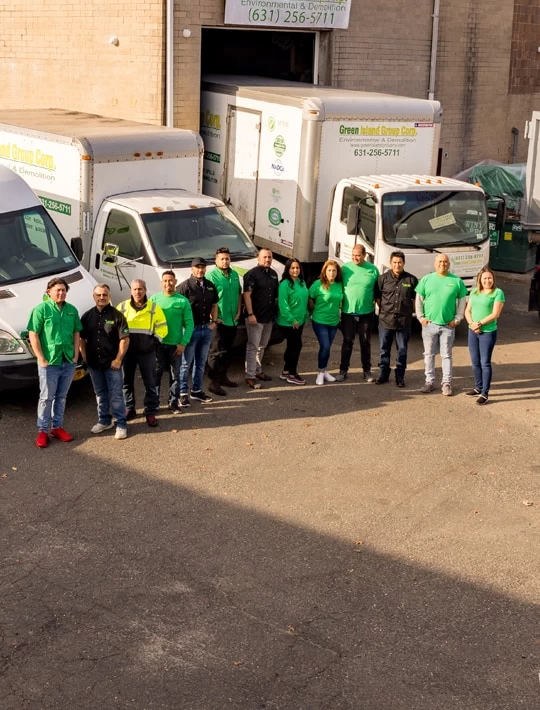
We’re a locally owned environmental, remediation, and restoration company serving New York County and the broader Manhattan market. We’re not a franchise operating off a national template we’re a team that understands the specific regulatory and structural reality of restoring properties in one of the most complex urban environments in the country.
Working in the Trinity area and the Financial District means navigating NYC Department of Buildings permits, FDNY compliance requirements, and in a neighborhood full of pre-1980 construction asbestos and lead abatement protocols that most restoration companies simply aren’t licensed to handle. We are. That’s not a marketing point; it’s a legal credential that determines whether your project moves forward or gets shut down.
From the narrow colonial streets around Trinity Church to the converted towers along Broadway, our team has the environmental expertise and the local knowledge to manage fire damage restoration in Trinity, NY without creating a second problem in the process.
No Guesswork Here's What Happens From First Call to Final Walkthrough
The first step is emergency stabilization. That means boarding up any compromised openings, tarping exposed areas, and making sure the structure is secure before any assessment or cleanup begins. In a multi-unit Manhattan building, this phase also involves coordinating with building management elevator access, work hour restrictions, common area protocols because the job doesn’t happen in a vacuum here.
From there, the full scope of damage gets documented. That documentation isn’t just for the project plan it’s the foundation of your insurance claim. We work directly with insurance carriers and handle the billing on your behalf, so you’re not spending your recovery period arguing with an adjuster from a hotel room in one of the most expensive cities in the world.
Then the actual restoration work begins: smoke and soot removal, odor elimination using thermal fogging and HEPA air scrubbing, water extraction and drying from firefighting efforts, mold prevention, and any required hazardous materials abatement. In the Trinity area, where pre-1980 building stock is the norm, that abatement step isn’t optional it’s legally required, and it’s built into the process. Structural repairs and reconstruction follow, and the job isn’t considered done until the property is back to its pre-loss condition.
Every Layer of Damage Gets Addressed Not Just the Visible Part
Fire damage restoration in Trinity, NY isn’t a single service it’s a sequence of interconnected ones. Smoke infiltrates building systems. Water from suppression soaks into materials that mold will colonize within 24 to 48 hours in a sealed Manhattan building. Soot contains carcinogens that don’t disappear when you repaint over them. What you need is a contractor who handles all of it under one roof, not one who finishes their piece and hands you off to someone else.
We offer emergency board-up and tarping, complete smoke and soot removal, odor neutralization at the molecular level, water damage mitigation, mold remediation, asbestos and lead abatement where required, structural repairs, and full reconstruction. In New York County, where NYC DOB permits are required for structural work and NYS licensing is mandatory for hazardous materials abatement, having a single contractor who holds all of those credentials matters it keeps your project moving without regulatory interruptions.
For property owners in the Trinity area dealing with the added complexity of a converted office tower different HVAC configurations, older electrical systems, shared building infrastructure the full-scope approach is the only one that actually resolves the problem. One contractor, one insurance billing relationship, one accountable team from start to finish.
Does fire damage in a Trinity, NY building require asbestos testing before restoration starts?
In most cases, yes and it’s not optional. New York State law requires that any building material disturbed during renovation or restoration work be tested for asbestos if the structure was built before 1980. The Financial District around Trinity Place is full of pre-1980 construction. The Trinity Building dates to 1905. The American Stock Exchange Building at 86 Trinity Place was built in 1921. Many of the converted residential towers in the Trinity area were originally constructed as commercial buildings decades before modern fire-resistant and asbestos-free materials became standard.
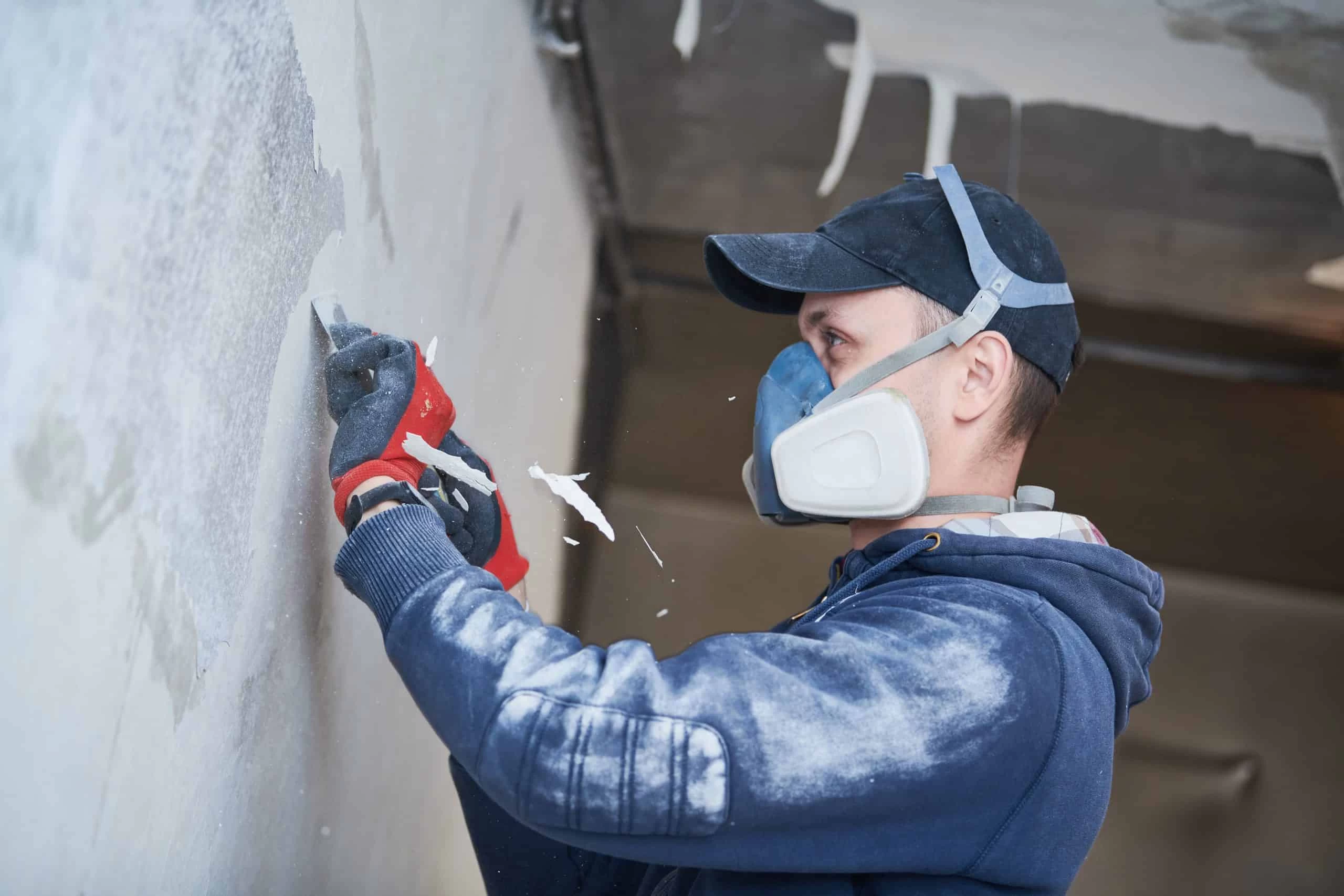
If asbestos-containing materials are present and get disturbed during fire damage restoration whether through demolition, debris removal, or even aggressive cleaning you’re looking at a regulated abatement process that requires a licensed contractor, proper containment, and documented disposal through the NYC Department of Environmental Protection. Skipping this step doesn’t make the problem go away; it creates a DEP violation and potentially exposes you to significant fines. We hold the NYS licensing required to perform this abatement legally, and it’s built into the restoration process from the start not treated as an afterthought.
Can smoke from a fire in one unit affect my apartment in the same Trinity building?
Yes, and it happens more often than most residents in the Trinity area expect. In the dense, multi-unit buildings that make up the neighborhood especially the converted office towers along Broadway and Trinity Place smoke and soot travel through shared HVAC systems, elevator shafts, stairwells, and even electrical conduits. A fire on one floor can leave detectable soot and odor in units several floors away, particularly in buildings where the original commercial ventilation system was adapted for residential use during conversion.
Fine soot particles are small enough to pass through standard filtration and settle on surfaces in neighboring units. Beyond the smell, these particles contain carbon compounds and heavy metals that pose genuine health risks when disturbed or inhaled over time. A thorough assessment after any building fire should include neighboring units and shared common areas not just the unit of origin. If your building management is only addressing the primary unit, that’s worth pushing back on, because the liability for incomplete remediation in shared spaces doesn’t disappear just because the visible fire damage is contained to one floor.
How does the insurance claims process work for fire damage restoration in New York City?
The short version: it’s more complicated in New York City than almost anywhere else in the country, and having a contractor who understands that complexity makes a real difference in your final settlement. NYC restoration projects involve higher labor costs, more stringent permitting requirements, and in older buildings the added cost of regulated hazardous materials abatement. All of that needs to be documented accurately and submitted to your carrier in a way that supports full reimbursement.
We handle direct insurance billing and work with adjusters on your behalf. That means the documentation your carrier needs scope of damage, materials testing results, permit costs, abatement requirements gets compiled by the people doing the work, not reconstructed by you after the fact from a hotel. For property owners in the Trinity area, where the cost of displacement alone can run thousands of dollars per week in temporary housing, getting the claim processed accurately and efficiently isn’t just convenient it directly affects how much of your loss gets covered and how quickly you can return to your property.
How long does fire damage restoration typically take in a Manhattan apartment or building?
It depends on the scope of damage, but in Manhattan and especially in the Financial District’s older building stock the timeline is almost always longer than it would be for a comparable job in a suburban single-family home. The reasons are practical: NYC DOB permits take time to process, building access is governed by management schedules and elevator windows, and if hazardous materials abatement is required, that phase has its own regulatory timeline before any structural work can begin.
For a contained fire in a single residential unit with moderate smoke and water damage, a realistic timeline is anywhere from two to six weeks depending on the extent of the damage and the complexity of the building. If structural reconstruction is involved, or if asbestos abatement is required in a pre-1980 building, you should plan for longer. The most important thing you can do to keep the timeline from extending unnecessarily is to start the process quickly mold growth begins within 24 to 48 hours of water exposure, and the longer smoke and soot sit in porous materials, the deeper they penetrate and the harder they are to fully remove.
What's the difference between fire damage restoration and just cleaning up smoke and soot?
Cleaning up visible smoke and soot is one step in a much longer process and treating it as the whole job is one of the most common reasons people end up dealing with odor that returns weeks later, or mold that shows up in walls that looked dry on the surface. Real fire damage restoration addresses the full chain of damage: the smoke that traveled through your building’s ductwork, the water that soaked into structural materials during suppression, the soot that penetrated drywall and insulation, and the compromised structural elements that may not be visible until a proper assessment is done.
In a building like those throughout the Trinity area pre-war construction, converted commercial floors, aging HVAC systems a surface-level cleanup leaves the underlying damage intact. The smell comes back because the source was never removed. The mold appears because the moisture was never properly extracted and dried. And in some cases, the structural damage that wasn’t addressed becomes a much larger repair bill six months later. The difference between a cleanup and a restoration is the difference between masking the problem and actually solving it.
Does Green Island Group handle fire damage restoration in Trinity, NY for both residential and commercial properties?
Yes and in the Trinity area, that distinction is often less clear-cut than it sounds. A significant portion of the buildings in and around Trinity Place are mixed-use or recently converted from commercial to residential use. The wave of office-to-residential conversions in the Financial District accelerated after 2020, and eligible for buildings completed before January 1977 means many properties function as residential spaces but carry the structural profile of commercial construction. Older electrical systems, repurposed HVAC configurations, and pre-war building materials create a restoration environment that doesn’t fit neatly into a residential-only or commercial-only service model.
We work across both property types and understand the regulatory differences that apply to each in New York City. Commercial restoration in the Financial District involves different DOB permit categories, different occupancy requirements for reentry, and potentially different insurance policy structures than residential. Having a contractor who can navigate both and who holds the environmental credentials required for hazardous materials work in either context means the project doesn’t stall because the scope crossed a line we weren’t prepared to handle.