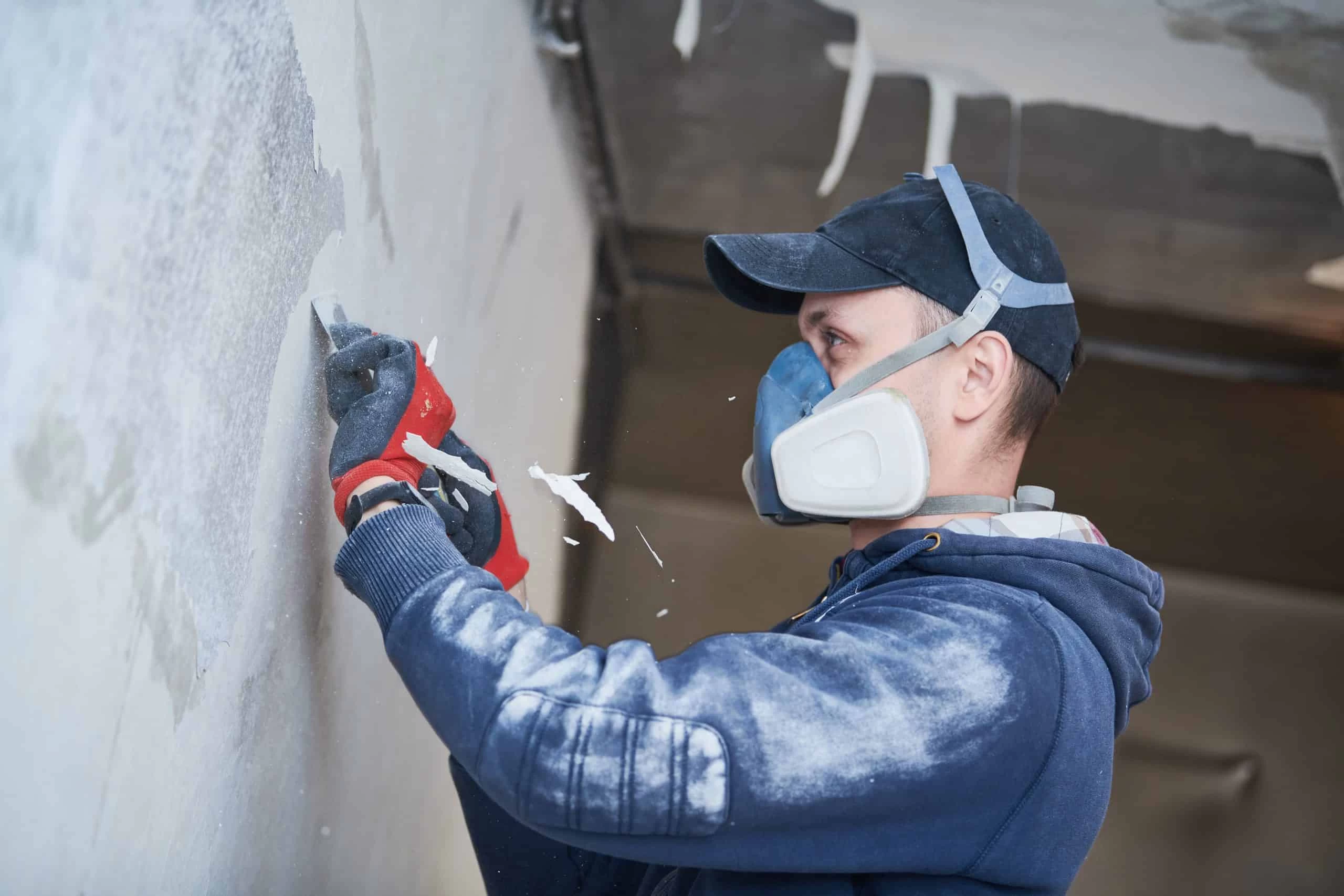
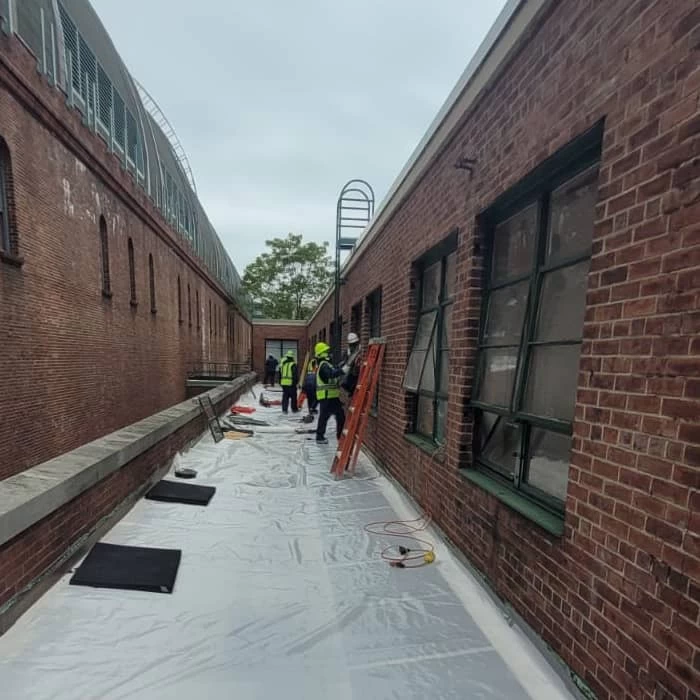
I needed a professional consultation explanation of procedure for safe removal of Asbestos in my apartment complex. Without having an account yet, I was very impressed with the caring, knowledgeable and generous advice offered by Jessica, and will look forward to doing business in the future. Thank you so much! I feel much more informed about a sometimes scary endeavor. Peace. Nancy Silva Mineola, NY.
Mia Munoz
Used this company to clean up some water flood in my house. They were fast and easy to work with.very professional, Would recommend to anyone!
Nini Valle
Great company, had a flood and they responded quickly and efficiently. Billed my insurance company directly. I highly recommend this company!
joe colapietro, jr
I had pipe freeze in my basement right before a snow storm and they made to within an hour to help start the clean up process. They we by our side throughout the entire process and even helped with the insurance company. They did such a great job with the cleanup, repair, remidiation, I contracted them to perform the repairs and finishes in the basement. They came with enough manpower and material to get the job done. Leo and Jessica were nothing but a pleasure to deal with!!
Cristian Arredondo c
I had some water damage in my home and Green Island was able to take care of my issue quickly and effectively. I am very pleased with the work they did. They responded quickly and were very professional.
Michael M
Outstanding service! From the office to the field crew everyone was friendly, helpful and responsive. I highly recommend Green Island Group.
A fire doesn’t just leave char and ash behind. It leaves smoke embedded in your walls, soot coating your surfaces, water damage from suppression soaking into your floors, and an insurance process that can feel like a second emergency. The goal of restoration isn’t just cleaning up what burnedit’s getting your property back to what it was before any of this happened.
Blissville’s residential building stock is old. Most of the homes along Greenpoint Avenue and the surrounding blocks date back to the 19th and early 20th centuries. That means horsehair plaster, original wood framing, and materials that hold onto smoke odor far longer than modern construction does. Generic cleanup crews aren’t built for that. The remediation approach has to match the buildingand in Blissville, that requires a team that actually knows what they’re working with.
Then there’s the air quality reality that Blissville residents already know too well. After the back-to-back Sims Metal fires on Newtown Creek in August 2024 and January 2025, smoke infiltrated homes throughout the neighborhood even without a single flame touching a residential structure. If your HVAC pulled in that air, if your walls absorbed that soot, that’s real damageand it doesn’t go away on its own. Professional remediation isn’t optional when the contamination is already inside your home.
We serve the western Queens corridor, including Blissville, Long Island City, Sunnyside, and Maspeth. We’re not a national franchise running your address through a dispatch algorithm. We’re a regional restoration company that has worked in this market long enough to understand what makes Blissville different from everywhere else.
Blissville sits in a triangle between the Long Island Expressway, Calvary Cemetery, and Newtown Creeka Superfund site. The industrial operations along that creek, the age of the residential buildings, the chronic air quality burden from nearby facilitiesthese aren’t background details to us. They’re part of how we approach every job we take on in this area.
When you call us after a fire, you’re not explaining your neighborhood to someone who’s never heard of it. You’re talking to a team that knows Greenpoint Avenue, knows the building stock, and knows exactly what it takes to restore a pre-war home in one of Queens’ most industrially complex communities.
The first thing we do is stabilize the property. That means emergency board-up if needed, water extraction from fire suppression, and a thorough damage assessment that documents everythingstructure, contents, smoke infiltration, secondary moisture. In New York City, that documentation isn’t just for your peace of mind. It’s what your insurance adjuster needs to authorize a full scope of repairs, and it’s what the NYC Department of Buildings requires before structural restoration work can begin under permit.
From there, remediation starts. We remove smoke and soot from surfaces, materials, and your HVAC system. Odor neutralization goes deeper than surface treatmentin older Blissville homes with original plaster and aged wood framing, odor lives inside the materials, not just on them. We use professional-grade equipment to treat it at the source. If the FDNY issued a vacate order on your property, we handle the documentation required to get that order lifted so you can return home.
Once the structure is clean, dry, and cleared, reconstruction begins. Drywall, framing, flooring, paintingwhatever the fire took, we restore it. You work with one company through the entire process, which means no finger-pointing between a mitigation crew and a separate contractor when something needs to be addressed.
Fire damage restoration covers more ground than most people realize until they’re in the middle of it. Structural damage is the obvious partburned framing, compromised walls, damaged roofing. But smoke infiltrates every room that wasn’t on fire. Soot coats surfaces you didn’t even know were exposed. Water from suppression soaks into subfloors and wall cavities, and in a humid Queens summer, mold can start forming within 48 hours if that moisture isn’t extracted and dried properly.
In Blissville specifically, there’s an additional layer. Properties near Newtown Creek sit within the footprint of a federally designated Superfund site. Any restoration work that involves debris removal or water drainage near the creek carries environmental compliance considerations that a general handyman or out-of-area contractor won’t be thinking about. We work within the NYC DOB permitting framework and understand the environmental context of this neighborhood.
Insurance coordination is built into every project we take on. We document damage in the format adjusters require, communicate directly with your carrier, and make sure the approved scope of repairs reflects what your property actually needsnot the minimum the insurance company initially offers. Most fire damage in Blissville is covered under standard homeowners’ or renters’ insurance, and we help you use every dollar you’re entitled to.
Does homeowners insurance cover fire damage restoration in Blissville, NY?
In most cases, yes. Standard homeowners insurance policies cover fire damage restoration, including smoke and soot cleanup, water damage from fire suppression, and structural repairs. Renters insurance typically covers personal property damage and sometimes temporary housing costs while your unit is being restored. The coverage is therebut the scope of what gets approved often depends on how well the damage is documented at the start.
This is where a lot of property owners run into problems. Insurance adjusters work quickly, and an initial estimate that’s rushed or incomplete can result in a payout that doesn’t cover everything your property actually needs. We document damage thoroughly from the first assessment, work directly with your adjuster, and make sure the approved scope reflects the full pictureincluding smoke infiltration into walls, soot in HVAC systems, and moisture damage in subfloors that isn’t always visible on the surface.
How long does fire damage restoration take for a home in Blissville?
It depends on the extent of the damage, but most residential fire restorations in Blissville fall somewhere between two weeks and two months from first assessment to final walkthrough. A contained kitchen fire with smoke damage to adjacent rooms is a very different scope than a fire that compromised structural framing and required the FDNY to issue a vacate order.
For Blissville properties specifically, the age of the building stock adds some time to the process. Pre-war homes with original plaster and old-growth framing require more careful remediation than newer constructionyou can’t just tear out and replace everything without understanding what you’re working with. Older materials also hold onto smoke odor longer, which means odor neutralization requires more thorough treatment. We give you a realistic timeline at the start of every project, not an optimistic number designed to get you to sign.
Can smoke from a nearby industrial fire actually damage my home without a fire inside?
Yes, and this is something Blissville residents have experienced firsthand. When the Sims Metal facility on Newtown Creek had major fires in August 2024 and January 2025, the smoke plumes that moved through the neighborhood deposited soot on exterior surfaces, infiltrated through windows and doors, and in many cases got pulled into homes through HVAC systems and ventilation gaps in older building envelopes.
Once smoke gets inside, it doesn’t just dissipate. Soot particles settle on surfaces and embed into porous materials like plaster, wood, and fabric. The chemical odor from industrial smokeespecially from a metal recycling facilityis particularly persistent. If you noticed a smell in your home after either of those fire events, or visible soot on surfaces, that’s not something that airs out on its own. Professional smoke damage assessment and remediation is the right call, even when the fire was never in your building.
What permits are required for fire restoration work in New York City?
Any structural repair work following a fire in New York City requires permits from the NYC Department of Buildings. This includes framing repairs, drywall replacement, electrical work, and plumbingessentially anything that touches the structure of the building. The permit process requires a licensed contractor to file the work, and in some cases a licensed engineer or architect may need to sign off on structural assessments before work can begin.
If the FDNY issued a vacate order on your property after the fire, that order has to be formally lifted before you can returnand lifting it requires documented proof that the restoration work has been completed and the building is safe for occupancy. This isn’t paperwork you want to navigate alone, especially while you’re also managing an insurance claim and temporary housing. We handle the DOB permit process as part of every restoration project, so you’re not left holding documents you don’t know what to do with.
Will there be mold after fire damage if water was used to put out the fire?
There’s a real risk, and it’s one that needs to be addressed quickly. Fire suppressionwhether from sprinklers or fire department hosescan introduce significant amounts of water into a structure in a short amount of time. That water soaks into subfloors, wall cavities, insulation, and ceiling materials. In New York City’s humid summers, mold can begin growing within 24 to 48 hours of water exposure if the moisture isn’t properly extracted and dried.
Blissville’s older building stock makes this more complicated. Original wood framing, aged plaster, and older insulation materials absorb and hold moisture differently than modern construction. Surfaces can appear dry while moisture is still trapped inside the wall assembly. We deploy industrial drying equipment and moisture monitoring as part of the restoration process, and apply antimicrobial treatment to at-risk areas before reconstruction begins. Catching it early is far less expensive than remediating an established mold problem after the fact.
Can you handle fire restoration for industrial or commercial properties in Blissville?
Yes. Blissville is predominantly zoned for industrial manufacturing, and a significant portion of the properties in the neighborhood are warehouses, auto shops, and light industrial facilities rather than residential buildings. Fire damage in those environments involves different materials, different ventilation systems, and often different insurance structures than a residential claimbut the core process is the same: document thoroughly, stabilize the structure, remediate smoke and soot, dry out water damage, and restore to pre-loss condition.
Commercial and industrial restoration in Blissville also carries the added consideration of proximity to Newtown Creek, a federally designated Superfund site. Debris removal and water drainage near the creek require awareness of environmental compliance obligations that go beyond a standard restoration job. We work within that regulatory framework and bring the right approach to properties in this specific part of western Queenswhether the building is a family home on Greenpoint Avenue or a warehouse along Review Avenue near the waterfront.