When Fire Hits One of Queens' Densest Blocks, Every Hour Counts
In a neighborhood this tightly packed, fire damage doesn’t stay contained for long. We respond fast, handle everything, and get your Elmhurst property back to where it needs to be.
I needed a professional consultation explanation of procedure for safe removal of Asbestos in my apartment complex. Without having an account yet, I was very impressed with the caring, knowledgeable and generous advice offered by Jessica, and will look forward to doing business in the future. Thank you so much! I feel much more informed about a sometimes scary endeavor. Peace. Nancy Silva Mineola, NY.
Mia Munoz
Used this company to clean up some water flood in my house. They were fast and easy to work with.very professional, Would recommend to anyone!
Nini Valle
Great company, had a flood and they responded quickly and efficiently. Billed my insurance company directly. I highly recommend this company!
joe colapietro, jr
I had pipe freeze in my basement right before a snow storm and they made to within an hour to help start the clean up process. They we by our side throughout the entire process and even helped with the insurance company. They did such a great job with the cleanup, repair, remidiation, I contracted them to perform the repairs and finishes in the basement. They came with enough manpower and material to get the job done. Leo and Jessica were nothing but a pleasure to deal with!!
Cristian Arredondo c
I had some water damage in my home and Green Island was able to take care of my issue quickly and effectively. I am very pleased with the work they did. They responded quickly and were very professional.
Michael M
Outstanding service! From the office to the field crew everyone was friendly, helpful and responsive. I highly recommend Green Island Group.
A fire doesn’t just burn what it touches it moves. Through walls, through vents, into every room that wasn’t even close to the flames. In Elmhurst’s older wood-frame homes, many built in the 1910s and 1940s with balloon-frame construction, smoke travels fast through wall cavities that were never designed to stop it. By the time the FDNY clears the scene, the damage is already deeper than it looks.
What you get on the other side of a proper restoration isn’t just a cleaned-up room. It’s a structurally sound home, air that doesn’t carry that burned smell, and surfaces that are actually safe not just wiped down. That matters everywhere, but it matters more in Elmhurst, where homes sit close together, units are stacked on top of each other, and one fire can affect multiple families under the same roof.
There’s also the water. When Engine Company 316 responds and they respond fast, often within four minutes they bring a lot of it. Fire restoration in Elmhurst almost always means water damage too. Handling both at once, under one contractor, is how you avoid a mold problem three weeks later on top of everything else you’re already dealing with.
A New York Crew That Knows What Elmhurst Buildings Are Actually Like
We’re a local New York restoration company not a national franchise with a call center somewhere else routing jobs to whoever’s available. When you call, you’re reaching a team that has worked throughout Elmhurst and Queens, understands the building stock here, and knows what fire damage looks like in a two-family home off Broadway or a subdivided row house near Roosevelt Avenue.
That matters in Elmhurst more than most places. The homes here are old. Many have asbestos in the walls, lead paint under the layers, and unpermitted alterations that complicate any restoration job. Our team has handled all of it and we’ve helped Elmhurst clients navigate the NYC Department of Buildings permit process, FDNY vacate orders, and HPD inspections without leaving them to figure it out alone.
We’re not here to do the minimum and move on. Elmhurst families have too much riding on these properties for that.
No Guesswork Here's Exactly What Happens After You Call
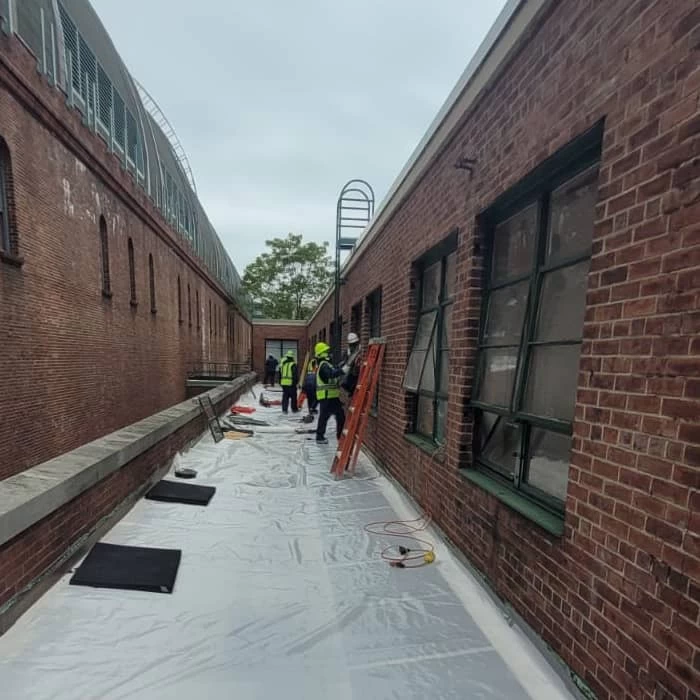
The first call starts it. You reach us, we ask the right questions, and we get someone out to your Elmhurst property fast day or night. The first priority is always securing the structure: boarding up openings, tarping exposed areas, and making sure the building isn’t taking on more damage while everything else gets sorted out. In a neighborhood like Elmhurst, where attached and semi-attached homes mean your neighbor’s property is also at risk, that step isn’t optional.
From there, we do a full damage assessment not just the visible burn areas, but the smoke pathways, the water saturation from suppression, and any structural concerns that need to go through the NYC Department of Buildings before reconstruction can begin. If there’s a vacate order on the property, we help you understand what that means and what needs to happen to lift it. We handle the documentation your insurance company needs, so you’re not scrambling to prove what was damaged and when.
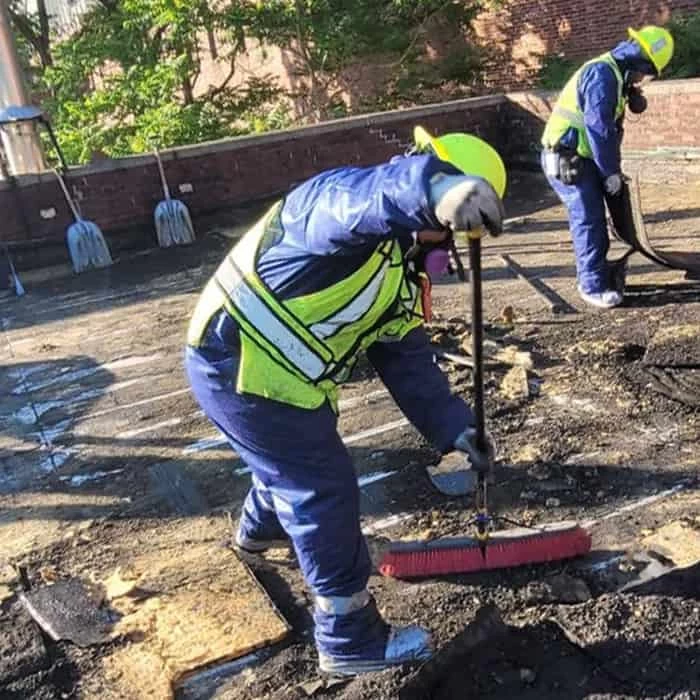
Then the actual work begins: smoke and soot removal from every surface, duct cleaning, odor treatment, water extraction and drying, and rebuilding what needs to be rebuilt all properly permitted and inspected. You’re not handed off between contractors. One team, start to finish.
Everything Included Because Half a Restoration Isn't One
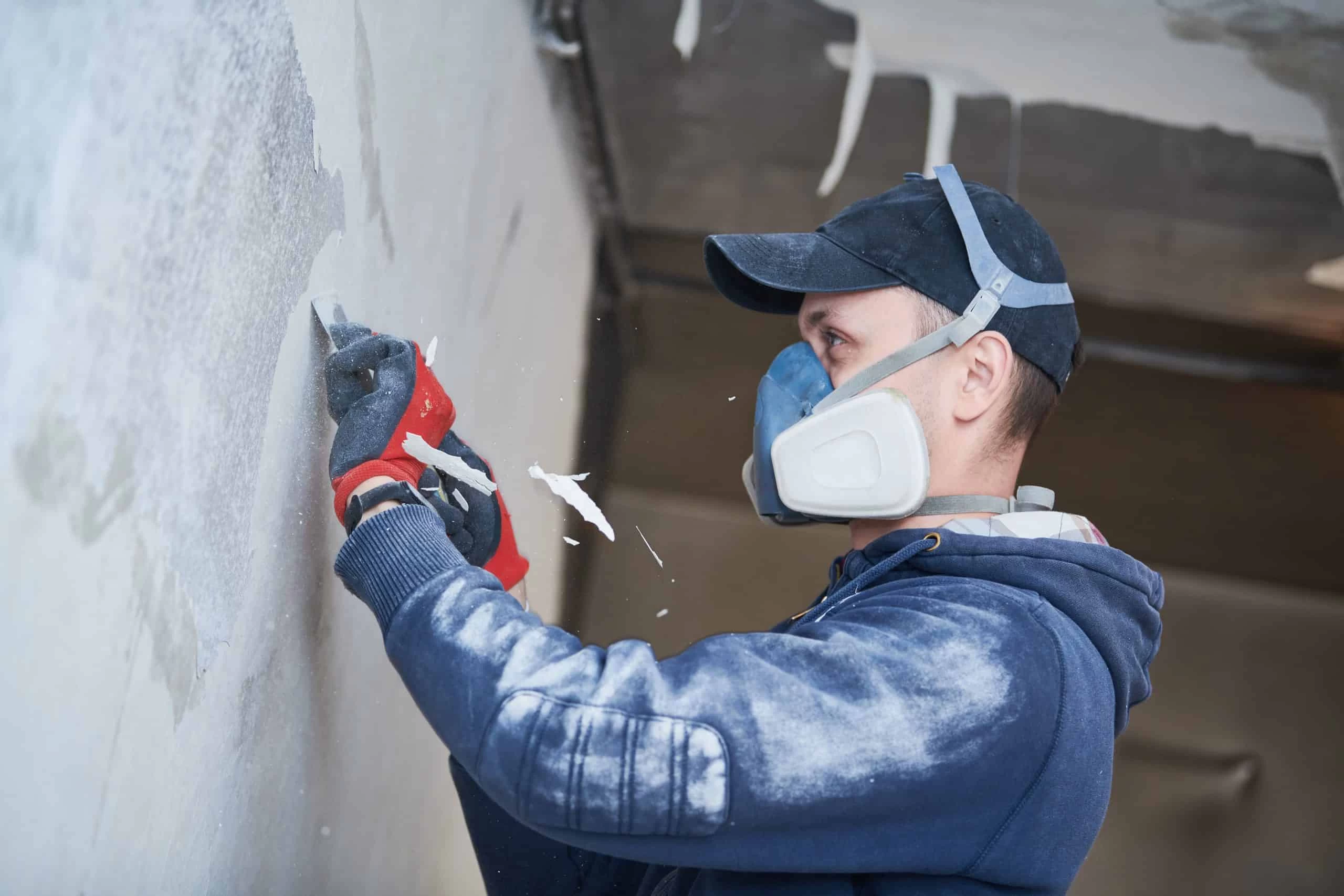
Fire damage restoration in Elmhurst isn’t a single service it’s a sequence of them, and skipping any step creates a problem down the road. What we do covers the full scope: emergency board-up and tarping, structural assessment, smoke and soot remediation on all surfaces including HVAC systems and hidden wall cavities, odor neutralization using professional-grade equipment, water extraction and structural drying, contents cleaning, and full reconstruction with proper NYC DOB permits.
Elmhurst’s older building stock adds layers to this work that don’t exist in newer construction. Pre-war homes throughout the neighborhood the same era as Newtown High School, built in 1897 often contain asbestos insulation, lead paint, and original plaster walls that require careful handling before any restoration work touches them. We’re licensed to address those hazards and coordinate abatement when needed, so the job is done right and the property passes inspection.
For multi-family homes and buildings with multiple units common throughout Elmhurst and Community District 4 we coordinate across all affected spaces, work with each relevant insurance policy, and make sure every occupant’s situation is accounted for. If you own a small business on Queens Boulevard or Broadway and fire or smoke has shut you down, we also handle commercial restoration with the same urgency, because every day closed is real money out of your pocket.
What should I do in the first hour after a fire in my Elmhurst home?
The most important thing you can do in that first hour is not go back inside until the FDNY has cleared the building and confirmed it’s structurally safe. In Elmhurst, where many homes are wood-frame construction from the early 20th century, structural instability after a fire isn’t always visible from the outside. Once the scene is cleared, call your insurance company to report the claim and call us to get someone on-site as quickly as possible.
The reason speed matters so much is secondary damage. Water from firefighting soaks into floors, walls, and structural members fast. In Elmhurst’s climate, with humid summers and cold winters, that moisture creates the conditions for mold growth within 24 to 48 hours. The sooner water extraction and drying begins, the less you’re dealing with on top of the fire damage itself. Document everything you can see with photos before anyone starts moving or cleaning anything your insurance adjuster will need it.
Does homeowners insurance cover fire damage restoration in Queens, NY?
In most cases, yes standard homeowners insurance policies cover fire damage, including the cost of restoration, smoke remediation, and temporary housing if your home is uninhabitable. But the details matter. Coverage limits, depreciation schedules, and what counts as a covered cause of loss vary by policy, and insurance companies don’t always volunteer the full scope of what you’re entitled to claim.
In Elmhurst, there’s an added layer of complexity for properties that have been subdivided or have unpermitted alterations. If a building has been modified without DOB approval and that’s discovered during the claims process, it can complicate or reduce your payout. This is one of the reasons working with a restoration company that understands NYC’s permitting environment is worth it proper documentation from the start protects your claim. We work directly with insurance adjusters and help ensure the damage assessment reflects the full scope of what needs to be restored.
How long does fire damage restoration typically take for a home in Elmhurst?
It depends on the scope of damage, but a realistic range for a moderate fire in a typical Elmhurst home is four to eight weeks from initial assessment through final reconstruction. Smaller jobs involving primarily smoke and soot cleanup with no structural damage can be completed in one to two weeks. Larger fires that require structural repairs, full reconstruction, or hazardous material abatement take longer.
What often extends the timeline in New York City specifically is the permitting process. Any structural reconstruction requires NYC Department of Buildings permits, and if the property has a history of unpermitted work which is common in Elmhurst the permitting process can require additional steps before work can proceed. FDNY vacate orders also have to be formally lifted before a building can be reoccupied, which involves DOB sign-off. We factor all of that into the timeline from the beginning so there are no surprises mid-project.
What's the difference between fire damage and smoke damage and does smoke damage need professional treatment?
Fire damage is what the flames physically destroyed charred materials, burned structural members, melted surfaces. Smoke damage is what the fire left behind everywhere else, and it’s often more widespread than the burn area itself. Smoke carries acidic particles that bond to surfaces, corrode metals, stain walls and ceilings, and embed into porous materials like wood, fabric, and insulation. The odor isn’t just unpleasant it’s a sign that those particles are still present.
In Elmhurst’s older homes, smoke has more places to go. Balloon-frame construction common in houses built before the 1940s has open wall cavities that let smoke travel vertically through the entire structure. That means a fire on the first floor can leave smoke residue in second-floor walls and attic spaces without any visible sign of it. Professional smoke remediation uses air scrubbers, thermal fogging, and hydroxyl or ozone treatment to address what’s inside the structure, not just what’s on the surface. Wiping down walls is not the same thing, and skipping professional treatment usually means the smell comes back.
My Elmhurst home has multiple units how does restoration work when tenants are involved?
This is one of the most common situations we handle in Elmhurst, and it’s more complicated than a single-family restoration for a few reasons. First, there may be multiple insurance policies involved the property owner’s policy and any renters insurance held by tenants. Second, the NYC Housing Maintenance Code and HPD have specific requirements for landlords whose rental units sustain fire or smoke damage, including timelines for repair and tenant notification obligations. Third, if any part of the building has unpermitted alterations, that has to be addressed before the DOB will approve reconstruction.
From a practical standpoint, we assess every affected unit separately, document the damage in each space, and coordinate the restoration work so it’s efficient across the whole building rather than treating each unit as a separate job. If tenants have been displaced, we work quickly because we understand that the property owner has obligations to those tenants under NYC law. We also help with the insurance documentation across multiple units so the claims process doesn’t become a separate full-time job for the building owner.
Is there anything specific about Elmhurst's older homes that makes fire restoration more complicated?
Yes, and it’s worth understanding before the work begins. A significant portion of Elmhurst’s residential housing stock was built between 1910 and 1945 the same era as landmarks like Newtown High School, built in 1897. That means many homes contain asbestos in pipe insulation, floor tiles, and wall materials, as well as lead paint under layers of later finishes. When a fire damages those materials, they can’t just be removed and replaced they have to be properly tested, and if asbestos or lead is present, licensed abatement is required before restoration work can proceed.
This isn’t something every contractor in Queens is equipped to handle. Skipping abatement isn’t just a health risk it’s a code violation that can result in stop-work orders from the NYC Department of Buildings and complications with your insurance claim. We identify these hazards early in the assessment process, bring in licensed abatement when needed, and make sure all the work is properly documented. It adds a step, but it’s the step that protects you, your tenants, and anyone who lives in that home after the restoration is complete.