When the Fire's Out, the Real Work Begins on the Peninsula
Fire damage doesn’t wait, and neither should your response. We provide fire damage restoration in Hammel, NY from emergency stabilization to full recovery so you’re not left figuring it out alone.
I needed a professional consultation explanation of procedure for safe removal of Asbestos in my apartment complex. Without having an account yet, I was very impressed with the caring, knowledgeable and generous advice offered by Jessica, and will look forward to doing business in the future. Thank you so much! I feel much more informed about a sometimes scary endeavor. Peace. Nancy Silva Mineola, NY.
Mia Munoz
Used this company to clean up some water flood in my house. They were fast and easy to work with.very professional, Would recommend to anyone!
Nini Valle
Great company, had a flood and they responded quickly and efficiently. Billed my insurance company directly. I highly recommend this company!
joe colapietro, jr
I had pipe freeze in my basement right before a snow storm and they made to within an hour to help start the clean up process. They we by our side throughout the entire process and even helped with the insurance company. They did such a great job with the cleanup, repair, remidiation, I contracted them to perform the repairs and finishes in the basement. They came with enough manpower and material to get the job done. Leo and Jessica were nothing but a pleasure to deal with!!
Cristian Arredondo c
I had some water damage in my home and Green Island was able to take care of my issue quickly and effectively. I am very pleased with the work they did. They responded quickly and were very professional.
Michael M
Outstanding service! From the office to the field crew everyone was friendly, helpful and responsive. I highly recommend Green Island Group.
What Stays Behind After a Fire Is the Bigger Problem
Most people think the fire is the worst part. It’s not. What lingers after the soot coating every surface, the smoke smell locked into walls and furniture, the water damage left by firefighting efforts that’s what determines how much of your home or unit you actually get back. And in Hammel, where salt air and coastal humidity are already working against your building materials year-round, that damage moves faster than it would in a dry inland neighborhood.
Soot is acidic. Within hours of a fire, it starts etching into surfaces, corroding metal fixtures, and discoloring drywall and ceilings in ways that become permanent if left untreated. In a coastal environment like the Rockaway Peninsula, where moisture levels are consistently elevated, that process accelerates. What’s a surface stain at hour two becomes a structural problem by day three.
For residents of the Hammel Houses or any of the surrounding multi-unit buildings along Rockaway Beach Boulevard, there’s another layer to this. Smoke doesn’t respect apartment walls. It travels through shared HVAC systems, stairwells, and floor joists meaning a fire in one unit can mean smoke contamination across an entire floor. Getting ahead of that spread quickly is what separates a manageable restoration from a months-long displacement.
We serve the Rockaway Peninsula communities, including Hammel, Far Rockaway, and Rockaway Park. This isn’t a market we occasionally drive out to it’s one we’ve built a real presence in, which means we understand the access logistics, the building conditions, and the specific challenges that come with restoring properties on a barrier island with two bridge crossings and a housing stock that’s been through more than most.
We’re certified through the IICRC the Institute of Inspection, Cleaning and Restoration Certification which sets the professional standard for fire and smoke restoration, structural drying, and odor control. That matters in Hammel because this isn’t a straightforward inland job. Between the salt air corrosion, the humidity, and the legacy of Sandy-era damage that still affects some buildings in the area, the work requires people who actually know what they’re looking at.
We also work directly with your insurance carrier from day one handling documentation, communicating with adjusters, and making sure the full scope of damage is accounted for. You’ve got enough to manage. That part shouldn’t be on your plate.
From the First Call to the Final Walkthrough Here's the Honest Version
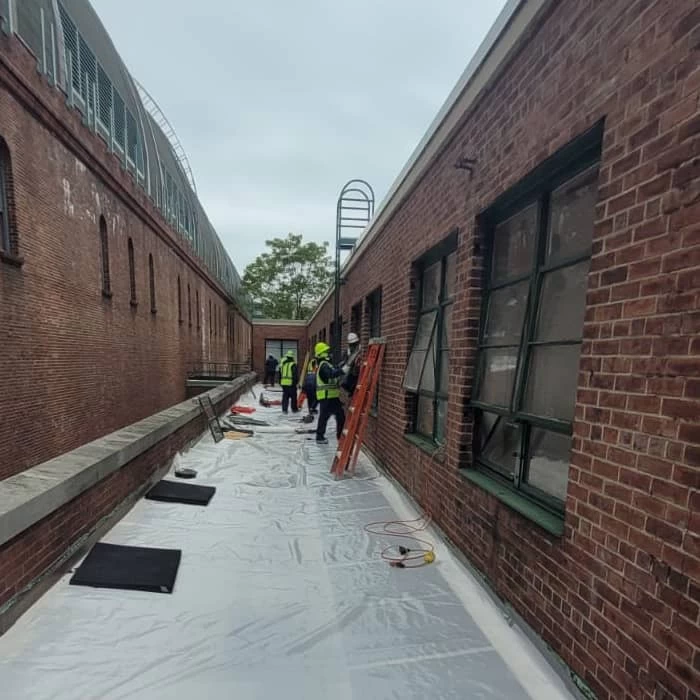
The first thing that happens when you call is an emergency assessment. We get eyes on the property as fast as possible and because we serve Hammel and the Rockaway Peninsula regularly, we’re not sitting across town trying to figure out the best route over the Cross Bay Veterans Memorial Bridge. We know how to get there, and we move. If the structure needs to be secured windows boarded, roof tarped, entry points protected that happens immediately to prevent further exposure to the elements. On the peninsula, where wind and salt air can accelerate deterioration overnight, that step isn’t optional.
Once the property is stabilized, we move into full assessment and documentation. This is where we catalog every affected surface, material, and system not just what’s visibly damaged, but what the smoke and water have reached that you can’t see yet. That documentation becomes the foundation of your insurance claim, and we handle that communication directly with your adjuster so nothing gets missed or undervalued.
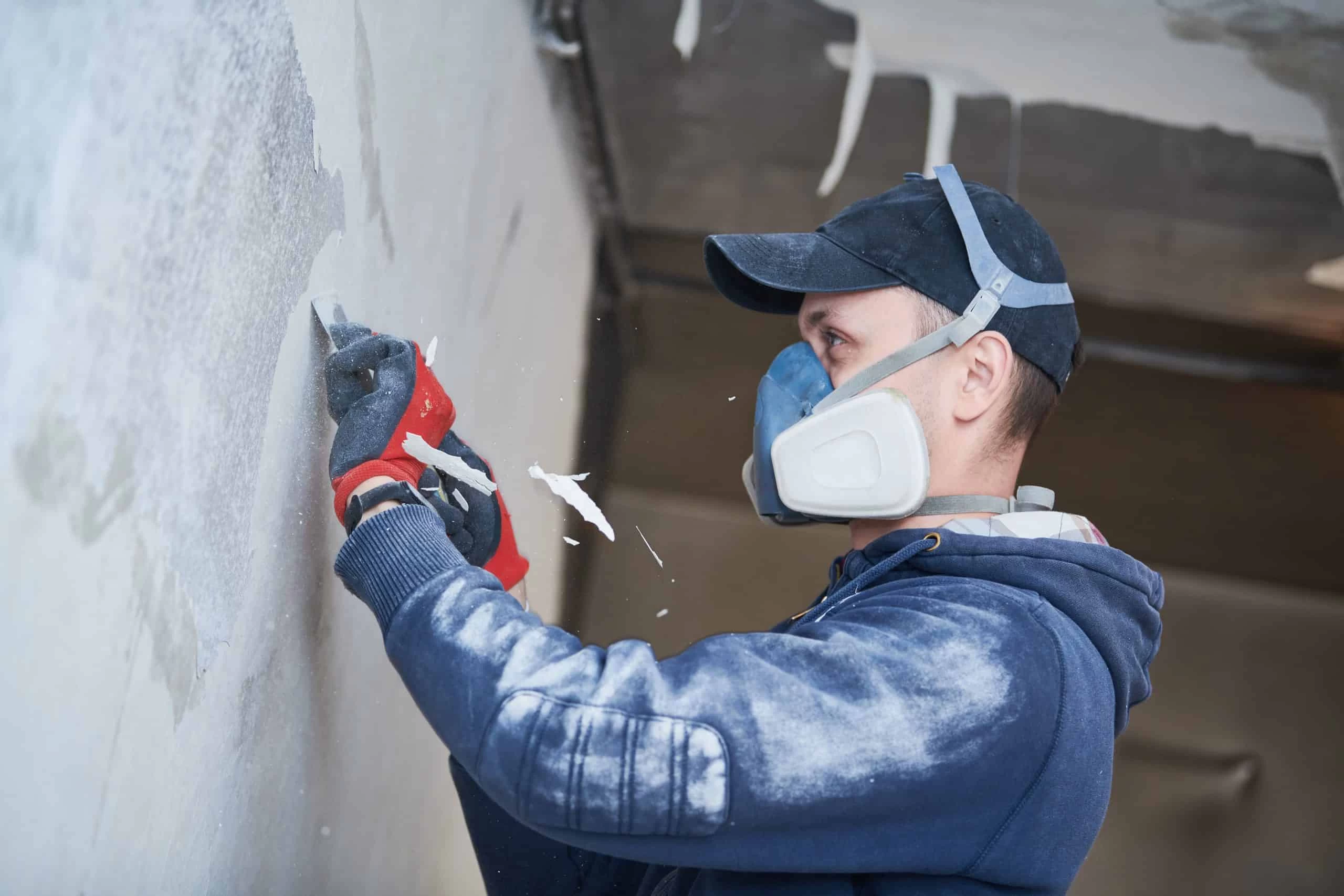
From there, the actual restoration work begins: soot removal, smoke odor treatment using thermal fogging and hydroxyl generation, structural drying, and where needed reconstruction. In multi-unit buildings like those along Rockaway Beach Boulevard, we coordinate with building management so the work gets done efficiently without disrupting the whole floor. By the time we’re done, the goal is simple your space should feel like yours again, not like a reminder of what happened.
Everything the Job Requires Not Just the Visible Damage
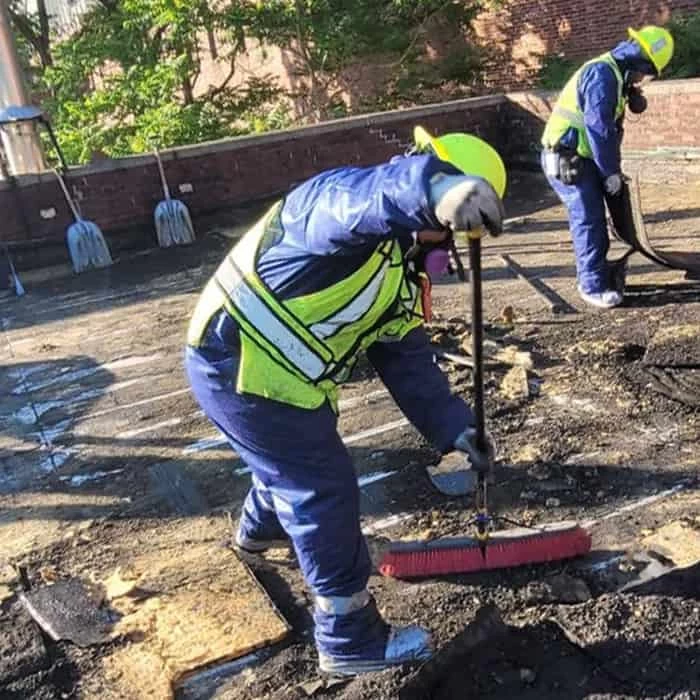
Fire damage restoration in Hammel covers a lot more ground than most people expect going in. It starts with emergency response securing the property, removing debris, and beginning the mitigation process before secondary damage takes hold. From there, it moves into smoke and soot remediation, which in a coastal environment like the Rockaway Peninsula means accounting for how humidity and salt air affect how deeply residue penetrates porous materials like drywall, wood framing, and insulation.
Smoke odor is one of the most stubborn parts of the job, and surface cleaning alone won’t solve it. We use professional-grade thermal fogging and hydroxyl generation to eliminate odor at the molecular level not mask it. This matters especially in Hammel, where the combination of ocean humidity and older building construction means odor can bond to materials faster and more deeply than in a standard inland property.
All restoration work in Hammel falls under NYC Department of Buildings jurisdiction, which means any structural repairs require proper permits and licensed tradespeople. We handle that process as part of the job pulling the right permits, coordinating licensed subcontractors where needed, and making sure everything is done to code. For residents of the Hammel Houses or other buildings managed by NYCHA or a co-op board, we also understand how to work within institutional property management structures so the process doesn’t stall out on the administrative side.
How quickly can fire damage restoration begin at a Hammel property?
Speed matters more than most people realize after a fire. Soot starts chemically bonding to surfaces within hours, and in Hammel’s coastal environment where humidity off Jamaica Bay and the Atlantic is a constant that process moves faster than it would in a drier inland neighborhood. The longer the gap between the fire and the start of professional mitigation, the more damage becomes permanent and the more expensive the restoration becomes.
We respond to Hammel and the Rockaway Peninsula on an emergency basis, and because we serve this area regularly, we’re not navigating the peninsula for the first time when you call. We know the Cross Bay Veterans Memorial Bridge route, we know the access points along Beach Channel Drive, and we can mobilize quickly. The goal is always to begin stabilization securing the structure, starting soot mitigation, and initiating the documentation process as fast as possible after the fire department clears the scene.
Does fire damage restoration in Hammel get covered by homeowners insurance?
In most cases, yes fire damage is one of the most commonly covered perils under a standard homeowners or renters insurance policy. That said, the coverage you actually receive depends heavily on how the claim is documented and presented to your adjuster. A rushed or incomplete scope-of-loss assessment can result in a payout that doesn’t reflect the full extent of the damage, leaving you responsible for costs that should have been covered.
This is where having a restoration company that handles insurance coordination directly makes a real difference. We prepare detailed documentation of every affected area including smoke and water damage that isn’t immediately visible and communicate directly with your insurance adjuster throughout the process. For Hammel residents who’ve had prior experience navigating insurance claims after Hurricane Sandy, you already know how important it is to have someone in your corner who understands how to build and present a complete claim. We do that work so you don’t have to.
What's the difference between smoke damage cleanup and full fire damage restoration?
Smoke damage cleanup refers specifically to the removal of soot, residue, and odor from surfaces it’s one component of the larger restoration process. Full fire damage restoration covers everything from that initial cleanup through structural repairs, material replacement, and final reconstruction. Depending on the severity of the fire and how far the smoke traveled, you may need one or both.
In multi-unit buildings like those in the Hammel Houses complex, smoke damage cleanup often extends well beyond the unit where the fire originated. Smoke moves through shared HVAC systems, hallways, and structural cavities, meaning neighboring units can have significant soot and odor contamination even if they saw no flames. A full assessment is the only way to know the true scope. We evaluate the entire affected area not just the obvious damage so nothing gets missed and the restoration is actually complete when we say it is.
How does coastal humidity in Hammel affect fire and smoke damage?
It makes things worse, and faster. Hammel sits between Jamaica Bay and the Atlantic Ocean, which means humidity levels here are consistently higher than in inland Queens neighborhoods. After a fire, that moisture in the air accelerates the rate at which soot and smoke residue penetrate porous materials drywall, wood framing, insulation, carpeting, and upholstered furniture all absorb odor and residue more deeply in high-humidity conditions.
It also affects the drying process. Firefighting operations introduce a significant amount of water into a structure, and in a coastal environment, that water doesn’t evaporate as quickly as it would in a drier climate. Without professional structural drying equipment, that moisture becomes a mold risk within 24 to 48 hours. Our restoration process accounts for both the smoke and the water treating them as the connected problems they are, not two separate jobs. In Hammel, that integrated approach isn’t optional. It’s just how the work has to be done here.
Can fire damage restoration help with smoke smell that won't go away after a fire?
Yes and if the smell is still there weeks after the fire, it means the odor wasn’t treated at the source. Smoke odor doesn’t live on surfaces the way dust does. The molecules from combustion penetrate deeply into porous materials and, if not treated correctly, continue off-gassing long after the visible damage has been cleaned up. Air fresheners and standard cleaning products don’t reach the source they just layer over it temporarily.
Professional smoke odor elimination uses thermal fogging and hydroxyl generation to neutralize odor molecules at the molecular level, not just at the surface. In Hammel, where older building construction and coastal humidity mean smoke penetrates materials more deeply than in a newer or drier environment, this step is especially important. If you’re still living with the smell weeks after a fire or after another company claimed to have cleaned it that’s a sign the job wasn’t finished correctly. A proper assessment can identify where the odor is still coming from and address it the right way.
Does Green Island Group handle fire restoration in NYCHA buildings in Hammel?
We do, and it requires a different approach than a standard single-family home job. NYCHA-managed properties like the Hammel Houses operate under institutional property management, which means restoration work has to be coordinated with building management, maintenance staff, and potentially multiple administrative layers before and during the job. That coordination matters without it, work stalls, access gets delayed, and residents end up waiting longer than they should.
We understand how to work within that structure. We know how to communicate with building management, how to document damage in a way that satisfies both insurance requirements and institutional reporting standards, and how to manage a restoration job in a multi-unit, occupied building without creating more disruption than necessary. For individual residents of the Hammel Houses who’ve experienced fire or smoke damage in their unit, we can also help you understand what your renters insurance covers and how to navigate the process when the building’s institutional response and your personal claim overlap.