When Fire Hits a Maspeth Home, the Damage Runs Deeper Than What You See
When fire hits one of Maspeth’s older brick homes, the damage runs deeper than what you can see. We handle fire damage restoration from the first emergency call to the final rebuild so you’re not left coordinating strangers during the worst week of your life.
I needed a professional consultation explanation of procedure for safe removal of Asbestos in my apartment complex. Without having an account yet, I was very impressed with the caring, knowledgeable and generous advice offered by Jessica, and will look forward to doing business in the future. Thank you so much! I feel much more informed about a sometimes scary endeavor. Peace. Nancy Silva Mineola, NY.
Mia Munoz
Used this company to clean up some water flood in my house. They were fast and easy to work with.very professional, Would recommend to anyone!
Nini Valle
Great company, had a flood and they responded quickly and efficiently. Billed my insurance company directly. I highly recommend this company!
joe colapietro, jr
I had pipe freeze in my basement right before a snow storm and they made to within an hour to help start the clean up process. They we by our side throughout the entire process and even helped with the insurance company. They did such a great job with the cleanup, repair, remidiation, I contracted them to perform the repairs and finishes in the basement. They came with enough manpower and material to get the job done. Leo and Jessica were nothing but a pleasure to deal with!!
Cristian Arredondo c
I had some water damage in my home and Green Island was able to take care of my issue quickly and effectively. I am very pleased with the work they did. They responded quickly and were very professional.
Michael M
Outstanding service! From the office to the field crew everyone was friendly, helpful and responsive. I highly recommend Green Island Group.
What Your Maspeth Home Looks and Feels Like After We're Done
Smoke doesn’t stop when the fire does. It keeps moving through walls, soaking into plaster, embedding in hardwood floors, and working its way into HVAC systems long after the FDNY clears the scene. In Maspeth’s older homes many built in the 1930s through 1950s, particularly in the blocks near Grand Avenue and Calamus Avenue those materials absorb smoke far more aggressively than modern drywall. If it’s not pulled out properly, the odor and the damage stay.
Once the work is done, you’re not just getting a cleaned-up version of what burned. You’re getting a home that’s structurally sound, free of soot residue, and clear of the smoke odor that would otherwise follow your family from room to room. Walls are restored, not painted over. Contents are cleaned or properly documented for your insurance claim. And the air inside your home is treated not masked with a spray.
For Maspeth homeowners who’ve put decades into a property, that’s the difference between a real restoration and a cosmetic patch job that falls apart six months later.
We Know Maspeth's Homes and How Fire Actually Damages Them
We’re Queens-based, which means when a fire breaks out on 57th Road at 2 a.m. and in Maspeth, they often do we’re not routing a call through a national dispatch center. We know this neighborhood. We know what these homes are made of, how they’re built, and what fire damage actually looks like inside a 1940s brick two-family versus a newer build.
We’ve worked across the surrounding communities too Middle Village, Ridgewood, Glendale, Elmhurst so we understand the Queens housing stock and the NYC Department of Buildings permitting process that comes with any serious restoration job. That matters more than most people realize when you’re trying to get your home rebuilt legally and correctly.
Our team handles everything from emergency board-up through final reconstruction. You get one point of contact, not a rotating cast of subcontractors who don’t know what the last crew did.
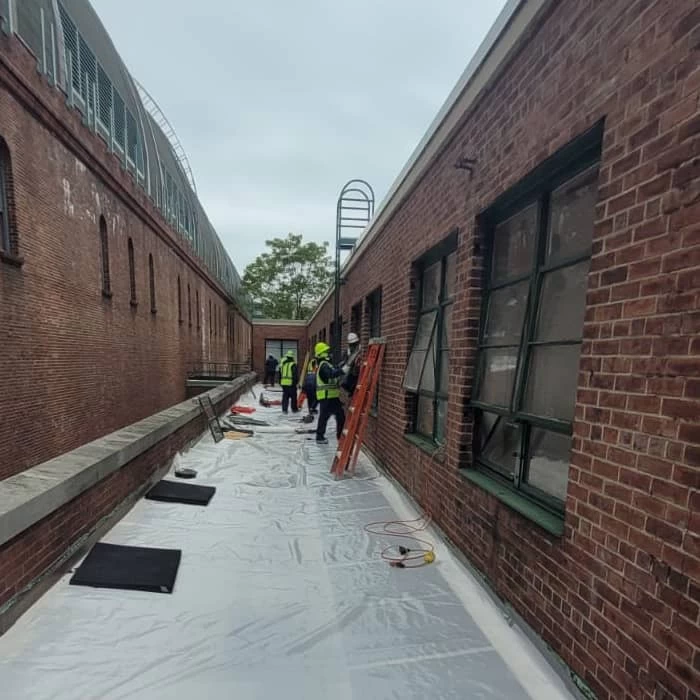
The first thing that happens when you call is stabilization. We board up windows, secure the structure, and stop the damage from spreading whether that’s from weather, smoke migration, or the water left behind from firefighting. In Maspeth, where homes sit close together and winters are real, an unsecured structure after a fire deteriorates fast.
From there, we do a full damage assessment not just what’s visibly burned, but what the smoke reached, what the water affected, and what the structure needs to meet current NYC Building Code before reconstruction begins. That documentation also becomes the foundation of your insurance claim, which matters because a thorough assessment means a stronger claim.
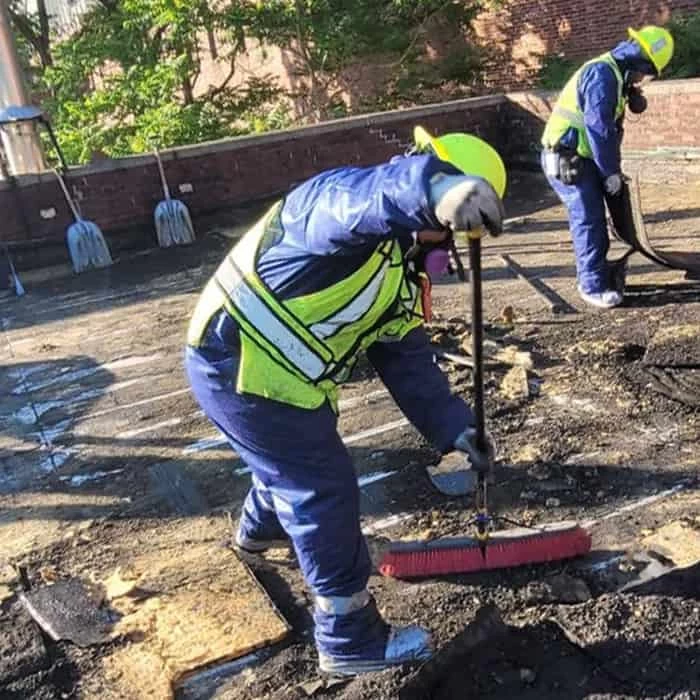
Then comes the actual restoration: soot and smoke removal, odor neutralization using thermal fogging or hydroxyl treatment, structural drying, content pack-out and cleaning, and finally the rebuild. Because we work within the NYC DOB permitting system, all structural and mechanical work is filed and approved not done quietly and hoped over. That protects you from violations that can run $2,500 to $25,000 per incident, and it protects the value of your home long after we’re gone.
Fire damage restoration in Maspeth isn’t a one-size job. A residential fire in a 1930s brick home near Grand Avenue involves different challenges than a two-alarm warehouse fire in the Maspeth Industrial Business Zone on the 43rd Street corridor. We handle both and we approach each one based on what’s actually in front of us, not a checklist built for somewhere else.
On the residential side, that means addressing the specific materials common in Maspeth’s older housing stock: plaster walls that trap soot, legacy insulation that holds odor, and hardwood floors that need treatment, not replacement. We also coordinate with licensed electricians where older wiring was involved which, given that FDNY fire marshals confirmed faulty electrical wiring as the cause of a 2024 three-alarm fire in this neighborhood, is not a hypothetical.
For commercial and industrial properties in the IBZ, the scope expands to include larger structural assessments, hazardous material considerations, and faster turnaround timelines because downtime costs money. Across both, you get direct insurance billing, a certified estimator who documents the full scope of damage, and a team that manages the NYC DOB permit process from start to finish so you’re not chasing paperwork while you’re already dealing with enough.
How quickly can fire damage restoration begin at my Maspeth home?
We’re available 24 hours a day, seven days a week and that’s not just a phone line. It means a real response, not a voicemail and a callback the next morning. Several documented fires in Maspeth have broken out between 2 and 3 a.m., and the families dealing with those situations needed help immediately, not at 9 a.m. when a business opens.
Once you call, we can typically be on-site within hours for emergency stabilization boarding windows, securing the structure, and beginning the damage documentation process. The sooner that happens, the less secondary damage you deal with. Smoke keeps moving after a fire is out, water from firefighting operations starts creating mold conditions within 24 to 48 hours, and an unsecured home in a Queens winter deteriorates quickly. Speed in the first few hours genuinely changes the outcome of the full restoration.
Does fire damage restoration in Maspeth require permits from the NYC DOB?
Yes and this is one of the most important things to understand before you hire anyone. In New York City, any structural, electrical, mechanical, or plumbing work requires permits filed through the NYC Department of Buildings. That includes post-fire reconstruction in Maspeth. Unpermitted work carries penalties between $2,500 and $25,000 per violation, and it can create serious problems if you ever sell the property or need to file another insurance claim.
We work within the NYC DOB permitting system. For more complex restoration scopes, plans need to be prepared and filed by a licensed Registered Architect or Professional Engineer. We coordinate that process so you’re not navigating DOB NOW: Build on your own while you’re already managing temporary displacement and insurance calls. Professionally certified filings can sometimes be approved same-day standard plan examination can take weeks or longer so getting the paperwork moving early matters.
Will my insurance cover the full cost of fire damage restoration?
Most homeowner insurance policies do cover fire damage restoration, but what actually gets paid depends heavily on how well the damage is documented. Insurance adjusters work for the insurance company their job is to assess the claim, not necessarily to maximize it. That’s why having your own certified estimator document the full scope of damage before negotiations begin makes a real difference.
We send a certified estimator to assess everything: not just the visible structural damage, but smoke penetration into walls and HVAC systems, water damage from firefighting operations, affected contents, and any hidden damage that a surface-level inspection would miss. That documentation supports the strongest possible claim. We also work directly with insurance adjusters and handle billing on your behalf, so you’re not stuck in the middle trying to translate between a restoration contractor and an insurance representative. For Maspeth homeowners who’ve paid into a policy for years, getting the full value of that coverage matters.
How long does fire damage restoration take for a Maspeth single-family home?
It depends on the scope of damage, but most residential fire restorations fall somewhere between a few weeks for a contained room fire and several months for a major structural event. The honest answer is that timelines vary and anyone who gives you a firm number before seeing the property is guessing.
What affects the timeline most in Maspeth specifically is the age and construction of the home. Older brick homes with plaster walls and legacy materials take longer to properly remediate than modern construction because the smoke and soot penetrate more deeply. The NYC DOB permitting process also adds time if structural or mechanical work is involved and rushing that step to save a week often creates bigger problems down the line. We walk you through a realistic timeline after the initial assessment, so you know what to plan for rather than getting a number that changes every week.
What does smoke and soot removal actually involve is it just cleaning?
No and this is where a lot of lower-quality restoration jobs fall short. Smoke and soot aren’t just surface dirt. Soot is chemically active; it continues to corrode surfaces and off-gas toxins after the fire is out. In Maspeth’s older homes, where plaster walls, original hardwood floors, and older insulation are common, smoke penetrates far deeper than it would in a newer build with drywall and modern materials. Wiping surfaces down doesn’t address what’s inside the walls.
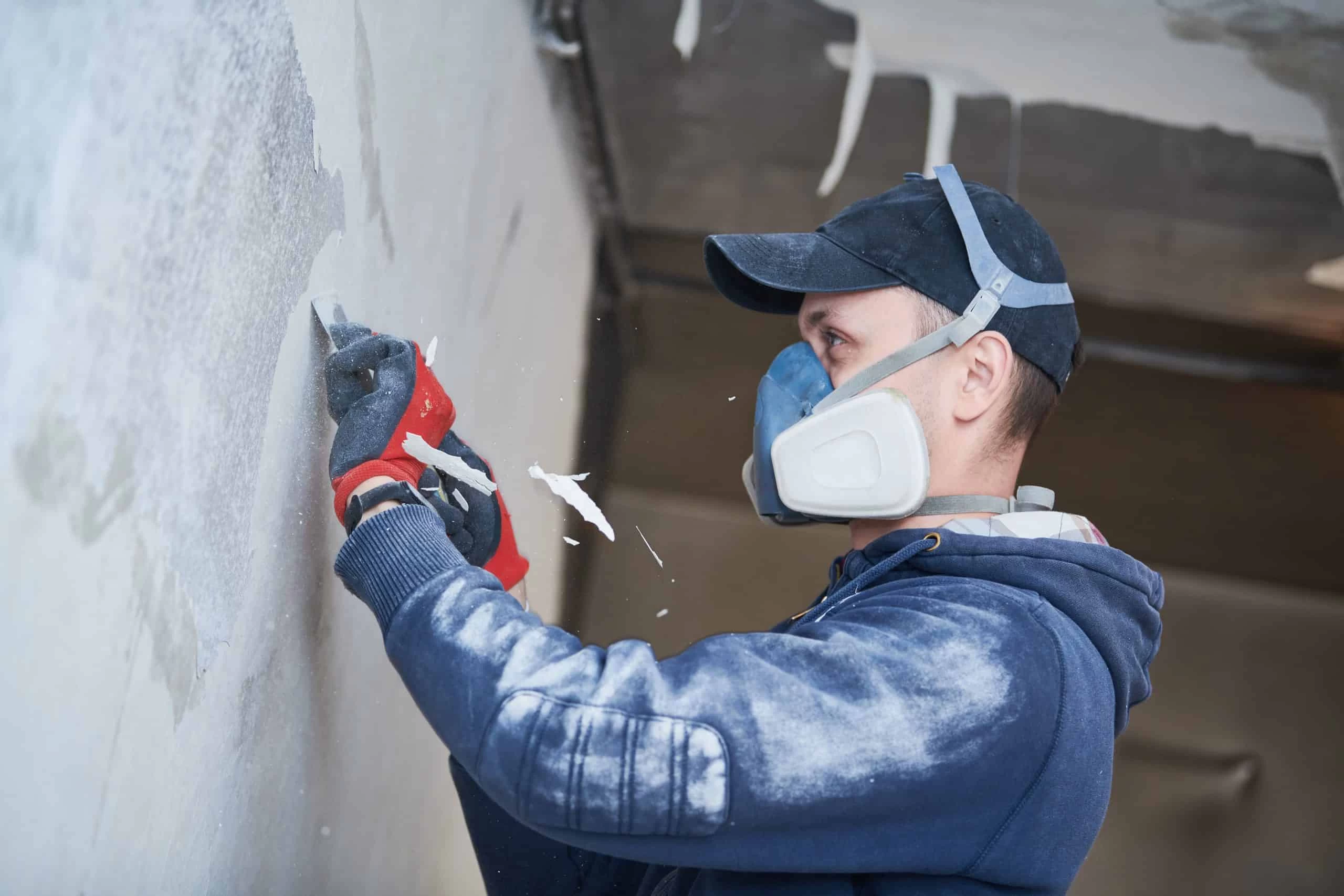
Professional smoke and soot removal involves HEPA vacuuming, chemical sponge treatment, and in some cases controlled demolition of materials that can’t be cleaned like heavily saturated insulation or damaged plaster. Odor neutralization goes beyond air fresheners: we use thermal fogging, hydroxyl generators, or ozone treatment depending on the situation, which eliminates odor at the molecular level rather than covering it. In a neighborhood as tightly built as Maspeth, where homes sit close together and families live in every room of the house, getting the odor fully out isn’t optional.
Can Maspeth's older homes be fully restored after a serious fire, or is demolition more likely?
In most cases, full restoration is possible and for a Maspeth homeowner with a multi-generational property, that’s usually the right outcome anyway. The older brick construction that defines most of Maspeth’s residential core is actually quite durable. Brick doesn’t burn the way wood-frame structures do, which means the envelope of the home often remains intact even after a serious interior fire.
What typically determines whether restoration or demolition makes more sense is the extent of structural damage, the condition of load-bearing elements, and whether hazardous materials like asbestos-containing insulation found in many pre-1980 Queens homes were disturbed during the fire. We assess all of that in the initial inspection and give you a straight answer about what the building can support. If full restoration is viable, we pursue it. If certain sections need to come down and be rebuilt, we tell you that clearly and explain why because you deserve to make that decision with accurate information, not optimism.