Your East Hampton North Renovation Doesn't Wait Neither Should Your Abatement
If your contractor stopped work or your inspector flagged something, you need answers fast. Green Island Group provides licensed asbestos abatement in East Hampton North with full NYS compliance and zero guesswork on your end.
I needed a professional consultation explanation of procedure for safe removal of Asbestos in my apartment complex. Without having an account yet, I was very impressed with the caring, knowledgeable and generous advice offered by Jessica, and will look forward to doing business in the future. Thank you so much! I feel much more informed about a sometimes scary endeavor. Peace. Nancy Silva Mineola, NY.
Mia Munoz
Used this company to clean up some water flood in my house. They were fast and easy to work with.very professional, Would recommend to anyone!
Nini Valle
Great company, had a flood and they responded quickly and efficiently. Billed my insurance company directly. I highly recommend this company!
joe colapietro, jr
I had pipe freeze in my basement right before a snow storm and they made to within an hour to help start the clean up process. They we by our side throughout the entire process and even helped with the insurance company. They did such a great job with the cleanup, repair, remidiation, I contracted them to perform the repairs and finishes in the basement. They came with enough manpower and material to get the job done. Leo and Jessica were nothing but a pleasure to deal with!!
Cristian Arredondo c
I had some water damage in my home and Green Island was able to take care of my issue quickly and effectively. I am very pleased with the work they did. They responded quickly and were very professional.
Michael M
Outstanding service! From the office to the field crew everyone was friendly, helpful and responsive. I highly recommend Green Island Group.
East Hampton North is full of homes built before 1980 ranch houses, mid-century cottages, older colonials that have been passed down or picked up as renovation projects. Those homes were built with materials we now know contain asbestos: floor tiles, pipe wrap, popcorn ceilings, roofing, siding, joint compound. When you start pulling things apart, that becomes your problem fast.
The difference between a clean project and a stopped one is whether asbestos was handled correctly before work began. When it’s done right, you have documentation, clearance, and a green light to move forward. No liability hanging over your head, no contractor walking off the job, no deal falling apart at closing because someone flagged it in the inspection report.
In a market where the median home value is pushing $925,000, the cost of cutting corners on asbestos abatement isn’t just a health risk it’s a financial one. East Hampton North homeowners are renovating high-value properties on tight seasonal timelines. Getting abatement handled properly the first time protects your investment, your timeline, and anyone living or working in that space.
Asbestos Remediation Contractor East Hampton North
We Know East Hampton North and the South Fork
We’ve been serving Suffolk County for years, including communities across the East End Springs, Amagansett, Wainscott, and the broader East Hampton North corridor. This isn’t a company driving out from Nassau County and figuring it out when we arrive. We know the housing stock in East Hampton North, the types of materials that show up in pre-1970s South Fork homes, and how the Town of East Hampton’s building department handles permits and notifications.
We’re NYS DOL licensed under Industrial Code Rule 56, and every worker on every job is NYS DOH certified. That’s not a marketing point it’s the legal baseline for doing this work in New York, and it’s what protects you when the project is done and the paperwork needs to hold up.
When you call us, you’re getting a team that handles the full process: inspection, permits, removal, disposal, and clearance documentation. You don’t have to manage any of it.
From Suspected Material to Cleared Site Here's What We Handle
It starts with an inspection. A certified asbestos inspector comes to your property, identifies suspect materials, and takes samples for lab analysis. You’ll know within a short turnaround whether asbestos is present, where it is, and what category of abatement is required under NYS regulations. No assumptions, no guessing just confirmed results.
If abatement is needed, we handle the permit filing with the Town of East Hampton building department and submit the required project notification to the NYS Department of Labor before any work begins. This step matters. Skipping it isn’t just a paperwork problem it can halt your entire project and expose you to violations. We take care of it so you don’t have to navigate it alone.
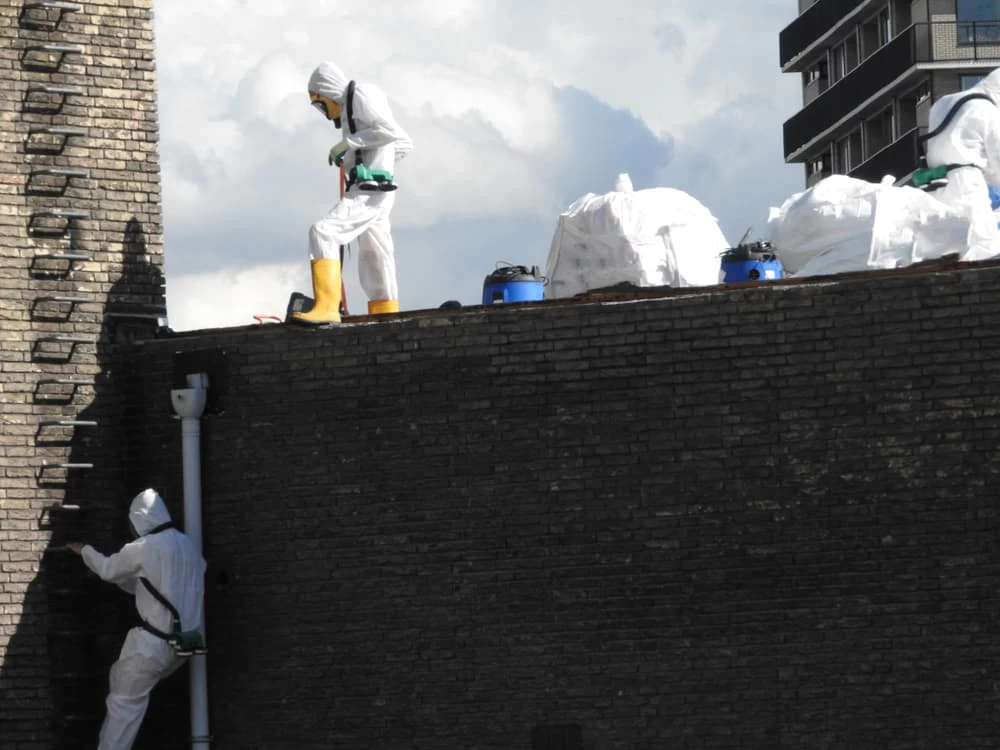
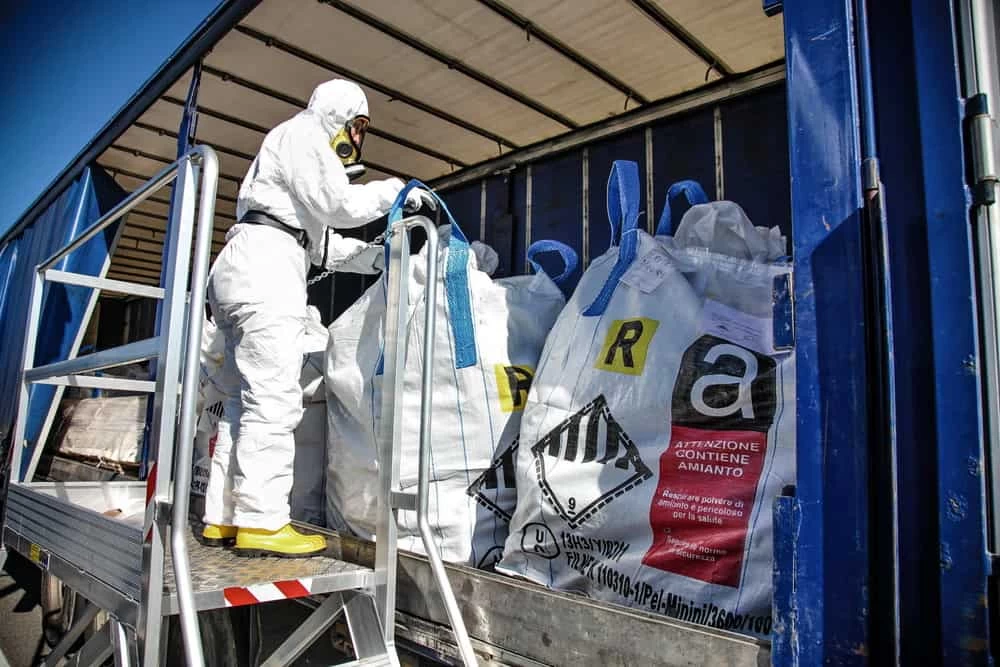
On the job itself, we set up full containment, run negative air pressure with HEPA filtration, and remove the materials according to ICR 56 standards. Disposal goes to an approved Suffolk County facility, and every load is documented with a waste manifest. Once removal is complete, an independent third-party air clearance test confirms the space is clean. That clearance report is yours to keep for your contractor, your real estate attorney, or your own records.
Asbestos Removal and Tile Removal East Hampton North NY
Built for the Materials Common in East Hampton North Homes
The homes in East Hampton North were built across multiple decades, and the asbestos-containing materials in them reflect that. Vinyl asbestos floor tiles often found under newer flooring layers in post-war ranch homes are one of the most common findings we run into during renovation projects in East Hampton North. The mastic adhesive underneath those tiles frequently contains asbestos too, which is something a lot of homeowners don’t realize until it’s flagged.
Asbestos popcorn ceiling removal is another frequent job on the South Fork. Popcorn texture was standard through the late 1970s, and it turns up constantly in homes that are being updated to current standards. We test before we touch anything, set up proper containment, and remove it correctly not the wet-scrape shortcut that unlicensed contractors sometimes offer.
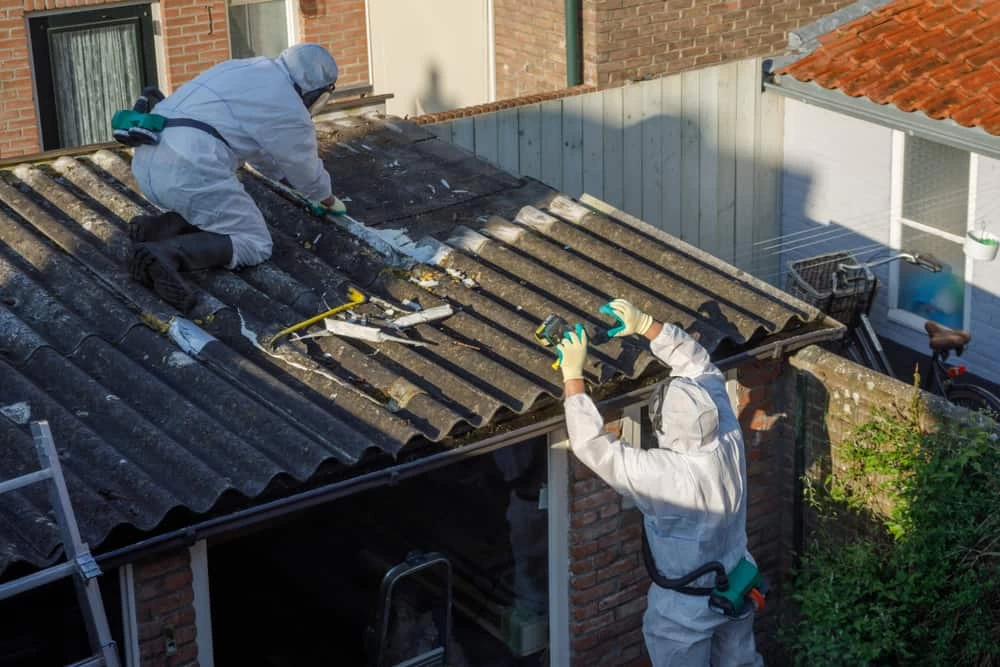
Beyond tiles and ceilings, we handle pipe insulation, boiler wrap, attic insulation, roofing shingles, and asbestos siding all materials that appear regularly in the housing stock throughout East Hampton North. If you’re doing a gut renovation, a kitchen remodel, or even just finishing a basement in an older East Hampton North home, there’s a real chance you’ll encounter more than one of these materials. We assess the full scope upfront so nothing surprises you mid-project.
Do I need an asbestos inspection before renovating my East Hampton North home?
In New York State, any renovation or demolition project that could disturb asbestos-containing materials requires a pre-disturbance asbestos survey by a certified inspector before work begins. This isn’t optional it’s a legal requirement under NYS Industrial Code Rule 56, and skipping it can stop your project cold and trigger violations for both you and your contractor.
For homes in East Hampton North, this matters more than most people expect. A large portion of the housing stock here was built before 1980, which means floor tiles, pipe insulation, popcorn ceilings, and even some siding materials may contain asbestos. Your contractor may not be able to legally proceed without documentation confirming the materials have been assessed. Getting the inspection done upfront is the fastest way to keep your renovation moving on schedule.
What happens if my contractor finds asbestos during a renovation in East Hampton North?
If suspect materials are discovered mid-project, work in that area needs to stop until the materials are tested and, if necessary, properly abated. This is the point where a lot of homeowners feel stuck the project is open, the timeline is at risk, and suddenly there’s a compliance process they weren’t expecting.
The good news is that this is a solvable problem with the right contractor. We can mobilize quickly, get samples to the lab, and if abatement is confirmed, file the required notifications with the NYS DOL and the Town of East Hampton building department. In the East Hampton North area, where renovation timelines are often tied to the summer season, speed matters. We understand that and work to minimize the disruption to your project as much as the process allows.
How long does asbestos abatement typically take for a residential project?
For a standard residential abatement say, asbestos floor tile removal in a kitchen or a popcorn ceiling in a couple of rooms the actual removal work typically takes one to three days once permits and notifications are in place. The full timeline from initial inspection to final clearance is usually one to two weeks, depending on lab turnaround, permit processing, and project scope.
The Town of East Hampton building department handles permit requirements for abatement work in East Hampton North, and the NYS DOL requires advance notification before work begins. These steps add time to the front end of the process, which is why it’s worth calling sooner rather than later especially if you’re working toward a seasonal deadline. We handle all of that coordination, so the timeline is as efficient as the regulations allow.
Can asbestos abatement affect a home sale or real estate transaction in East Hampton North?
Yes and it comes up more often than most buyers and sellers expect in this market. When a home inspector flags suspect materials in an older East Hampton North property, it can create real friction in the transaction. Buyers want documentation. Attorneys want clearance reports. And neither side wants to wait weeks for the issue to be resolved while the deal sits in limbo.
We provide complete documentation packages for every project pre-abatement inspection reports, project notifications, worker certifications, waste manifests, and post-clearance air quality test results. That paperwork is what satisfies the buyer, the lender, and the closing attorney. In a market where homes are trading near $925,000, having a clean abatement record with airtight documentation is not a minor detail. It’s what keeps the deal moving.
What types of asbestos-containing materials are most common in older South Fork homes?
The most common findings in pre-1980 homes along the South Fork include vinyl asbestos floor tiles and the mastic adhesive underneath them, pipe and boiler insulation, popcorn ceiling texture, asbestos siding shingles, and roofing materials. Attic insulation and joint compound are also found in homes from this era, though less frequently.
In East Hampton North specifically, the post-war ranch and cottage-style homes built between the 1940s and 1970s are the most likely candidates for multiple ACMs in a single structure. It’s not unusual to open up a renovation project and find floor tiles, pipe wrap, and a popcorn ceiling all in the same home. That’s why a thorough pre-renovation inspection matters it maps out everything at once so the abatement scope is clear before your contractor starts swinging a hammer.
Does coastal weather or storm damage in East Hampton North create asbestos risks?
It can. East Hampton North’s location on the South Fork means it’s exposed to nor’easters, coastal storms, and the kind of sustained humidity that accelerates the deterioration of older building materials. When storm damage cracks or breaks asbestos-containing roofing, siding, or pipe insulation, those materials can release fibers if disturbed without proper containment even during what looks like a routine cleanup or repair.
If your property took storm damage and you’re dealing with a pre-1980 structure, it’s worth having the affected materials assessed before any repair or demolition work begins. We handle emergency abatement response, and acting quickly in those situations matters both for the health of anyone on or near the property, and to stay on the right side of NYS DOL notification requirements, which apply regardless of whether the disturbance was planned or caused by a storm.