When Your Trainsmeadow Home Needs More Than a Cleanup
Fire damage in a Trainsmeadow home goes deeper than what you can see we handle the full restoration, from smoke and soot to structural repair, so you’re not left guessing what comes next.
I needed a professional consultation explanation of procedure for safe removal of Asbestos in my apartment complex. Without having an account yet, I was very impressed with the caring, knowledgeable and generous advice offered by Jessica, and will look forward to doing business in the future. Thank you so much! I feel much more informed about a sometimes scary endeavor. Peace. Nancy Silva Mineola, NY.
Mia Munoz
Used this company to clean up some water flood in my house. They were fast and easy to work with.very professional, Would recommend to anyone!
Nini Valle
Great company, had a flood and they responded quickly and efficiently. Billed my insurance company directly. I highly recommend this company!
joe colapietro, jr
I had pipe freeze in my basement right before a snow storm and they made to within an hour to help start the clean up process. They we by our side throughout the entire process and even helped with the insurance company. They did such a great job with the cleanup, repair, remidiation, I contracted them to perform the repairs and finishes in the basement. They came with enough manpower and material to get the job done. Leo and Jessica were nothing but a pleasure to deal with!!
Cristian Arredondo c
I had some water damage in my home and Green Island was able to take care of my issue quickly and effectively. I am very pleased with the work they did. They responded quickly and were very professional.
Michael M
Outstanding service! From the office to the field crew everyone was friendly, helpful and responsive. I highly recommend Green Island Group.
A fire leaves more than char marks. Smoke works its way into plaster walls, hardwood floors, attic insulation, and the HVAC system and in the mid-century homes that make up most of Trainsmeadow, those materials absorb odor and soot in ways that surface cleaning simply won’t fix. What you need isn’t a crew that wipes things down. You need someone who understands what’s actually happening inside the walls of a 1950s Trainsmeadow home.
The water used to put out the fire is its own problem. In Trainsmeadow’s humid summers where indoor moisture levels climb fast that water creates the conditions for mold growth within 24 to 48 hours. A restoration process that doesn’t address drying and dehumidification from the start isn’t a full restoration. It’s a delayed second problem.
When the work is done right, you get your home back not a patched version of it. Smoke smell gone. Structure sound. Electrical assessed. Documentation in order for your insurance claim. That’s the outcome worth working toward, and it’s the only standard worth accepting for a property in this part of Queens.
Local Knowledge of Trainsmeadow's Housing Stock and NYC Requirements
We serve Trainsmeadow and the surrounding eastern Queens corridor including the Fresh Meadows and Hollis Hills neighborhoods that border it. We know this area: the housing stock, the street layouts, the way older homes in Trainsmeadow are built, and what it takes to restore them properly under New York City’s building code requirements.
We’re not a national chain dispatching crews from outside the borough. When you call, you’re working with a team that regularly operates in Trainsmeadow and Queens, understands NYC Department of Buildings permit requirements, and knows how to navigate the insurance process in a market where home values regularly exceed $900,000. That familiarity matters when the stakes are this high.
Every job receives the same level of documentation, care, and process whether it’s a kitchen fire in a semi-detached home off Union Turnpike or more extensive structural damage. You get consistent, accountable work from people who know what they’re doing in this specific environment.
It starts with an emergency response. The first call gets our crews moving for board-up, tarping, and stabilization because the first 24 to 72 hours after a fire determine how much secondary damage you’re dealing with down the road. Soot acids begin etching surfaces quickly. Moisture from firefighting starts its work just as fast. Speed here is not a sales pitch. It’s just how restoration science works.
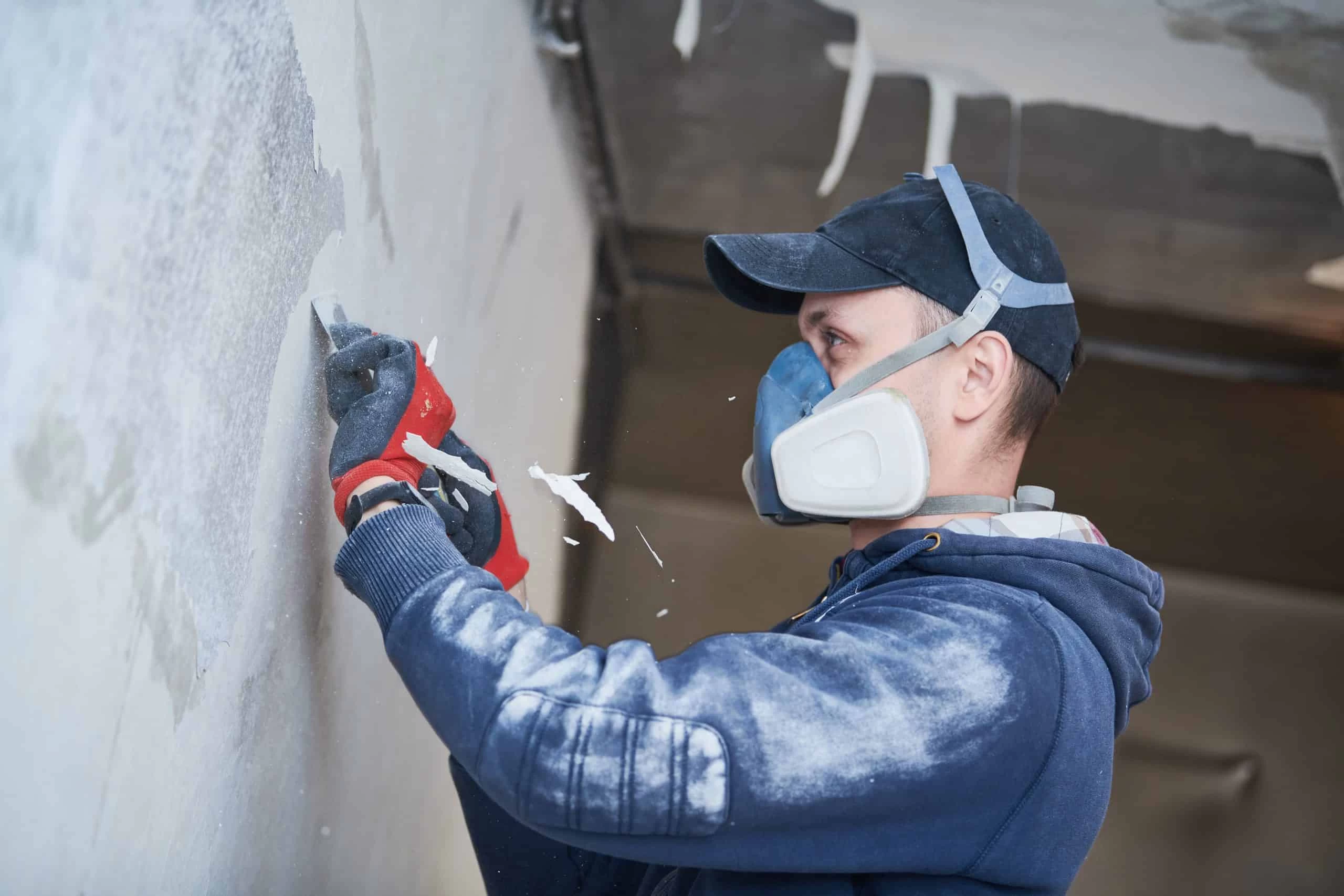
Once the property is secured, the full assessment begins. That means going beyond the visible damage checking inside walls, inspecting the HVAC system for smoke infiltration, evaluating structural integrity, and flagging anything that requires specialized handling. In Trainsmeadow’s older homes, that sometimes means identifying asbestos-containing materials in floor tiles or pipe insulation before any demolition work begins. NYC DEP requirements around asbestos abatement are not optional, and a restoration team that skips this step creates legal and health problems for the homeowner down the line.
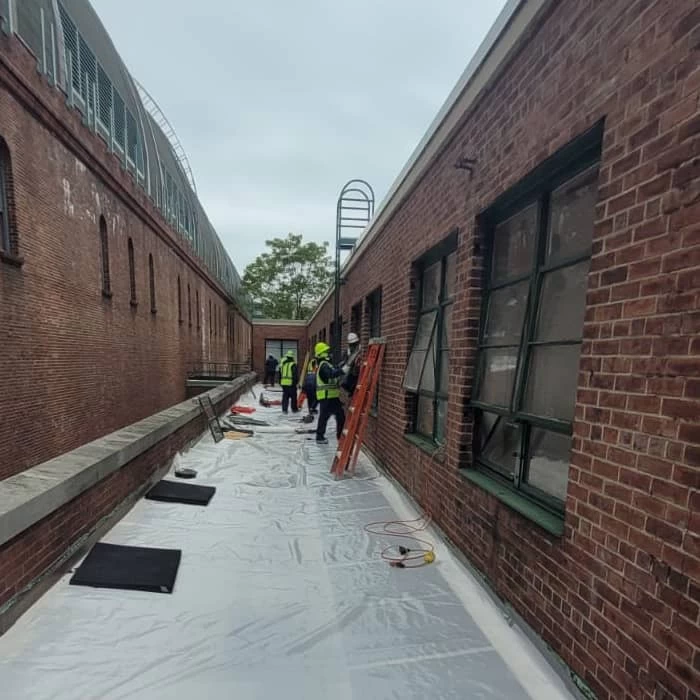
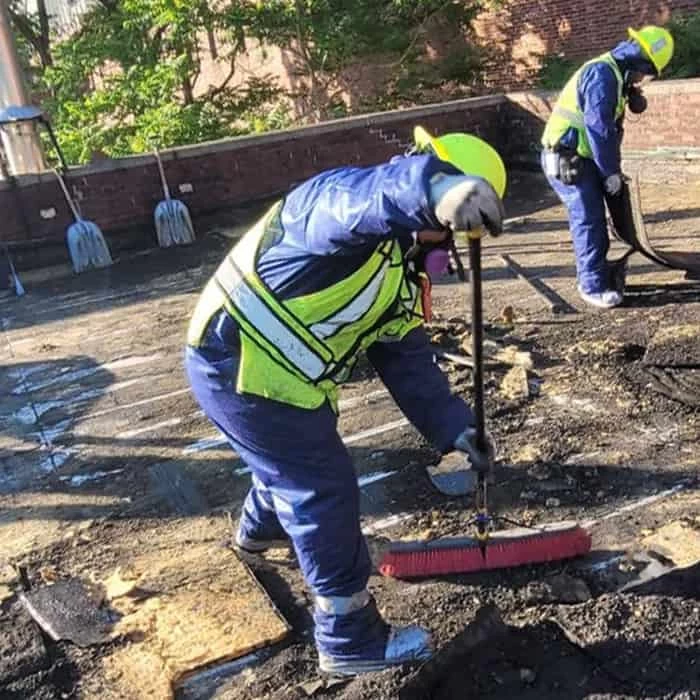
From there, the process moves through smoke and odor removal, water extraction and drying, contents cleaning, and structural repair with NYC DOB permits pulled for any work that requires them. Throughout, we document damage in a format that supports your insurance claim. You’re kept informed at every stage, so there are no surprises when the bill comes or when the adjuster shows up.
Fire damage restoration in a Trainsmeadow home isn’t a single task it’s a sequence of connected work that has to happen in the right order. Emergency board-up and tarping come first to protect the structure from weather and unauthorized entry. Then comes water extraction and professional drying, because the water applied during firefighting is actively damaging your home even after the flames are out. Smoke and soot removal follows using thermal fogging and hydroxyl treatment to neutralize odor at the molecular level, not mask it.
Structural assessment and repair covers everything from compromised framing and roofing to electrical system evaluation. Given that most homes in Trainsmeadow were built between the 1940s and 1960s, aging wiring and older panels are a real factor and any electrical restoration is handled by NYC-licensed electricians, as required by city code. We also offer contents cleaning and pack-out services for furniture, clothing, documents, and personal belongings that can be recovered with professional treatment.
Every phase of work is documented thoroughly photos, written assessments, line-item estimates in a format that supports insurance adjuster review. We work directly with carriers to help you get the full scope of necessary repairs covered. For Trainsmeadow homeowners protecting a significant long-term investment, that documentation process is as important as the physical work itself.
How quickly can fire damage restoration begin for a Trainsmeadow home?
We offer emergency response 24 hours a day, seven days a week including nights and weekends. Once you call, our goal is to have crews on-site for initial stabilization, board-up, and assessment as quickly as possible, because the damage timeline starts immediately after a fire. Soot begins chemically etching surfaces within hours. Moisture from firefighting water creates mold risk within one to two days, especially during Trainsmeadow’s humid summer months when indoor moisture levels rise fast.
The sooner the property is stabilized and drying begins, the smaller the total scope of damage and the smaller the final restoration cost. Waiting even a day or two to begin the process can turn a manageable restoration into a significantly more complex one. If you’ve just had a fire, calling immediately is the right move regardless of what time it is.
Will my homeowner's insurance cover fire damage restoration in Trainsmeadow, NY?
In most cases, yes standard homeowner’s insurance policies cover fire damage restoration, including structural repair, smoke and odor remediation, and contents cleaning. The key is documentation. Insurance carriers require detailed, itemized damage assessments before approving claim amounts, and the quality of that documentation directly affects how much you receive.
We work with insurance adjusters throughout the process providing photo documentation, written damage reports, and line-item estimates in the format adjusters expect. In Trainsmeadow, where restoration costs reflect the city’s labor rates and NYC DOB permit requirements, having a restoration team that understands how to present a claim accurately is genuinely valuable. Homeowners in this area are dealing with properties worth $900,000 or more a poorly documented claim can leave a significant gap between what the insurance pays and what the actual restoration costs.
Do I need NYC permits for fire damage repairs in Trainsmeadow?
Yes, for any structural work. New York City requires NYC Department of Buildings permits for repairs involving load-bearing elements, roof work, electrical system restoration, or plumbing. This applies to fire damage restoration just as it does to any renovation project. Working without the required permits creates problems with your insurance carrier, with future inspections, and with any eventual sale of the property.
We handle the permitting process as part of the restoration scope. That means pulling the correct DOB permits, coordinating licensed subcontractors where required (including NYC-licensed electricians for any electrical work), and ensuring the completed restoration meets current NYC building code not just pre-fire condition. For Trainsmeadow homeowners, this is one of the clearest differences between hiring a local team that operates within the city’s regulatory framework and hiring an out-of-area contractor who may not be familiar with NYC’s requirements.
What's the risk of mold after a house fire in Trainsmeadow, NY?
It’s a real risk, and it’s often underestimated. Firefighting involves significant water application and that water saturates walls, floors, insulation, and structural framing. In Trainsmeadow’s climate, where summer humidity regularly climbs above 70%, the conditions for mold growth can develop within 24 to 48 hours of a fire if drying doesn’t begin immediately.
Mold remediation after the fact is significantly more expensive and disruptive than preventing it in the first place. Professional drying and dehumidification using industrial equipment placed strategically throughout the affected structure is a standard part of our restoration process, not an add-on. Moisture readings are taken throughout the drying period to confirm that walls and structural materials have reached safe levels before any reconstruction begins. Skipping or rushing this step is one of the most common ways fire damage restoration goes wrong, and it’s one of the things worth asking any restoration company about directly before you hire them.
Does fire damage restoration in older Trainsmeadow homes involve asbestos concerns?
It can, and it’s worth knowing about before work begins. Most homes in Trainsmeadow were built between the 1940s and 1960s, and construction materials from that era commonly included asbestos in floor tiles, pipe insulation, ceiling texture, and certain drywall compounds. When a fire damages these materials or when restoration work requires removing or disturbing them New York City requires asbestos abatement by a licensed NYC DEP-certified contractor before that work proceeds.
This isn’t a minor procedural detail. Disturbing asbestos-containing materials without proper abatement creates health risks and legal liability for the homeowner. A restoration team working in Trainsmeadow should be prepared to identify potential asbestos-containing materials during the initial assessment and coordinate proper testing and abatement if needed. We flag these concerns early so the remediation plan accounts for them rather than discovering the issue mid-project and creating delays or unexpected costs.
How long does fire damage restoration typically take for a Trainsmeadow home?
It depends on the scope of damage, but most residential fire damage restorations in Trainsmeadow fall somewhere between two weeks and several months. A contained kitchen fire with limited smoke spread might be resolved in two to four weeks. More extensive damage compromised structural framing, widespread smoke infiltration throughout the home, or fire damage that triggered significant water damage can take longer, particularly when NYC DOB permits are part of the scope and inspections are required at various stages.
For Trainsmeadow homeowners, a few local factors can affect the timeline. Permit processing through the NYC Department of Buildings adds steps that aren’t present in suburban or out-of-city markets. If asbestos abatement is required, that adds time before certain demolition or reconstruction work can begin. The drying phase also can’t be rushed moisture readings have to confirm safe levels before walls are closed up. The honest answer is that a realistic timeline becomes clear after the initial assessment, and any company that gives you a firm completion date before seeing the full scope of damage is guessing.