When a Woodhaven Fire Leaves You Displaced, Here's What Happens Next
We handle fire damage restoration in Woodhaven from the first emergency call through the final walkthrough so you’re not left managing contractors, adjusters, and chaos alone.
I needed a professional consultation explanation of procedure for safe removal of Asbestos in my apartment complex. Without having an account yet, I was very impressed with the caring, knowledgeable and generous advice offered by Jessica, and will look forward to doing business in the future. Thank you so much! I feel much more informed about a sometimes scary endeavor. Peace. Nancy Silva Mineola, NY.
Mia Munoz
Used this company to clean up some water flood in my house. They were fast and easy to work with.very professional, Would recommend to anyone!
Nini Valle
Great company, had a flood and they responded quickly and efficiently. Billed my insurance company directly. I highly recommend this company!
joe colapietro, jr
I had pipe freeze in my basement right before a snow storm and they made to within an hour to help start the clean up process. They we by our side throughout the entire process and even helped with the insurance company. They did such a great job with the cleanup, repair, remidiation, I contracted them to perform the repairs and finishes in the basement. They came with enough manpower and material to get the job done. Leo and Jessica were nothing but a pleasure to deal with!!
Cristian Arredondo c
I had some water damage in my home and Green Island was able to take care of my issue quickly and effectively. I am very pleased with the work they did. They responded quickly and were very professional.
Michael M
Outstanding service! From the office to the field crew everyone was friendly, helpful and responsive. I highly recommend Green Island Group.
After a fire, the visible damage is only part of the problem. Smoke travels. It moves through wall cavities, settles into insulation, coats the inside of your HVAC system, and embeds itself in every porous surface in the house. If the cleanup stops at what you can see, the damage doesn’t.
This matters especially in Woodhaven, where a large portion of the housing stock was built before 1939. Victorian and Colonial frame homes over 120 years old the kind that line the streets near Forest Park were built with balloon-frame construction. That means fire and smoke can travel from the basement straight to the attic through open wall cavities, with nothing to stop it. A kitchen fire becomes a whole-house smoke problem faster than most people expect.
The other factor nobody talks about enough is moisture. Firefighting water soaks into wood framing, plaster walls, and subfloors. In New York City’s humid climate, mold can begin growing inside those wet cavities within 24 to 48 hours. Getting the structure dried out completely not just surface-dry is what separates a full recovery from a second remediation crisis down the road. When the job is done right, you get your home back. Not a version of it.
We’re a New York-based restoration company that works directly with homeowners and insurance carriers from start to finish. That means one point of contact from emergency board-up through final reconstruction not a cleanup crew that hands you off to a separate contractor once the soot is gone.
Woodhaven’s homes are not generic. The attached and semi-attached rowhomes along 75th Street, the two-story buildings near Jamaica Avenue, the older Colonials on the Forest Park side of the neighborhood they each have construction characteristics that affect how fire and smoke damage behaves and how restoration has to be approached. We understand that. Our work is done by people who know what a cockloft fire looks like in a Queens rowhouse, not by a franchise that sends a crew unfamiliar with the neighborhood.
Queens Community Board 9 falls under NYC DOB jurisdiction, which means every structural repair, electrical fix, and mechanical restoration requires proper permits. We work within that framework so your restoration is fully compliant and you can actually move back in.
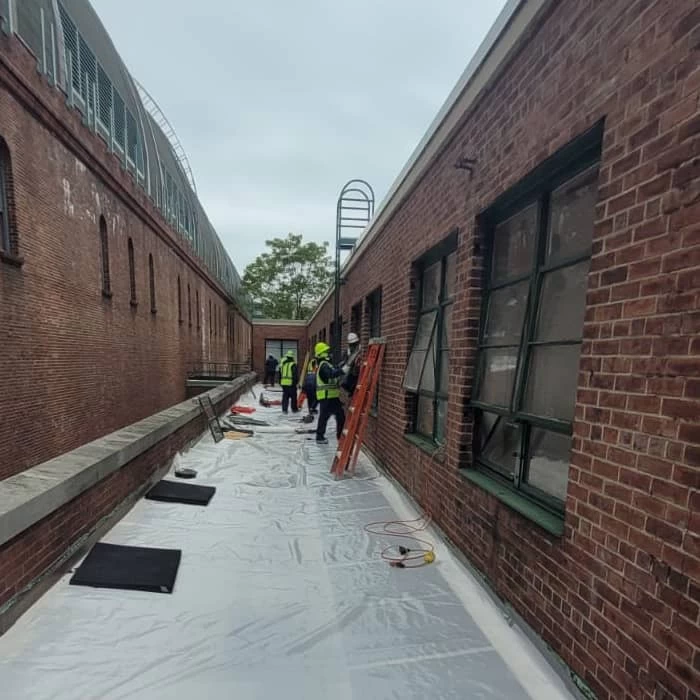
The first thing that happens after you call is an emergency response board-up, tarping, and structural stabilization to secure the property and stop secondary damage from getting worse. In Woodhaven’s attached housing, this step also protects neighboring units from exposure. The March 2026 fire on 75th Street that swept through three adjoining homes and displaced six households is a clear example of how quickly shared-wall structures can escalate. Containment matters from minute one.
Once the property is secured, we complete a full damage assessment not just the burn area, but smoke migration through wall cavities, water saturation from suppression efforts, and any structural compromise. This documentation is also what gets submitted to your insurance carrier. Thorough, detailed, written because adjusters pay what’s documented, not what’s assumed.
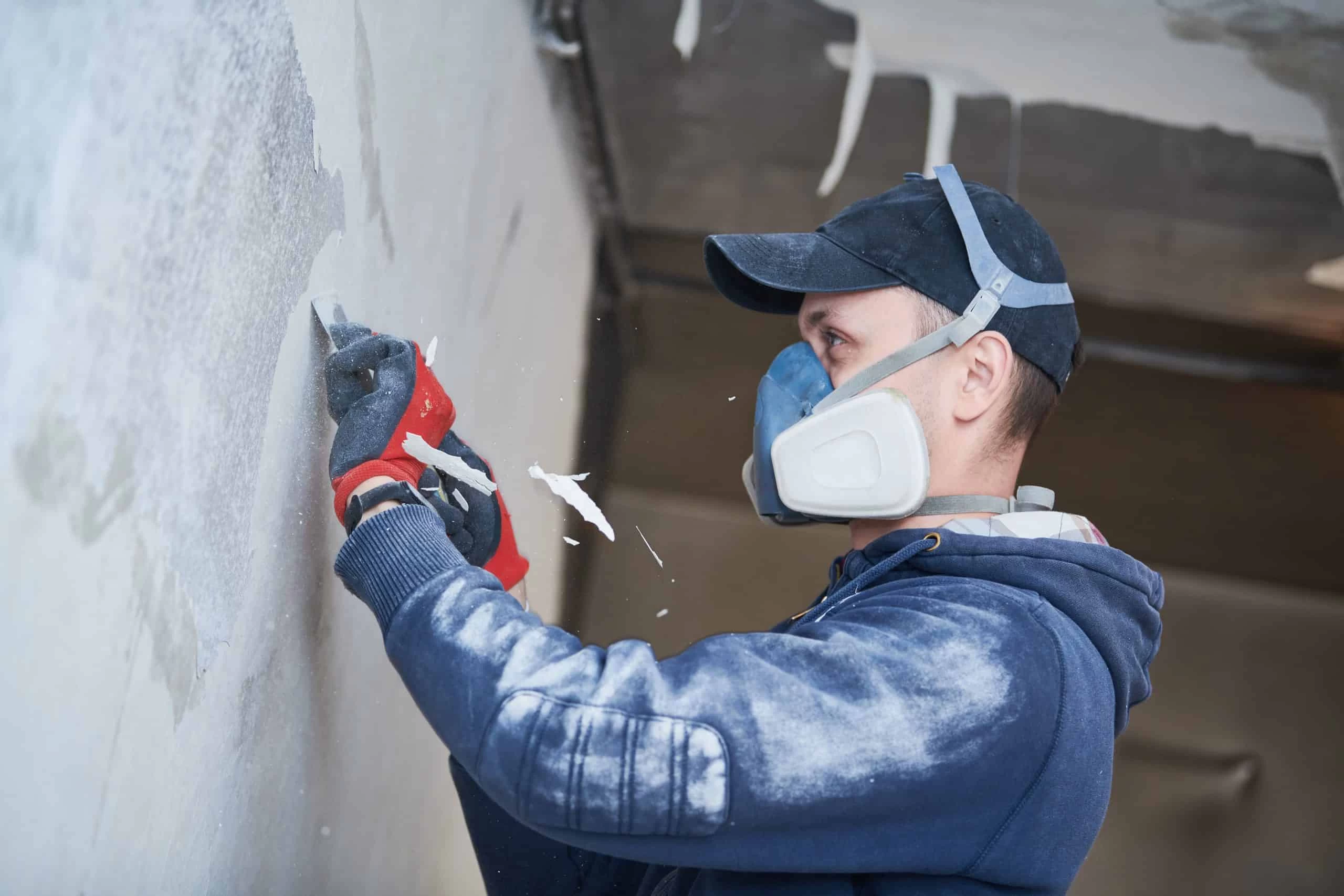
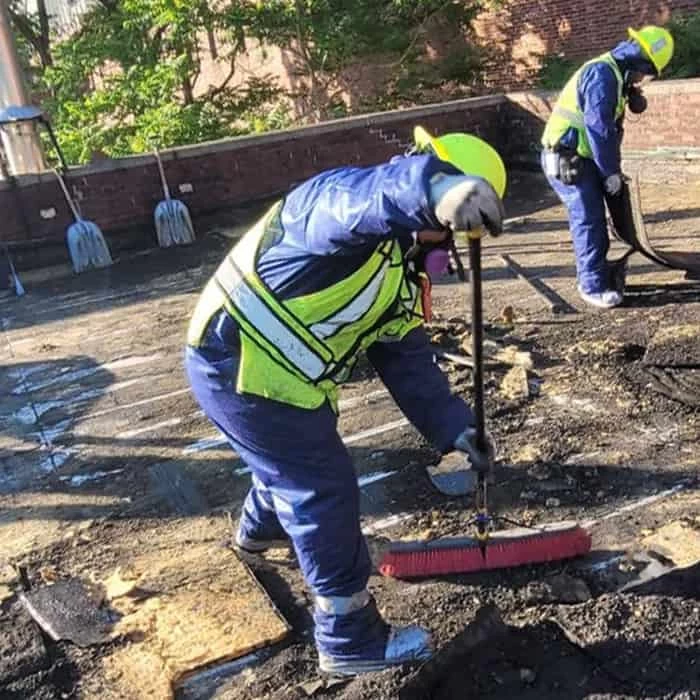
From there, the actual restoration work begins: smoke and soot removal from all surfaces, odor treatment using thermal fogging, content pack-out and cleaning, drying and mold prevention, and then full structural repair and reconstruction back to pre-loss condition. All permits required by the NYC Department of Buildings are handled as part of the process. You don’t have to chase down a separate contractor for the rebuild. It’s one job, one team, one company seeing it through.
Complete Fire and Smoke Restoration Built for Older Queens Homes
Fire damage restoration is not one service it’s a sequence of them. Emergency stabilization, smoke and soot removal, water extraction, odor neutralization, content handling, structural repair, and full reconstruction all have to happen in the right order, by people who understand how each phase affects the next. We cover all of it.
For Woodhaven specifically, a few things come up consistently. The older housing stock means balloon-frame and cockloft construction, which requires a more thorough smoke investigation than a newer home would. Smoke doesn’t just sit on surfaces in these homes it moves. The HVAC system, the wall cavities, the attic space all need to be assessed and treated, not assumed clean because they weren’t in the direct fire zone. Lithium-ion battery fires increasingly common in dense Queens neighborhoods where e-bikes and delivery scooters are everywhere leave chemical soot residues that require specialized treatment beyond standard cleanup. The December 2024 fire on 91st Avenue that displaced over 20 Woodhaven residents involved exactly this type of incident.
Insurance coordination is built into every job. We document damage in the format adjusters need, communicate directly with your carrier, and work to make sure the full scope of the damage is covered not just what’s easy to see on day one. For homeowners in Woodhaven filing their first major claim, that guidance makes a real difference.
What should I do immediately after a fire in my Woodhaven home?
The first thing to do is make sure everyone is safe and let the FDNY do their job. Once the scene is cleared, do not re-enter the property until you’ve been told it’s safe and if the NYC Department of Buildings has issued a vacate order, that order has to be satisfied before anyone goes back in. That’s a real possibility in Woodhaven, where attached housing means a fire in one unit can result in vacate orders across multiple structures, as happened in the March 2026 fire on 75th Street.
Once you have access, call your insurance carrier to report the claim and call a restoration company immediately. Every hour that passes without professional intervention allows smoke and soot to continue corroding surfaces, and in New York City’s humidity, moisture from firefighting water can begin producing mold within 24 to 48 hours. The faster the response, the more of your home and your belongings can be saved. We’re available around the clock because fire damage doesn’t wait for business hours.
Will my homeowner's insurance cover fire damage restoration costs in New York?
In most cases, yes homeowner’s insurance covers fire damage restoration, including smoke cleanup, structural repairs, content loss, and temporary housing while the work is being done. But what actually gets paid depends heavily on how the damage is documented and how the claim is filed. Insurance carriers pay what’s in the claim, and adjusters don’t always catch everything on a first walkthrough especially hidden smoke damage inside wall cavities or HVAC systems, which is common in Woodhaven’s older homes.
Working with a restoration company that documents damage thoroughly and communicates directly with your adjuster makes a significant difference in the outcome of your claim. We provide written damage assessments and photographic documentation in the format carriers need, and we work directly with adjusters throughout the process. For many Woodhaven homeowners filing their first major claim, having someone in their corner who understands the process and won’t let hidden damage go undocumented is what makes the difference between a full recovery and an out-of-pocket shortfall.
How long does fire damage restoration take for a Queens rowhouse or attached home?
The timeline depends on the extent of the damage, but for a typical Woodhaven rowhouse or semi-attached home, fire damage restoration generally takes anywhere from a few weeks for contained damage to two to four months for a fire that reached the cockloft or caused significant structural damage. The construction type matters here. Balloon-frame homes and attached rowhomes the dominant housing style in Woodhaven tend to have more extensive smoke migration than newer construction, which adds time to the cleanup and assessment phases.
NYC DOB permit requirements also factor into the timeline. Any structural repair, electrical work, or mechanical system restoration in New York City requires a permit, and the permitting and inspection process adds steps that don’t exist in other states or outside the five boroughs. We handle the permit filings as part of the job, but homeowners should understand that the city’s process has its own timeline. The goal is always to move as efficiently as possible without cutting corners that would fail inspection or leave hidden damage behind.
What is a cockloft fire, and why does it matter for Woodhaven properties?
A cockloft is the open space between the top-floor ceiling and the roof in an attached or semi-attached building. In many of Woodhaven’s older rowhouses and two-story buildings, this space runs continuously across multiple units without firebreaks meaning a fire that reaches the cockloft can spread horizontally through the roof structure of several homes at once, even if the original fire was contained to one unit.
The August 2024 three-alarm fire at 90-16 80th Street in Woodhaven was explicitly attributed to flames in the cockloft, and it required 33 units and 138 FDNY and EMS personnel to bring under control. For restoration purposes, a cockloft fire means the damage assessment has to go beyond the unit where the fire started. Neighboring units need to be inspected for smoke infiltration, structural compromise, and water damage from suppression efforts even if they show no visible fire damage. We’re familiar with this construction type and conduct assessments that account for how fire actually behaves in Woodhaven’s attached housing stock, not just how it looks from the outside.
Can fire damage from an e-bike or lithium-ion battery be restored like a regular house fire?
Lithium-ion battery fires are different from standard house fires in a few important ways. They burn at significantly higher temperatures, they can reignite even after appearing extinguished, and they leave behind chemical soot residues that are more corrosive and harder to remove than the byproducts of a typical wood or fabric fire. The cleanup process requires specialized treatment standard soot removal methods aren’t sufficient for the chemical compounds these fires produce.
This is increasingly relevant in Woodhaven and throughout working-class Queens, where e-bikes and delivery scooters are common and are frequently charged indoors. The December 2024 fire at 86-06 91st Avenue in Woodhaven which displaced more than 20 residents involved a recovered e-bike and lithium-ion battery. FDNY recorded 277 lithium-ion battery fires citywide in 2024 alone. If your fire involved a battery, make sure the restoration company you hire has specific experience with chemical soot remediation and air quality testing, not just general fire cleanup. We’re equipped to handle the full scope of what these fires leave behind.
Does Green Island Group serve all of Woodhaven, including areas near Richmond Hill and Ozone Park?
Yes we serve all of Woodhaven, including the northern section near Forest Park and Park Lane South, the Jamaica Avenue corridor near the J and Z train stations, and the southern end of the neighborhood near Atlantic Avenue and the Ozone Park border. The surrounding communities of Richmond Hill, Glendale, Middle Village, Kew Gardens, and Ozone Park are also part of our service area.
Woodhaven’s location at the intersection of several Queens neighborhoods means that fires don’t always stay neatly within one address especially in attached housing where a fire can cross property lines quickly. We respond to the full affected area, not just the address where the fire started. Whether you’re on the Forest Park side of the neighborhood in a Victorian home over a century old or in a two-family house near Jamaica Avenue, the response, the process, and the standard of work are the same. One call gets the whole job handled.