When Woodside's Attached Homes Burn, the Damage Doesn't Stop at One Wall
Fire damage in Woodside moves fast through shared walls, cocklofts, and aging ductwork. We respond 24/7 with full fire damage restoration service so you can stop the loss before it compounds.
I needed a professional consultation explanation of procedure for safe removal of Asbestos in my apartment complex. Without having an account yet, I was very impressed with the caring, knowledgeable and generous advice offered by Jessica, and will look forward to doing business in the future. Thank you so much! I feel much more informed about a sometimes scary endeavor. Peace. Nancy Silva Mineola, NY.
Mia Munoz
Used this company to clean up some water flood in my house. They were fast and easy to work with.very professional, Would recommend to anyone!
Nini Valle
Great company, had a flood and they responded quickly and efficiently. Billed my insurance company directly. I highly recommend this company!
joe colapietro, jr
I had pipe freeze in my basement right before a snow storm and they made to within an hour to help start the clean up process. They we by our side throughout the entire process and even helped with the insurance company. They did such a great job with the cleanup, repair, remidiation, I contracted them to perform the repairs and finishes in the basement. They came with enough manpower and material to get the job done. Leo and Jessica were nothing but a pleasure to deal with!!
Cristian Arredondo c
I had some water damage in my home and Green Island was able to take care of my issue quickly and effectively. I am very pleased with the work they did. They responded quickly and were very professional.
Michael M
Outstanding service! From the office to the field crew everyone was friendly, helpful and responsive. I highly recommend Green Island Group.
After a fire, most people focus on the visible damage the charring, the debris, the room that took the worst of it. What’s harder to see is what’s already spreading behind the walls, through the ductwork, and into the floors of the unit next door. In Woodside, where row homes and two-family houses share walls and cockloft spaces, fire rarely stays contained to a single room. By the time FDNY clears the scene, the real scope of damage is usually bigger than it looks.
Done right, fire damage restoration means your home doesn’t just look repaired it actually is. Smoke odor is gone, not masked. Soot is removed from inside wall cavities and HVAC systems, not just wiped off surfaces. The water that firefighters used to suppress the fire which starts creating mold within 24 to 48 hours is extracted and dried completely. That’s the difference between a home that holds its value and one that quietly deteriorates for years after the fire is out.
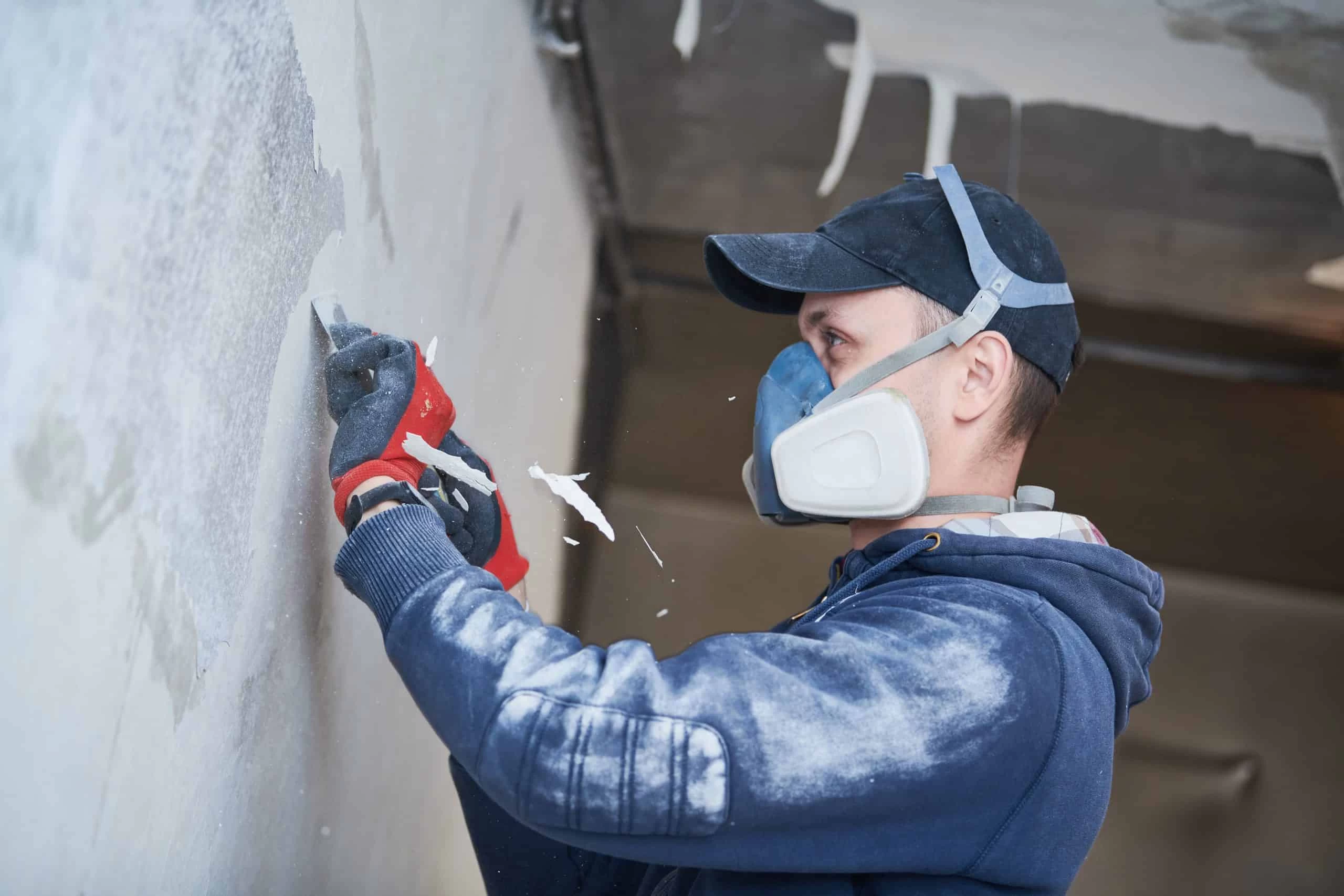
For Woodside homeowners specifically, there’s another layer that matters: older pre-war construction. Most homes here predate 1978, which means fire damage restoration frequently intersects with asbestos-containing materials and lead paint. Disturbing those materials without proper protocols isn’t just a health risk it’s a liability. The right restoration process accounts for all of it, from the first walkthrough to the final inspection.
We Know Woodside's Housing Stock Because We Work Here
We serve Woodside as a local operation not as a franchise dispatching crews who’ve never been to Roosevelt Avenue. We know what Woodside’s housing stock looks like. We understand the difference between a pre-war attached wood-frame on 59th Street and a low-rise apartment building off Queens Boulevard, and we assess fire damage accordingly.
That local familiarity matters more than most people realize. When a fire spreads through a cockloft in a Woodside row home, the damage pattern is specific to that construction type. When a landlord needs to coordinate restoration across multiple units while tenants are displaced, the process is different from a single-family suburban job. We’ve handled both and we understand the New York City DOB permit requirements, the asbestos and lead paint considerations in older Queens buildings, and the insurance documentation process that Woodside homeowners need to navigate.
You’re not getting a call center. You’re getting a team that knows this neighborhood and shows up ready to work.
What Happens From the First Call to the Final Walkthrough
The first step is the assessment, and it happens fast. When you call, we dispatch a team to evaluate the full scope of damage not just what’s visible, but what’s hidden in wall cavities, subfloors, and HVAC systems. In Woodside’s older attached homes, that assessment includes checking for fire spread through shared cockloft spaces, identifying suppression water intrusion, and flagging any potential asbestos or lead paint concerns in pre-1978 construction. You get a clear picture of what you’re actually dealing with before any work begins.
From there, we handle the insurance side in parallel with the physical work. We document the loss with the level of detail insurance adjusters require itemized, photographed, and organized. For many Woodside homeowners, this is the part of the process that feels most overwhelming, and it’s where having someone who knows how to communicate with carriers makes a real difference. We coordinate directly with your adjuster so you’re not playing middleman between your home and your claim.
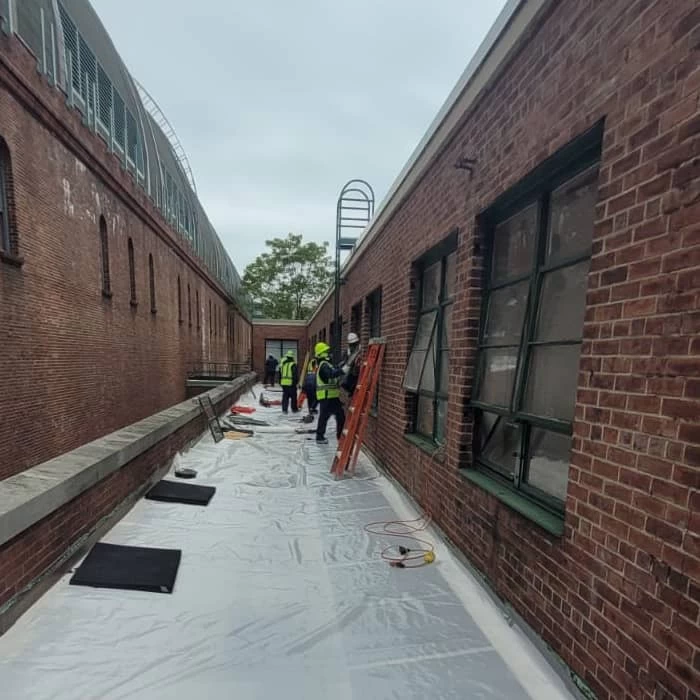
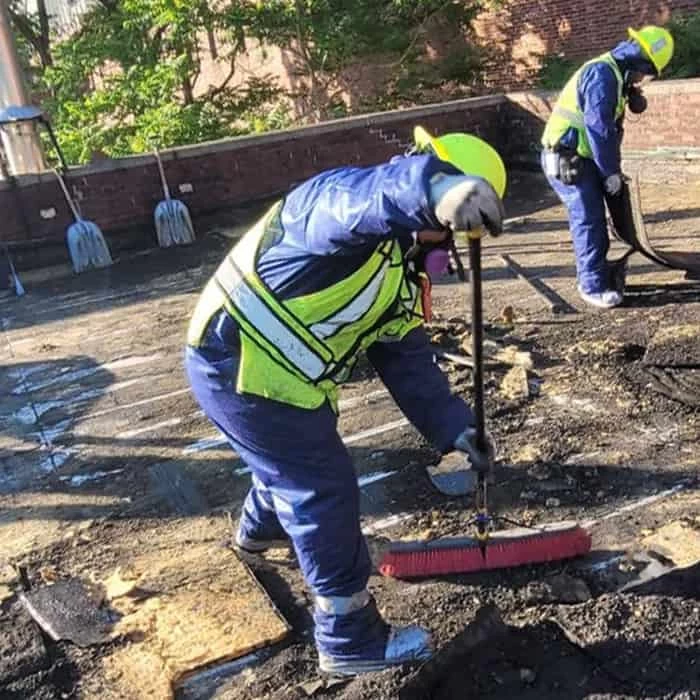
The restoration itself moves in a logical sequence: structural stabilization and board-up if needed, water extraction and drying from firefighting suppression, smoke and soot removal using professional-grade equipment, odor elimination at the molecular level not surface sprays and then the rebuild. If your property requires NYC DOB permits for structural or systems work, we pull them and schedule the required inspections. The job isn’t done until the final walkthrough confirms everything meets code and your home is genuinely livable again.
Fire damage restoration in Woodside isn’t a single task it’s a sequence of interconnected services that have to happen in the right order. Emergency board-up and property securing come first to protect your home from weather and unauthorized entry while restoration is underway. Water extraction and structural drying follow immediately, because the suppression water FDNY uses to fight a fire creates a mold window that opens within 24 to 48 hours. In Woodside’s dense residential blocks, where a two-alarm fire can draw over 100 firefighters, that’s a significant volume of water entering walls and floors.
Smoke and soot removal goes well beyond wiping down surfaces. In the older wood-frame and brick construction common throughout Woodside along blocks like 48th Avenue, 59th Street, and the residential streets off Woodside Avenue smoke penetrates wall cavities, travels through aging ductwork, and embeds in structural framing. We use hydroxyl generators, thermal fogging, and HEPA air scrubbing to eliminate contamination at the source. Content pack-out and secure storage is available for salvageable belongings while the work is in progress, which matters especially for families with irreplaceable items or home-based business equipment.
For properties with asbestos or lead paint which describes most of Woodside’s pre-1978 housing stock we coordinate certified abatement as part of the restoration scope, not as an afterthought. And because this is New York City, every structural repair, electrical modification, or significant alteration goes through the proper NYC DOB permit and inspection process. You won’t be left holding a completed job that fails a city inspection six months later.
How quickly can fire damage restoration begin at a Woodside, NY property?
We operate 24/7, which means we can begin the assessment and emergency stabilization process as soon as FDNY clears the scene day or night. In Woodside, where fires in attached row homes and multi-unit buildings can displace multiple families at once, getting on-site quickly isn’t just about your property. It’s about stopping secondary damage suppression water, open structural exposure, and smoke spread before it reaches adjacent units or the building next door.
The first visit covers a full damage assessment, emergency board-up if needed, and the start of water extraction if firefighting suppression water is present. We don’t wait for insurance approval to begin stabilization. Protecting the property from further loss is the first priority, and documentation for your claim runs in parallel from the moment we arrive.
Will fire damage restoration in my older Woodside home uncover asbestos or lead paint?
It’s a legitimate concern, and one that comes up regularly in Woodside. The majority of residential buildings in the neighborhood predate 1978, which means fire damage restoration frequently intersects with asbestos-containing materials floor tiles, pipe insulation, ceiling texture, and certain drywall compounds as well as lead paint in older wall and trim finishes. When fire or suppression water disturbs these materials, it triggers specific regulatory requirements under New York City’s Department of Environmental Protection guidelines.
During the initial assessment, our team flags any areas where hazardous materials may be present based on the building’s construction era and the scope of the damage. If asbestos or lead paint testing is warranted, we coordinate certified testing and, if needed, licensed abatement as part of the overall restoration scope. This isn’t an add-on it’s a required step for doing the job correctly in an older Queens building, and skipping it creates real health and legal exposure for the property owner.
Does fire restoration cover the smoke smell, or just the visible damage?
Smoke odor is one of the most persistent and underestimated parts of fire damage, and surface cleaning alone doesn’t eliminate it. In Woodside’s older construction pre-war wood-frame homes and brick row houses with aging ductwork and less airtight wall assemblies smoke penetrates deep into structural cavities, subfloor materials, and HVAC systems. A home that looks clean but still smells like smoke has an incomplete restoration, and that odor will return, especially in humid weather.
Proper odor elimination uses equipment like hydroxyl generators, thermal foggers, and HEPA air scrubbers that neutralize smoke compounds at the molecular level rather than masking them. We also inspect and clean HVAC ductwork, since smoke travels through shared systems in multi-unit Woodside buildings and can affect units that weren’t directly involved in the fire. The goal is a result that holds up not one that fades within a few weeks.
How does the insurance claim process work during fire damage restoration?
Most fire damage restoration in Woodside is paid through homeowner’s or renter’s insurance, and the claim process is where a lot of people feel the most lost. Insurance carriers require detailed, itemized documentation of every item and structure affected not a general description, but a specific, photographed, and categorized record of the loss. Without that documentation, claims get underpaid or delayed.
We handle the documentation side as part of the restoration process. We prepare the loss assessment in the format adjusters expect, coordinate directly with your carrier, and stay in communication throughout the claim so you’re not chasing updates or trying to interpret policy language on your own. For Woodside homeowners particularly those navigating the insurance process for the first time after a traumatic event having that handled by someone who does it regularly removes a significant burden. We bill insurance directly where possible, and we’re transparent about what’s covered and what isn’t before work begins.
Can fire damage spread to my neighbor's unit in a Woodside attached home?
Yes and it happens more often than people expect in Woodside’s attached housing stock. The cockloft, which is the space between the top-floor ceiling and the roof in attached row homes, is a well-documented fire spread pathway in this type of construction. When a fire starts in one unit, it can travel horizontally through the cockloft into adjacent units before FDNY is even on scene. The 2023 five-alarm fire on 59th Street in Woodside which displaced 18 people and injured nine firefighters originated in a single private residence and spread through exactly this pathway.
From a restoration standpoint, this means the damage assessment in a Woodside attached home always needs to include the adjacent units, the cockloft space, and any shared wall assemblies. If your neighbor’s unit was affected by a fire that started in your home or vice versa the restoration scope may involve multiple units, multiple insurance carriers, and coordination with the building owner or landlord. We’ve managed that complexity before, and we know how to keep it organized.
What NYC permits are required for fire damage repairs in Woodside?
Because Woodside is part of New York City, post-fire restoration work that involves structural repairs, electrical modifications, or plumbing changes requires permits from the NYC Department of Buildings. This applies to most meaningful fire damage repairs not just major rebuilds. Work done without the required permits creates problems when you sell the property, refinance, or if the city conducts an inspection. It also creates liability if something goes wrong after the job is complete.
We’re familiar with the NYC DOB permit process for post-fire restoration work in Queens. We pull the required permits, schedule the mandatory inspections, and make sure the completed work meets New York City Building Code before we close out the job. For Woodside properties that also involve asbestos abatement or lead paint remediation common in the neighborhood’s older building stock there are additional NYC Department of Environmental Protection requirements that run alongside the DOB process. We coordinate both so nothing falls through the cracks and your property is fully compliant when the restoration is finished.