Milan's Older Farmhouses Deserve More Than a Guess
If you’re renovating a pre-1980 home along Route 199 or anywhere in northern Dutchess County, asbestos abatement isn’t something to figure out as you go we handle it right the first time.
I needed a professional consultation explanation of procedure for safe removal of Asbestos in my apartment complex. Without having an account yet, I was very impressed with the caring, knowledgeable and generous advice offered by Jessica, and will look forward to doing business in the future. Thank you so much! I feel much more informed about a sometimes scary endeavor. Peace. Nancy Silva Mineola, NY.
Mia Munoz
Used this company to clean up some water flood in my house. They were fast and easy to work with.very professional, Would recommend to anyone!
Nini Valle
Great company, had a flood and they responded quickly and efficiently. Billed my insurance company directly. I highly recommend this company!
joe colapietro, jr
I had pipe freeze in my basement right before a snow storm and they made to within an hour to help start the clean up process. They we by our side throughout the entire process and even helped with the insurance company. They did such a great job with the cleanup, repair, remidiation, I contracted them to perform the repairs and finishes in the basement. They came with enough manpower and material to get the job done. Leo and Jessica were nothing but a pleasure to deal with!!
Cristian Arredondo c
I had some water damage in my home and Green Island was able to take care of my issue quickly and effectively. I am very pleased with the work they did. They responded quickly and were very professional.
Michael M
Outstanding service! From the office to the field crew everyone was friendly, helpful and responsive. I highly recommend Green Island Group.
Work stops the moment someone suspects asbestos. Contractors walk off the job. Timelines collapse. And if you’re managing a renovation on a Milan farmhouse from a distance or trying to close a real estate deal on a historic rural property that kind of delay costs more than money. Getting it handled properly, by a licensed crew that knows what they’re doing, is what gets you moving again.
Milan’s housing stock is older than most people realize. The town was incorporated in 1818, and a significant portion of its homes farmhouses, country estates, converted barns were built well before asbestos was phased out of construction materials in the late 1970s. That means pipe insulation, floor tile adhesive, popcorn ceilings, and boiler wrap from that era are common findings here. When freeze-thaw cycles crack old insulation or a basement flood disturbs deteriorating materials, what was once stable becomes a real hazard.
Once the abatement is complete and post-clearance air testing confirms the space is clean, you get something most people underestimate: actual peace of mind. Not just a contractor’s word documented proof that the area is safe to reoccupy, safe to renovate, and safe to sell. For a Milan property on the market, that documentation isn’t a formality. It’s what keeps a deal from falling apart.
12 Years In. 5,000 Projects Done. Still Dutchess County.
We’ve been doing this work in New York State for over 12 years, with more than 5,000 completed asbestos abatement and environmental remediation projects behind us. We hold active NYS Department of Labor licensing, EPA AHERA accreditation, and full OSHA compliance not self-reported credentials, but verifiable state and federal certifications you can check before you ever sign anything.
We’re also a certified Minority and Woman-Owned Business Enterprise, approved as a contractor for New York State agencies. That’s a level of institutional accountability that most contractors in this area simply don’t carry. And it matters, because asbestos abatement in New York isn’t something you want handled by someone who learned the regulations yesterday.
Northern Dutchess County including the rural properties spread across Milan between the Taconic State Parkway and Rock City is territory we know well. The older steam-heated farmhouses, the mid-century homes with original tile floors, the outbuildings that have never been assessed. We’ve seen it all, and we show up prepared for it.
No Surprises Here's What the Process Actually Looks Like
It starts with an assessment. Before anything is touched, we identify what materials are present, where they are, and whether they’re in a condition that poses a risk. In Milan’s older rural homes, that often means checking more than one area pipe insulation in the basement, floor tiles in a kitchen that hasn’t been updated since the 1960s, and ceiling texture in rooms that were finished decades before anyone knew to ask questions. We tell you what we find, clearly, without burying the answer in technical language.
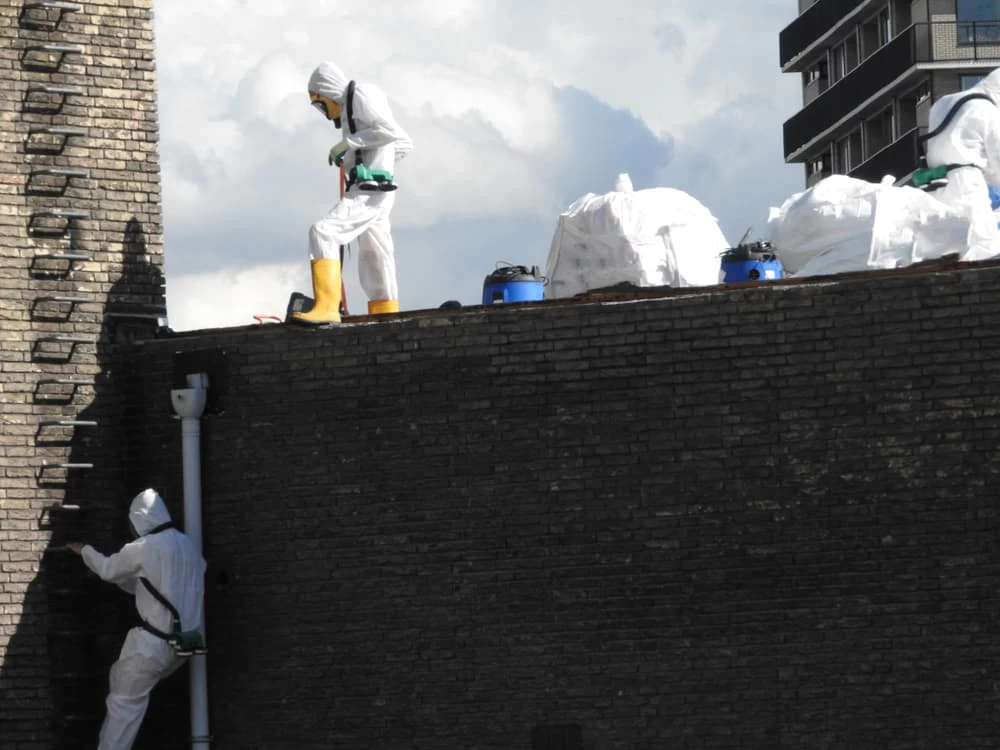
If abatement is needed, we set up proper containment before any removal begins. This is required under New York State Industrial Code Rule 56, and it’s not optional regardless of where you are in the state rural Milan is held to the same standards as New York City. Negative air pressure, sealed work zones, licensed handlers. The materials are removed, packaged, and transported to a licensed disposal facility in full compliance with NYS DEC requirements.
After removal, post-abatement air clearance testing confirms the space is clean. You receive documentation of that result something you’ll want on file whether you’re staying in the home, finishing a renovation, or preparing to sell. If your project also involves water damage or mold common in Milan’s older foundations after a wet season we handle that too, so you’re not coordinating with a second contractor.
Every Material Type, Handled to New York State Standard
Asbestos shows up in more places than most homeowners expect. In Milan’s pre-1980 housing stock, the most common findings are pipe and boiler insulation in older steam-heated farmhouses, 9×9 vinyl floor tiles and the adhesive mastic underneath them, popcorn and textured ceiling coatings applied through the 1970s, roofing shingles, exterior siding, and attic insulation. Asbestos tile removal and asbestos popcorn ceiling removal are among the most frequent jobs we complete in this area and both require proper containment and disposal, not just a scraper and a trash bag.
We handle the full scope of asbestos removal services: inspection and testing, full material removal, clean-up, and remediation. We also manage the paperwork and regulatory filing that New York State requires before and after the work something that catches a lot of property owners off guard when they’re trying to move quickly on a renovation or a closing timeline.
Because we also provide mold remediation, water damage restoration, and fire damage cleanup, we’re often able to address multiple issues under one project. For Milan homeowners managing older properties especially those who aren’t on-site full time that means one point of contact, one timeline, and one invoice instead of three separate contractors who may or may not coordinate with each other. If your insurance covers any part of the work, we bill directly and help you navigate the claim.
Does my older Milan farmhouse likely contain asbestos-containing materials?
If your home was built before 1980, there’s a reasonable chance it contains at least one asbestos-containing material and in Milan, a large portion of the housing stock falls into that category. The town’s agricultural history means many of its homes are older rural structures: farmhouses, converted outbuildings, and country estates that were built and renovated across several decades when asbestos was widely used in construction.
The materials to pay attention to include pipe and boiler insulation (especially in homes with steam or hot-water heating systems, which are common in this area), vinyl floor tiles and their adhesive, textured or popcorn ceiling coatings, roofing shingles, and exterior siding. The only way to know for certain is to have a licensed inspector assess the materials visual identification alone is not reliable. If you’re planning a renovation and haven’t had an inspection done, that’s where to start.
How much does asbestos removal typically cost for a home in Dutchess County?
For a residential property in New York State, asbestos removal typically runs between $1,296 and $3,050, with most projects landing around $2,170 depending on the scope. That range shifts based on how many materials are involved, how accessible they are, and whether the abatement is part of a larger renovation or a standalone project.
In Dutchess County specifically, costs have trended upward in recent years updated NYS DOL contractor licensing requirements, higher disposal fees, and mandatory post-abatement air clearance testing have all added to the baseline. It’s worth understanding that these aren’t contractor markups they’re regulatory requirements that apply statewide. A significantly lower quote from an unlicensed contractor isn’t a deal; it’s a liability. If something goes wrong during an unlicensed removal on your Milan property, the legal and health exposure falls on you as the property owner.
Is asbestos abatement required by law before renovating a home in New York State?
In most cases, yes. New York State Industrial Code Rule 56 requires that any renovation, reconstruction, or demolition project that may disturb asbestos-containing materials be assessed by a licensed inspector before work begins. If asbestos is found, it must be removed by a NYS DOL licensed abatement contractor before other trades can proceed. This applies everywhere in the state not just in New York City. Milan, as a rural town in Dutchess County, is subject to the same requirements.
This catches a lot of homeowners off guard, particularly those who assume rural areas operate under looser rules. They don’t. If a general contractor pulls up a floor tile or disturbs pipe insulation without a prior asbestos inspection, they’ve already created a compliance problem and potentially a health hazard. The right sequence is inspection first, abatement if needed, then renovation. Starting that process before your contractor shows up is always the better move.
Can I remove asbestos myself in New York State to save money?
New York State law is fairly narrow on this. There is a limited owner-occupied single-family exception that allows homeowners to handle very small amounts of certain non-friable asbestos materials themselves, but the conditions are specific and the risks are real. Friable asbestos material that can be crumbled or broken by hand, releasing fibers into the air cannot be handled by unlicensed individuals under any circumstances.
In practical terms, the materials most commonly found in Milan’s older homes deteriorating pipe insulation, damaged boiler wrap, crumbling ceiling texture are often in a friable or near-friable state, particularly in homes that have experienced water intrusion or freeze-thaw stress. That puts them outside the DIY exception entirely. Beyond the legal question, asbestos fiber inhalation causes serious, irreversible lung disease. The health risk alone makes professional removal the right call, not just the legally required one.
What happens if asbestos is discovered mid-renovation on my Milan property?
Stop work immediately. That’s not an overreaction it’s the correct response under New York State law and basic safety protocol. Once you suspect asbestos-containing materials have been disturbed, the area needs to be secured and assessed by a licensed professional before anyone continues working in or around it.
This scenario comes up frequently in Milan, particularly with second-home buyers who are renovating older farmhouses and discover materials they weren’t expecting. A weekend renovation that uncovers original floor tile adhesive or damaged pipe insulation in a basement can bring an entire project to a halt. We’re available 24 hours a day, seven days a week, and have responded to mid-project discoveries within two hours of a call. The faster you get a licensed crew on-site to assess and contain the situation, the sooner your renovation can get back on track and the less risk you carry in the meantime.
How do I know the asbestos abatement job was actually done correctly and safely?
The short answer is documentation. A properly completed asbestos abatement project in New York State includes post-abatement air clearance testing independent testing that confirms airborne fiber levels in the treated area have returned to safe thresholds before anyone reoccupies the space. This testing is conducted after the containment is removed and the area is cleaned, and the results are provided to you in writing.
We provide this documentation as part of every residential abatement project. For Milan homeowners especially those with families, elderly residents, or anyone with respiratory sensitivities that written clearance is the actual proof the job was done right, not just a contractor’s assurance. It’s also what you’ll want on file if you’re selling the property. Buyers and their inspectors will ask, and having documented post-clearance results from a licensed NYS DOL contractor is a clean, straightforward answer that protects your sale and your asking price.