If your home was built before 1980 and most along Route 44 were asbestos isn’t a maybe. We provide licensed asbestos removal that’s done right, documented, and fully compliant with NYS Code Rule 56.
I needed a professional consultation explanation of procedure for safe removal of Asbestos in my apartment complex. Without having an account yet, I was very impressed with the caring, knowledgeable and generous advice offered by Jessica, and will look forward to doing business in the future. Thank you so much! I feel much more informed about a sometimes scary endeavor. Peace. Nancy Silva Mineola, NY.
Mia Munoz
Used this company to clean up some water flood in my house. They were fast and easy to work with.very professional, Would recommend to anyone!
Nini Valle
Great company, had a flood and they responded quickly and efficiently. Billed my insurance company directly. I highly recommend this company!
joe colapietro, jr
I had pipe freeze in my basement right before a snow storm and they made to within an hour to help start the clean up process. They we by our side throughout the entire process and even helped with the insurance company. They did such a great job with the cleanup, repair, remidiation, I contracted them to perform the repairs and finishes in the basement. They came with enough manpower and material to get the job done. Leo and Jessica were nothing but a pleasure to deal with!!
Cristian Arredondo c
I had some water damage in my home and Green Island was able to take care of my issue quickly and effectively. I am very pleased with the work they did. They responded quickly and were very professional.
Michael M
Outstanding service! From the office to the field crew everyone was friendly, helpful and responsive. I highly recommend Green Island Group.
Washington Hollow is one of the oldest continuously inhabited hamlets in Dutchess County. That history is part of what makes it special and part of what makes asbestos such a realistic concern for homeowners here. Farmhouses, colonials, mid-century ranches, former mill buildings off Route 82 near Bloomvale virtually every structure built before 1980 has a meaningful chance of containing asbestos somewhere in its fabric. When you finally know it’s been removed properly, the relief is real. You can move forward with your renovation. You can list your home without that asterisk hanging over the inspection report. You can stop wondering whether the floor tiles in the basement or the insulation wrapped around those old pipes are putting your family at risk.
Beyond the immediate health piece, proper abatement protects the financial side of things too. With median home sale prices in Pleasant Valley approaching $464,000 in 2024, your property is likely one of the most significant assets you own. Documented asbestos removal with post-abatement clearance testing on file removes a major negotiating chip from any future buyer’s hand. It’s not just about safety. It’s about protecting what you’ve built here.
We’ve been handling asbestos abatement, mold remediation, and restoration work across New York State for over 12 years with more than 5,000 completed projects behind us. We’re a certified Minority and Woman-Owned Business Enterprise (MWBE) and a state-approved contractor, which means we’ve been vetted at a level most contractors in this region simply haven’t. That’s not a marketing line. It’s a government-verified credential.
Washington Hollow is part of our established Dutchess County service area. We already serve Pleasant Valley, Poughkeepsie, and the surrounding communities so we’re not learning this regulatory environment on your dime. We know that Dutchess County falls under the NYS DOL Albany District Office for asbestos abatement oversight. We know the dual-municipality reality of a hamlet that straddles the Pleasant Valley and Washington town lines. And we know what asbestos looks like in the kind of homes that have been standing along Route 44 since before this country had a name.
It starts with an assessment. Before anything is touched, we identify what materials are present, where they are, and what category of risk you’re dealing with. In older Washington Hollow homes particularly those with steam or hot-water heating systems, 9×9 vinyl floor tiles, or textured ceilings applied in the 1960s and 70s there are several places asbestos commonly hides, and we know where to look.
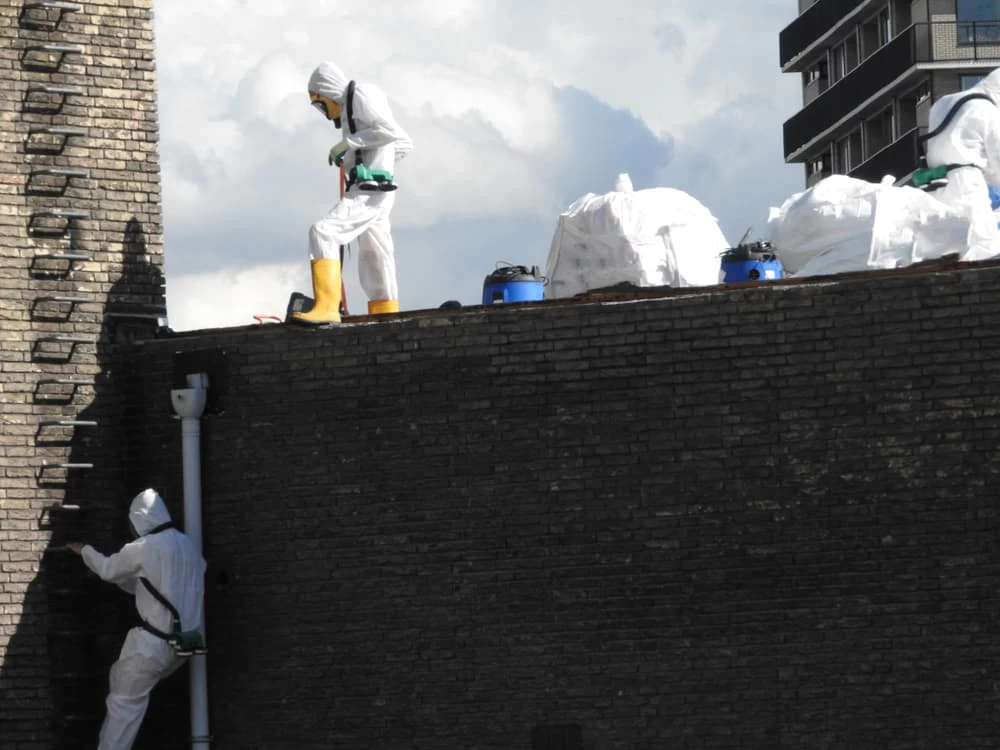
From there, we handle all required notifications under NYS Code Rule 56 and coordinate with the appropriate building department whether that’s the Town of Pleasant Valley, the Town of Washington, or both, depending on where your property sits on that town line. Containment goes up before any material is disturbed. Negative air pressure systems keep fibers from migrating into the rest of your home while work is underway. Every technician on our crew holds the required NYS DOL Asbestos Handler or Supervisor certification no exceptions.
Once removal is complete, we conduct post-abatement air clearance testing before the containment comes down. You get written documentation of the results. That paperwork matters for your peace of mind, for your insurance file, and for any future real estate transaction where a buyer’s attorney wants proof the work was done correctly.
The range of asbestos-containing materials we handle reflects the full span of Washington Hollow’s building history. Pipe insulation and boiler wrap are among the most common findings in the older farmhouses and colonials along Route 44 structures that relied on steam heating systems for decades. Asbestos tile removal is another frequent request, particularly in homes built between the 1940s and 1970s where 9×9 vinyl floor tiles and the adhesive mastic beneath them both tested positive. Asbestos popcorn ceiling removal comes up regularly in the split-levels and ranches built during the 1960s and early 70s, when textured ceilings were standard.
Beyond those, we also handle roofing shingles, siding, joint compound, attic insulation, and plaster materials that show up across the full spectrum of housing vintages present in this hamlet. If your home has been flagged during a renovation, a home inspection, or after storm or water damage, we can assess the full scope and give you a clear picture of what you’re dealing with.
Because Washington Hollow sits in a documented flood-risk area near the Wappingers Creek watershed, we also handle situations where water damage and asbestos overlap a scenario that’s more common here than most homeowners realize. When a flooded basement disturbs old insulation or a burst pipe damages asbestos-wrapped supply lines, you need one contractor who can handle both. That’s what we do.
Does my older Washington Hollow home actually need asbestos testing before renovation?
If your home was built before 1980, testing before any renovation work is not just a good idea in New York State, it’s effectively required by law. NYS Code Rule 56 mandates that asbestos-containing materials be identified and properly handled before any demolition or renovation that could disturb them. Skipping that step doesn’t just create a health risk. It can expose you to significant legal liability if a contractor disturbs asbestos without proper containment and disposal protocols in place.
In Washington Hollow specifically, the housing stock spans an unusually wide range of construction eras from 18th-century farmhouses to post-WWII residential development. That means the types of asbestos-containing materials present can vary significantly from one property to the next. A proper inspection identifies exactly what you’re dealing with before anyone picks up a demo tool, which protects your family, your contractor, and your investment.
How much does asbestos removal typically cost for a home in Dutchess County?
For residential projects in New York State, asbestos abatement costs typically range from around $1,300 to $3,100, with a statewide average near $2,200. That said, the actual number for your home depends on several factors: how many materials are affected, what type they are, how accessible they are, and how complex the containment setup needs to be. Pipe insulation removal in a tight basement crawlspace is a different job than popcorn ceiling removal across an open living area.
In Dutchess County, disposal fees at permitted facilities and the regulatory requirements under NYS Code Rule 56 are real costs that we have to account for. If you’re getting a quote that seems significantly lower than the ranges above, it’s worth asking whether that contractor is licensed by the NYS DOL and whether the quote includes post-abatement clearance testing because it should. Cutting corners on disposal or skipping the clearance test creates problems that cost far more to fix later.
Can I stay in my house while asbestos abatement is being done?
It depends on the scope and location of the work. For contained projects say, asbestos tile removal in a single room or pipe insulation in a basement it’s often possible to remain in unaffected parts of the home while work is underway, provided proper containment and negative air pressure systems are in place. For larger projects involving multiple areas or materials throughout the home, temporary relocation may be the safer and more practical option.
Washington Hollow is a rural hamlet without a large inventory of nearby short-term rentals or hotels, so this is a real logistical question for families here. We try to give you an honest timeline upfront not an optimistic one so you can plan accordingly. Post-abatement air clearance testing determines when it’s safe to reoccupy the treated area, and we don’t clear a space until the test results confirm it’s safe. That’s not negotiable.
What asbestos materials are most commonly found in Washington Hollow homes?
Given the age and variety of Washington Hollow’s housing stock, we see a consistent set of materials come up during inspections. Pipe insulation and boiler wrap are the most frequent findings in older farmhouses and colonials particularly those that relied on steam or hot-water heating systems, which were standard in this region for much of the 20th century. Asbestos floor tiles typically the 9×9 inch vinyl variety and the adhesive mastic beneath them are common in mid-century homes built between the 1940s and 1970s.
Popcorn and textured ceilings from the 1960s and early 70s are another regular finding, especially in the ranches and split-levels built during that era along the Route 44 corridor. Roofing shingles, siding panels, joint compound, and attic insulation round out the list. Homes near Bloomvale the former mill hamlet just north on Route 82 occasionally have more industrial-era insulation applications as well. The short answer is: if your home is more than 40 years old, there’s a real chance asbestos is present somewhere. The only way to know for sure is to test.
What happens if asbestos is found during a home inspection in Washington Hollow?
Finding asbestos during a home inspection whether you’re the buyer or the seller doesn’t have to derail the transaction. What matters is how it’s handled from that point forward. If you’re the seller, having us assess the material and provide a remediation plan typically gives buyers more confidence than simply disclosing and hoping for the best. If you’re the buyer, you want documentation that any identified asbestos was removed by a licensed contractor under NYS Code Rule 56, with post-abatement clearance testing results on file.
The Pleasant Valley real estate market has been exceptionally active median sale prices up significantly in 2024 which means more transactions are happening and more inspections are surfacing age-related findings in older homes throughout Washington Hollow and the surrounding area. Asbestos found during an inspection is a negotiating point, but it doesn’t have to be a deal-breaker. Getting us involved quickly, with a clear scope and timeline, keeps the process moving.
Does homeowner's insurance cover asbestos removal in Washington Hollow, NY?
Coverage depends on the circumstances that led to the discovery. Standard homeowner’s insurance policies generally do not cover asbestos removal as a routine maintenance or renovation cost. However, if the asbestos was disturbed or exposed as a result of a covered event storm damage, a burst pipe, flooding there may be a basis for a claim, depending on your specific policy language and the insurer’s assessment of the situation.
This matters in Washington Hollow because the area sits near the Wappingers Creek watershed, and Dutchess County’s hazard mitigation records document repeated flooding events affecting communities in this region. The Town of Pleasant Valley even relocated its own Town Hall out of the Wappingers Creek floodplain due to flood risk. When a storm or flood event damages an older home and disturbs asbestos-containing materials in the process, the abatement can sometimes be folded into a broader insurance claim. We bill insurance companies directly and can work with your adjuster to document the scope so you’re not navigating that process alone while also managing a household disruption.