Built by a Factory Town. Cleared by the Right Crew.
Most homes in Firthcliffe were built during the peak decades of asbestos use and if yours is one of them, asbestos removal isn’t a maybe. We handle it the right way, with the licensing and documentation to prove it.
I needed a professional consultation explanation of procedure for safe removal of Asbestos in my apartment complex. Without having an account yet, I was very impressed with the caring, knowledgeable and generous advice offered by Jessica, and will look forward to doing business in the future. Thank you so much! I feel much more informed about a sometimes scary endeavor. Peace. Nancy Silva Mineola, NY.
Mia Munoz
Used this company to clean up some water flood in my house. They were fast and easy to work with.very professional, Would recommend to anyone!
Nini Valle
Great company, had a flood and they responded quickly and efficiently. Billed my insurance company directly. I highly recommend this company!
joe colapietro, jr
I had pipe freeze in my basement right before a snow storm and they made to within an hour to help start the clean up process. They we by our side throughout the entire process and even helped with the insurance company. They did such a great job with the cleanup, repair, remidiation, I contracted them to perform the repairs and finishes in the basement. They came with enough manpower and material to get the job done. Leo and Jessica were nothing but a pleasure to deal with!!
Cristian Arredondo c
I had some water damage in my home and Green Island was able to take care of my issue quickly and effectively. I am very pleased with the work they did. They responded quickly and were very professional.
Michael M
Outstanding service! From the office to the field crew everyone was friendly, helpful and responsive. I highly recommend Green Island Group.
When a contractor pulls up old floor tiles in a 1950s Firthcliffe home and stops work, everything stalls. The timeline, the budget, the plans you had. That moment frustrating as it is is actually the right moment to call us. Getting the asbestos handled correctly now means your project moves forward without legal exposure, without health risk, and without a remediation nightmare waiting for you down the road.
Firthcliffe’s housing stock tells a specific story. The Firth Carpet Company built this community starting in 1886, and the homes that followed through the mid-20th century were constructed with the materials of that era vinyl asbestos floor tiles, pipe and boiler insulation, textured ceilings, asbestos-cement siding. These aren’t rare finds. In homes built between 1940 and 1969, which make up the dominant housing cohort here, they’re the standard.
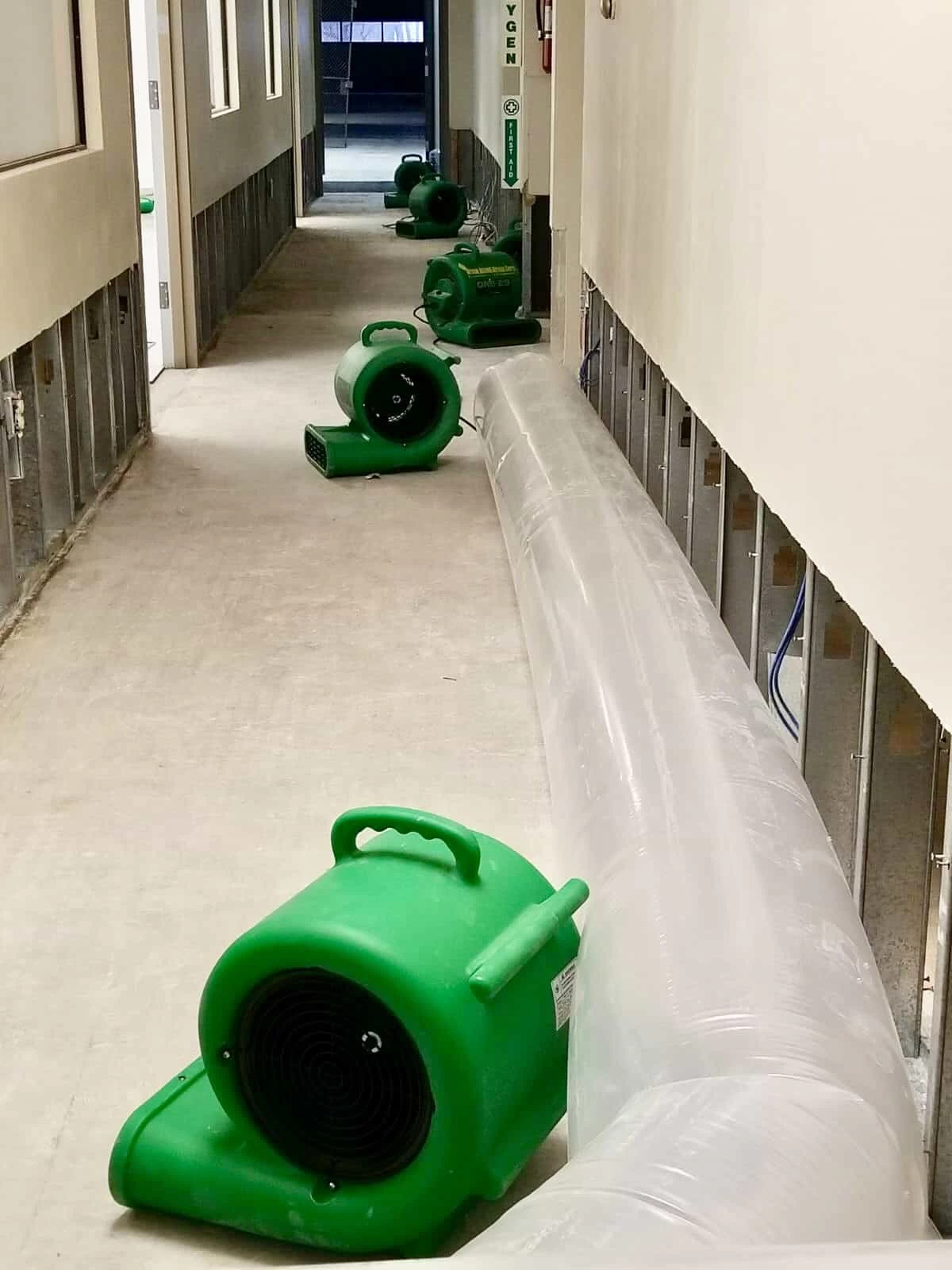
The Moodna Creek watershed running through this area adds another layer. When flooding events hit older Firthcliffe homes and the creek’s formally documented flood risk means they do water damage can disturb asbestos-containing materials that were otherwise stable. If you’re dealing with water damage in an older home near the creek, there’s a real chance the remediation involves more than drywall and drying fans. Knowing that upfront saves you from a much bigger problem later.
We’ve been doing environmental remediation work for over 12 years as an independently owned company. No franchise, no corporate buffer just a team that’s accountable for every project we take on. We hold a valid NYS Department of Labor Asbestos Contractor License, USEPA Lead/RRP Certification, and a full licensing stack that includes New York City, Nassau County, and Suffolk County. You can look up our NYS DOL license number directly on the state’s website. That’s not a talking point it’s a public record.
The work speaks louder than the credentials, though. We’ve performed asbestos abatement for the NYS Office of General Services, the Dormitory Authority of the State of New York, Nassau County, and Suffolk County. Government agencies don’t hand out contracts without vetting insurance, safety records, and licensing in detail. That same standard applies to every residential project in Orange County, including homes right here in Firthcliffe and the Town of Cornwall.
What Actually Happens From First Call to Final Clearance
It starts with an assessment. Before anything is touched, the materials in question need to be properly identified either through visual inspection by a licensed professional or, when needed, bulk sampling sent to an accredited lab. In Firthcliffe’s older housing stock, that assessment often turns up more than one material type. Vinyl floor tile, pipe insulation, and textured ceiling material can all be present in the same home, and each requires its own handling protocol under New York State’s Industrial Code Rule 56.
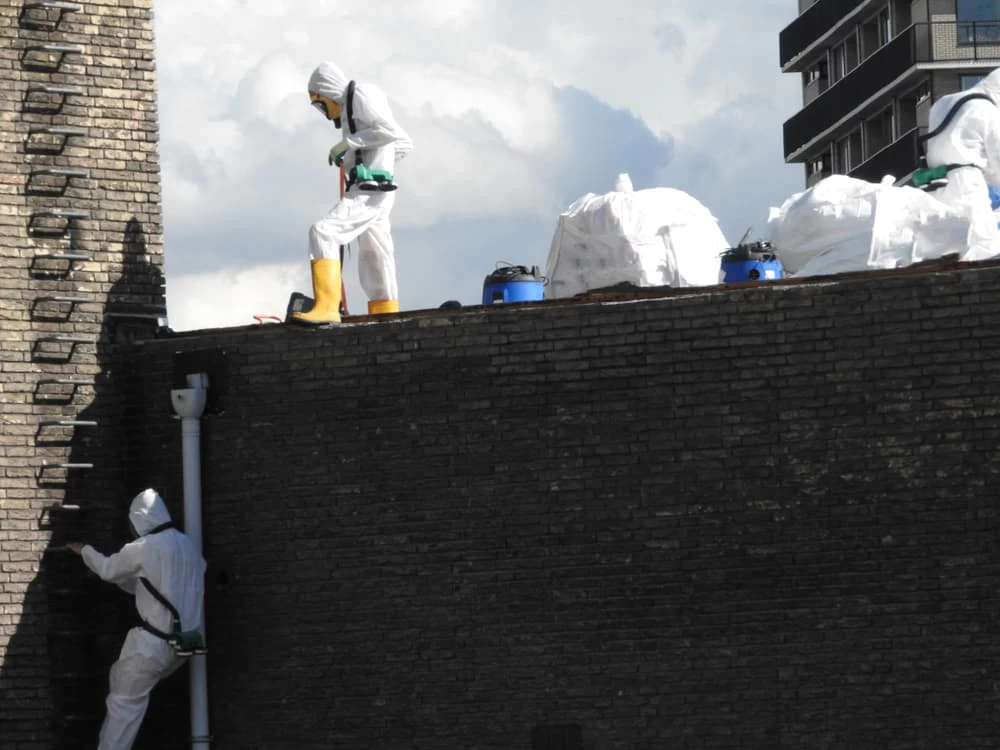
Once the scope is confirmed, we contain the work area. Negative air pressure systems are set up to prevent fiber migration into the rest of your home, and the space is sealed before any material is disturbed. Workers are certified under NYS DOL requirements individual asbestos handler certification isn’t optional, it’s the law. All removed material is wetted, double-bagged in 6-mil poly, properly labeled, and transported to a licensed Class II disposal facility. Nothing gets cut short on the back end.
The job isn’t finished when the last bag leaves your property. New York State requires post-abatement air monitoring by an independent industrial hygienist before the space can be reoccupied. That clearance certificate the written documentation that the air has been tested and meets safety standards is what your general contractor needs to resume work, and what a lender or real estate attorney will ask for if you’re in a transaction. We include this final step as a matter of course, not as an add-on.
Asbestos Tile and Popcorn Ceiling Removal, Firthcliffe
Every Material Type. One Licensed Team. Full Documentation.
The asbestos-containing materials most commonly found in Firthcliffe homes aren’t exotic or unusual they’re exactly what was standard in mid-century residential construction. Nine-by-nine inch vinyl asbestos floor tiles and the black mastic adhesive beneath them. Popcorn ceilings applied through the 1950s, 60s, and 70s. Pipe and boiler insulation in older heating systems. Asbestos-cement siding on exterior walls. Joint compound used in wallboard finishing. We handle all of it, and handle it under the same regulatory framework regardless of project size.
For homeowners in Firthcliffe dealing with flooding or storm damage a real and documented risk in the Moodna Creek watershed our full-service capability matters in a specific way. Water damage that disturbs asbestos-containing materials doesn’t create two separate problems that need two separate contractors. We handle asbestos abatement, mold remediation, and water damage restoration under one roof, and bill insurance directly so you’re not managing the claims process on top of everything else.
If your project is tied to a home sale or purchase in the Orange County market, the clearance documentation we produce at the end of every abatement project is exactly what title companies, lenders, and real estate attorneys require to close. And for homeowners facing an unexpected abatement cost mid-renovation, we offer 0% APR financing up to $200,000 the only contractor in this market openly offering that option.
How do I know if my Firthcliffe home actually contains asbestos?
The most reliable indicator is your home’s age. If your Firthcliffe home was built before 1980 and the majority of homes in this area were there’s a strong likelihood that at least one asbestos-containing material is present somewhere in the structure. The most common locations are floor tiles and the adhesive beneath them, pipe and boiler insulation, textured or popcorn ceilings, exterior cement board siding, and joint compound around wallboard seams.
You can’t confirm the presence of asbestos by looking at a material. The only way to know for certain is through bulk sampling a small piece of the suspect material is collected by a licensed professional and sent to an accredited lab for analysis. If you’re planning a renovation, starting a demolition, or dealing with water damage in an older Firthcliffe home, getting that testing done before any work begins is the right move. Disturbing an asbestos-containing material without proper containment creates an exposure risk and a legal liability that no renovation timeline is worth.
What does asbestos abatement actually cost for an older home in Orange County?
The range is wide because the scope varies significantly from project to project. A single room with vinyl asbestos floor tile removal might run $1,500 to $3,500. A more comprehensive project involving pipe insulation, ceiling material, and siding on a mid-century Firthcliffe home which is a realistic scenario given the housing stock here can run $8,000 to $25,000 or more depending on square footage and material types involved.
What drives the cost is the extent of the contaminated material, the number of distinct material types requiring separate handling protocols, the complexity of the containment setup, and the post-abatement air monitoring and clearance certification required by New York State. Getting a written scope from a licensed contractor after a proper assessment is the only way to get a number that means anything. And if the cost lands somewhere that creates a cash flow problem mid-renovation, we offer 0% APR financing up to $200,000 which is a real option, not a footnote.
Does my family need to leave the house during asbestos removal in Firthcliffe?
For the work areas being abated, yes occupants should not be in or near those spaces while work is active. Whether that means leaving the home entirely depends on the scope and location of the project. For a contained single-room abatement in a larger home, it may be possible to remain in unaffected areas. For more extensive projects involving multiple rooms or central systems like HVAC or boiler insulation, vacating the home for the duration of active work is the safer and more practical choice.
The containment system sealed work area, negative air pressure, HEPA filtration is specifically designed to prevent fiber migration into the rest of your home. But the containment is only as good as the setup and the crew following protocol. That’s why licensing matters. New York State requires individual asbestos handler certification for every worker on a project, and those requirements exist precisely because the margin for error in a family home is zero. After abatement is complete, the independent clearance test confirms the air is safe before anyone returns to the treated space.
What happens if asbestos is found during a home sale in Firthcliffe, NY?
It depends on the agreement between buyer and seller, but in most cases, discovered asbestos becomes a negotiating point that needs resolution before closing. Lenders particularly those financing older homes in Orange County increasingly require documentation of proper abatement or encapsulation before they’ll fund the loan. Buyers’ attorneys routinely ask for clearance certificates as a condition of closing.
If you’re the seller, getting the abatement done proactively and having the clearance certificate in hand before listing is the cleaner path. It removes the issue from the negotiating table entirely and avoids the scenario where a buyer’s inspector flags it, the timeline compresses, and you’re scrambling to find a licensed contractor under deadline pressure. If you’re the buyer and the inspection flagged suspect materials, the abatement cost should be factored into your offer or addressed as a seller concession. Either way, the clearance certificate produced at the end of a proper NYS-compliant abatement is the specific document that resolves the issue for all parties.
Can flooding from Moodna Creek disturb asbestos in my Firthcliffe home?
Yes, and it’s more common than most homeowners in this area realize. When water infiltrates an older Firthcliffe home, it doesn’t stay contained to the surfaces it touches. It saturates flooring systems, compromises adhesives, damages ceiling materials, and can physically disturb pipe insulation in basements and crawl spaces. All of those materials in a home built in Firthcliffe’s dominant construction era have a real probability of containing asbestos.
The New York State Department of Environmental Conservation formally added the Moodna Creek watershed to its Resilient NY Program of high-priority flood-prone watersheds in 2024, which means the flooding risk here is documented at the state level, not just anecdotal. If your home has experienced water intrusion from a storm or creek flooding event, the remediation scope should include a proper assessment for asbestos before any tearout or reconstruction begins. We handle both the asbestos abatement and the water damage restoration, and bill insurance directly so you’re dealing with one team managing the full scope, not coordinating between multiple contractors while your home sits open.
Is asbestos abatement required by law before a renovation or demolition in New York State?
For renovation and demolition projects that will disturb a threshold quantity of asbestos-containing material, yes New York State law under 12 NYCRR Part 56 (Industrial Code Rule 56) requires that the material be properly abated by a licensed contractor before work proceeds. The NYS Department of Labor’s Asbestos Control Bureau has enforcement authority statewide and conducts inspections on rehabilitation, reconstruction, and demolition projects. Violations carry real penalties, and work done without proper abatement can expose both the homeowner and the general contractor to liability.
For homeowners in the Town of Cornwall and surrounding areas like Firthcliffe, the building permit process adds another layer of accountability permits on renovation or demolition projects won’t be closed out without documentation that asbestos was properly handled. This is not a formality that gets waived. If your general contractor is pushing to proceed without addressing suspected asbestos-containing materials, that’s a problem worth stopping for. The cost of doing it right upfront is significantly lower than the cost of a stop-work order, a remediation of improperly disturbed material, or a failed permit inspection after the fact.