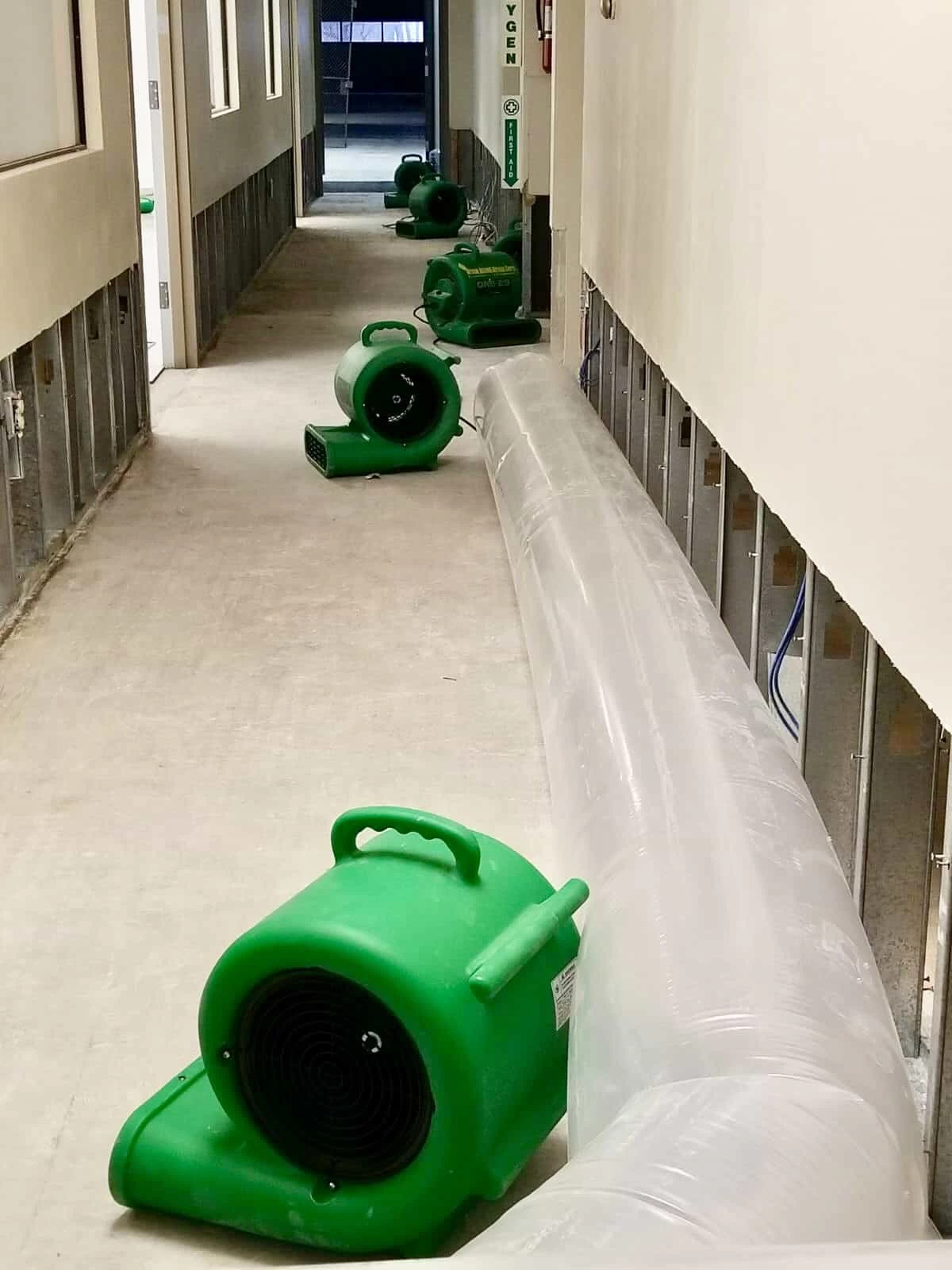
Water damage in a Deerpark-area home doesn’t just ruin drywall it wakes up materials that were better left alone. If your home was built before 1980, asbestos abatement in Shin Hollow, NY may not be optional.
I needed a professional consultation explanation of procedure for safe removal of Asbestos in my apartment complex. Without having an account yet, I was very impressed with the caring, knowledgeable and generous advice offered by Jessica, and will look forward to doing business in the future. Thank you so much! I feel much more informed about a sometimes scary endeavor. Peace. Nancy Silva Mineola, NY.
Mia Munoz
Used this company to clean up some water flood in my house. They were fast and easy to work with.very professional, Would recommend to anyone!
Nini Valle
Great company, had a flood and they responded quickly and efficiently. Billed my insurance company directly. I highly recommend this company!
joe colapietro, jr
I had pipe freeze in my basement right before a snow storm and they made to within an hour to help start the clean up process. They we by our side throughout the entire process and even helped with the insurance company. They did such a great job with the cleanup, repair, remidiation, I contracted them to perform the repairs and finishes in the basement. They came with enough manpower and material to get the job done. Leo and Jessica were nothing but a pleasure to deal with!!
Cristian Arredondo c
I had some water damage in my home and Green Island was able to take care of my issue quickly and effectively. I am very pleased with the work they did. They responded quickly and were very professional.
Michael M
Outstanding service! From the office to the field crew everyone was friendly, helpful and responsive. I highly recommend Green Island Group.
What Changes When the Air in Your Home Is Actually Safe
Most people in Shin Hollow don’t go looking for asbestos. It finds them during a bathroom gut, a basement cleanout after a Neversink flood event, or when a contractor pulls up a 9×9 floor tile and stops cold. At that point, the question isn’t whether you have a problem. It’s whether you handle it correctly.
When asbestos abatement is done right, you get your home back. The renovation moves forward. The real estate closing doesn’t fall apart. Your family isn’t breathing something invisible and irreversible. That’s the actual outcome not a certificate on a wall, but the ability to move forward without second-guessing every breath in your own house.
The housing stock along Shin Hollow Road and the broader Deerpark corridor is predominantly mid-century construction ranches, bi-levels, and bungalows where asbestos-containing materials were standard. Pipe insulation around old oil boilers, floor tiles in kitchens and basements, popcorn ceilings in additions built in the 1960s. These materials are stable when left alone. They become a problem the moment they’re disturbed and in a flood-prone river valley, “disturbed” can happen without any renovation work at all.
Every License Required. No Subcontracting. No Gaps.
We hold the New York State Department of Labor Asbestos Contractor License the specific credential required by New York law to legally perform asbestos abatement. Not a general contractor license. Not a New Jersey or Pennsylvania license. The actual NYS DOL credential, verifiable by you on the state’s website using our license number. In a tri-state border community like Shin Hollow, that distinction matters more than most people realize.
Beyond the license, we carry the full stack: NYC Business Integrity Commission Trade Waste License, USEPA Lead/RRP Certification, and general contractor licenses for New York City, Nassau County, and Suffolk County. We also hold NYS and NYC Minority/Women-Owned Business Enterprise certification a government-audited designation, not a marketing badge.
State agencies including the NYS Office of General Services, the Dormitory Authority of the State of New York, and the NYS Office of Mental Health have all hired us through competitive procurement. Those institutions verified our credentials before signing anything. You can do the same.
No Surprises Here's Exactly What Happens on Your Property
It starts with an assessment. Before anything is removed, the material in question needs to be identified and sampled. If testing confirms asbestos-containing material, we file the required notification with the NYS Department of Labor’s Asbestos Control Bureau a step that is legally required for projects above de minimis thresholds and one that many unlicensed operators skip entirely. For homeowners in the Town of Deerpark, this notification also satisfies documentation requirements that can come up during building permit applications.
Once the regulatory groundwork is in place, we seal and contain the work area. Our workers wear full PPE and use negative air pressure to prevent fiber migration to the rest of your home. The material is removed, wetted, double-bagged in 6-mil poly, labeled per OSHA requirements, and transported to a licensed Class II disposal facility. Nothing gets left behind, and nothing gets cut short.
After removal, an independent industrial hygienist someone not employed by us conducts post-abatement air monitoring. Only when their samples confirm fiber levels are below regulatory thresholds is a written clearance certificate issued. That document is yours to keep. It follows the property, holds up in real estate transactions, and gives you something no amount of reassurance can replace: objective, third-party proof the job was done correctly.
Asbestos shows up in older homes in more than one place, and the scope of the work depends on what’s there. We handle the full range of residential asbestos removal services common to Shin Hollow and the Port Jervis area: asbestos tile removal for the 9×9 vinyl floor tiles found in the vast majority of pre-1980 homes in this corridor, asbestos popcorn ceiling removal for mid-century acoustic texture that was applied heavily during the 1960s and 1970s, pipe and duct insulation removal around older heating systems, and transite siding or roofing material abatement on outbuildings and additions.
If your situation involves flood damage which is a realistic scenario for any property near the Neversink River or its tributaries we also handle the water damage restoration side of the equation. You don’t need to coordinate two separate contractors when the Neversink backs up and takes out your basement. One call covers both.
Financing is available at 0% APR up to $200,000 for qualifying projects, and we bill insurance carriers directly for covered events. If you’re dealing with an unbudgeted abatement cost on top of a renovation or a flood cleanup, those two options exist specifically to make the right choice financially accessible not just the right choice on paper.
Does flood damage to my Shin Hollow home create an asbestos risk?
Yes, and it’s one of the more underappreciated risks for homeowners in the Deerpark area. When flood water enters an older home particularly one built before 1980 it can saturate materials that have been stable for decades. Pipe insulation around old boilers and heating lines, vinyl floor tiles in basements and kitchens, and ceiling materials in lower-level rooms can all become friable when wet. Friable means they crumble or release fibers under normal handling, which is exactly when asbestos becomes a health hazard.
The Neversink River basin has a documented history of major flood events, and the Town of Deerpark carries some of the highest National Flood Insurance Program loss totals in Orange County. If your home took water and you’re not sure what’s in the materials that got damaged, the right move is to have them assessed before any cleanup or demo work begins. Disturbing wet asbestos-containing material without containment is both a health risk and a regulatory violation under New York State Code Rule 56.
Can a contractor licensed in New Jersey do asbestos removal at my Shin Hollow property?
No. New York State has its own licensing framework administered by the NYS Department of Labor’s Asbestos Control Bureau, and a New Jersey or Pennsylvania asbestos license does not transfer. Only a contractor holding a current NYS DOL Asbestos Contractor License can legally perform asbestos abatement on a property in New York regardless of how close that property is to the state line.
This is a real issue in Shin Hollow specifically. Sitting at the corner where New York, New Jersey, and Pennsylvania converge, it’s common for property owners here to have relationships with contractors from across the border. Some of those contractors may be willing to do the work. That doesn’t make it legal, and it doesn’t produce documentation that will satisfy a lender, a building inspector, or a future buyer. An unlicensed removal in New York also creates legal exposure for the property owner. Ask any contractor you consider for their NYS DOL license number, and verify it yourself on the state’s contractor search page before any work begins.
How do I know if my older home in the Port Jervis area actually has asbestos?
The honest answer is that you can’t know by looking. Asbestos-containing materials don’t look different from materials that don’t contain asbestos. The only way to confirm is through laboratory testing of a sample taken from the material in question. What you can do is assess probability based on your home’s age and construction type.
If your home was built between roughly 1940 and 1980 which describes a large portion of the housing stock in Shin Hollow, Deerpark, and the Port Jervis area the odds are meaningful that some materials contain asbestos. The most common locations are 9×9 inch vinyl floor tiles, the black mastic adhesive beneath them, pipe insulation on old steam or hot water heating systems, popcorn or textured acoustic ceiling finish, and joint compound used in drywall installation. If you’re planning any renovation that involves disturbing these materials, testing before you start is the only way to know what you’re dealing with and in New York State, it’s the legally responsible path.
What does asbestos abatement actually cost for a home in Shin Hollow?
Cost varies depending on the type of material, the quantity, the location in the home, and the complexity of containment required. For a small residential scope removing asbestos floor tiles in a single room, for example costs can start around $1,500 to $3,000. A more involved project involving pipe insulation, ceiling material, and multiple rooms can run $8,000 to $15,000 or more.
For homeowners in the Port Jervis area, where median household income is more modest than in other parts of Orange County, an unbudgeted abatement cost is a real financial event. We offer 0% APR financing up to $200,000 for qualifying projects, which means you’re not forced to choose between doing the job correctly and staying within your budget. If your situation involves a covered insurance event flood damage, storm damage we also bill insurance carriers directly and handle the claims documentation, so you’re not managing that paperwork while also dealing with a disrupted home.
Do I need a permit for asbestos removal in the Town of Deerpark?
The permit question has two layers. First, under New York State Industrial Code Rule 56, projects that exceed de minimis thresholds generally 10 linear feet or 25 square feet of asbestos-containing material require advance notification to the NYS Department of Labor’s Asbestos Control Bureau before work begins. This isn’t a local building permit; it’s a state-level regulatory filing that your licensed contractor handles on your behalf.
Second, if your asbestos abatement is part of a larger renovation or demolition project, the Town of Deerpark’s building department may require documentation of asbestos survey results before issuing a permit for the broader work. This is increasingly common across Orange County municipalities and is worth confirming with the town before your project begins. A licensed contractor who knows the local regulatory environment not just the state framework but how it interacts with local permit processes will handle this coordination as part of the job, not as an add-on.
How long does asbestos abatement take, and can my family stay in the house?
Whether your family can remain in the home depends on the scope and location of the work. For contained projects a single room, a basement area, a section of pipe insulation it’s often possible to isolate the work area and maintain habitable conditions in the rest of the house. For larger projects involving multiple areas or whole-home disturbance, temporary relocation during the active abatement phase is typically the safer and more practical choice.
Timeline-wise, a straightforward residential project in Shin Hollow generally runs one to three days for the active removal work, followed by post-abatement air monitoring by an independent industrial hygienist. The clearance process adds time typically 24 to 48 hours after removal but it cannot be skipped. Under New York State Code Rule 56, a space cannot be reoccupied until the hygienist’s air samples confirm fiber levels are below regulatory thresholds and a written clearance certificate is issued. We coordinate the hygienist directly, so you’re not sourcing that independently. The certificate you receive at the end is what makes the job legally and documentarily complete useful for insurance records, future real estate transactions, and your own peace of mind.