Northampton's Older Homes Deserve More Than a Guess
If your home was built before 1980, asbestos abatement isn’t a maybe it’s a real possibility you need answered before anyone starts swinging a hammer. We serve Northampton with licensed asbestos removal, proper disposal, and the documentation Southampton Town actually requires.
I needed a professional consultation explanation of procedure for safe removal of Asbestos in my apartment complex. Without having an account yet, I was very impressed with the caring, knowledgeable and generous advice offered by Jessica, and will look forward to doing business in the future. Thank you so much! I feel much more informed about a sometimes scary endeavor. Peace. Nancy Silva Mineola, NY.
Mia Munoz
Used this company to clean up some water flood in my house. They were fast and easy to work with.very professional, Would recommend to anyone!
Nini Valle
Great company, had a flood and they responded quickly and efficiently. Billed my insurance company directly. I highly recommend this company!
joe colapietro, jr
I had pipe freeze in my basement right before a snow storm and they made to within an hour to help start the clean up process. They we by our side throughout the entire process and even helped with the insurance company. They did such a great job with the cleanup, repair, remidiation, I contracted them to perform the repairs and finishes in the basement. They came with enough manpower and material to get the job done. Leo and Jessica were nothing but a pleasure to deal with!!
Cristian Arredondo c
I had some water damage in my home and Green Island was able to take care of my issue quickly and effectively. I am very pleased with the work they did. They responded quickly and were very professional.
Michael M
Outstanding service! From the office to the field crew everyone was friendly, helpful and responsive. I highly recommend Green Island Group.
Your contractor can finally start. Your real estate closing can move forward. Your family isn’t living next to a material that should have been removed years ago. That’s what asbestos abatement actually does it removes the roadblock, whether that roadblock is a renovation, a sale, or just peace of mind.
Northampton’s housing stock tells a specific story. A lot of the homes here were built in the post-war era and through the 1970s especially in the former Pine Valley area and along the Sunrise Highway corridor. That era of construction is exactly when asbestos showed up in floor tiles, pipe insulation, popcorn ceilings, and roofing materials. It wasn’t a corner-cutting move at the time. It was standard. But decades later, those materials age, crack, and get disturbed during renovations and that’s when exposure risk becomes real.
Northampton’s coastal proximity also matters here. Long Island’s humidity and seasonal moisture cycling accelerate the breakdown of building materials. Asbestos-containing pipe insulation and siding don’t need a renovation to become a problem they just need enough years and enough moisture. Homes near Wildwood Lake or in Northampton Colony see this more than most. Getting ahead of it isn’t an overreaction. It’s the right call.
We Know Northampton and We Know What's in These Walls
We’re a licensed asbestos abatement contractor serving Northampton and the broader Southampton Town area. We hold full NYS Department of Labor certification under Industrial Code Rule 56 the state regulation that governs every asbestos project in New York. That’s not a marketing point. It’s the credential Southampton Town’s building department requires before any renovation permit closes out.
We’ve worked throughout Suffolk County’s East End, and we understand what that means in practice. We know the building stock in Northampton and the surrounding areas. We know the difference between a mid-century ranch in the former Pine Valley area and a waterfront home in Northampton Colony. We know what materials were common in each era and where they tend to show up. That kind of familiarity isn’t something you get from a national lead-gen service with the wrong ZIP code on their page.
When you call us, you’re talking to people who actually know this area not a call center routing your job to whoever’s available.
It starts with an inspection. A certified NYS Asbestos Inspector surveys your property and collects bulk samples from any suspect materials floor tiles, ceiling texture, pipe insulation, roofing, joint compound, whatever applies to your home. Samples go to a certified lab, and results come back with a clear picture of what’s present and what needs to be addressed. Under NYS Industrial Code Rule 56, this survey has to happen before any renovation or demolition work begins. It’s not optional, and skipping it creates real liability for property owners.
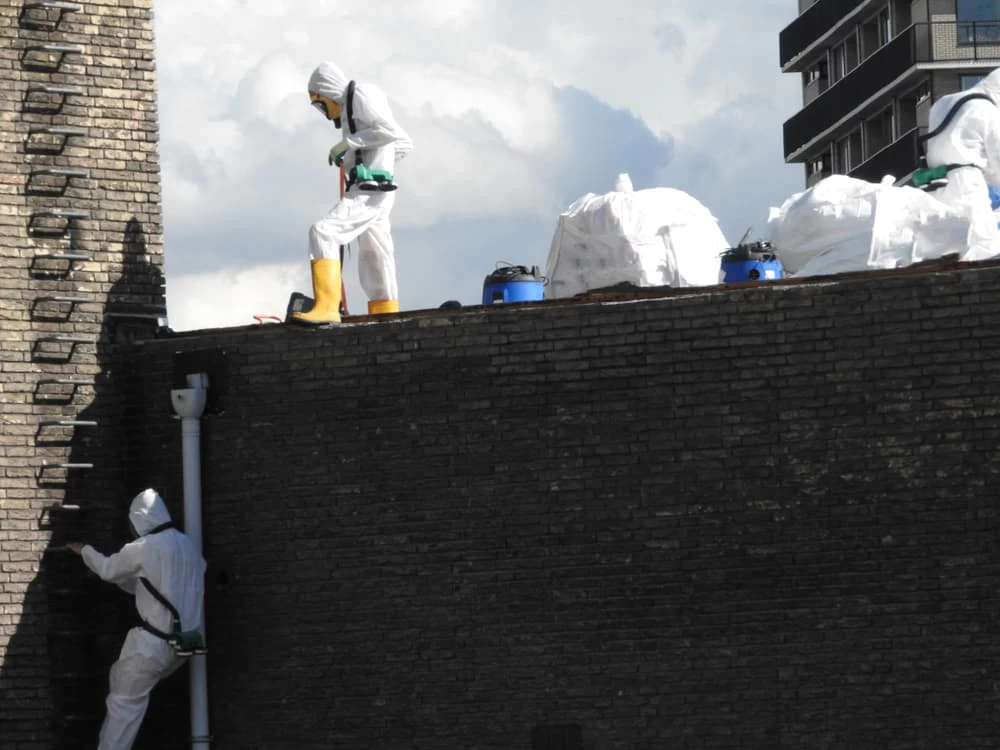
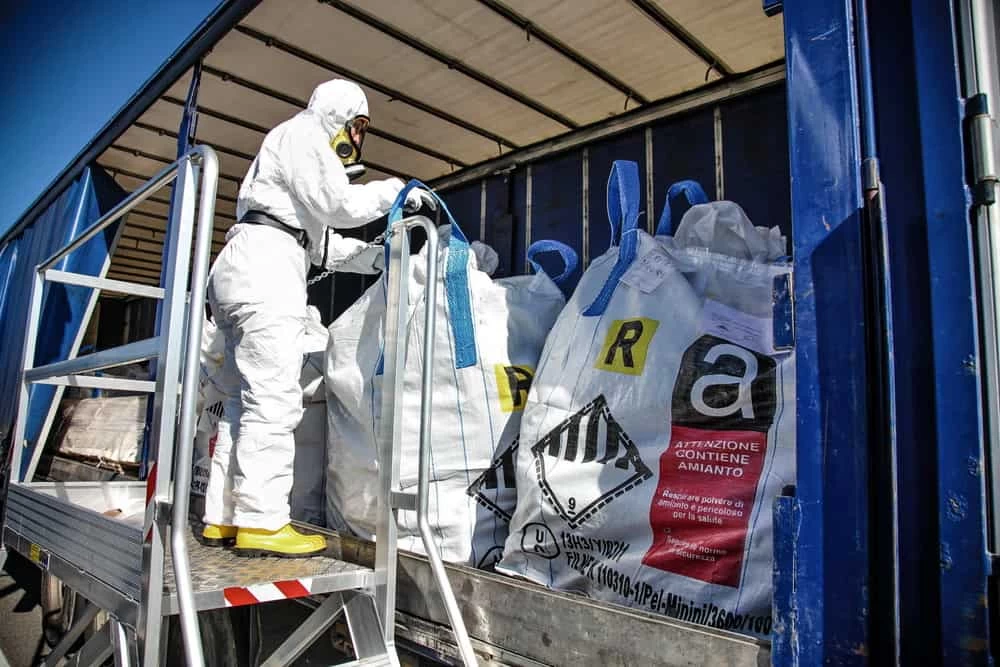
Once the scope is confirmed, we set up proper containment sealing off the work area to prevent fiber migration into the rest of the home. The abatement itself is performed under controlled conditions: materials are wetted down, carefully removed, and sealed in regulated waste containers. Nothing gets tossed in a dumpster. Everything goes to an approved disposal facility through a licensed waste hauler, with a manifest that documents the chain of custody from your property to the disposal site.
After the work is done, clearance air monitoring confirms that airborne fiber levels are back to safe levels before the space is reoccupied. You receive the full documentation package survey report, abatement records, disposal manifests, and clearance results. That’s what Southampton Town’s building department needs for permit closeout, and it’s what protects you if questions ever come up down the road.
Every Material, Every Location, Handled the Right Way
The two most common calls we get from Northampton homeowners are asbestos tile removal and asbestos popcorn ceiling removal. Both are extremely common in the post-war and 1970s construction that defines a lot of the residential stock here, and both require licensed removal under containment not a weekend project with a dust mask and a YouTube tutorial. We handle both completely, including setup, removal, disposal, and post-clearance testing.
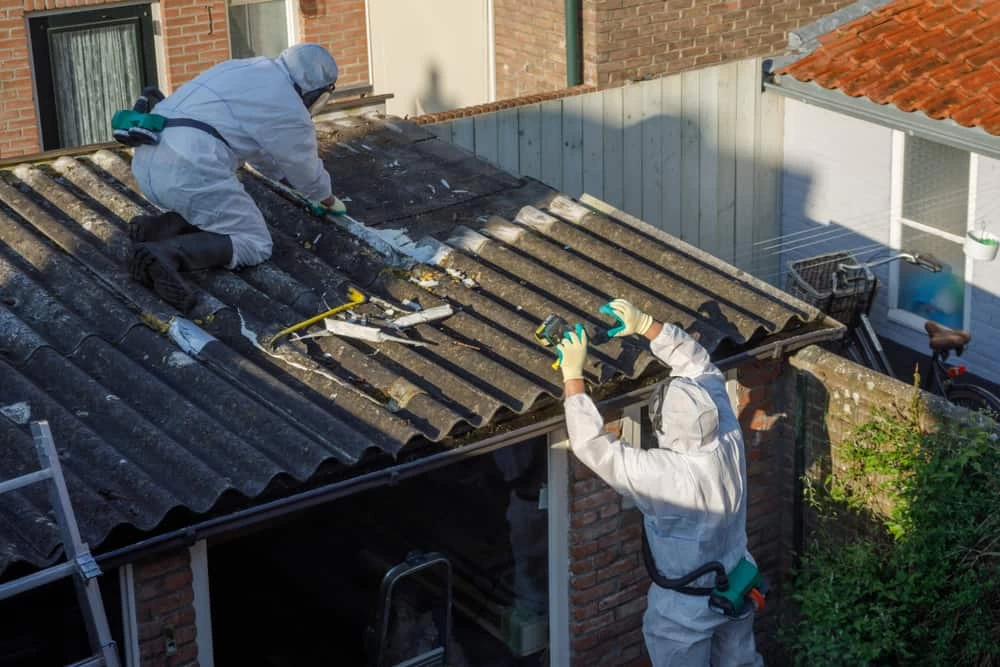
Beyond tile and ceilings, we also handle pipe and boiler insulation, roofing materials, exterior transite siding, and joint compound the full range of materials that show up in pre-1980 homes throughout the Southampton Town area. If you’re renovating a kitchen in the former Pine Valley area, updating a bathroom in Northampton Colony, or preparing a property near the SCCC Eastern Campus for a change in use, the process is the same: inspect first, abate under containment, dispose properly, and document everything.
Every project includes the complete documentation package: the pre-abatement inspector’s report, contractor project records, waste disposal manifests, and post-abatement clearance air monitoring results. For homeowners going through a real estate transaction or pulling a renovation permit through Southampton Town, that paperwork isn’t a bonus it’s the whole point.
Does my Northampton home actually need an asbestos inspection before renovating?
Yes and under New York State law, it’s not a judgment call. Industrial Code Rule 56 requires a certified NYS Asbestos Inspector to survey any structure before renovation or demolition work begins if there’s a reasonable chance asbestos-containing materials are present. For homes built before 1980, that threshold is almost always met.
In Northampton specifically, a significant portion of the residential stock dates from the post-war era through the 1970s particularly in areas like the former Pine Valley neighborhood and the older sections along the Sunrise Highway corridor. These homes were built during the peak years of asbestos use in residential construction. Floor tiles, pipe insulation, popcorn ceilings, and roofing materials from this era routinely contain asbestos. Your contractor cannot legally proceed with work that disturbs those materials until the survey is complete and any abatement is done. Skipping this step doesn’t save time it creates liability for you as the property owner and can halt your project mid-construction.
How much does asbestos abatement typically cost for a home in Northampton, NY?
Cost depends on what’s present, how much of it there is, and where it’s located. For a residential survey with lab analysis, you’re typically looking at somewhere between $600 and $1,800 depending on the size of the home and the number of samples needed. For asbestos tile removal in a standard kitchen or bathroom roughly 100 to 200 square feet expect a range of around $1,800 to $4,500. Popcorn ceiling removal is generally priced per square foot, typically in the $3 to $7 range for residential projects.
Larger scopes full-home surveys, pipe insulation, roofing, or a combination of materials scale accordingly. What matters is that you get a clear, itemized estimate before anything starts. Northampton homeowners shouldn’t be surprised by charges for containment setup, disposal, or clearance testing those are part of the job and should be included in what you’re quoted upfront. We don’t add fees after the fact.
What are the most common places asbestos shows up in older Northampton homes?
The most frequently found locations in the mid-century and 1970s homes common to Northampton are vinyl floor tiles and the adhesive backing underneath them, acoustic spray (popcorn) ceiling texture, pipe and boiler insulation, roofing shingles, exterior transite siding, and joint compound used in drywall systems. These aren’t obscure locations they’re the standard materials of that construction era, and they show up in homes throughout the former Pine Valley area, Northampton Colony, and the broader Southampton Town housing stock.
One thing worth knowing: asbestos in good condition and left undisturbed typically doesn’t pose an immediate risk. The concern is disturbance cutting, sanding, drilling, or demolishing materials that contain asbestos fibers. That’s when fibers become airborne and inhalable. If you’re planning any kind of renovation that touches floors, ceilings, walls, or mechanical systems in a pre-1980 Northampton home, a survey before work begins is the right move.
Can I remove asbestos floor tiles myself in my Northampton home?
Legally, no not in New York State. Under Industrial Code Rule 56, asbestos abatement must be performed by an NYS DOL-licensed contractor. Homeowner self-removal of asbestos-containing materials is not permitted under state law, regardless of the quantity or location. This applies to Northampton homes the same as it does everywhere else in New York.
Beyond the legal issue, there’s a practical one. Asbestos tile removal requires proper containment to prevent fiber migration into the rest of the home, wet methods to suppress dust during removal, and disposal through a licensed waste hauler using regulated containers not a standard dumpster or curbside pickup. Improper removal doesn’t just create a health risk in the moment. It can contaminate other areas of the home and create a documentation problem that surfaces during a future real estate transaction or permit inspection. The cost of doing it right the first time is significantly less than the cost of addressing a contamination issue after the fact.
How long does asbestos abatement take for a typical Northampton residence?
For a contained, single-area project one bathroom, one kitchen floor, a section of popcorn ceiling the abatement work itself is typically completed in one to two days. The full timeline from initial survey to final clearance documentation is usually one to two weeks, depending on lab turnaround for the initial samples and scheduling.
Larger or more complex projects take longer. If you’re dealing with pipe insulation throughout a basement, multiple rooms of tile, or a combination of materials, plan for a longer scope. The clearance air monitoring step at the end must happen after the space is fully cleaned and before reoccupancy, and it adds a day to the close-out process. For homeowners working against a real estate closing deadline or a contractor schedule, the right move is to get the survey scheduled as early as possible. The sooner you know what you’re dealing with, the more flexibility you have on timing.
Does Green Island Group handle the permit and notification paperwork for Northampton projects?
Yes. For projects that require notification to the NYS Department of Labor’s Asbestos Control Bureau which applies to larger abatement scopes under ICR 56 we handle that process as part of the job. We also provide the full documentation package that Southampton Town’s building department needs for permit closeout on renovation projects: the pre-abatement inspector’s report, contractor project records, waste disposal manifests, and post-abatement clearance air monitoring results.
For Northampton homeowners, this matters more than it might seem. Southampton Town’s building permit process requires documentation of licensed abatement before certain renovation permits can close. If you’re working with a contractor who flagged suspect materials and stopped work, or if you’re in the middle of a real estate transaction where the buyer’s attorney is asking for abatement records, having a contractor who produces clean, complete paperwork is the difference between a project that closes out smoothly and one that stalls. We’ve navigated this process throughout the East End and know exactly what’s needed.