Old Field's Older Estates Deserve More Than a Guess
If your home was built before 1980, asbestos isn’t a maybe it’s a real possibility. We handle licensed asbestos abatement in Old Field so your renovation, sale, or remediation doesn’t turn into a liability.
I needed a professional consultation explanation of procedure for safe removal of Asbestos in my apartment complex. Without having an account yet, I was very impressed with the caring, knowledgeable and generous advice offered by Jessica, and will look forward to doing business in the future. Thank you so much! I feel much more informed about a sometimes scary endeavor. Peace. Nancy Silva Mineola, NY.
Mia Munoz
Used this company to clean up some water flood in my house. They were fast and easy to work with.very professional, Would recommend to anyone!
Nini Valle
Great company, had a flood and they responded quickly and efficiently. Billed my insurance company directly. I highly recommend this company!
joe colapietro, jr
I had pipe freeze in my basement right before a snow storm and they made to within an hour to help start the clean up process. They we by our side throughout the entire process and even helped with the insurance company. They did such a great job with the cleanup, repair, remidiation, I contracted them to perform the repairs and finishes in the basement. They came with enough manpower and material to get the job done. Leo and Jessica were nothing but a pleasure to deal with!!
Cristian Arredondo c
I had some water damage in my home and Green Island was able to take care of my issue quickly and effectively. I am very pleased with the work they did. They responded quickly and were very professional.
Michael M
Outstanding service! From the office to the field crew everyone was friendly, helpful and responsive. I highly recommend Green Island Group.
The renovation can move forward. The sale doesn’t stall. You’re not sitting on an unresolved environmental issue in a home worth well over a million dollars. That’s what proper asbestos abatement actually delivers not just peace of mind in the abstract, but a cleared, documented property that’s ready for whatever comes next.
Old Field’s housing stock is largely mid-century homes built in the 1940s, 50s, and 60s when asbestos was standard in floor tiles, pipe insulation, boiler wrap, and ceiling coatings. These aren’t small starter homes either. They’re large estates on multi-acre lots, many with waterfront exposure to Stony Brook Harbor or Long Island Sound, where coastal humidity and salt air have had decades to work on building materials. That kind of environment accelerates deterioration. Asbestos that was stable twenty years ago may not be stable today.
When abatement is done right with proper containment, certified handlers, and post-clearance air monitoring you get documentation you can actually use. For a real estate transaction, an estate settlement, or a major renovation with a general contractor and architect already on the clock, that paperwork matters. It’s not a formality. It’s the proof that the job was done legally and completely.
We are a NYS Department of Labor licensed asbestos contractor serving Old Field and the surrounding North Shore communities East Setauket, Stony Brook, Port Jefferson, and beyond. Every project is handled by our certified asbestos handlers, and every job follows Industrial Code Rule 56 to the letter. That’s not optional in New York. It’s the law and it’s also the standard you should expect.
Old Field isn’t a generic service area on a list. It’s a village with its own Board of Trustees, its own building permit process, and a housing stock that requires real familiarity to work in correctly. We understand what a mid-century estate near Crane Neck Road is likely to contain, and we know how to coordinate with the village’s monthly permit approval cycle without putting your project timeline at risk.
This is a community where the details matter. We show up prepared, work cleanly, and hand you documentation you can stand behind.
No Surprises Here's Exactly How the Work Gets Done
It starts with testing. Before anything is removed, suspected materials are sampled and sent to an accredited lab. You’ll know exactly what you’re dealing with where it is, what type, and whether it’s friable or intact. That distinction matters because it determines the scope of the abatement and the level of containment required.
Once the scope is confirmed, we file notification with the NYS DOL Asbestos Control Bureau before work begins a legal requirement for any project involving more than 10 linear feet or 10 square feet of asbestos-containing material. In Old Field, if your project also requires a building permit, that goes through the village’s Board of Trustees. We factor that timeline into the schedule so there’s no gap between permit approval and abatement start.
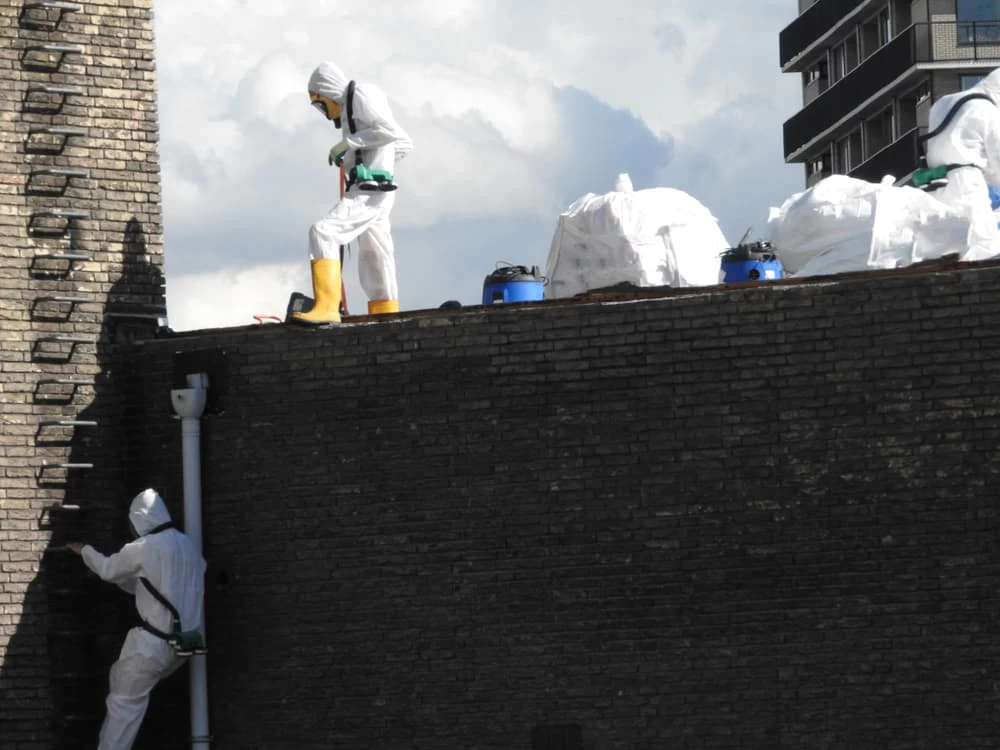
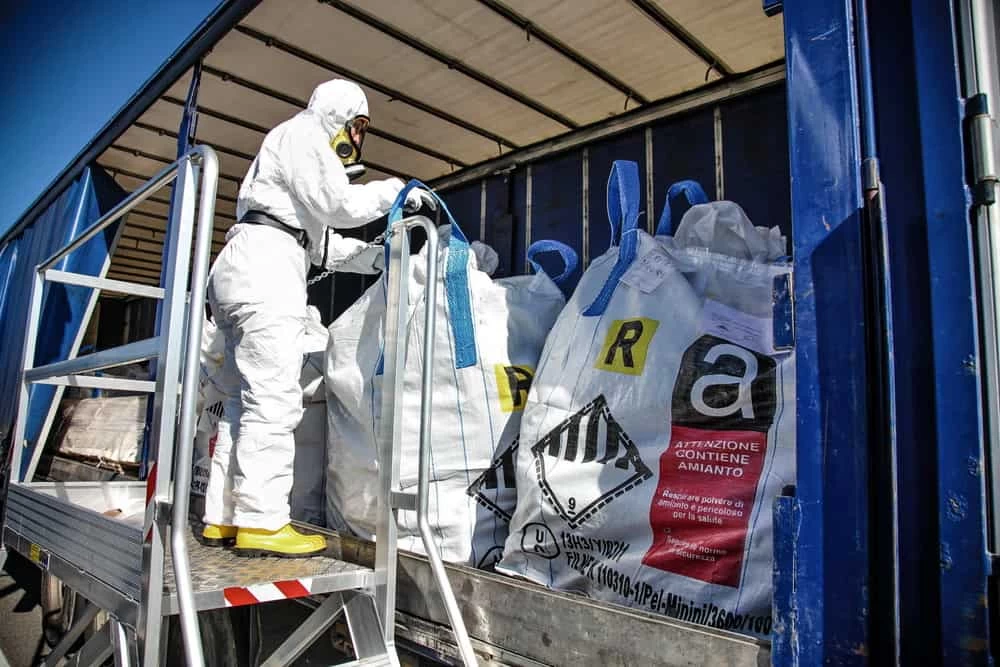
During the removal, the work area is fully contained with negative air pressure and HEPA filtration. Our certified handlers use wet methods to suppress fiber release, and all waste is sealed and transported to a licensed disposal facility with full documentation. After the abatement is complete, independent clearance air monitoring is conducted before containment comes down. You get the results in writing the kind of documentation that holds up with a real estate attorney, a general contractor, or a village inspector.
Every Category of Asbestos Found in Old Field Homes
The asbestos-containing materials most commonly found in Old Field’s mid-century estates aren’t limited to one location in the home. Floor tiles particularly the 9×9 vinyl asphalt tiles installed throughout homes built before 1980 almost always contain asbestos, and so does the black mastic adhesive beneath them. Popcorn ceilings applied during the 1950s through 1970s are another common source, especially in larger homes where acoustic ceiling treatments were standard. Pipe and boiler insulation is among the most serious categories because it becomes friable as it ages, meaning it actively releases fibers into the air of living spaces.
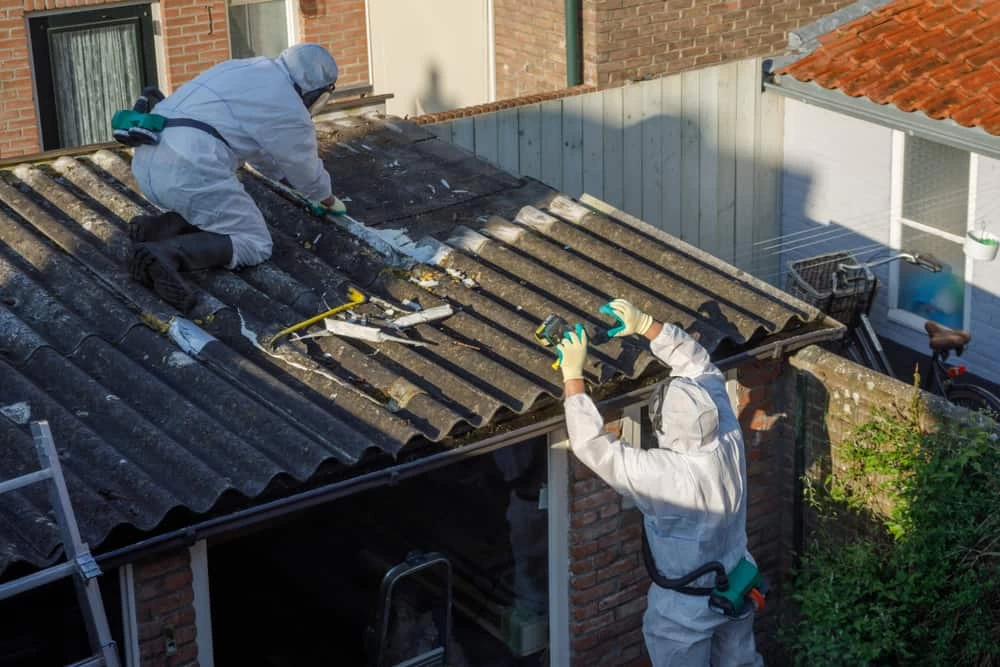
Beyond those, asbestos was used in roof shingles, siding panels, joint compound, textured wall coatings, and duct insulation all materials that show up regularly in the type of estate-scale homes that define Old Field’s residential character. If you’re replacing an HVAC system, converting from oil to gas heat, or gutting a basement utility room, testing before demolition isn’t optional. It’s required by state law and, frankly, it protects everyone on the job site.
We handle asbestos removal services across all of these categories testing, abatement, waste disposal, and clearance air monitoring under one licensed contractor. For homeowners in Old Field managing a renovation, a sale, or post-storm remediation near Flax Pond or the waterfront, that full-service approach means fewer moving parts and a cleaner paper trail from start to finish.
Does Old Field village require a separate permit for asbestos abatement work?
Old Field is an incorporated village with its own building department separate from the Town of Brookhaven and all building permits are reviewed and approved at monthly Board of Trustees meetings. If your asbestos abatement is part of a larger renovation or demolition project, a building permit may be required through the village, and that application will need to include an Environmental Assessment Form. The monthly meeting cycle means timing matters. A permit application submitted too late in the cycle can delay your project by weeks.
At the state level, any asbestos project involving more than 10 linear feet or 10 square feet of material must be filed with the NYS DOL Asbestos Control Bureau before work starts regardless of what the village requires. We handle that notification as part of every project. We know the Old Field permit process and factor it into the project schedule from the start, so you’re not caught off guard by a timeline gap between approval and abatement.
How do I know if my Old Field home actually contains asbestos?
The most reliable answer is testing not assumptions based on age alone, though age is a strong indicator. If your home was built before 1980, there’s a real probability that asbestos-containing materials are present somewhere. In Old Field specifically, where most of the housing stock dates to the 1940s through 1970s, that probability is high. The materials most commonly found are floor tiles and their adhesive, pipe and boiler insulation, popcorn ceiling coatings, and roofing materials.
The only way to confirm asbestos is through lab analysis of a physical sample taken from the suspected material. Visual inspection alone isn’t enough asbestos-containing materials often look identical to non-asbestos versions. We collect samples from suspected areas, send them to an accredited laboratory, and provide you with the results before any abatement work is scoped or priced. You’ll know exactly what’s there, where it is, and what needs to happen next.
What happens if asbestos is disturbed during a renovation in Old Field?
If asbestos-containing material is disturbed without proper containment during a flooring demo, a ceiling removal, or a pipe replacement fibers can become airborne and spread through the home. Once that happens, the remediation scope expands significantly. You’re no longer just removing the original material. You may be dealing with fiber contamination in adjacent rooms, HVAC systems, and surfaces throughout the property. The cost and timeline both increase, and the legal exposure for whoever performed the work without proper licensing increases too.
In New York State, performing asbestos abatement without a NYS DOL contractor license is a violation of Industrial Code Rule 56 and homeowners who knowingly allow unlicensed work can face liability as well. If a general contractor or handyman disturbs suspected asbestos during a renovation in your Old Field home, stop the work immediately and call a licensed abatement contractor. The sooner containment is established, the more limited the impact. We respond quickly to exactly these situations.
How long does asbestos abatement typically take for a home in Old Field?
It depends on the scope specifically, how many materials are affected, where they’re located in the home, and whether the project requires a village building permit in addition to the state notification. A single-room floor tile removal in a home near Stony Brook Harbor might take one to two days from containment setup to clearance. A more complex project pipe insulation throughout a basement, popcorn ceilings across multiple rooms, and tile removal on two floors could run five to seven days or more.
The clearance air monitoring phase adds time as well, and it should. Samples need to be analyzed before containment comes down and the space is released for re-occupancy or continued renovation. Rushing that step defeats the purpose. When you factor in Old Field’s village permit process which runs on a monthly trustee meeting schedule the overall project timeline from first call to cleared space can range from two weeks to six weeks depending on permit requirements and scope. We’ll give you a realistic timeline upfront, not a number designed to win the bid.
Is asbestos popcorn ceiling removal in Old Field something I can do myself?
No and not just because it’s difficult. In New York State, removing asbestos-containing material in quantities above the regulatory threshold requires a licensed asbestos contractor with certified handlers. Popcorn ceiling coatings applied before 1980 frequently contain asbestos, and disturbing them without proper containment releases fibers directly into the living space. There’s no consumer-grade equipment that adequately controls that exposure.
Beyond the legal issue, the practical risk is significant. Asbestos fibers are invisible to the naked eye, have no odor, and don’t cause immediate symptoms which means you won’t know during the work that anything went wrong. The health effects of asbestos exposure mesothelioma, asbestosis, lung cancer develop over years or decades. That’s exactly why the regulatory framework exists. If you’re planning a renovation in an Old Field home with original ceilings from the 1960s or 70s, have the material tested before any work touches it. If it comes back positive, licensed abatement is the only legal and safe path forward.
How much does asbestos abatement cost for a home in Old Field, NY?
Costs vary based on the type of material, the quantity, the location in the home, and the complexity of containment required. For a straightforward asbestos tile removal in a single room, you’re typically looking at somewhere in the range of $1,500 to $3,000. A more involved project pipe insulation removal, multi-room ceiling abatement, or a whole-home assessment with multiple material types can run $5,000 to $15,000 or more depending on scope.
In Old Field, where homes tend to be large and often contain asbestos in multiple locations simultaneously, it’s common for abatement scopes to cover more than one material category. The cost of clearance air monitoring and waste disposal documentation is included in every project we scope those aren’t add-ons. For a home valued at $1.4 million or more, cutting corners on asbestos abatement to save a few hundred dollars creates legal and financial risk that far outweighs the savings. We provide itemized estimates so you know exactly what you’re paying for before any work begins.