Older Homes Near the Titicus Don't Keep Secrets Long
If your Purdys home was built before 1980, there’s a real chance asbestos is somewhere in it and a renovation, a flood, or a failing pipe wrap is usually what brings it to the surface. We handle the full process, from inspection to clearance documentation, so you’re not left guessing.
I needed a professional consultation explanation of procedure for safe removal of Asbestos in my apartment complex. Without having an account yet, I was very impressed with the caring, knowledgeable and generous advice offered by Jessica, and will look forward to doing business in the future. Thank you so much! I feel much more informed about a sometimes scary endeavor. Peace. Nancy Silva Mineola, NY.
Mia Munoz
Used this company to clean up some water flood in my house. They were fast and easy to work with.very professional, Would recommend to anyone!
Nini Valle
Great company, had a flood and they responded quickly and efficiently. Billed my insurance company directly. I highly recommend this company!
joe colapietro, jr
I had pipe freeze in my basement right before a snow storm and they made to within an hour to help start the clean up process. They we by our side throughout the entire process and even helped with the insurance company. They did such a great job with the cleanup, repair, remidiation, I contracted them to perform the repairs and finishes in the basement. They came with enough manpower and material to get the job done. Leo and Jessica were nothing but a pleasure to deal with!!
Cristian Arredondo c
I had some water damage in my home and Green Island was able to take care of my issue quickly and effectively. I am very pleased with the work they did. They responded quickly and were very professional.
Michael M
Outstanding service! From the office to the field crew everyone was friendly, helpful and responsive. I highly recommend Green Island Group.
What Changes When the Problem Is Actually Resolved
Most homeowners in Purdys don’t call about asbestos because they’re panicking. They call because something came up a contractor flagged the floor tiles, a pipe wrap is crumbling in the basement, or they’re finally tackling a renovation they’ve been putting off. What they want isn’t a lecture. They want to know what they’re dealing with, what it costs, and how fast it can be handled correctly.
When it’s done right, you get more than a clean job. You get documentation. That matters here more than people expect, because North Salem’s real estate market is sharp and buyers’ attorneys know what to ask for. A post-abatement clearance certificate from a licensed contractor doesn’t just give you peace of mind it removes a potential deal-killer before it ever becomes one.
There’s also the flood factor. The Titicus River runs through this area, and anyone who was here during Hurricane Irene in 2011 knows what a serious storm can do. When water gets into a pre-1980 home in Purdys, it doesn’t just damage drywall it disturbs the materials that were built into those walls and floors decades ago. Getting those materials properly identified and removed means you’re not sitting on a hidden problem the next time a storm rolls through.
We’re a New York-based environmental remediation contractor with over 5,000 completed projects across the metro area including homes throughout Purdys, North Salem, and the surrounding upper Westchester communities. This isn’t a franchise operation or a referral network. We’re a licensed contractor that handles every phase of abatement in-house, from the initial inspection through certified disposal and final clearance.
The credentials matter here specifically because Purdys sits right at the Connecticut border, where Route 116 crosses over into CT. That means some contractors soliciting work in this area hold Connecticut licenses not New York State ones. We hold the NYS Department of Labor Asbestos Handling License, EPA certification, NYS DEC disposal compliance, and are formally certified as a Minority/Women-owned Business Enterprise by the NYS Office of General Services. Those aren’t marketing claims they’re verifiable credentials any homeowner can look up.
If you’re on Titicus Road, near Purdys Station, or anywhere in the North Salem area, we’ve worked in homes like yours. We know the housing stock in Purdys, we know what the mid-century construction in this area typically contains, and we know what proper documentation looks like when the job is done.
No Surprises Here's Exactly What the Process Looks Like
It starts with a free on-site inspection. One of our inspectors comes to your home, assesses the materials in question floor tiles, ceiling texture, pipe insulation, boiler wrap, joint compound, whatever prompted the call and gives you a clear written estimate. No charge to find out what you’re dealing with. That’s deliberate, because the worst thing you can do in this situation is make a decision without the full picture.
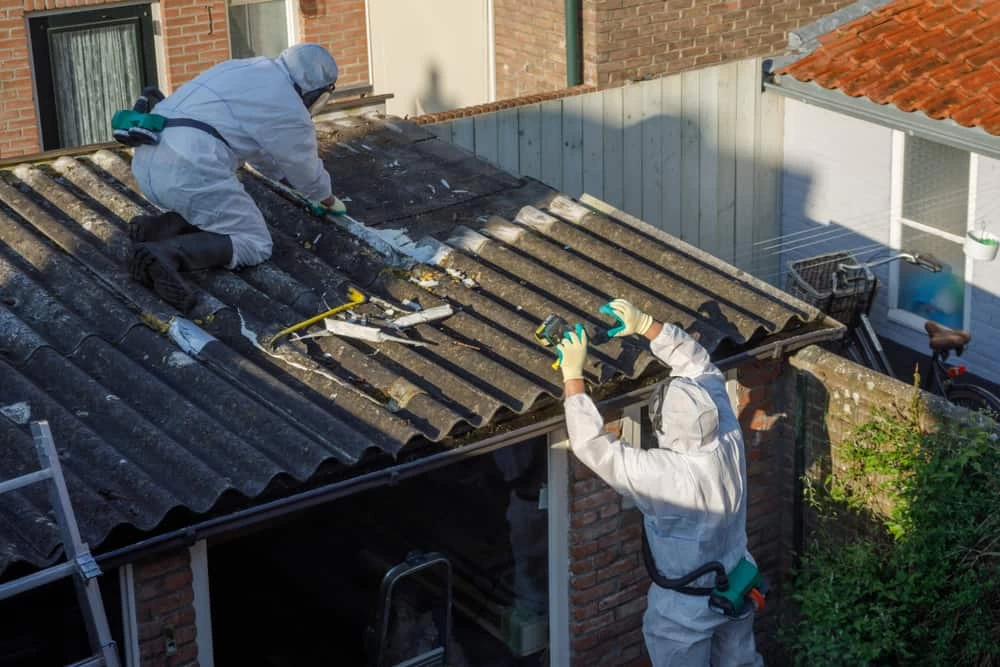
Once the scope is confirmed, our crew sets up proper containment before anything is touched. That means polyethylene sheeting, negative air pressure machines that pull air into the work zone rather than letting it circulate outward, and HEPA filtration throughout. For older homes in Purdys many with original plaster walls, hardwood floors, and architectural details worth protecting this containment step is what keeps the rest of your home out of the equation entirely.
After removal, all asbestos-containing materials are bagged, labeled, and transported to a certified disposal facility following NYS DEC chain-of-custody requirements. Because Purdys sits adjacent to the Titicus Reservoir and the NYC Croton Watershed, proper disposal isn’t just a regulatory checkbox it’s what responsible work in this community looks like. The project closes with post-abatement air clearance testing and formal documentation confirming the area passed. That paperwork is yours to keep.
Every Material Type Found in North Salem Homes, Handled in One Project
The homes in and around Purdys weren’t built in one era they came up in waves, from the late 1800s after the Titicus Reservoir displaced the original hamlet, through the postwar construction boom of the 1950s, 60s, and 70s. That means the asbestos-containing materials in these homes aren’t always the same from house to house. Some have 9×9 vinyl floor tiles in the kitchen. Others have acoustic spray texture on the ceilings. Many have asbestos-wrapped steam pipes in the basement tied to old oil-fired boilers that haven’t been touched in decades.
We handle all of it asbestos tile removal, popcorn ceiling removal, pipe and boiler insulation, drywall joint compound, roofing underlayment in a single project, under a single license, with a single chain of custody on waste disposal. You’re not coordinating multiple contractors or dealing with documentation gaps because one company handled the floor and another handled the pipes. It’s all covered, all documented, and all closed out with one clearance certificate.
For homeowners preparing to renovate or sell, that single-project approach also keeps the timeline clean. The Town of North Salem’s building permit process requires hazardous materials to be addressed before renovation work proceeds, and our documentation satisfies that requirement directly. If you’re working with a real estate attorney or a lender who needs to see clearance paperwork before closing, our standard deliverables are built to meet exactly that need.
Does my Purdys home actually have asbestos, or is that just a concern for older buildings?
If your home was built before 1980, there’s a meaningful probability that at least one material in it contains asbestos. That’s not an exaggeration it’s the reality of how homes were built during that era. Asbestos was used in vinyl floor tiles, ceiling texture, pipe and boiler insulation, drywall joint compound, and roofing underlayment as a matter of standard practice. Homes in Purdys built between the late 1800s and the mid-1970s which covers most of the residential stock in this area fall squarely in that window.
The important distinction is between asbestos that’s intact and asbestos that’s been disturbed. Intact materials that aren’t deteriorating and aren’t being touched generally don’t require immediate action. But the moment you’re renovating, replacing flooring, removing ceiling texture, or dealing with crumbling pipe insulation, those materials need to be assessed before work proceeds. The only way to know for certain is to have a licensed inspector look at what you have which is why we offer the initial inspection at no charge.
What does asbestos abatement actually cost for a typical home in North Salem?
The honest answer is that it depends on what materials are present, how much of them there are, and where they’re located in the home. A targeted project removing asbestos floor tiles in one room, for example might run a few thousand dollars. A more comprehensive project involving pipe insulation throughout a basement, ceiling texture in multiple rooms, and floor tiles in several areas can reach $15,000 to $20,000 or more. Those aren’t numbers designed to alarm you; they reflect the actual labor, containment, disposal, and documentation costs involved in doing the work correctly.
What’s worth keeping in mind for a Purdys property is the real estate math. Homes in this area carry significant value, and an undisclosed or unresolved asbestos issue discovered during due diligence can result in price reductions, delayed closings, or deals that fall through entirely. The cost of proactive abatement before listing is typically modest relative to what a late discovery can cost you at the negotiating table. Our free inspection gives you a clear number before you commit to anything, so you’re making a decision with full information.
Do I need to leave my house during asbestos removal in Purdys?
For most projects, yes you’ll need to be out of the home while active abatement is happening in the work zone, and in many cases until post-abatement air clearance testing confirms the area is clean. The exact scope of displacement depends on where the work is being done and how the home is laid out. A basement pipe insulation project in a home with good separation from the living areas is a different situation than ceiling texture removal throughout the main floor.
Our containment protocol negative air pressure, polyethylene sheeting, HEPA filtration is specifically designed to isolate the work zone from the rest of the home. For older Purdys homes with open layouts or older HVAC systems that circulate air throughout the house, that containment setup is what keeps the abatement work from affecting areas that aren’t being touched. Your inspector will walk you through the specific displacement plan for your home during the initial assessment, so you know exactly what to expect before any work begins.
Can a Connecticut-licensed contractor legally do asbestos removal work in Purdys, NY?
No. Asbestos abatement in New York State requires a NYS Department of Labor Asbestos Handling License a Connecticut license doesn’t satisfy that requirement. This is a specific issue for Purdys because the hamlet sits right at the eastern end of Route 116, where it crosses into Connecticut. Some contractors operating out of the CT side of the border market their services to Purdys and North Salem residents without holding the NY-specific credentials required by law.
Hiring an unlicensed contractor for asbestos work isn’t just a quality risk it creates a legal exposure for the property owner. If the work isn’t performed under a valid NYS DOL license, the documentation won’t be recognized by New York State regulators, real estate attorneys, or lenders. We hold the full NYS DOL Asbestos Handling License, and the license number is publicly verifiable on the state’s database. Before hiring any contractor for asbestos work in Purdys, ask for their NYS DOL license number and look it up. It takes about two minutes and it’s the most important question you can ask.
What happens if flooding from the Titicus River disturbs asbestos materials in my home?
It’s a real scenario in this area. The Titicus River at Purdys Station has a documented flood history the USGS gauge recorded a peak discharge of over 2,100 cubic feet per second during Hurricane Irene in August 2011. When water gets into a pre-1980 home at that level, it doesn’t just damage drywall and flooring. It disturbs the vinyl floor tiles, the wall materials, and the mechanical system components that were built into those homes decades ago. What starts as a water damage event becomes an asbestos disturbance event simultaneously.
We handle both. We work directly with insurance carriers on water damage and asbestos abatement claims, managing the billing and documentation on your behalf so you’re not stuck as the intermediary between a contractor and an adjuster while you’re also dealing with a displaced household. If you’ve had significant water intrusion in an older Purdys home and you’re not sure whether asbestos materials were disturbed, the right move is to get an inspection before any remediation or repair work proceeds. Disturbing those materials without proper containment in place turns a manageable situation into a much more complicated one.
How do I know the asbestos removal in my Purdys home was done correctly?
The answer is in the documentation. After every abatement project, we conduct post-abatement air clearance testing an independent assessment that confirms the work area has been tested and the airborne fiber count meets the clearance standard required by New York State. That test result, along with the project documentation, is provided to you as a formal clearance certificate. It’s not a verbal confirmation or a contractor’s word it’s a written record with test data attached.
That documentation matters beyond just your own peace of mind. For homeowners in Purdys preparing to sell, the clearance certificate is what a buyer’s attorney or lender will ask to see if asbestos abatement was performed on the property. For homeowners who went through the abatement process because of a flood or storm event, it’s what an insurance carrier needs to close out the environmental portion of the claim. Our standard process is built around producing that documentation as a deliverable not as an afterthought because in this market, the paperwork is part of what you’re paying for.