Scarsdale's Older Homes Deserve More Than a Generic Crew
Most homes in Scarsdale were built before 1960 and the materials used back then weren’t meant to last forever. We provide licensed asbestos abatement in Scarsdale, NY with the documentation your home, your renovation, and your real estate transaction actually need.
I needed a professional consultation explanation of procedure for safe removal of Asbestos in my apartment complex. Without having an account yet, I was very impressed with the caring, knowledgeable and generous advice offered by Jessica, and will look forward to doing business in the future. Thank you so much! I feel much more informed about a sometimes scary endeavor. Peace. Nancy Silva Mineola, NY.
Mia Munoz
Used this company to clean up some water flood in my house. They were fast and easy to work with.very professional, Would recommend to anyone!
Nini Valle
Great company, had a flood and they responded quickly and efficiently. Billed my insurance company directly. I highly recommend this company!
joe colapietro, jr
I had pipe freeze in my basement right before a snow storm and they made to within an hour to help start the clean up process. They we by our side throughout the entire process and even helped with the insurance company. They did such a great job with the cleanup, repair, remidiation, I contracted them to perform the repairs and finishes in the basement. They came with enough manpower and material to get the job done. Leo and Jessica were nothing but a pleasure to deal with!!
Cristian Arredondo c
I had some water damage in my home and Green Island was able to take care of my issue quickly and effectively. I am very pleased with the work they did. They responded quickly and were very professional.
Michael M
Outstanding service! From the office to the field crew everyone was friendly, helpful and responsive. I highly recommend Green Island Group.
When asbestos is handled correctly, you’re not just removing a hazard you’re protecting everything tied to your home. In Scarsdale, where average home values sit above $1.2 million, the stakes around proper documentation and clean clearance records are real. A buyer’s attorney, a lender, or a village building inspector will ask for proof. That proof only exists if the contractor who did the work was licensed, followed NYS DOL protocol, and issued formal air clearance documentation when the job was complete. That’s exactly what we deliver.
Fox Meadow, Heathcote, and Greenacres are full of homes built in the 1920s and 1930s and that housing stock almost always contains asbestos in places people don’t immediately think to check. Floor tiles, pipe insulation around old boilers, joint compound, ceiling texture. If you’re renovating, selling, or tearing down, those materials need to be assessed before anyone swings a hammer. Skipping that step doesn’t save time it creates liability.
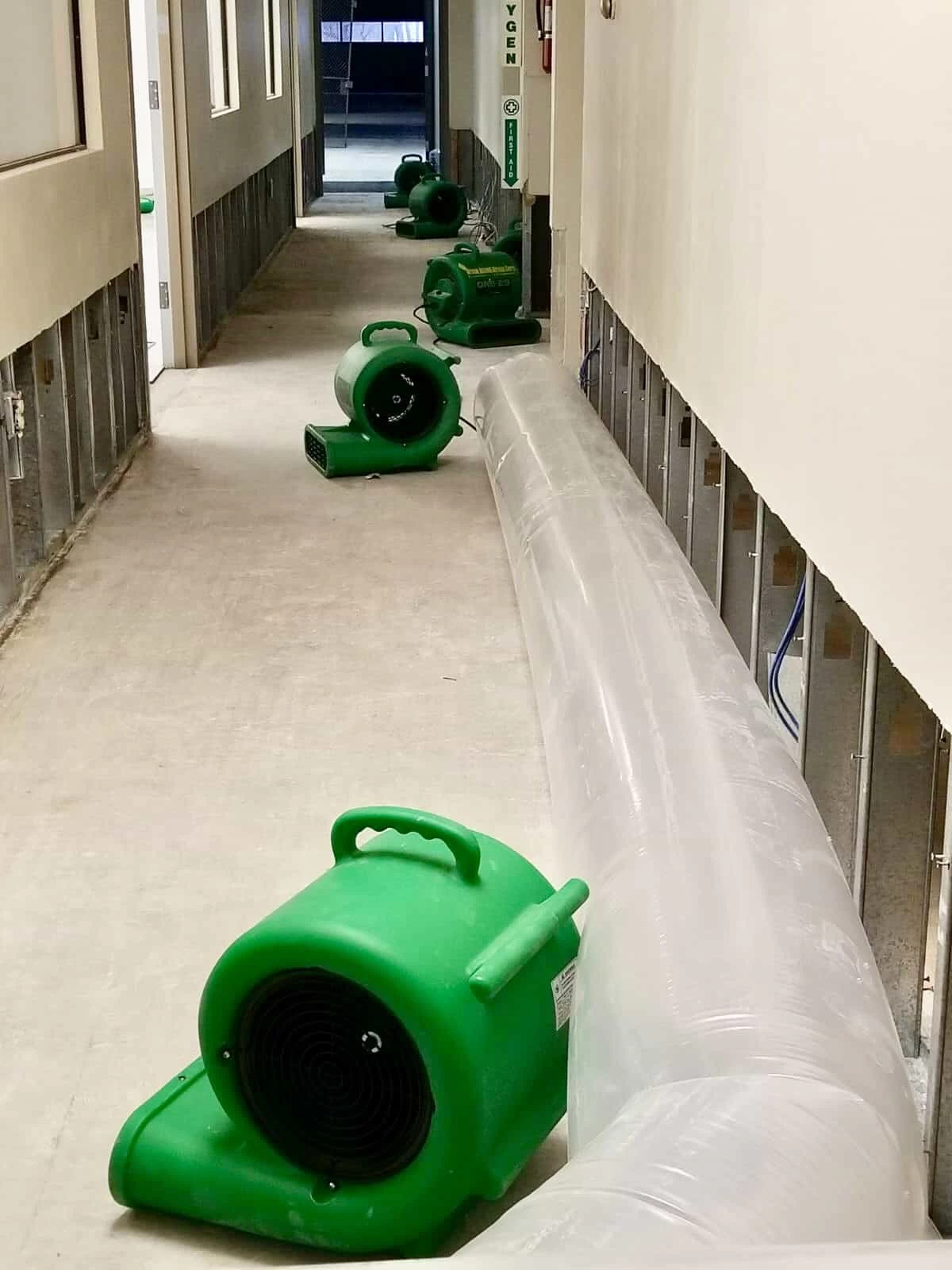
Scarsdale also has documented flooding concerns along the Bronx River and Sheldrake River corridors. Streets like Cushman Road, Paddington Road, and Brookby Road have seen water events that reach basement mechanical spaces exactly where asbestos-wrapped pipe insulation tends to live. Water damage in a pre-1960 home isn’t just a drying job. If it disturbs asbestos-containing materials, it becomes an abatement event. Knowing that going in changes how you handle the whole situation.
We are a New York-based environmental remediation contractor with over 5,000 completed projects across the metro area, including throughout Westchester County and Scarsdale. We hold a NYS Department of Labor Asbestos Handling License, EPA certification, and NYC DEP contractor approval the full stack required to legally perform every phase of asbestos abatement without farming work out to someone else. We are also M/WBE certified by the NYS Office of General Services, a formal state-issued credential that reflects a level of vetting most contractors in this space simply don’t have.
Working in Scarsdale means working in one of the most demanding residential markets in the country. Homeowners here ask detailed questions, verify credentials, and expect clear communication from start to finish. That’s not a challenge that’s exactly how it should work. If you want to look up our license number before you call, go ahead. That transparency is part of how we earn the work.
No Guesswork Here's Exactly What the Process Looks Like
It starts with a free on-site inspection. A licensed professional comes to your Scarsdale home, assesses the materials in question, and gives you a clear, written picture of what you’re dealing with before you spend anything. For older homes in neighborhoods like Quaker Ridge or Edgewood, where 1950s and 1960s construction is common, that initial assessment often turns up vinyl asbestos floor tiles, acoustic ceiling texture, or duct insulation that the homeowner didn’t know was there.
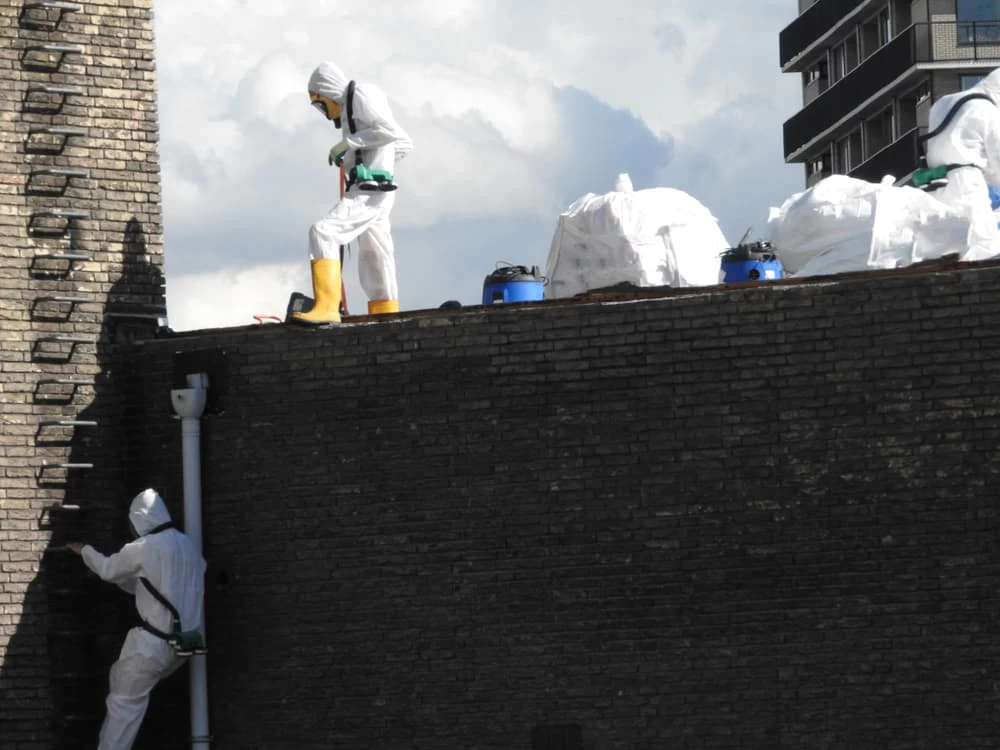
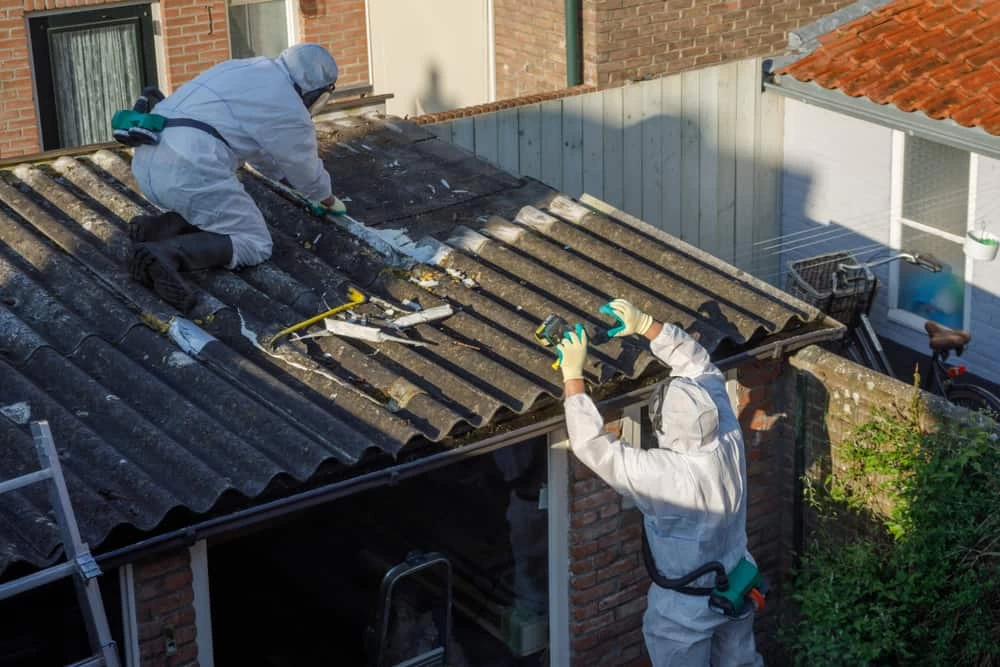
If abatement is needed, the work area is sealed using negative air pressure containment polyethylene barriers, HEPA-filtered air scrubbers, and a decontamination chamber that prevents fibers from migrating to the rest of your home. Under New York State Industrial Code Rule 56, every worker on-site must hold individual NYS DOL handler or supervisor certification not just the company. That requirement exists for good reason, and we meet it on every project.
Once the abatement is complete, independent air clearance testing is conducted to confirm fiber counts have returned to safe levels. You receive formal documentation of that result. In Scarsdale, where pre-demolition surveys are legally required before any teardown and renovation permits require environmental sign-off, that paperwork isn’t a formality it’s what allows your project to move forward. Everything is handled in sequence, documented at every step, and delivered to you in a format that holds up to scrutiny.
Asbestos Tile and Popcorn Ceiling Removal, Scarsdale
The Materials Most Common in Scarsdale Homes Handled Completely
The asbestos materials we remove most frequently in Scarsdale fall into a predictable pattern based on when the homes were built. In Fox Meadow and Heathcote, where many homes predate 1940, the most common finds are pipe and boiler insulation, original 9×9 vinyl floor tiles, and drywall joint compound. In Quaker Ridge, where most homes went up between the 1950s and 1970s, popcorn ceiling texture and acoustic tile are more prevalent both of which were applied heavily during that era and both of which can become friable when disturbed during a renovation.
Asbestos tile removal and asbestos popcorn ceiling removal are among the most common residential abatement services in Scarsdale, and both require full containment, licensed removal, certified disposal with chain-of-custody documentation, and post-clearance air testing before the space is released. These aren’t jobs where cutting corners saves time they’re jobs where cutting corners creates a record problem that follows the property.
For homeowners preparing to sell, for developers working through Scarsdale’s active teardown-rebuild cycle, and for anyone dealing with water damage in a pre-1980 home, we provide the complete service: inspection, abatement, disposal, and clearance documentation. One contractor, every phase, fully licensed for Westchester County.
Does my older Scarsdale home actually need asbestos testing before renovating?
If your home was built before 1980, testing before any renovation is the right call and in many cases under New York State regulations, it’s required. Scarsdale’s housing stock skews old. The median construction year for homes in the village is 1943, and a significant portion of homes in Fox Meadow, Heathcote, and Greenacres were built in the 1920s and 1930s. During that era, asbestos was used in floor tiles, pipe insulation, ceiling texture, joint compound, roofing materials, and more. It wasn’t a fringe product it was standard.
The issue isn’t just health risk, though that’s real. It’s also legal exposure. If a contractor disturbs asbestos-containing materials during a renovation without a prior survey and proper abatement, the homeowner and contractor can both face regulatory consequences under NYS DOL’s Industrial Code Rule 56. A pre-renovation inspection is a short, low-cost step that protects you from a much larger problem down the road.
How much does asbestos removal typically cost for a Scarsdale home?
Cost depends on the scope what materials are present, how much square footage is involved, and what the containment requirements are for that specific area of the home. A single-room floor tile removal in a Scarsdale home might run in the range of $1,500 to $4,000. A more involved project boiler room pipe insulation, multiple rooms of floor tile, and popcorn ceiling removal can reach $10,000 to $25,000 or more depending on conditions.
In a market where the average Scarsdale home is worth over $1.2 million, that cost is a fraction of the property’s value and a rational investment in protecting it. More importantly, cutting corners on abatement to save money creates documentation gaps that can surface during a sale when a buyer’s attorney or inspector asks for clearance records that don’t exist. The cost of a failed transaction in this market is far greater than the cost of doing the abatement correctly the first time. We provide detailed written estimates after the free on-site inspection, so you know exactly what you’re paying for before any work begins.
Is asbestos abatement required before a teardown in Scarsdale, NY?
Yes. Under New York State law, a pre-demolition asbestos survey is required before demolishing any building or structure, regardless of how old it is. The survey must be conducted by a certified NYS Asbestos Inspector, and if asbestos-containing materials are found which in Scarsdale’s pre-war housing stock they almost always are licensed abatement must be completed before demolition can proceed.
Scarsdale has an active teardown-rebuild real estate cycle, and this requirement applies to every one of those projects. There’s no exemption for older homes, and there’s no shortcut around the documentation requirement. We handle the full pre-demolition process: certified inspection, laboratory analysis, licensed abatement, certified waste disposal, and clearance documentation. That complete package is what allows the demolition permit to move forward without regulatory delays. If you’re a developer or investor working in Scarsdale’s teardown market, having one contractor who covers every step of that process is the most efficient way to keep a project on schedule.
Can I stay in my house during asbestos abatement in Scarsdale?
In many cases, yes depending on where in the home the work is being done and the scope of the project. We use negative air pressure containment systems that physically isolate the work area from the rest of the home. Polyethylene barriers seal the space, HEPA-filtered air scrubbers maintain negative pressure so air flows into the containment rather than out, and a decontamination chamber prevents cross-contamination when workers move in and out of the work zone.
For a localized project a single room of floor tile removal or a contained basement pipe insulation job families in other parts of the home are typically not at risk during the work. For larger projects involving multiple rooms or whole-floor abatement, temporary relocation during active work hours may be advisable. After abatement is complete, independent air clearance testing confirms that fiber counts in the work area are within safe levels before the containment comes down. You’ll have documentation of that result not just a verbal assurance. That clearance record is what tells you the space is genuinely safe to re-occupy.
What asbestos materials are most commonly found in Scarsdale homes?
The answer depends largely on when your home was built, and Scarsdale’s neighborhoods each have their own construction era. In Fox Meadow and Greenacres, where many homes date to the 1920s, the most common finds are boiler and pipe insulation, original 9×9 vinyl floor tiles in kitchens and utility rooms, and horsehair plaster with asbestos-containing additives. In Heathcote, where many residences were built no later than 1939, similar materials are typical along with asbestos-containing drywall joint compound.
In Quaker Ridge, where most homes were built between the 1950s and 1970s, acoustic ceiling texture commonly called popcorn ceiling and vinyl asbestos floor tiles in larger formats are the most frequent finds. Asbestos popcorn ceiling removal is one of the most requested services in that neighborhood specifically. Across all of Scarsdale, basement mechanical spaces boiler rooms, utility areas, older HVAC duct connections are consistently high-probability areas for asbestos-containing insulation, especially in homes that haven’t had significant mechanical system updates since original construction.
What documentation do I receive after asbestos abatement is completed in Scarsdale?
At the end of every project, we provide formal post-abatement air clearance documentation the certified record of independent air testing conducted after abatement is complete, confirming that airborne fiber counts have returned to safe background levels. This is not an internal report generated by the same crew that did the work. It’s an independent test result that carries regulatory weight.
In Scarsdale, this documentation matters beyond the health record. If you’re selling a home, a buyer’s attorney will ask about any known environmental work. If you’ve completed a renovation that required a building permit, the village building department may require environmental clearance as part of the file. If you’re a developer who completed pre-demolition abatement before a teardown, that clearance record is part of the chain of documentation that protects you from future liability. We also provide complete waste disposal records with chain-of-custody documentation, confirming that all asbestos-containing materials were removed from your property and disposed of at a licensed facility in accordance with NYS DEC requirements. You leave the project with a complete file not just a finished job.