Southold’s oldest homes hide asbestos in places most contractors never think to check. We bring certified asbestos removal to the North Fork done right, documented, and fully compliant with New York State law.
I needed a professional consultation explanation of procedure for safe removal of Asbestos in my apartment complex. Without having an account yet, I was very impressed with the caring, knowledgeable and generous advice offered by Jessica, and will look forward to doing business in the future. Thank you so much! I feel much more informed about a sometimes scary endeavor. Peace. Nancy Silva Mineola, NY.
Mia Munoz
Used this company to clean up some water flood in my house. They were fast and easy to work with.very professional, Would recommend to anyone!
Nini Valle
Great company, had a flood and they responded quickly and efficiently. Billed my insurance company directly. I highly recommend this company!
joe colapietro, jr
I had pipe freeze in my basement right before a snow storm and they made to within an hour to help start the clean up process. They we by our side throughout the entire process and even helped with the insurance company. They did such a great job with the cleanup, repair, remidiation, I contracted them to perform the repairs and finishes in the basement. They came with enough manpower and material to get the job done. Leo and Jessica were nothing but a pleasure to deal with!!
Cristian Arredondo c
I had some water damage in my home and Green Island was able to take care of my issue quickly and effectively. I am very pleased with the work they did. They responded quickly and were very professional.
Michael M
Outstanding service! From the office to the field crew everyone was friendly, helpful and responsive. I highly recommend Green Island Group.
You can move forward. That’s the short answer. Whether you’re mid-renovation on a Cutchogue farmhouse, preparing a Peconic waterfront cottage for sale, or finally tackling that popcorn ceiling in a home that’s been in the family for decades asbestos doesn’t have to be the thing that stops everything cold.
Southold’s housing stock is genuinely old. We’re talking about homes built in the 1800s, mid-century seasonal cottages along the Sound, and 1970s ranch homes in Mattituck that were constructed right in the heart of the asbestos era. The materials used in those homes floor tiles, pipe insulation, ceiling texture, siding weren’t flagged as dangerous at the time. But they are now, and they need to be handled by someone who knows what they’re looking at.
Once the work is done and documented, your renovation can move forward legally. Your real estate transaction has what it needs to close. Your family isn’t breathing something that was disturbed by a contractor who didn’t know better. That’s the outcome not a certificate on the wall, but an actual clear path forward on a property you care about.
We’re a Long Island–based asbestos abatement and environmental remediation company, fully licensed by the New York State Department of Labor and compliant with Industrial Code Rule 56 the state law that governs every asbestos project in New York, including right here in Suffolk County.
The North Fork isn’t a market most large remediation companies prioritize. It’s at the end of the road literally. Route 25 runs all the way out to Orient Point, and the homes along it tell the story of a community that’s been here a long time. We serve Southold and the surrounding area because the need is real. Old homes, active renovations, second-home buyers from the city who need a contractor they can trust from a distance that’s exactly the kind of work we do.
Every project starts with a certified inspection. Every job is completed by our certified workers. Every finished project comes with documentation you can actually use for permits, for closings, for your own peace of mind.
It starts with an inspection. Before anything is removed, a certified asbestos inspector walks the property and assesses all suspect materials floor tiles, pipe insulation, ceiling texture, siding, duct wrap, joint compound. You get a written report. That report is what New York State requires before any renovation or demolition work can legally begin on a pre-1980 building, and it’s what the Southold Town Building Department expects to see as part of your permit documentation.
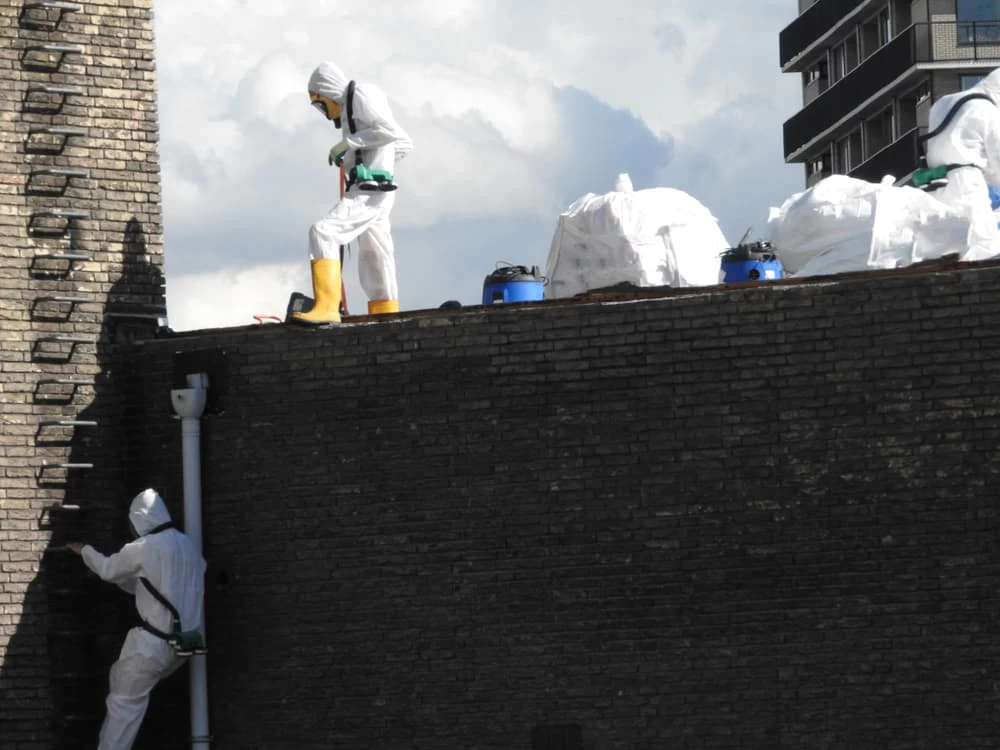
If asbestos-containing materials are confirmed, we set up proper containment before any removal begins. That means negative air pressure, sealed work zones, and full protective protocols not just pulling things out and hoping for the best. For waterfront properties in Southold, where projects may also fall under Southold Town Trustees jurisdiction or NYS DEC oversight depending on proximity to tidal wetlands, we make sure the abatement work fits within the full permitting picture.
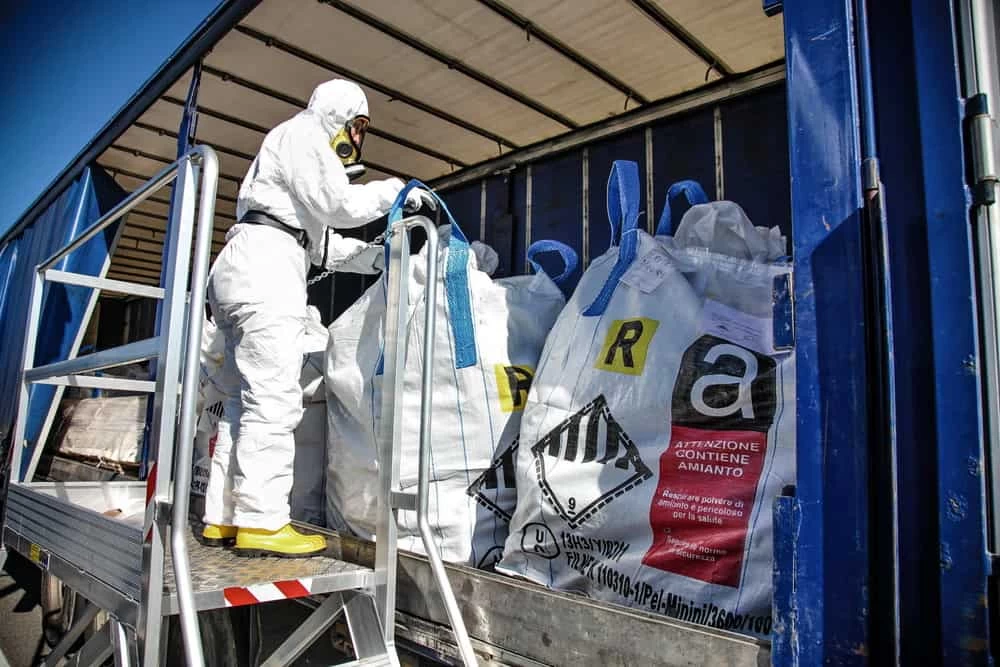
After removal, all materials are transported to a licensed disposal facility following strict chain-of-custody requirements. Then comes air clearance testing independent confirmation that the space is clean. You get full documentation at every stage. That paperwork matters when you’re closing a sale, pulling a final permit, or simply handing a contractor the green light to start demo.
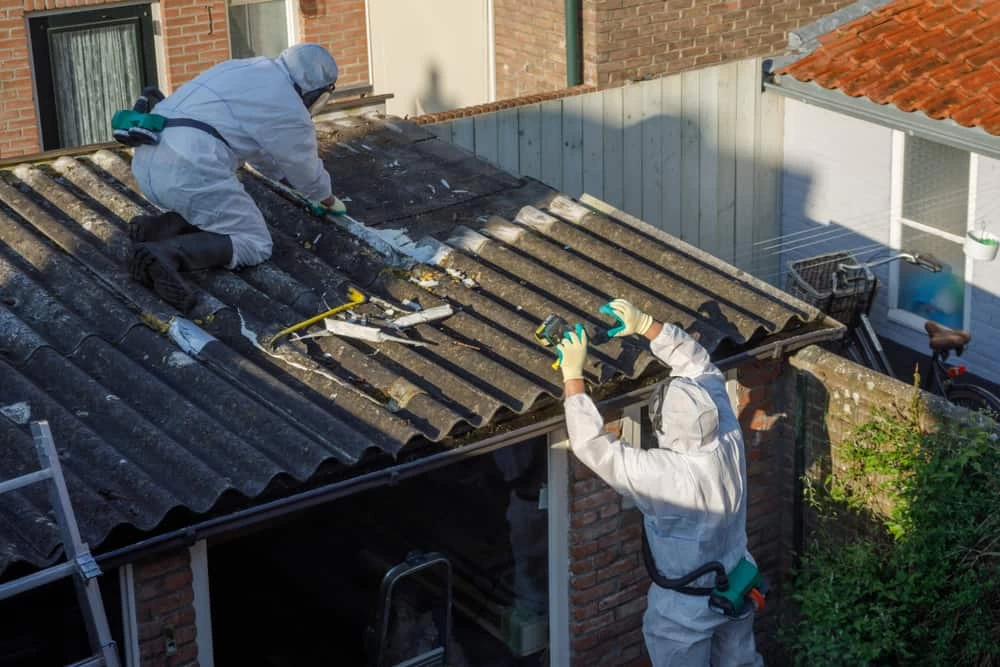
Asbestos shows up differently depending on when a home was built and how it’s been maintained. In Southold, that means a wide range of scenarios. The 9×9 vinyl floor tiles in a 1950s Mattituck cottage almost certainly contain asbestos and so does the black mastic adhesive underneath them. The popcorn acoustic ceilings in a 1970s home near Greenport were applied at the peak of asbestos use in building materials. The pipe insulation wrapped around the boiler in a century-old farmhouse basement in Cutchogue may be heavily deteriorated and actively friable. Each of these situations requires a different approach, and each one is something we handle directly.
We offer asbestos tile removal, popcorn ceiling removal, pipe insulation abatement, transite siding removal, and duct insulation services all performed under the same certified, compliant framework. There are no subcontractors being dispatched without your knowledge. The same licensed team that inspects the property is accountable for the finished result.
For North Fork winery and agricultural property owners converting older barns or farmhouses into tasting rooms or event spaces, we also provide commercial asbestos abatement. These older structures often contain materials that have to be addressed before any renovation permit can be issued, and the process is the same inspect, contain, remove, document, clear.
Do I need an asbestos inspection before renovating my older Southold home?
Yes and it’s not optional. Under New York State Industrial Code Rule 56, a certified asbestos inspection is legally required before any renovation, alteration, or demolition work begins on a building that may contain asbestos-containing materials. For Southold, that applies to virtually every home built before 1980, which covers a significant portion of the town’s housing stock given that Southold was settled in 1640 and has centuries of residential construction to account for.
The inspection needs to be conducted by a certified asbestos inspector not a general home inspector, and not the contractor doing the renovation. The inspector identifies and documents all suspect materials, collects samples if needed, and produces a written report. That report is what your contractor needs before they can legally begin demo, and it’s what the Southold Town Building Department expects to see as part of the permit process. Skipping this step doesn’t just create a health risk it creates a legal and financial liability for you and anyone working on the project.
How much does asbestos removal typically cost for a North Fork property?
It depends on what’s there and how much of it needs to come out. For a straightforward single-material job say, asbestos floor tile removal in one room costs can fall in the $1,500 to $3,000 range. A more involved project involving multiple material types, such as pipe insulation plus ceiling texture plus floor tiles in an older farmhouse, can run significantly higher once you factor in inspection, containment, removal, disposal, and air clearance testing.
Southold homes tend to be complex because of their age and variety. A mid-century cottage in Peconic might have one or two ACM sources. A 19th-century farmhouse in Cutchogue that’s been added onto over the decades could have materials from multiple construction eras layered on top of each other. The only way to get an accurate number is to have a certified inspector assess the property first. Anyone who quotes you a firm price before seeing the home and knowing what’s there is guessing and that’s not a position you want to be in on a project like this.
What building materials in Southold homes are most likely to contain asbestos?
The most common sources we encounter in North Fork homes are 9×9 vinyl floor tiles and the black adhesive mastic beneath them, acoustic popcorn ceilings applied between the 1950s and 1980s, pipe and boiler insulation in older basements, transite cement siding on mid-century homes, and textured wall finishes or joint compound used in renovations from that era. Duct insulation and ceiling tiles in older commercial or agricultural buildings are also common.
What makes Southold different from more suburban parts of Long Island is the sheer age and variety of the housing stock. You might find a home that was originally built in the 1800s and then updated in the 1960s which means you could be dealing with materials from multiple construction periods layered throughout the same structure. The maritime climate on the North Fork also accelerates material deterioration. High humidity, salt air, and seasonal temperature swings can cause older insulation and tile materials to degrade faster, which increases the risk that materials are already in a friable, actively hazardous state by the time anyone looks at them.
Can I sell my Southold home if it has asbestos, or does it need to be removed first?
Asbestos that is in good condition and not disturbed doesn’t always have to be removed before a sale but it does have to be disclosed, and it almost always becomes a negotiating point. In practice, most buyers and their attorneys in today’s Southold real estate market will request remediation as a condition of closing, especially if a home inspection identifies suspect materials or if the buyer is planning any renovation work after purchase.
If asbestos is confirmed during the inspection process, having it professionally abated before listing or at minimum, having a certified abatement contractor ready to move quickly once you’re under contract puts you in a much stronger position. It removes the uncertainty from the transaction and gives buyers the documentation they need to proceed with confidence. For sellers in Southold’s active market, where properties are often purchased by buyers from New York City who are planning significant renovations, having clean abatement documentation in hand is one of the most practical things you can do to protect the deal.
Is asbestos abatement disruptive, and how long does a typical project take in Southold?
The level of disruption depends on the scope. A focused asbestos tile removal project in a single room can often be completed in one to two days. A larger project involving multiple material types pipe insulation, ceiling texture, and flooring throughout several areas of an older home may take several days to a week, including setup, removal, and post-abatement air clearance testing.
For second-home owners managing renovation projects from New York City, timing matters a lot. Many Southold homeowners are trying to get work done in the fall or early spring before the summer season starts, and abatement is often the first step that has to happen before any other contractor can come in. The clearer the scope going into the project, the easier it is to schedule efficiently and hand off to the next trade on time. That’s why the inspection phase isn’t just a legal requirement it’s the planning document that makes everything else run on schedule.
How do I know if a contractor is actually licensed to do asbestos abatement in New York?
New York State requires asbestos abatement contractors to hold a license issued by the NYS Department of Labor, and all workers performing abatement must be individually certified under Industrial Code Rule 56. This is not a general contractor license it’s a specific credential that requires training, testing, and ongoing compliance with state regulations. You can verify a contractor’s license status directly through the NYS Department of Labor’s online contractor search tool.
In Southold and throughout Suffolk County, the stakes of hiring an unlicensed operator are real. If work is performed without the required licensing and documentation, you can face stop-work orders, fines, and serious complications when you try to sell the property or close out a permit. More importantly, improperly handled asbestos creates genuine health risks for anyone in the home. When you’re evaluating contractors, ask directly for their NYS DOL license number and ask to see certification documentation for the workers who will be on-site. A legitimate contractor will have no hesitation providing both.