I needed a professional consultation explanation of procedure for safe removal of Asbestos in my apartment complex. Without having an account yet, I was very impressed with the caring, knowledgeable and generous advice offered by Jessica, and will look forward to doing business in the future. Thank you so much! I feel much more informed about a sometimes scary endeavor. Peace. Nancy Silva Mineola, NY.
Mia Munoz
Used this company to clean up some water flood in my house. They were fast and easy to work with.very professional, Would recommend to anyone!
Nini Valle
Great company, had a flood and they responded quickly and efficiently. Billed my insurance company directly. I highly recommend this company!
joe colapietro, jr
I had pipe freeze in my basement right before a snow storm and they made to within an hour to help start the clean up process. They we by our side throughout the entire process and even helped with the insurance company. They did such a great job with the cleanup, repair, remidiation, I contracted them to perform the repairs and finishes in the basement. They came with enough manpower and material to get the job done. Leo and Jessica were nothing but a pleasure to deal with!!
Cristian Arredondo c
I had some water damage in my home and Green Island was able to take care of my issue quickly and effectively. I am very pleased with the work they did. They responded quickly and were very professional.
Michael M
Outstanding service! From the office to the field crew everyone was friendly, helpful and responsive. I highly recommend Green Island Group.
When we’re done, you walk into a space that feels normal again. No sewage smell lingering in the air. No contamination hiding in corners. No wondering if it’s really clean.
Your family can use the space safely. The health risks are gone. Insurance paperwork flows smoothly because everything’s documented properly.
Most importantly, you get back to your routine without the stress of wondering if the job was done right. That’s what happens when sewage cleanup is handled by people who know what they’re doing.
Green Island Group has been cleaning up sewage emergencies in Woodside and throughout Queens for years. We know how this area’s aging sewer lines and heavy rainfall create basement nightmares.
We’ve seen what happens when cleanup companies rush through jobs or skip crucial steps. That’s exactly why we don’t cut corners, even when you’re desperate to get back to normal.
Woodside residents call us because we show up fast, work thoroughly, and handle insurance directly. When your neighbor had five feet of contaminated water in their basement during the last big storm, we were the ones who made it safe again.
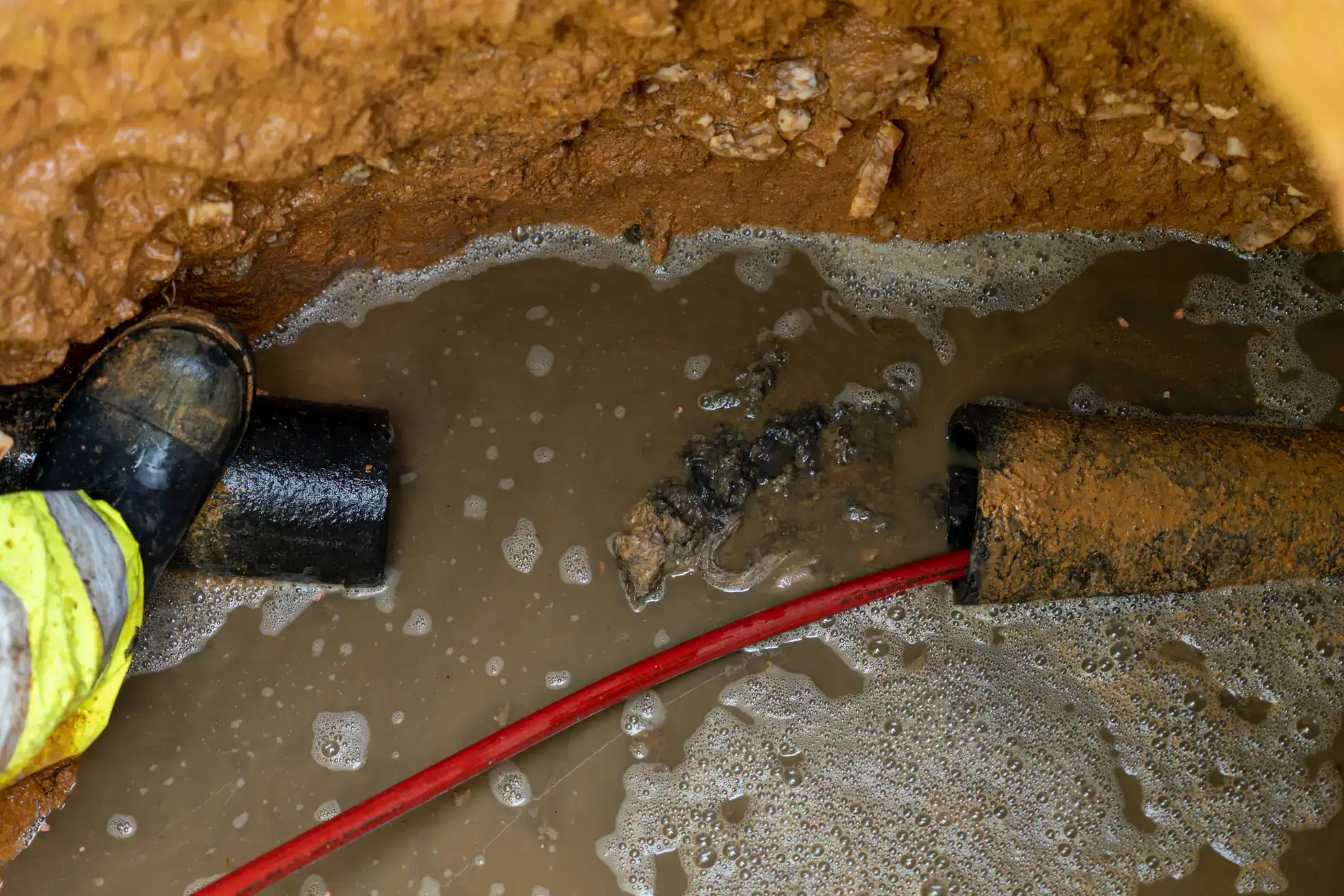
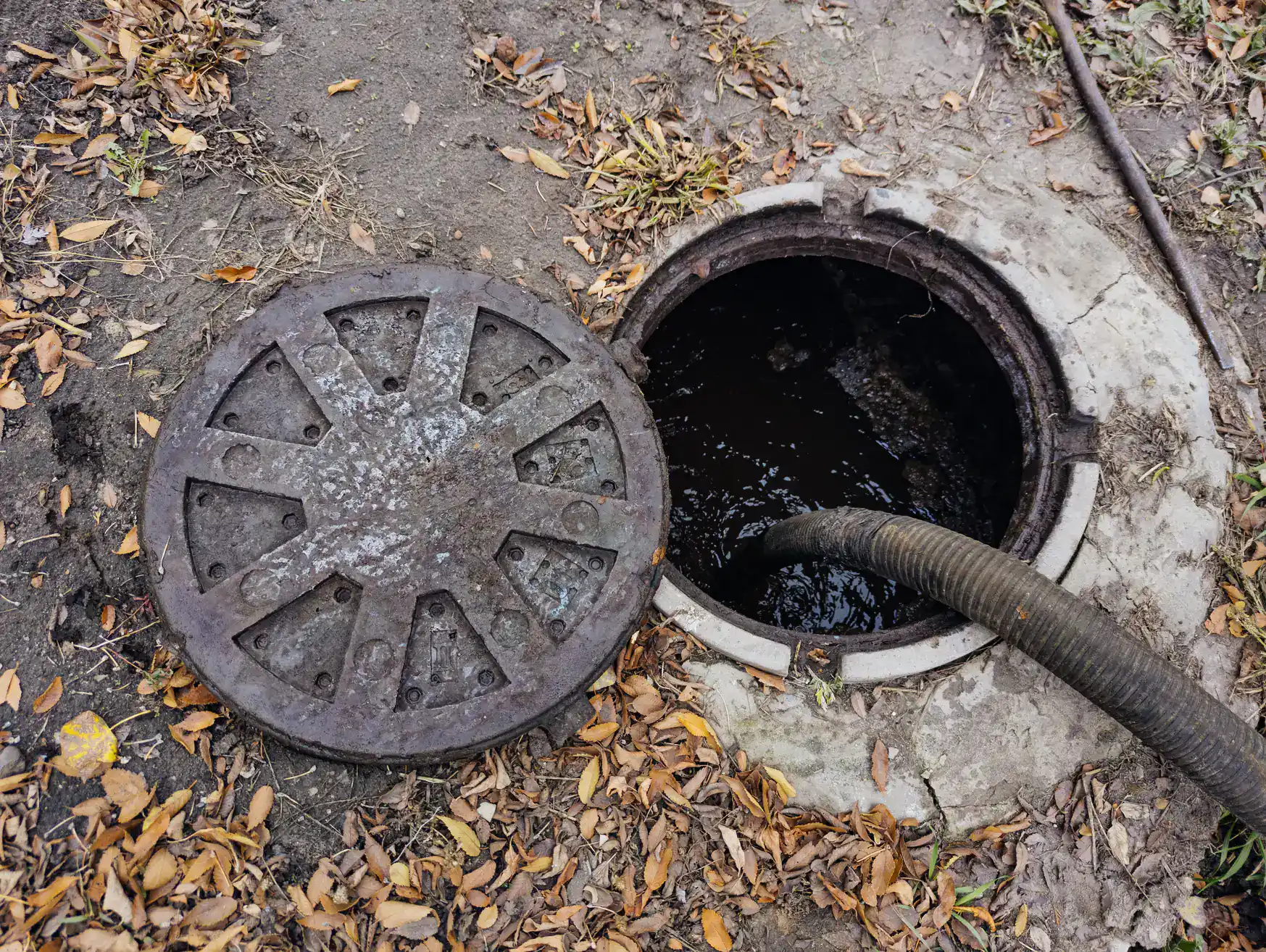
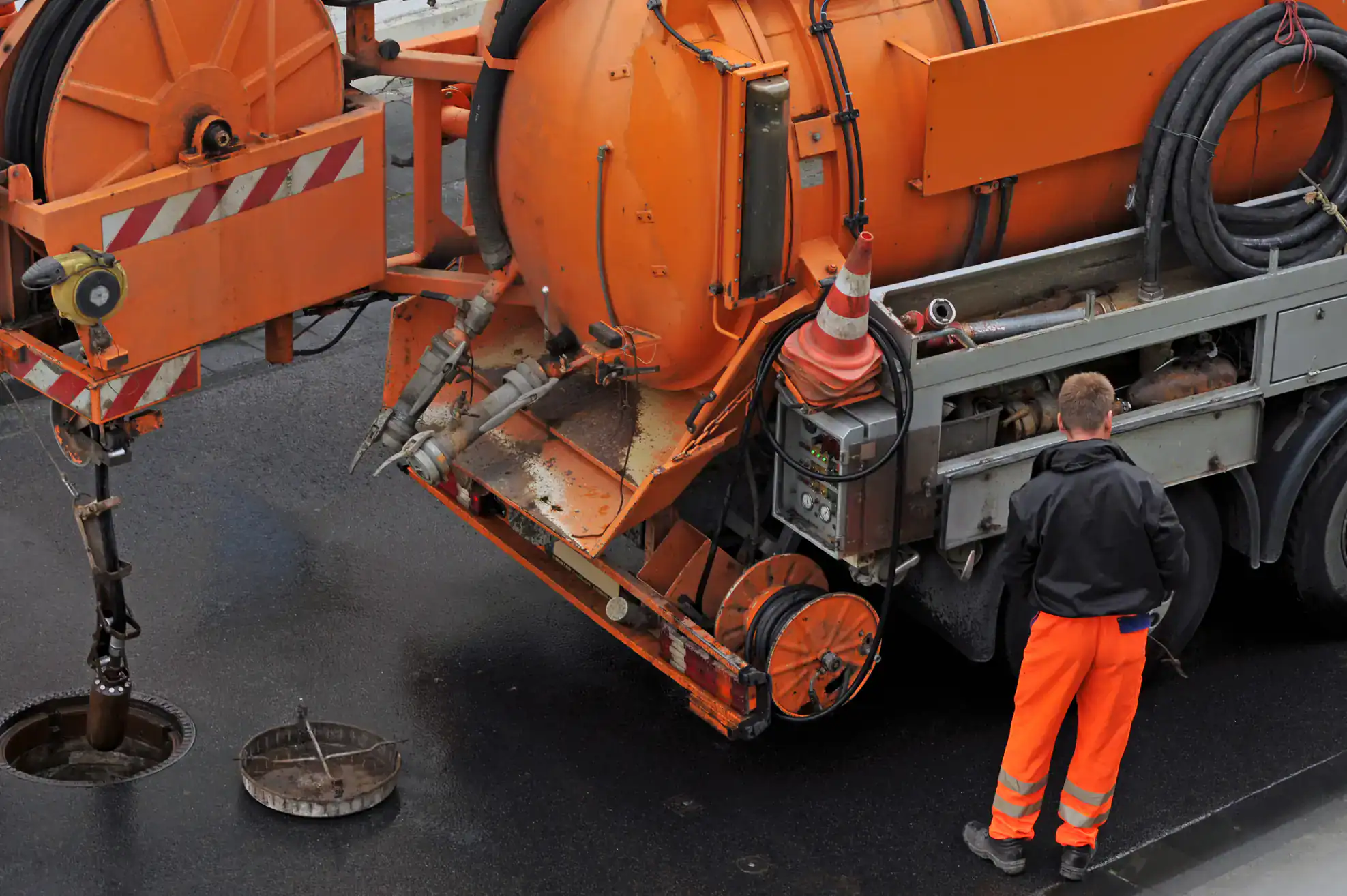
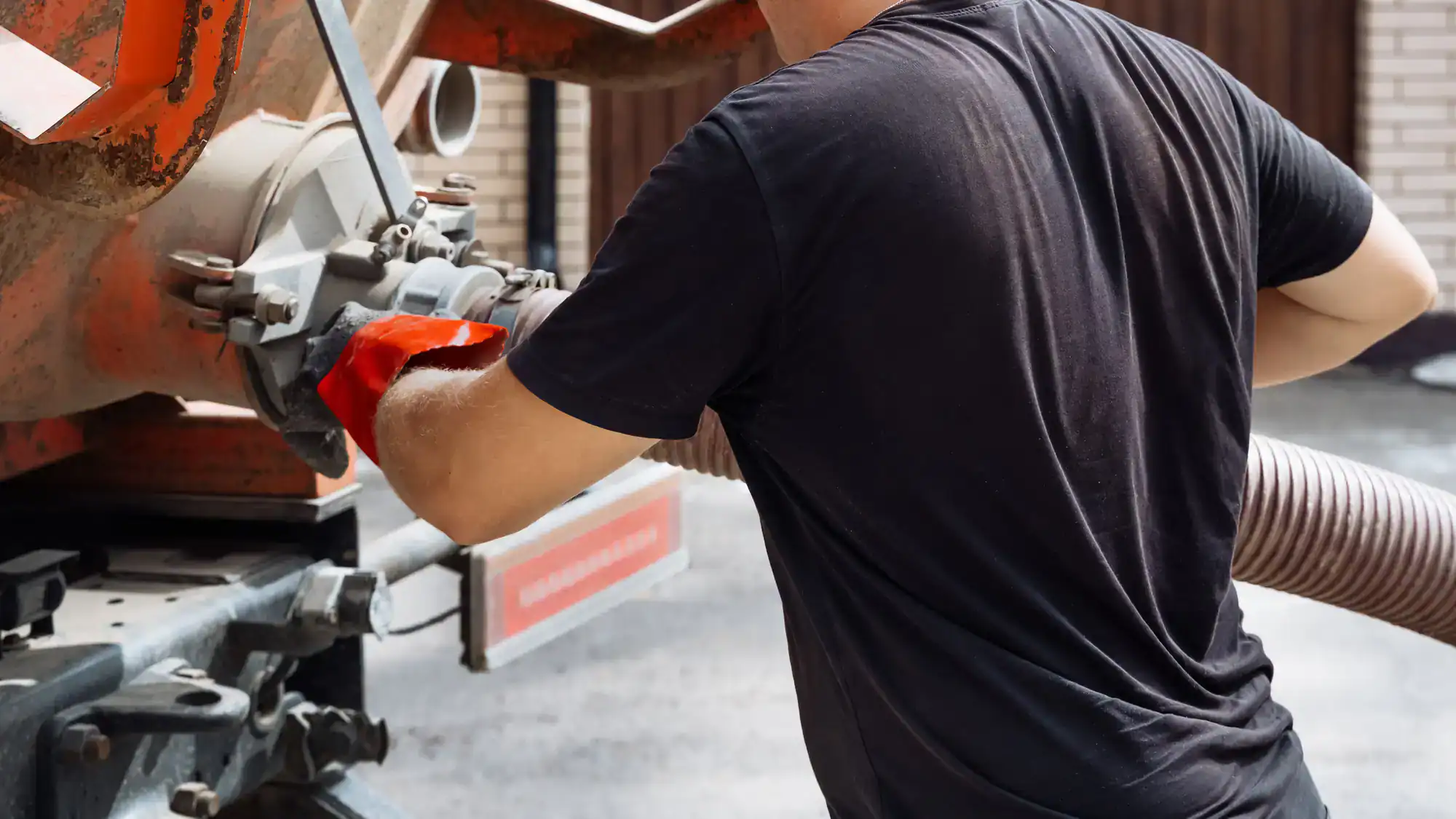
We start by extracting every drop of contaminated water using truck-mounted equipment that’s ten times more powerful than shop vacuums. All sewage gets disposed of safely through proper channels, not dumped wherever it’s convenient.
Next comes the part most companies rush through: structural drying and decontamination. Industrial dehumidifiers and air movers work for days, not hours, to pull moisture from walls, floors, and hidden spaces. We apply medical-grade disinfectants that actually eliminate bacteria instead of just masking problems.
Finally, we handle deodorization using specialized equipment that neutralizes odors at their source. We repair damage caused by the backup and walk through everything with you before calling the job complete. You know exactly what was done and why.
Your sewage cleanup includes complete water extraction, structural drying, sanitization, and deodorization. We also protect your belongings by moving salvageable items to clean areas while we work on contaminated spaces.
In Woodside, sewage problems come from predictable sources. The area’s older infrastructure gets overwhelmed during heavy rains. Tree roots infiltrate aging pipes throughout the neighborhood. Floor drains in basements back up when the system can’t handle the volume.
We’ve handled all of these scenarios hundreds of times. From the initial emergency call through final insurance documentation, you get one team managing everything. No subcontractors. No confusion about who’s responsible for what.
How fast can you get to my Woodside sewage emergency?
We typically arrive within one hour of your call, often faster. Our 24/7 emergency line connects you directly to dispatch, not an answering service that takes messages.
Sewage emergencies can’t wait until business hours. Every minute that contaminated water sits increases health risks and property damage. That’s why we keep fully-equipped trucks ready and crews on standby around the clock.
When you call, we’ll ask specific questions about your situation and send the right equipment immediately. Our technicians arrive with everything needed to start containment and extraction right away, not after a trip back to the shop for supplies.
What health dangers am I facing from sewage in my home?
Raw sewage contains bacteria, viruses, and parasites that cause serious illness. We’re talking about hepatitis, salmonella, and E. coli that can put you in the hospital.
Right here in Woodside, residents ended up hospitalized after sewage exposure during Hurricane Ida flooding. Symptoms started with stomach problems and got worse fast. Some needed IV fluids and medication to recover.
Children and elderly family members face the highest risk, but healthy adults can get seriously sick too. That’s why we treat every sewage situation as a health emergency and use full protective equipment throughout the cleanup process.
Will insurance cover my sewage cleanup costs?
Most policies cover sewage cleanup if you have sewer backup coverage, but many Woodside homeowners don’t realize this is often optional coverage that needs to be added separately.
We work directly with insurance companies and handle the paperwork for you. Our team documents everything thoroughly, takes detailed photos, and provides the reports adjusters need for fast claim processing.
If you’re not sure about your coverage, we can review your policy and explain what’s covered before starting work. We also offer direct billing, so you don’t pay out of pocket while dealing with the emergency and waiting for insurance approval.
How long will my sewage cleanup take?
Complete restoration typically takes 3-5 days, depending on how much contamination we’re dealing with and whether structural repairs are needed. Water extraction starts immediately and usually finishes within hours.
Structural drying takes 2-3 days using industrial equipment that runs continuously. We monitor moisture levels throughout the process and won’t call the job complete until everything reaches proper dryness levels.
Deodorization and final sanitization happen after drying is complete. We use specialized equipment to eliminate odors permanently, not just cover them up temporarily. The final walkthrough ensures everything meets safety standards before we consider the job finished.
Should I try cleaning up the sewage myself?
Attempting sewage cleanup yourself puts your health at serious risk and usually leads to incomplete restoration that creates bigger problems later. Raw sewage requires specialized equipment and safety protocols you can’t get at hardware stores.
We’ve been called in to fix botched DIY attempts that resulted in mold growth, lingering contamination, and structural damage. The cost to fix those problems always exceeds what professional cleanup would have cost initially.
Our technicians use protective equipment, medical-grade disinfectants, and industrial drying systems that ensure complete restoration. The peace of mind knowing your family’s safety isn’t at risk makes professional service the only smart choice.
Why does Woodside have so many sewage backup problems?
Woodside’s sewer infrastructure dates back decades and wasn’t designed to handle today’s rainfall patterns or population density. During heavy storms, the system gets overwhelmed and pushes sewage back through basement floor drains and lower fixtures.
Tree root intrusion is especially common in established neighborhoods like Woodside. Mature trees send roots seeking moisture into sewer lines, eventually causing cracks and blockages that create backups during peak usage.
The area’s combined sewer system means storm water and sewage flow through the same pipes. When capacity gets exceeded during heavy rainfall, contaminated water backs up into homes through the lowest connection points, which is usually basement drains.