I needed a professional consultation explanation of procedure for safe removal of Asbestos in my apartment complex. Without having an account yet, I was very impressed with the caring, knowledgeable and generous advice offered by Jessica, and will look forward to doing business in the future. Thank you so much! I feel much more informed about a sometimes scary endeavor. Peace. Nancy Silva Mineola, NY.
Mia Munoz
Used this company to clean up some water flood in my house. They were fast and easy to work with.very professional, Would recommend to anyone!
Nini Valle
Great company, had a flood and they responded quickly and efficiently. Billed my insurance company directly. I highly recommend this company!
joe colapietro, jr
I had pipe freeze in my basement right before a snow storm and they made to within an hour to help start the clean up process. They we by our side throughout the entire process and even helped with the insurance company. They did such a great job with the cleanup, repair, remidiation, I contracted them to perform the repairs and finishes in the basement. They came with enough manpower and material to get the job done. Leo and Jessica were nothing but a pleasure to deal with!!
Cristian Arredondo c
I had some water damage in my home and Green Island was able to take care of my issue quickly and effectively. I am very pleased with the work they did. They responded quickly and were very professional.
Michael M
Outstanding service! From the office to the field crew everyone was friendly, helpful and responsive. I highly recommend Green Island Group.
You get your life back without the stress of managing contractors, insurance paperwork, or wondering if the job was done right. Your property gets restored to its pre-damage condition using industrial-grade equipment that removes every trace of moisture before mold has a chance to grow.
The water’s gone, the air quality is safe, and your home is actually more resilient than before the damage occurred. You sleep better knowing the problem was solved completely, not just patched over.
Most importantly, you don’t pay upfront costs while dealing with an emergency. We handle the insurance billing directly, document everything properly, and make sure you get fair compensation for your losses.
We’ve been handling water emergencies across New York for years, and we understand exactly what Glendale residents face. The chronic flooding along 77th Avenue, the aging sewer systems that can’t handle heavy rain, and the basement flooding that’s become routine in this area.
We’ve seen how the downward sloping driveways and high water table create perfect conditions for water damage. That’s why our technicians carry specialized equipment designed for these exact challenges, and we know which restoration techniques actually work in Glendale’s unique environment.
When your neighbors need water damage restoration that actually works, they call us because we’ve proven ourselves in this demanding market. Over 5,000 completed projects have taught us how to navigate everything from insurance claims to NYC building codes.
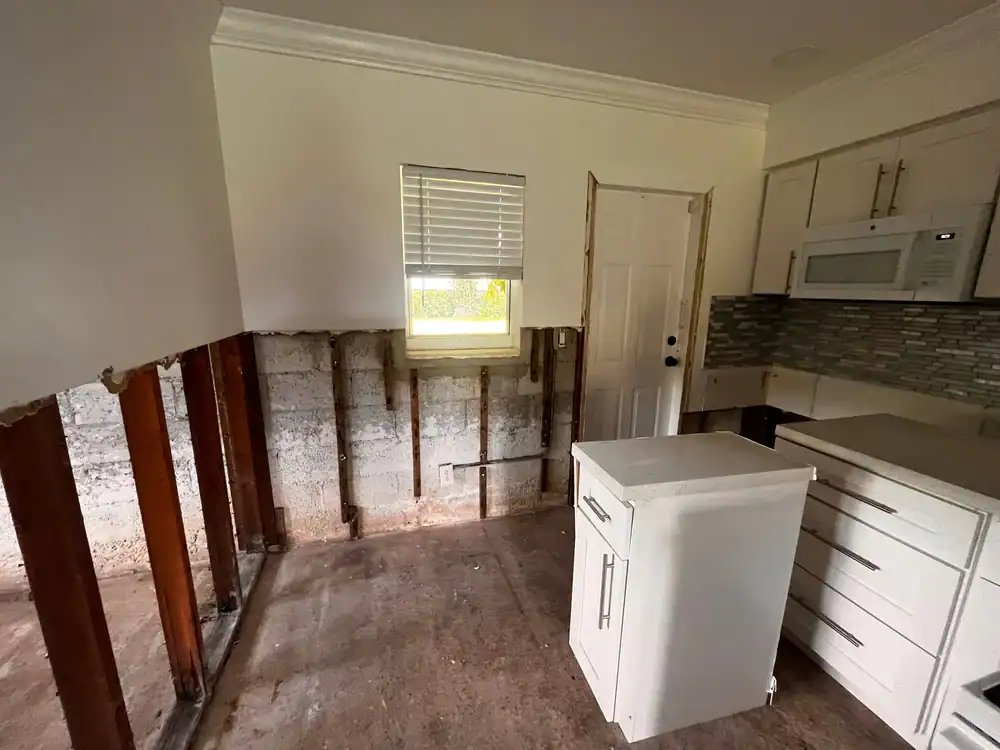
We arrive within an hour of your call with thermal imaging equipment to find hidden moisture that other companies miss. First, we extract all standing water using industrial-grade pumps, then identify every affected area including inside walls and under flooring.
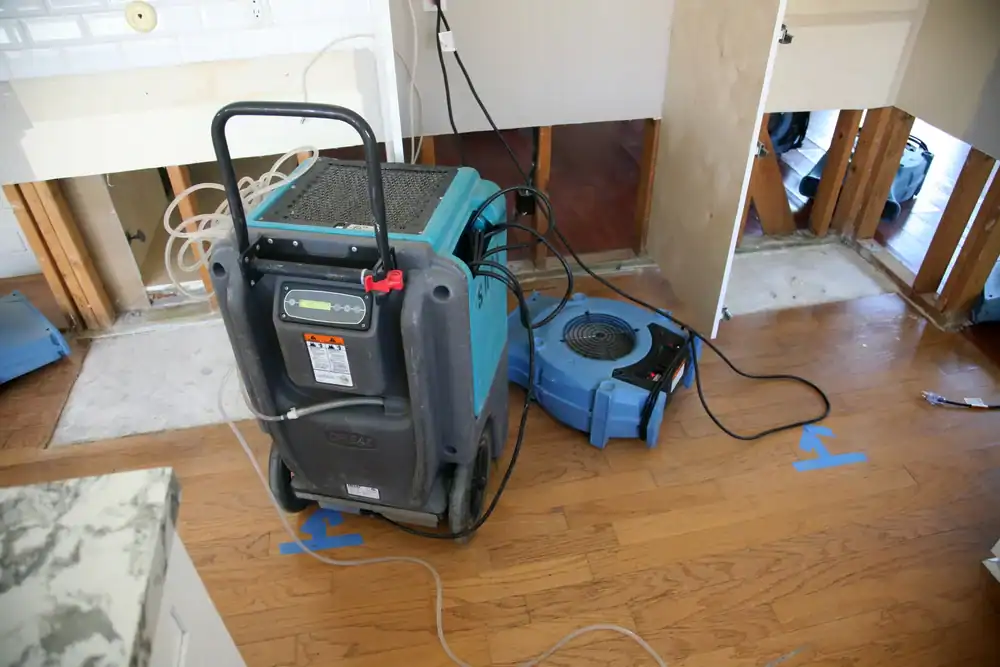
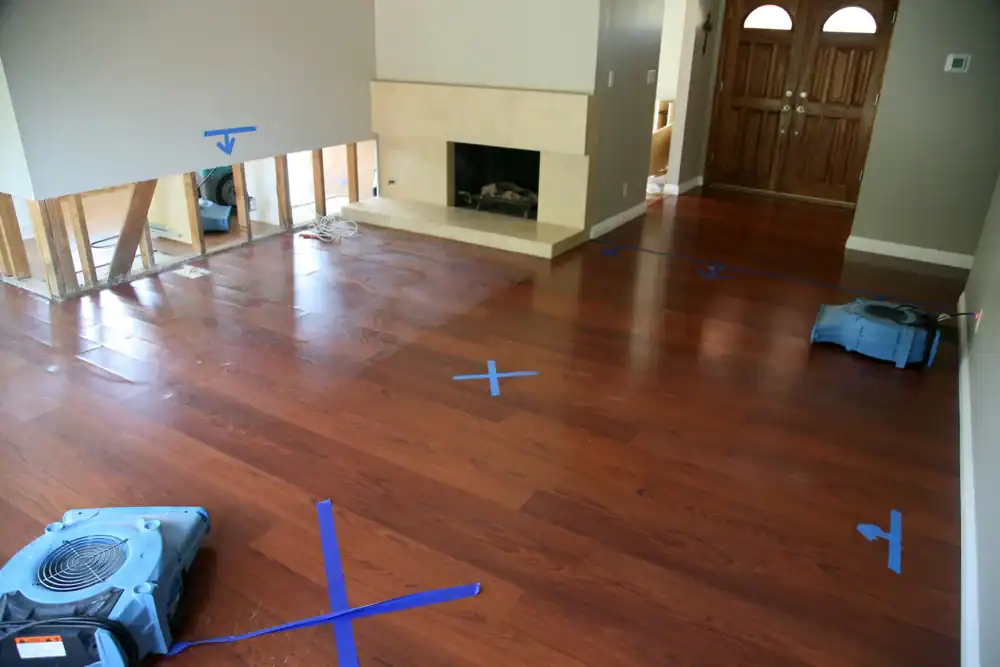
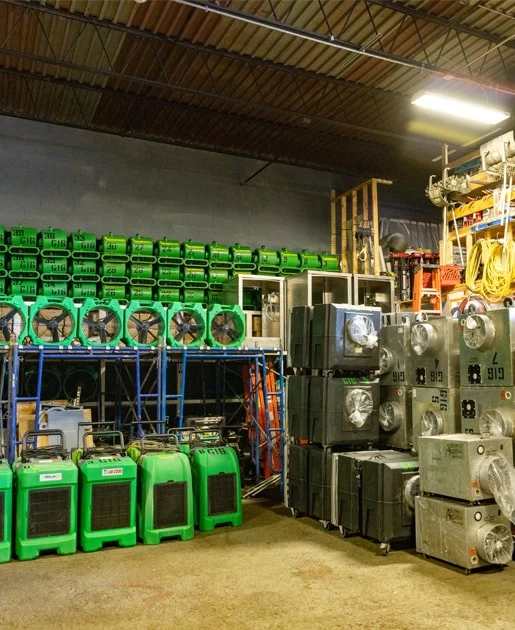
Next comes the drying process using dehumidifiers and air movers positioned strategically based on moisture readings. We monitor progress daily and adjust equipment placement to ensure complete drying, because any remaining moisture leads to mold problems later.
While your property dries, we handle all insurance documentation and communicate directly with your adjuster. We photograph everything, provide detailed damage assessments, and submit the reports insurance companies need to process claims quickly.
Finally, we restore damaged materials using premium products designed for Long Island’s weather conditions. Everything gets rebuilt to current building codes, which often means your property ends up stronger than it was before the water damage occurred.
Complete Restoration Designed for Local Conditions
Your water damage restoration covers emergency water extraction, structural drying, mold prevention, and full reconstruction when needed. You get advanced moisture detection using thermal imaging, industrial-grade drying equipment, and IICRC-certified technicians who understand NYC building requirements.
In Glendale specifically, we see water damage from the area’s chronic flooding issues, aging infrastructure, and the high water table that makes basements particularly vulnerable. The contaminated water that rises from basement drains during heavy rain requires specialized cleaning protocols that most companies don’t follow.
We use EPA-approved disinfectants and follow strict safety procedures because we know that Glendale’s flooding often involves sewage backup mixed with rainwater. Our team is trained to handle contaminated water safely while protecting your family’s health.
The restoration process includes moisture barriers, upgraded drainage solutions where possible, and materials specifically chosen for their resistance to future water damage. Because in Glendale, it’s not just about fixing the current problem – it’s about preparing for the next heavy rain.
How quickly can you respond to water damage emergencies in Glendale?
We provide 24/7 emergency response throughout Glendale and typically arrive within one hour of your call. Time is critical with water damage because every hour of delay increases the risk of mold growth and structural damage.
Our emergency response team is always ready with industrial-grade water extraction equipment, moisture detection tools, and everything needed to begin immediate mitigation. We understand that Glendale’s flooding issues often happen suddenly during heavy rain, which is why we maintain rapid response capabilities even during storms when demand is highest.
The faster we can extract water and begin the drying process, the more of your property and belongings we can save. This quick response also means lower overall restoration costs and less disruption to your life.
Will my homeowner's insurance cover water damage restoration in Glendale?
Most homeowner’s insurance policies cover sudden and accidental water damage, but coverage varies depending on the cause and your specific policy terms. We work with all major insurance companies and handle direct billing in most cases, so you don’t need to pay upfront costs while dealing with an emergency.
Our team documents all damage thoroughly using detailed photography and moisture readings that insurance companies require. We provide comprehensive reports that clearly show the extent of damage and the restoration work needed, which helps ensure you receive fair compensation.
We also communicate directly with your insurance adjuster throughout the process and can explain technical aspects of the restoration work. Many Glendale homeowners are surprised to learn their coverage includes more than they initially thought, especially when proper documentation is provided.
What makes water damage restoration different in Glendale compared to other areas?
Glendale faces unique challenges that require specialized approaches. The area’s chronic flooding issues, particularly along 77th Avenue, often involve contaminated water that mixes rainwater with sewage from basement drains. This requires different cleaning protocols and safety procedures than typical clean water damage.
The aging sewer systems and high water table mean basements are particularly susceptible to recurring flooding. Our restoration process includes moisture barriers and drainage improvements where possible to help prevent future issues, not just fix the current damage.
We also understand NYC building codes and the specific requirements for restoration work in older buildings common throughout Glendale. Our technicians are trained to work safely in these environments while ensuring all repairs meet current standards.
How do you prevent mold growth during water damage restoration?
Mold prevention starts with rapid response and complete moisture removal. We use thermal imaging to find hidden moisture inside walls and under flooring that other companies miss, because any remaining moisture creates perfect conditions for mold growth within 24-48 hours.
Our industrial-grade dehumidifiers and air movers are positioned strategically based on moisture readings and airflow patterns. We monitor humidity levels continuously and adjust equipment placement to ensure complete drying, not just surface drying that looks good but leaves moisture trapped inside building materials.
We also use EPA-approved antimicrobial treatments on affected surfaces and install proper ventilation during the drying process. All materials that can’t be completely dried are removed and replaced rather than trying to save them, because compromised materials will develop mold problems later even if they appear dry on the surface.
What should I do immediately after discovering water damage in my Glendale home?
Call us immediately at the first sign of water damage, even if it seems minor. Turn off electricity to affected areas if it’s safe to do so, but don’t enter standing water if electrical outlets or appliances might be submerged. Document the damage with photos for insurance purposes if you can do so safely.
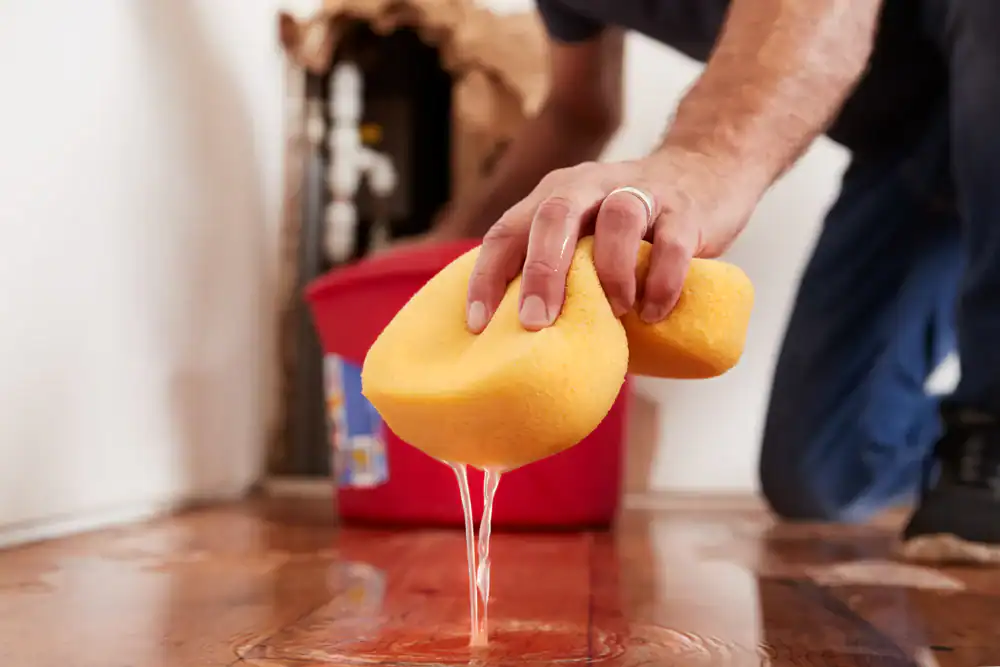
Don’t try to extract large amounts of water yourself or move waterlogged furniture, as this can cause additional damage or injury. Avoid using regular household fans or opening windows, which can actually slow the professional drying process and spread contamination to unaffected areas.
The most important thing is getting professional help quickly. Every hour of delay increases restoration costs and the likelihood of permanent damage. We’ll walk you through immediate safety steps over the phone while our team is en route to your property.
How long does the water damage restoration process typically take in Glendale?
The timeline depends on the extent of damage, but most residential water damage restoration in Glendale takes 3-7 days for the drying phase, followed by 1-3 weeks for repairs and reconstruction. Emergency water extraction begins immediately, usually within an hour of your call.
Structural drying typically takes 3-5 days using our industrial equipment, though this can extend if moisture has penetrated deep into building materials or if humidity levels are high. We monitor progress with moisture meters and thermal imaging to ensure complete drying before beginning repairs.
The reconstruction phase varies based on the scope of damage, from simple drywall replacement to full room renovation. We provide detailed timelines upfront and keep you informed of progress throughout the process. Our goal is getting you back to normal as quickly as possible while ensuring the job is done right the first time.